column (e.g. in newspaper)
2024.07.02
【Anti-Aging Care】Should Japanese People Watch Their Consumption of Beloved Sea Bream and Tuna? A Cosmetic Dermatologist Explains Why
To maximize your beauty, care for both the inside and outside is essential. We aim to bring advanced anti-aging treatments, such as peptide therapy common overseas, to our Japanese patients. While aesthetic medical approaches may offer more gradual results, they are crucial for building the foundation that supports beauty and youth. We combine nutritional therapy and lifestyle improvements with hormone replacement, peptide therapy, and regenerative medicine to propose personalized treatment plans. We provide long-term support for health and beauty from within.
Hello, everyone.
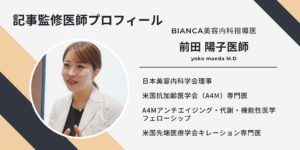
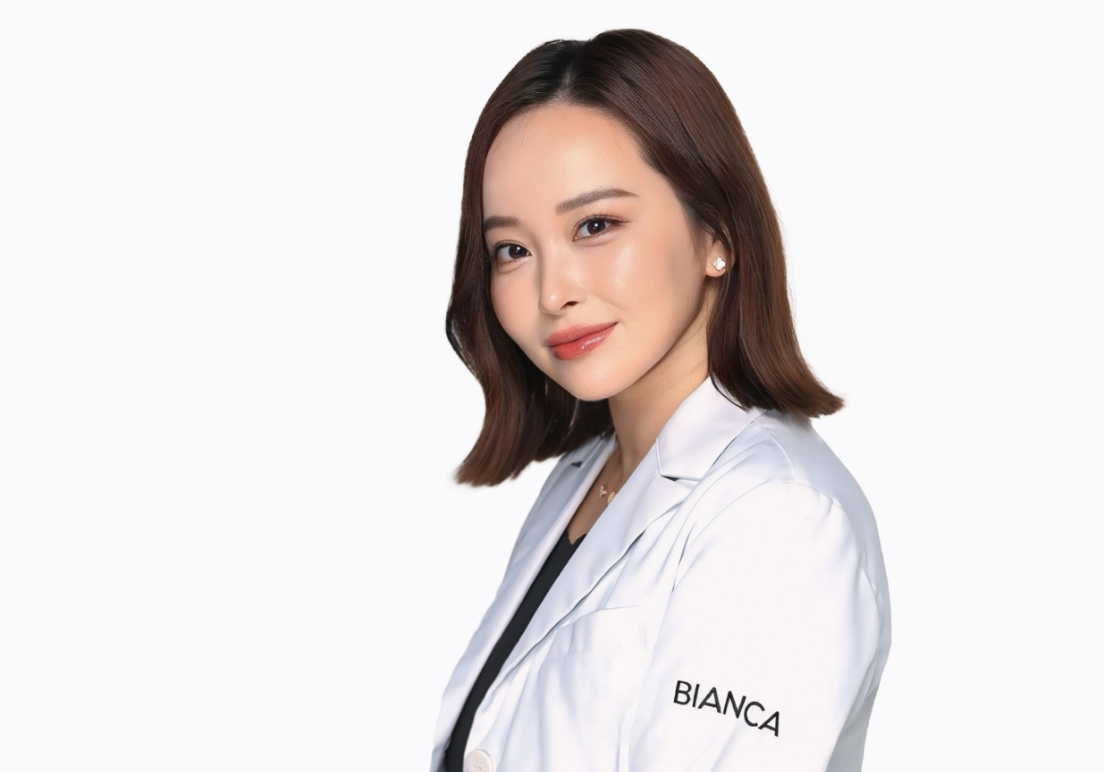
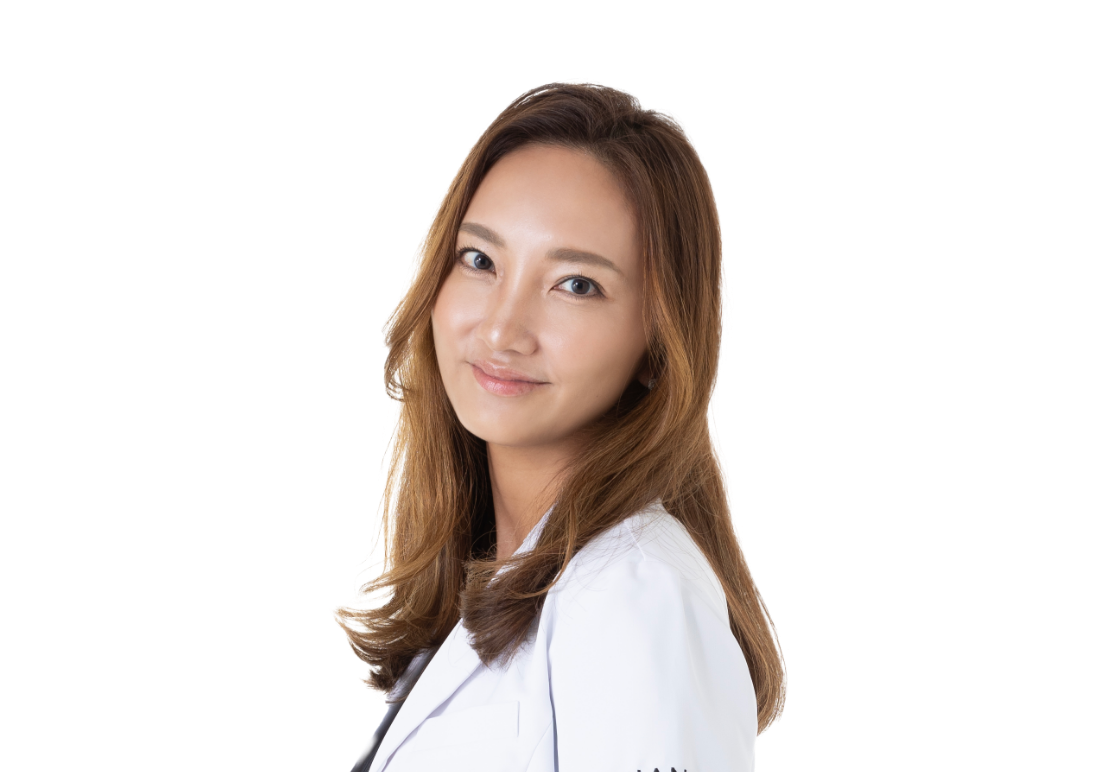
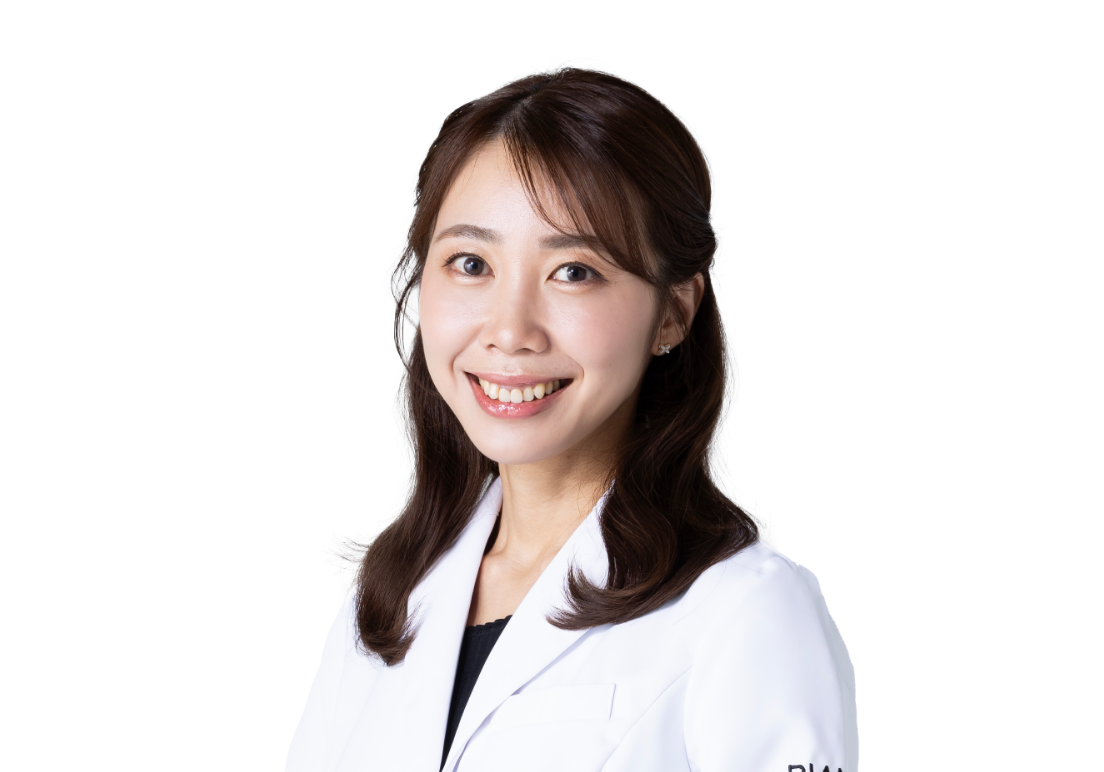
I am Yoko Maeda, a certified aesthetic medicine specialist at BIANCA.
Profile of Dr. Yoko Maeda, Director of Aesthetic Medicine
Completed initial training at Okinawa Prefectural Nanbu Medical Center and Children's Medical Center. Worked in the Department of Radiology at Kyoto Prefectural University of Medicine and at an aesthetic clinic. Encountered high-dose vitamin C intravenous therapy at a seminar by the Intravenous Therapy Research Society. Studied abroad as a Research Fellow at the Riordan Clinic in the United States. Achieved notable accomplishments, including passing the American Academy of Anti-Aging Medicine's specialist certification exam at the youngest age.
Currently serving as a Medical Director of Aesthetic Medicine at BIANCA. The role of a Medical Director of Aesthetic Medicine is to approach healthy beauty by caring for the body from within. As a professional in anti-aging care that treats aging from the inside out, I support patients in improving their constitution and maintaining a youthful appearance for years to come by proposing personalized treatments such as natural hormone replacement therapy, peptide therapy, and supplement therapy.
<Professional Affiliations and Qualifications>
・Director, Japanese Society of Aesthetic Medicine
・American Academy of Anti-Aging Medicine (A4M) Certified Specialist
・A4M Anti-Aging, Metabolism, and Functional Medicine Fellowship
・Certified Chelation Specialist, American Academy of Advanced Medical Sciences
<Check out more information about Dr. Yoko Maeda's aesthetic medicine practice here>
Dr. Yoko Maeda's Instagram account isHere
The official Instagram account for BIANCA isHere
The official YouTube account for BIANCA isHere
By the way, do you like tuna or sea bream?
It's very delicious and I like it too, but for your health, you might want to be careful not to eat too much.
The reason lies in the methylmercury found in seafood. Eating large amounts of tuna or sea bream could lead to significant methylmercury accumulation in your body without you even realizing it! This time, I'd like to discuss the amount of mercury contained in seafood.

Fish is a food rich in high-quality protein and fatty acids, but it also contains harmful substances like methylmercury, which cannot be removed by cooking.
Methylmercury absorbed into the body is gradually excreted over time, so not all ingested amounts accumulate. However, caution is advised against excessive intake during pregnancy. This is because the baby in the womb is sensitive to chemicals, and ingesting a certain amount of methylmercury may affect fetal development.
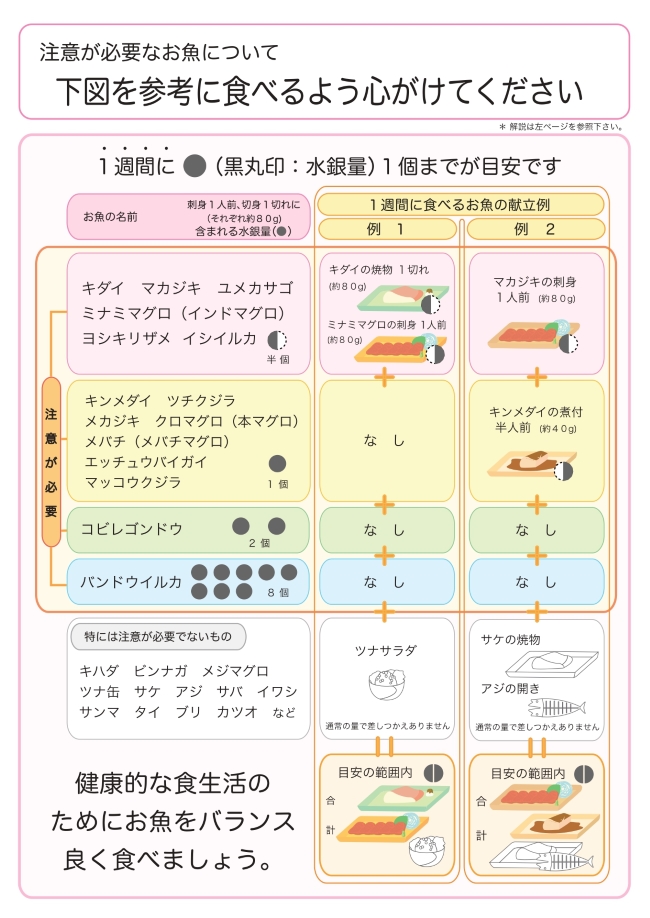
Source:Ministry of Health, Labour and Welfare
This diagram from the Ministry of Health, Labour and Welfare shows fish that pregnant women should avoid eating in excess. It reveals that fish high in mercury content—such as tuna, swordfish, and sea bream—are those at the top of the food chain.
This is because methylmercury readily dissolves in fat and tends to accumulate, leading to increased concentrations through the food chain. As smaller fish are eaten by larger fish in repeated cycles of the food chain, mercury concentrations gradually rise, making it highly likely that methylmercury accumulates in fatty tissues.
Methylmercury consumed through food comes mostly from seafood. Because Japanese people habitually eat fish, it's said that methylmercury accumulates in their bodies at about ten times the level found in Americans.
What are the symptoms caused by methylmercury?

"What happens if you consume a lot of methylmercury?" Many people probably wonder about this. Consuming high levels of methylmercury can potentially cause the following symptoms:
<Symptoms caused by methylmercury intake>
- ・Diabetes
- ・Muscle pain
- ・Headache
- ・Hair loss
Among the adverse effects of high methylmercury intake, diabetes is likely the most relevant to Japanese people. While it's said that Japanese people have a predisposition to diabetes, methylmercury consumption may also be a contributing factor. It's not uncommon for diabetes metrics to improve after detoxifying methylmercury.
Other symptoms reported by individuals include muscle pain, headaches, and hair loss. If you're concerned about how much mercury has accumulated in your body, there are methods available to test your methylmercury levels, so getting tested is one option.
What kind of fish should I eat?

Fish at the top of the food chain are certainly safe to eat, but caution is needed regarding excessive consumption. The Ministry of Health, Labour and Welfare recommends eating them no more than twice a week, limiting intake to approximately 100–200 grams per week.
However, fish containing animal protein are one of the foods we should actively consume from an anti-aging perspective. So, what kinds of fish should we actively eat? Fish lower down the food chain with low methylmercury levels. Fish that are more likely to be eaten than to eat others, in other words. Examples include salmon, yellowfin tuna, mackerel, Pacific saury, sardines, horse mackerel, and bonito—the so-called bluefish.
Bluefish contain low levels of methylmercury and are rich in omega-3 fatty acids, a high-quality type of fat found in fish oil. Eating bluefish regularly is better for your health.
In addition to external care, paying attention to your daily diet is also an essential element of anti-aging care. If you wish to approach anti-aging care from an internal medicine perspective, please feel free to consult with us.