コラム
2024.07.02
70年前と今の野菜の栄養価を比較!1/6 に減少しているものも?原因を美容内科医が解説
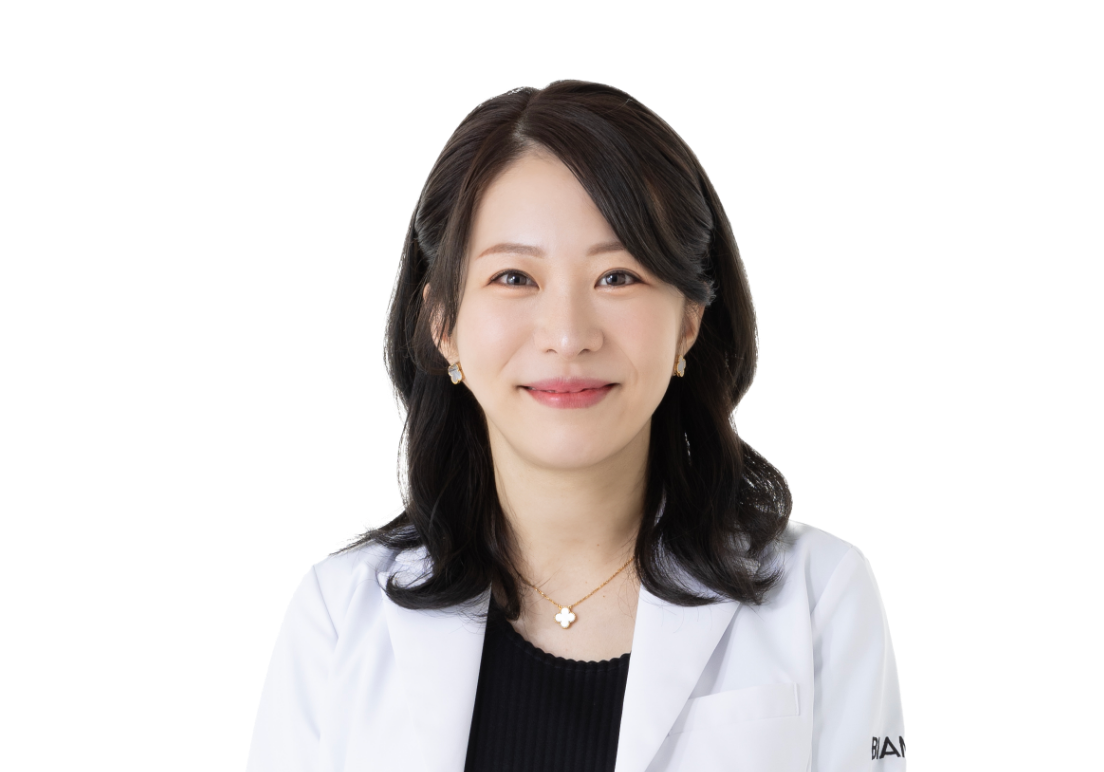
美しさを最大限に引き出すには、外側だけでなく内側のケアが欠かせません。海外では一般的なペプチド療法など先進的なエイジングケアを、日本の患者様にも届けたいと考えています。美容内科的アプローチは即効性こそ控えめですが、美と若さを支える土台づくりの要。栄養療法や生活習慣改善に加え、ホルモン補充・ペプチド療法・再生医療を組み合わせ、一人ひとりに適した治療計画を提案。内側からの健康と美しさを長期的にサポートしていきます。
みなさんこんにちは。
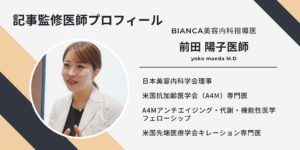
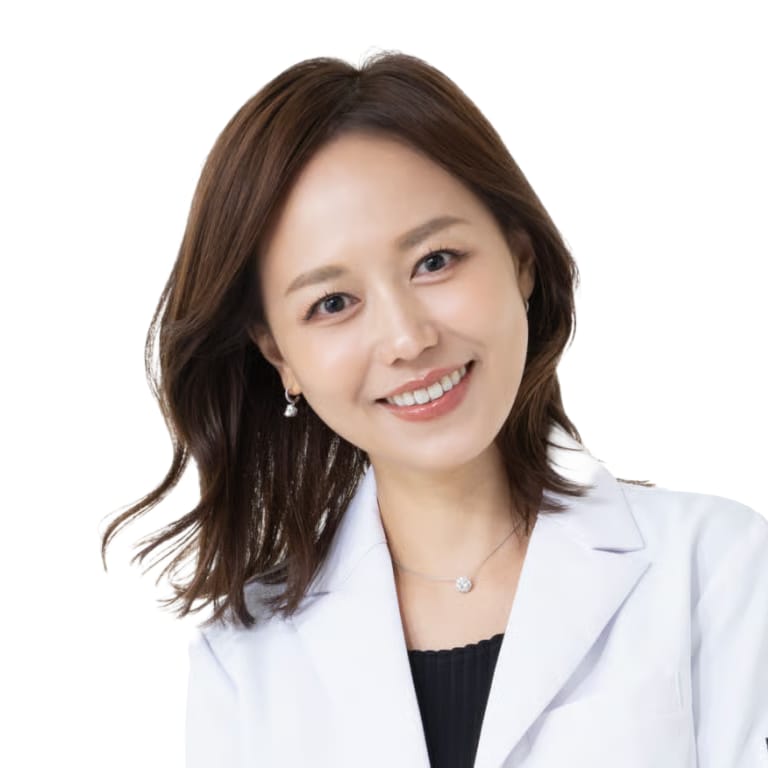
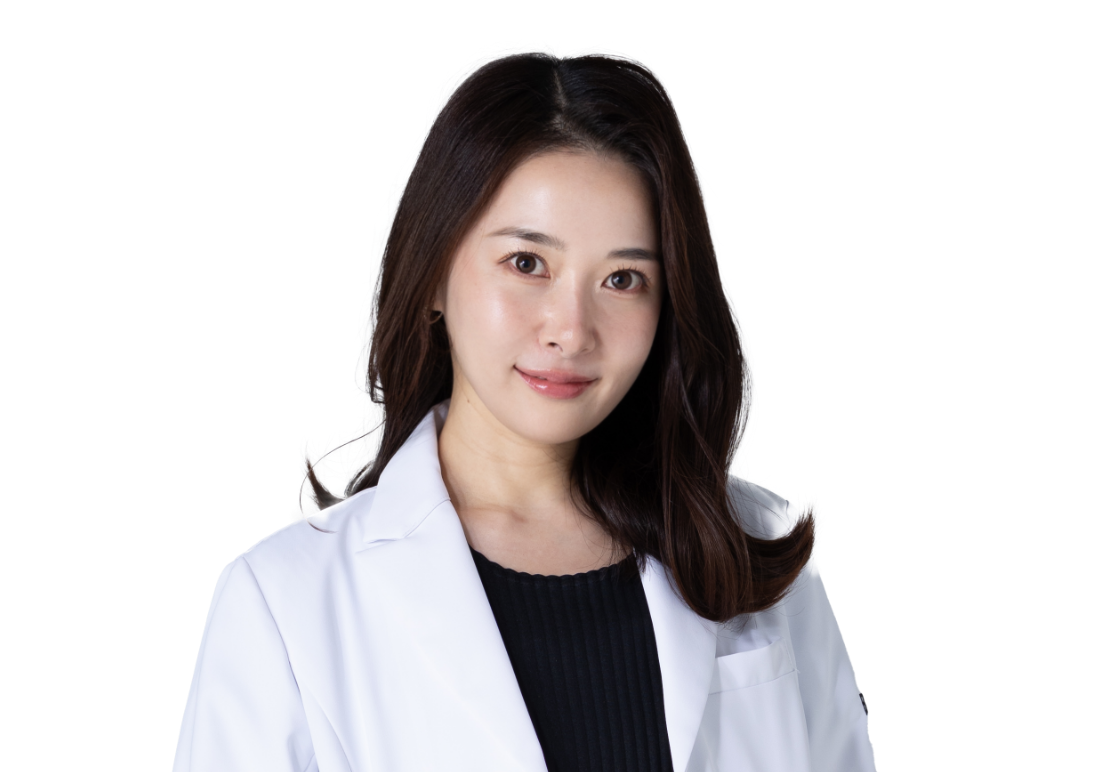
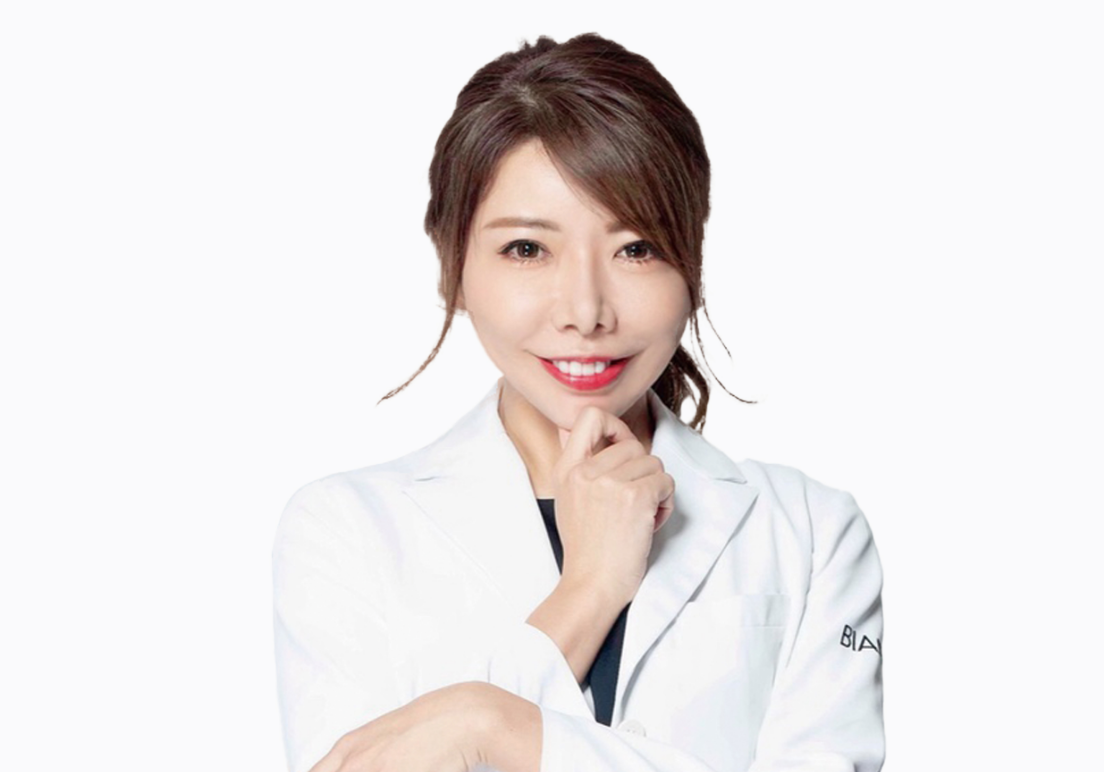
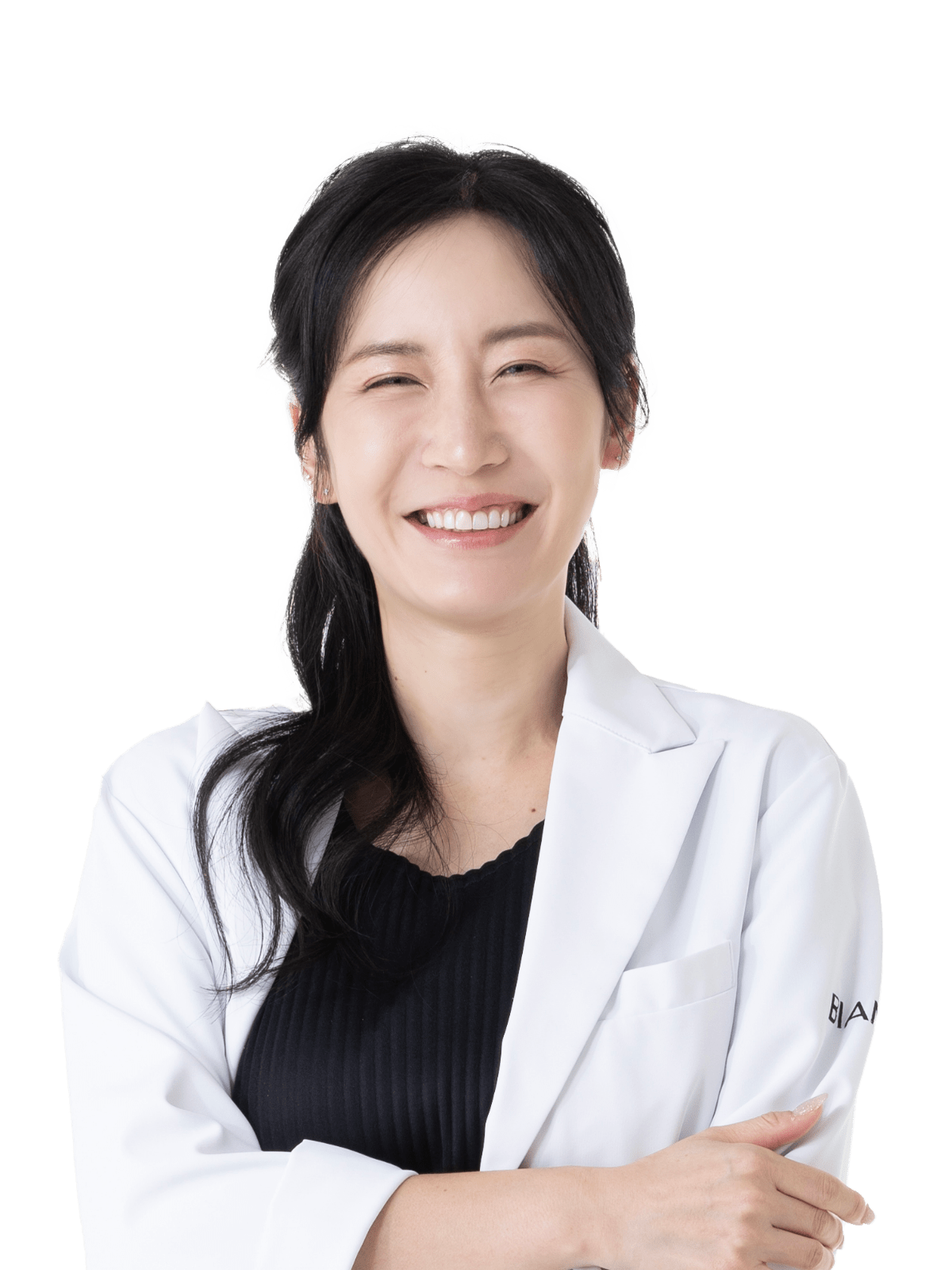
BIANCA 美容内科指導医の前田陽子です。
美容内科指導医 前田陽子医師プロフィール
沖縄県立南部医療センター・こども医療センターで初期研修、京都府立医科大学放射線科、美容クリニックでの勤務を経て点滴療法研究会のセミナーで高濃度ビタミンC点滴と出会い、アメリカリオルダンクリニック リサーチフェローとして留学。米国抗加齢医学会の専門医試験に最年少で合格するなどの実績を持つ。
現在はBIANCA (ビアンカ)に美容内科指導医として在籍。美容内科指導医の役割は、身体を内側からケアして健康的な美しさにアプローチすること。身体の内側から老化を治療するエイジングケアのプロフェッショナルとして、ナチュラルホルモン補充療法やペプチド療法、サプリメント治療など、患者様に合わせた治療の提案により、体質を改善しいつまでも若々しく過ごすサポートを行う。
<所属学会・資格等>
・日本美容内科学会理事
・米国抗加齢医学会(A4M)専門医
・A4Mアンチエイジング・代謝・機能性医学フェローシップ
・米国先端医療学会キレーション専門医
<前田陽子先生の美容内科にまつわる情報はこちらからもチェック>
前田陽子医師のInstagramアカウントはこちら
BIANCAの公式Instagramアカウントはこちら
BIANCAの公式YouTubeアカウントはこちら
みなさんは、野菜を十分に食べていますか?野菜は健康に欠かせない食材の1つとして、厚生労働省も1日に350g以上食べることを推奨しています。
そんな野菜ですが実は、今の野菜に含まれる栄養素が、昔と比べて減少してしまっていることをご存じですか?本日は70年前と今の野菜の栄養素の量について解説します。
70年前と現在の野菜の栄養素量の比較

こちらは、1950年と2015年の野菜に含まれる栄養素量を比較したグラフです。
| ニンジン/ビタミンA | 4,455ng→720ng |
| ホウレンソウ/ビタミンC | 150mg→35mg |
| ホウレンソウ/鉄 | 13mg→2mg |
| セロリ/ビタミンB1 | 0.8mg→0.03mg |
| アスパラガス/ビタミンB2 | 0.3mg→0.15mg |
| カボチャ/カルシウム | 44mg→20mg |
これを見ると、ニンジンのビタミンAは4,455ngから720ngと、なんと1/6に減少!ホウレンソウのビタミンCは150mgから35mg、鉄は13mgから2mgと、とても少なくなっていることが分かります。
そのため、ニンジンを昔と全く同じ量食べても、同じだけの栄養素が摂取できない可能性が高いでしょう。「こんなに減っているの?」と驚いた方もいるのではないでしょうか。
野菜の栄養素が減少した原因
野菜の栄養素が低下した原因はというと、同じ畑で同じ作物を作り続けることで栄養素が土壌から奪われてしまったことが原因の1つと考えられています。また、野菜の栄養分は土壌から吸収される栄養分に影響を受けますが、収穫量を増やす近代農業は1つ1つの作物に行き渡る栄養分が少なくなってしまうという側面もあるでしょう。
最近は苦い野菜が好まれないという背景から、苦みの原因となるミネラルや野菜や果物の皮に含まれるフィトケミカルをどんどん少なくする品種改良が進められているのも原因の1つです。
野菜や果物の栄養素をより効果的に摂取するには?
もちろん数値だけがすべてではなく、ニンジンにもホウレンソウにも減っている栄養素以外にさまざまな栄養素が含まれているため、野菜を積極的に摂取する必要があります。大切なのは、いろいろな種類の野菜や果物を食べること。
特に有機栽培で育てられた作物を選ぶと、栄養価が高くなるでしょう。旬以外の野菜や鮮度の落ちた野菜は栄養価が低くなるため、旬の野菜や地元で採れた新鮮な野菜を選んだりするのもおすすめです。また加工するほどに栄養素は少なくなる傾向にあるため、なるべく加工しないでそのまま調理して食べるのが理想的でしょう。
飽食の時代にと思うかもしれませんが、思った以上に栄養不足な方も少なくありません。食事だけで十分な栄養素を摂取するのは難しくなってきているため、必要に応じてサプリメントを上手く活用していただくことをおすすめしています。
- 「自分に足りない栄養素は何?」
- 「どんなサプリメントを摂取すれば良いの?」
などの疑問にもお答えいたしますので、内面からのエイジングケアに興味がある方は、ぜひBIANCAにご相談ください。美容内科の視点から、健康を守っていく方法を提案していきます。