column (e.g. in newspaper)
2025.09.19
Red face? It might actually be rosacea.
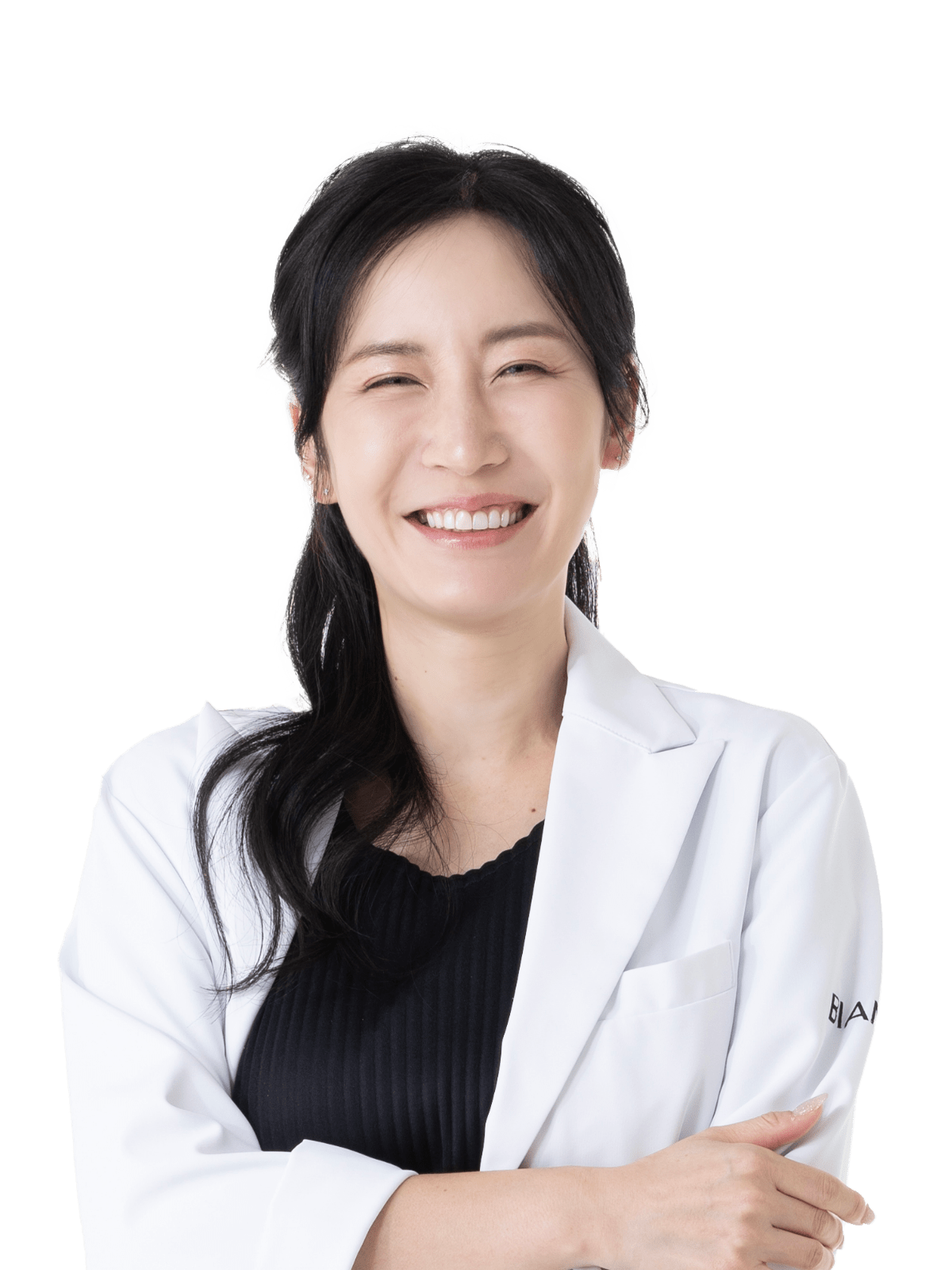
As an Assistant Professor, Associate Ward Director, and Chief of Dermatopathology at the university hospital dermatology department, I deepened my expertise through academic presentations and paper publications both domestically and internationally. I have handled a wide range of treatments, from birthmark therapy in children to adult pigmentation concerns, utilizing various lasers and injection therapies, while also contributing to community healthcare. Through encountering numerous cases, I strongly felt the potential and necessity of aesthetic medicine, resolving to pursue further expertise. Building upon my solid dermatological knowledge and meticulous diagnostic skills, I value treatments that gently support each individual's skin while bringing out its inherent beauty.
Among those who come in for beauty consultations, there are quite a few who express concern about redness or a flushed complexion.
When we talk about a flushed face, we consider whether it's due to vasodilation or redness associated with inflammatory cells. I'd like to write about one such condition: rosacea.
Realizing that my own flushed face was rosacea! made many things click into place, and it may be possible to improve it through treatment and skincare.

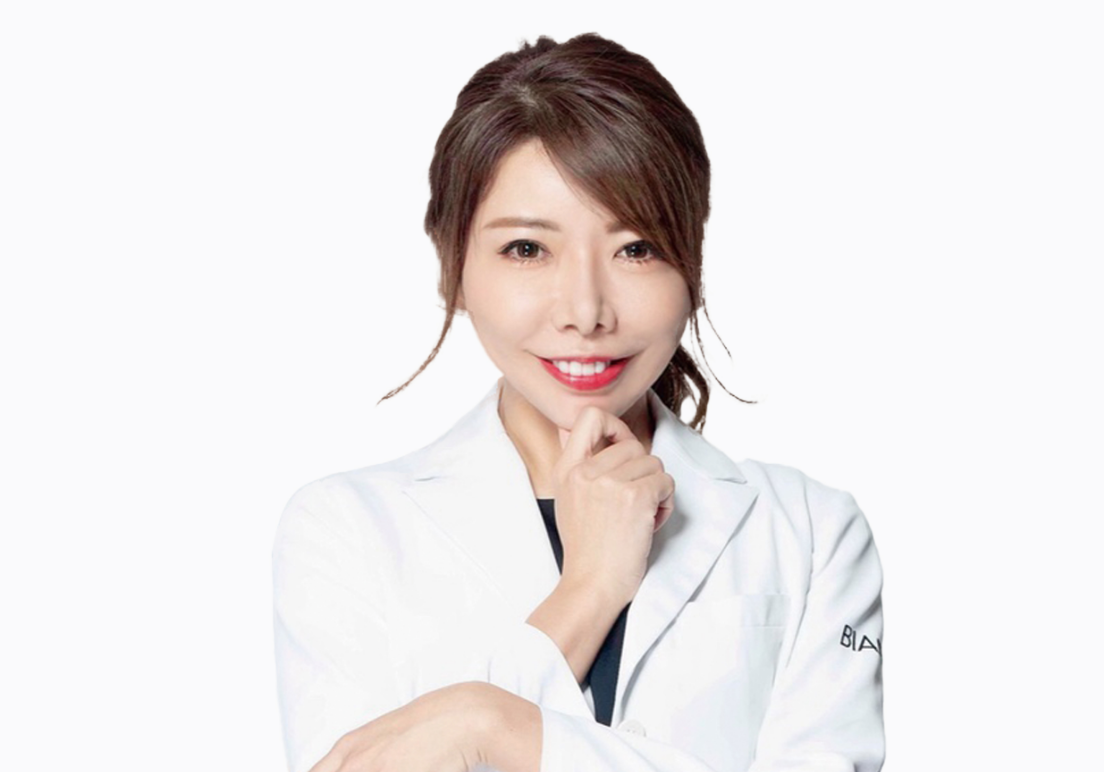
I am Dr. Aya Hayama, a board-certified dermatologist.
Rosacea
Rosacea is a chronic inflammatory skin condition characterized by persistent facial redness and bumps. In Japan, it is often mistakenly referred to as "red face" and confused with acne or eczema. However, since its mechanism of onset, aggravating factors, and treatment methods differ, accurate diagnosis is essential.
We hope this information will be helpful to those seeking information about rosacea or struggling with persistent facial redness.
Epidemiology of Rosacea
Rosacea is a condition seen worldwide, but particularlyMostly adults in their 30s to 50s, with women slightly more commonIt has been reported. However,The nasal polyp type tends to be more common in men.Rosacea is more common among Caucasians in Western countries, though cases are increasing among Asians, including Japanese. However, it can be difficult to diagnose in individuals with darker skin tones, as the redness may be less noticeable. Prevalence rates vary by country and survey method, but it is estimated that approximately 5-10% of adults in Western countries exhibit some form of rosacea symptoms. While the rate is slightly lower in Japan, the number of patients is increasing due to factors such as individuals being labeled as having a "red face," lifestyle changes, and increased exposure to ultraviolet radiation.
Rosacea is a chronic condition, and even mild cases involve long-term symptoms, making early diagnosis, lifestyle management, and treatment crucial.。
Pathology of Rosacea (Causes and Pathogenesis)
Rosacea is not simply a red face; it develops due to a combination of multiple factors.
Due to vascular abnormalities, capillaries are prone to dilation, and redness worsens under various triggers such as UV exposure, temperature changes, and alcohol consumption.I will do so.
The skin barrier becomes more prone to weakening, making the skin sensitive to dryness and external irritants and more susceptible to inflammation.Furthermore, in abnormal immune responses, the antimicrobial peptide cathelicidin becomes overactive,Inflammation is promoted by an increase in Demodex mites.The nervous system is also involved, and through the action of receptors such as TRPV1,Facial flushing and stinging sensationwill appear.
Thus, rosacea is characterized by symptoms that tend to become chronic due to the complex involvement of blood vessels, the skin barrier, the immune system, and nerves.
Also,Rosacea is related to sebaceous glands, and when redness is pronounced on the nose and cheeks, it may be influenced by sebaceous gland activity.。When the balance of lipids secreted by sebaceous glands and skin flora is disrupted, inflammation can easily worsen. Demodex mites feed on sebum and multiply, so excessive sebum secretion can exacerbate papules and pustules.Conversely, insufficient sebum due to dryness also weakens the skin barrier, making it more prone to inflammation. This highlights the importance of balance: both excessive and insufficient sebum can affect symptoms.
How to Identify Rosacea and Its Characteristics
Characteristics of rosacea include:Facial redness persisting for several months or longerand,Affecting the cheeks, nose, forehead, and chin symmetrically on both sides, avoiding the eye areaSymptoms include: Capillaries may become visible, and red bumps or small pustules may appear, but comedones (blackheads or whiteheads) are rarely seen.The stinging and burning sensations are more noticeable than the itching.Compared to eczema, eczema is primarily characterized by itching and often involves roughness, scabs, and peeling skin.Rosacea is characterized by redness, dilated blood vessels, and flushing, which worsen with irritation or alcohol consumption.is.
Factors that worsen rosacea
RosaceaLifestyle habits and environmental factors can easily worsen it.Factors vary, including UV rays, temperature differences, saunas and hot baths, irritation from heating and air conditioning, alcohol consumption, spicy foods and hot beverages, stress and lack of sleep, facial flushing from intense exercise, mask-induced moisture buildup and friction, and harsh peeling or scrub cleansers—all known to worsen symptoms.
Skincare and Lifestyle Habits Suitable for Rosacea
RosaceaThe basic principle is to avoid irritation and protect your skin.Please gently wash your face with lukewarm water.Low-irritation, fragrance-free, alcohol-free skincare (ceramides and azelaic acid are recommended)It is advisable to use sunscreen. Choose a non-chemical type suitable for sensitive skin, and use a highly moisturizing, simple moisturizer.Protects the barrier function。Choose low-irritation makeup and gently remove it to avoid friction.It is important to maintain a regular sleep schedule and regulate your autonomic nervous system as part of your daily routine. Incorporating gentle exercise such as walking or stretching into your habits is also crucial.
Insurance Coverage and Guidelines for Rosacea Treatment
According to the Japanese Dermatological Association's Rosacea Treatment Guidelines,For moderate to severe rosacea covered by insurance, topical antibiotics (such as metronidazole or oxytetracycline) and oral antibiotics (such as doxycycline or minocycline) are recommended.will be done. EspeciallyFor papular and pustular types, oral medication is effective.And in the long term, it also helps prevent symptoms from recurring.
In cases of severe vasodilation or redness,Laser treatments (V-Beam laser and IPL)It is also recommended in the guidelines.
As a self-pay treatmentAdvatex LaserThis treatment is recommended because it targets both vasodilation and the sebaceous glands, which are one cause of rosacea inflammation. It is also suitable for facial redness unrelated to rosacea.
Past Blog
If you're troubled by rosacea or facial redness, please feel free to consult with us.