column (e.g. in newspaper)
2018.12.28
The Ultimate Guide to Liposuction Downtime! Real-Life Tips for Days 1-3 After Surgery

“Confident women are beautiful” is the core belief driving our pursuit of aesthetic medicine that positively transforms lives. Our specialty treatments include custom-designed hyaluronic acid injections and thread lift procedures that deliver natural-looking lifting results. We are also highly skilled in breast augmentation surgery that achieves a natural and beautiful bust line. As a KOL for Purreal Tri-Fill Pro, I actively promote advanced technologies, characterized by a meticulous approach to identifying only the necessary treatments. I strive to support each individual in rediscovering confidence in their inherent beauty and taking steps toward a life filled with happiness.
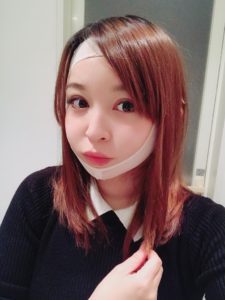
Regarding the downtime for liposuction, Dr. Yuu Okubo of BIANCA CLINIC explains,Based on my own experience。
After liposuction, especially during the first 1 to 3 days, swelling, pain, and edema are likely to occur, requiring careful attention to your daily activities.
When can I take a bath, get a massage, or drink alcohol?Here are some measures to help you get through downtime.
How long does the downtime last after liposuction?
The recovery period after liposuction varies depending on the area treated.
Treatment areaFor thighs, upper arms, and stomach, it takes more than two weeks.In some cases,For the face, about 7 to 10 days。
After the first week post-surgery, it becomes much easier.Some people seem to feel that way.
HerePlease also see ▼
Essential for downtime! What's a face band?
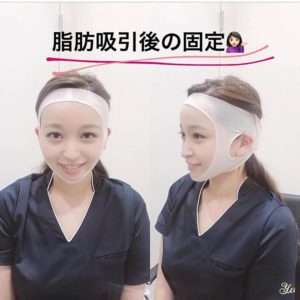
A face band is essential after facial liposuction.
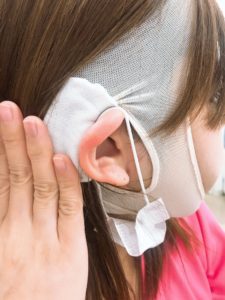
Keep the treated area firmly immobilized and compressed for 72 hours after surgery.
This is what it looks like with my hair down.
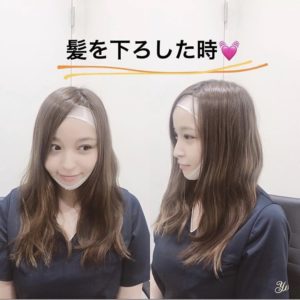
With a mask and hat, you'll barely stand out!
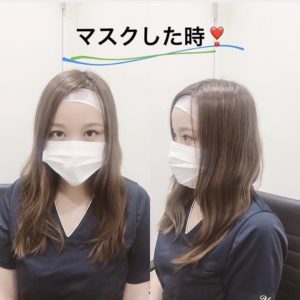
Here's how things looked on the actual first day after surgery.
It's like using a faceband to yank your face down, you know?
I will wear a mask to work.
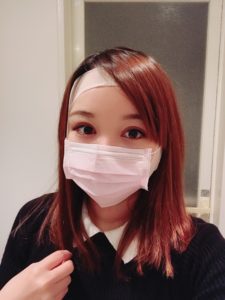
With the hat on, the forehead cover is perfectly secured!

I personally recommend berets because they neatly conceal the faceband.
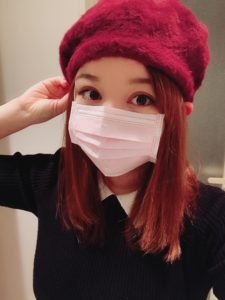
Due to the nature of my work, I resumed work the day after liposuction! I conducted the examination while wearing a face band.
(Don't push yourself too hard! Resume work gradually as you recover.)
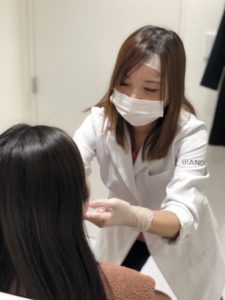
In this way, by effectively combining masks and hats, you can still work or go out during the downtime after liposuction.
Common Symptoms During Liposuction Downtime and How to Manage Them
Know the symptoms of downtime in advance so you can respond calmly when the time comes.
◆Swelling and Edema: The downtime for liposuction varies depending on the area treated, such as the thighs, under the chin, or the face. Peak swelling typically occurs 1 to 3 days after surgery.
◆Pain: If you feel pain during liposuction recovery, don't hesitate to use pain medication.
◆Bruising: It changes from blue → purple → yellow. This is a natural process, so take care without rushing.
When you find the downtime after liposuction difficult,Keep these three points in mind: cool, rest, and moisturize.Let's do it.
What to Do During Liposuction Downtime?
For the first 1 to 3 days after liposuction, your body has not yet fully recovered, so avoid overexertion.
Refrain from drinking alcohol or receiving massages that excessively stimulate blood circulation.
Please follow your doctor's instructions regarding when to resume bathing.
Place gauze around the ear area of the faceband and moisturize thoroughly to reduce discomfort from elastic rubbing.
The ease of your liposuction recovery period depends entirely on your approach!
The first 1 to 3 days after liposuction are when swelling and puffiness are most likely to occur.
However, with the right prior knowledge and preparation, you can reduce the symptoms of withdrawal.
At Bianca Clinic, we provide thorough support all the way through your post-liposuction recovery period.
We also offer beauty IV drips and herbal medicine to promote recovery, so please feel free to ask.
HerePlease also see ▼
※This article is intended for general informational purposes only and is not intended to diagnose, treat, or prevent any specific disease. If you have health concerns, please consult your physician.