column (e.g. in newspaper)
2024.04.05
Beware of Excessive Protein Intake | What's the Relationship with Atherosclerosis and Vascular Aging? [Doctor's Explanation]
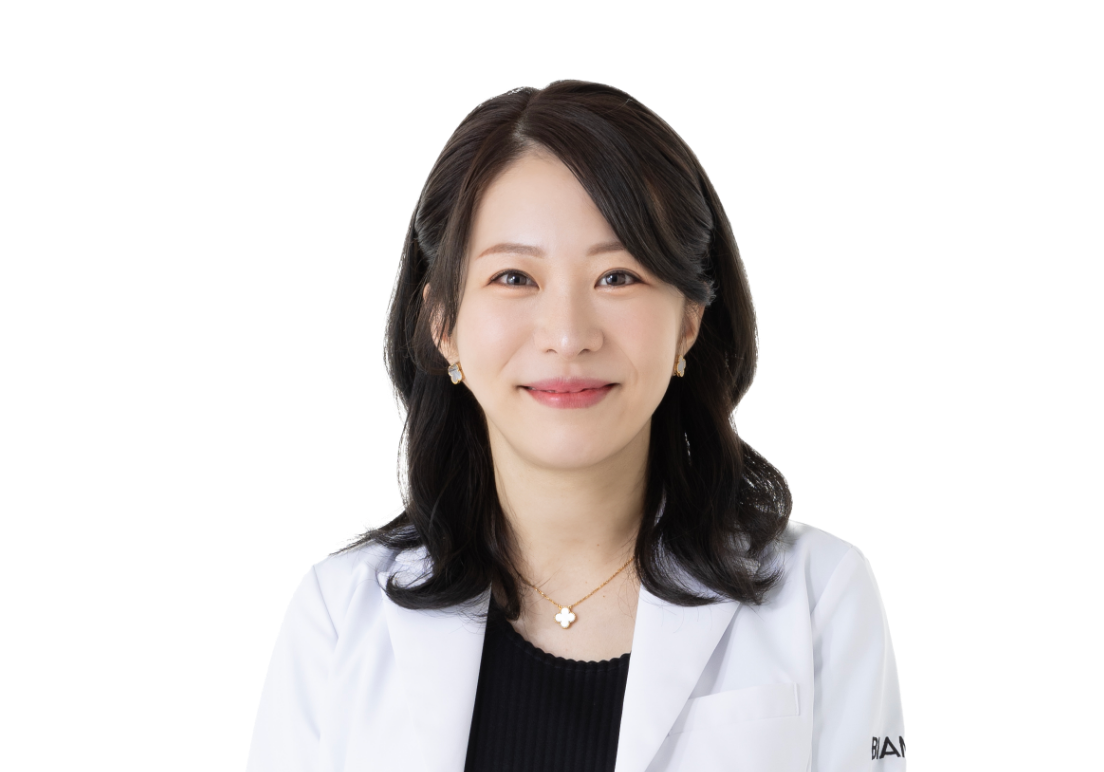
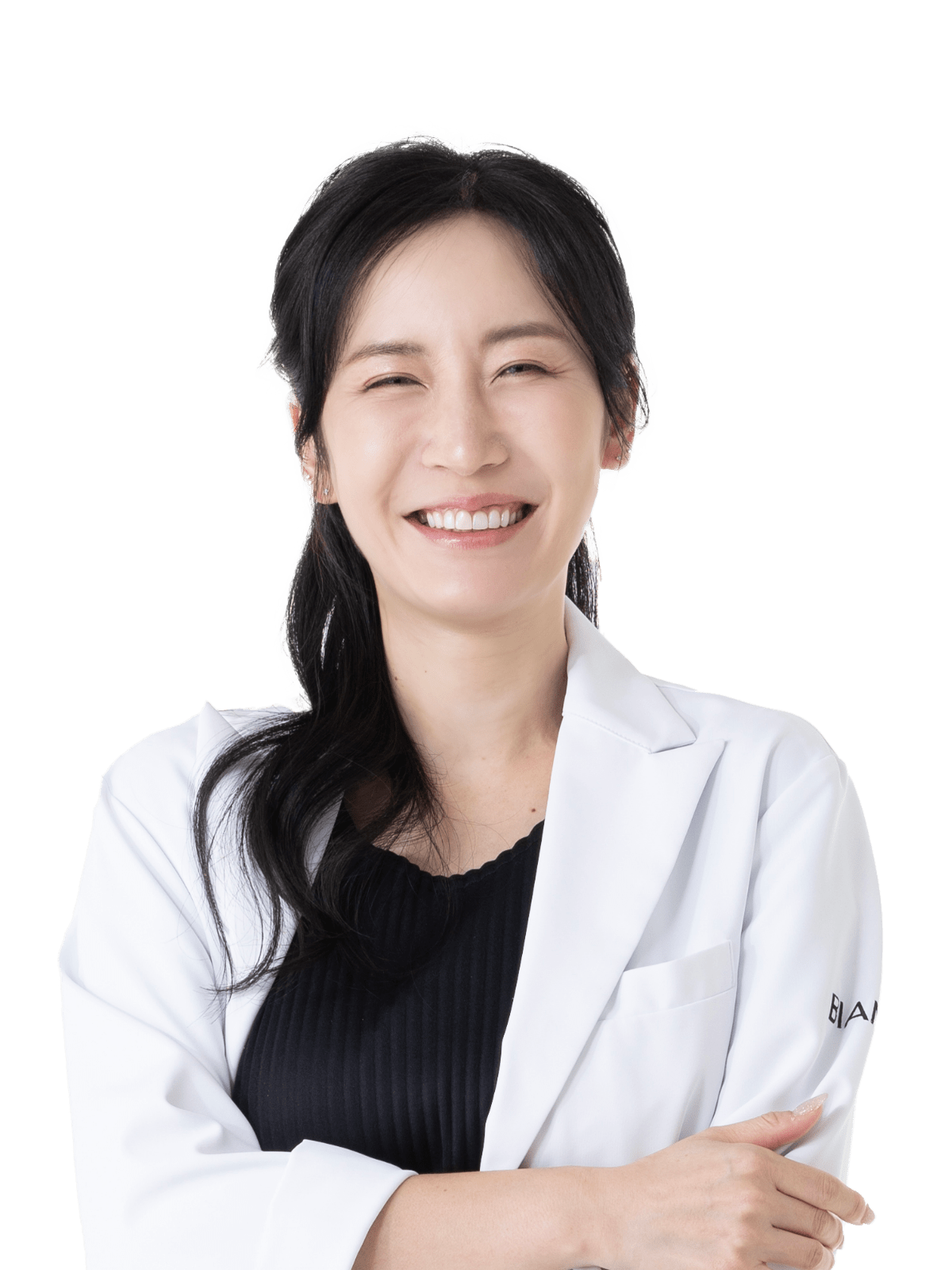
To maximize your beauty, care for both the inside and outside is essential. We aim to bring advanced anti-aging treatments, such as peptide therapy common overseas, to our Japanese patients. While aesthetic medical approaches may offer more gradual results, they are crucial for building the foundation that supports beauty and youth. We combine nutritional therapy and lifestyle improvements with hormone replacement, peptide therapy, and regenerative medicine to propose personalized treatment plans. We provide long-term support for health and beauty from within.
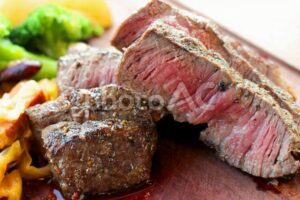
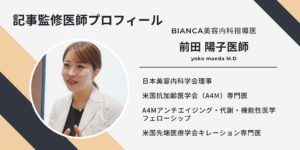
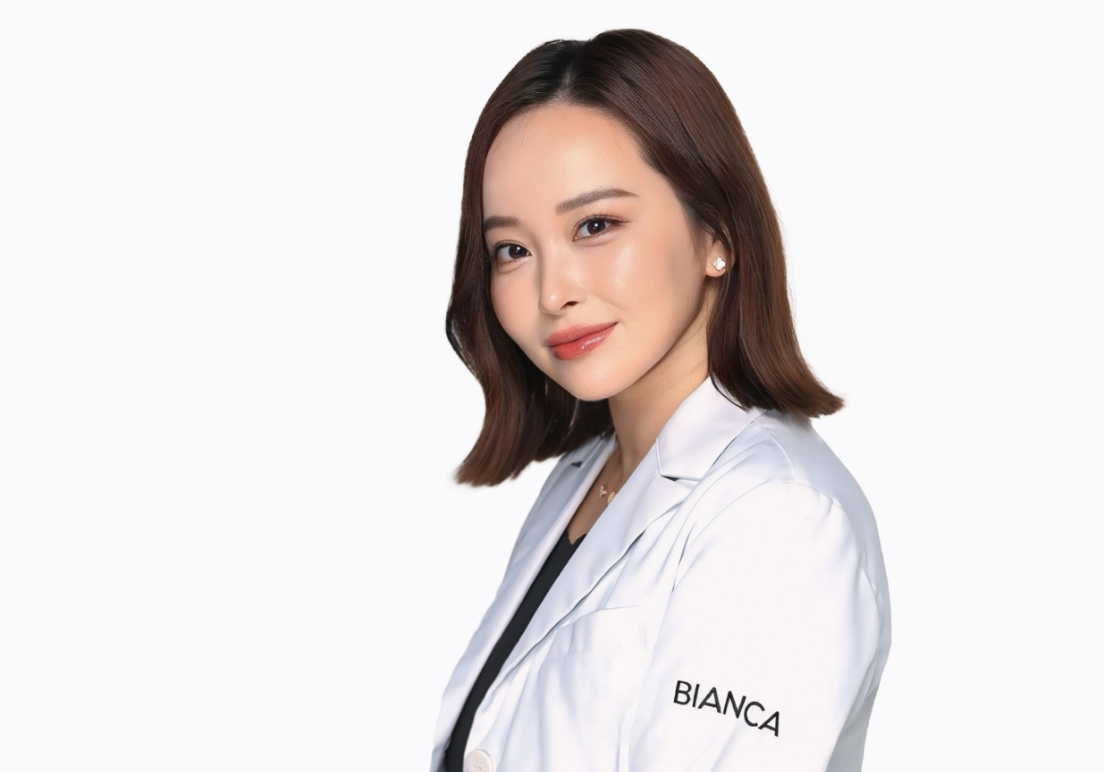
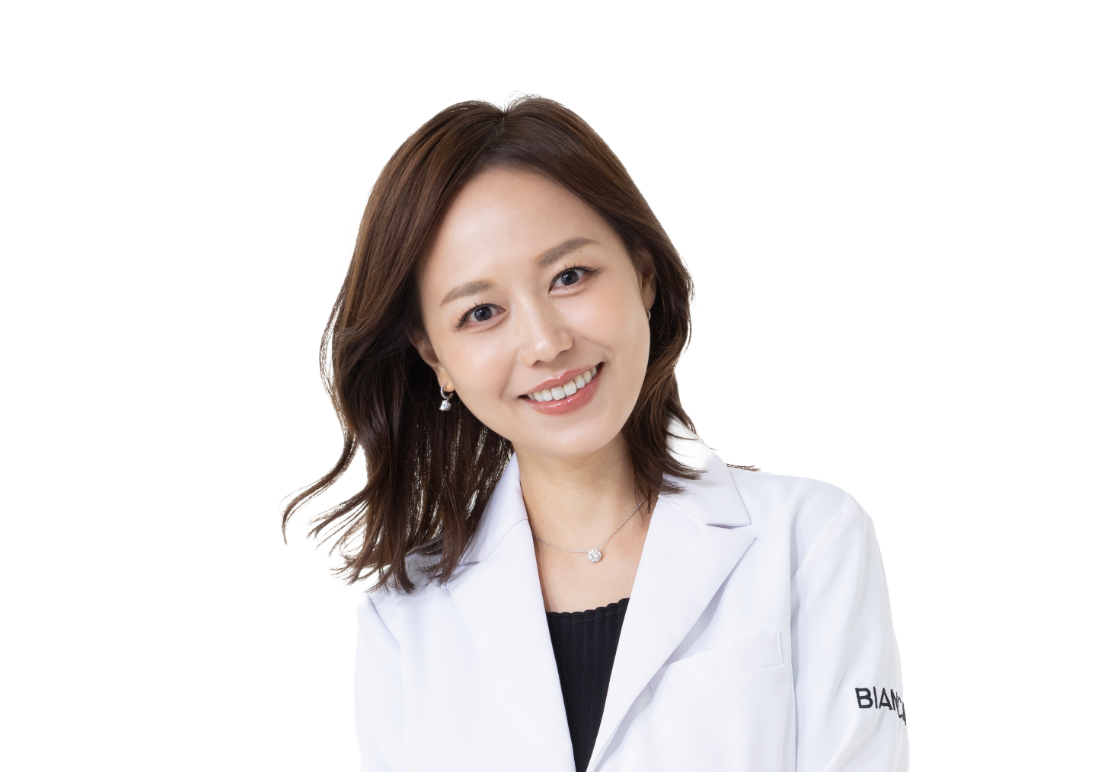
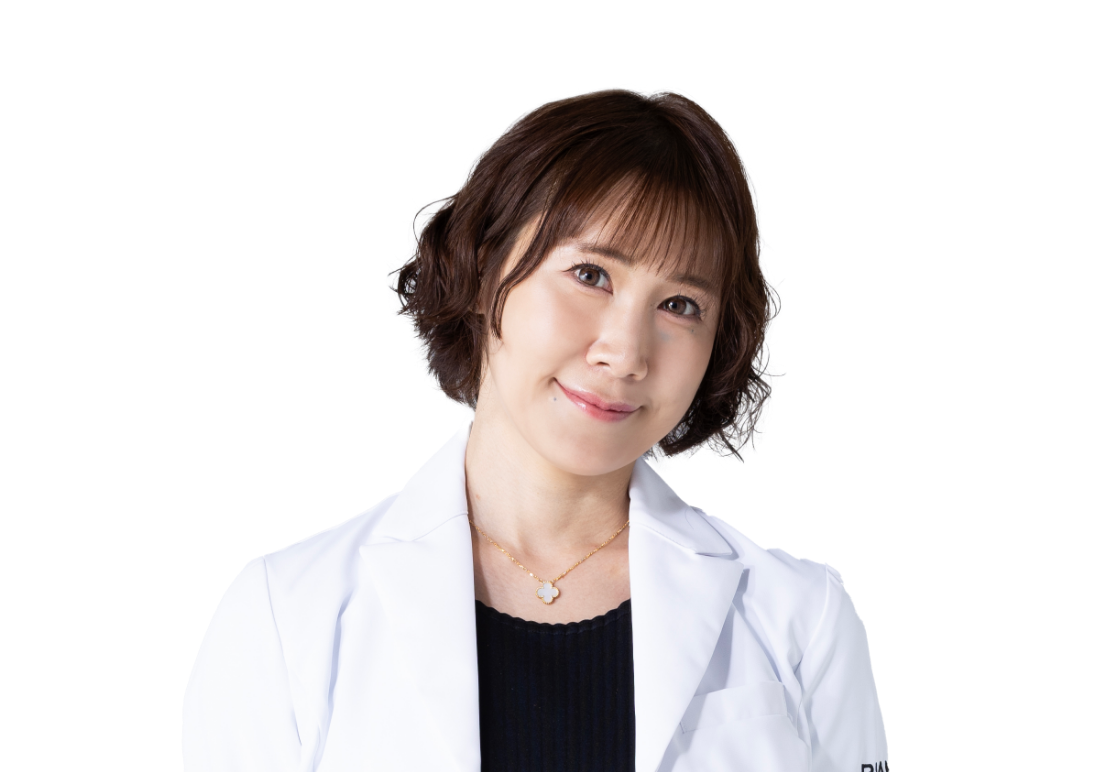
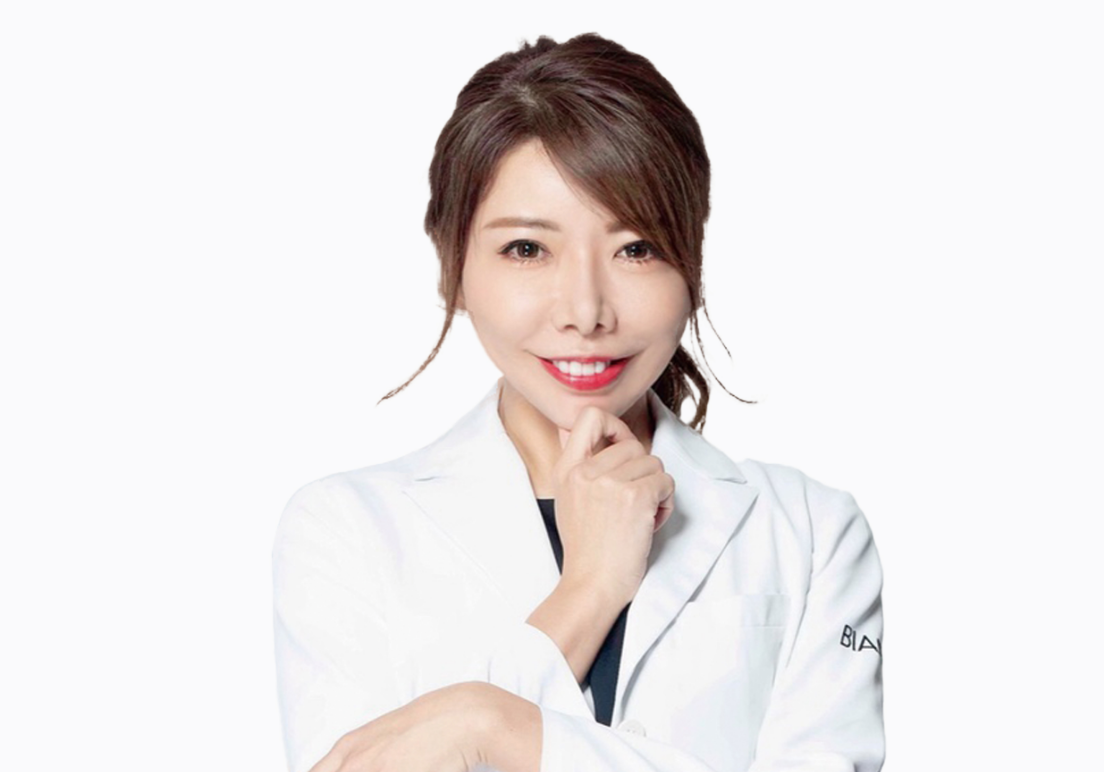
Excessive protein intakeHow does it affect your health? Dr. Yoko Maeda, Director of Aesthetic Medicine at BIANCA CLINIC, explains based on cutting-edge research.
While some people consciously try to consume protein daily—such as by drinking protein shakes for bodybuilding or beauty purposes—the risks of excessive intake are also becoming clear.
What's the connection between excessive animal protein intake and vascular aging? We'll explain it clearly.
Protein is essential for your body! But be careful not to overdo it.
Protein is an essential nutrient for building muscles, skin, hormones, and more.
However, if you continue to consume far more than the necessary amount, it could potentially become a burden on your body...
A diet particularly heavy in animal protein raises concerns about its impact on blood vessels.
Recent research has shown that when protein intake exceeds 22% of total calories, it may increase the risk of cardiovascular disease.
The Relationship Between Animal Protein and Atherosclerosis
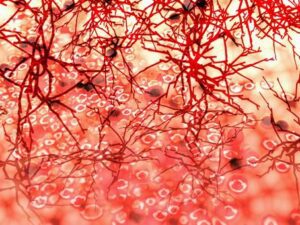
A study published in Nature Metabolism in 2024 has revealed the molecular mechanism by which high intake of animal protein increases the risk of atherosclerosis.
The research team reported the following results using a comprehensive approach that combined cellular, animal, and human data.
・Excessive protein intake increases the activity of immune cells that form plaque (deposits) within arteries.
・In particular, the amino acid "leucine" is implicated in increased risk.
・A diet centered on meat, eggs, and dairy products may have an impact.
These changes are,Accelerates vascular aging and becomes a factor that increases the risk of arteriosclerosis and heart disease.It is thought that...
◆Reference:https://www.natureasia.com/ja-jp/research/highlight/14800
People like this should be careful not to consume too much protein!
If you meet any of the following conditions, please take note.
・Individuals with a family history of heart disease or stroke
・Individuals with a history of diabetes, hypertension, etc.
・Individuals who regularly take supplements or protein
・Individuals who consistently follow an extremely high-protein diet for reasons such as muscle training or weight loss
Individuals who fall into these categories should avoid excessive protein intake to prevent strain on blood vessels. To do so, it is advisable to incorporate plant-based proteins (such as soy products) rather than relying solely on animal-derived sources.
What is the proper way to consume protein?
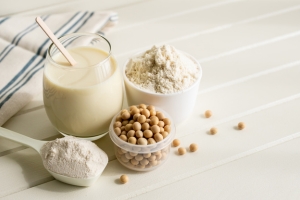
It's often thought that "protein = the more you consume, the better," but what's important is understanding your required amount and maintaining a balanced diet.
・The recommended daily intake is approximately 1.0 to 1.5 grams per kilogram of body weight (may vary depending on activity level).
・Consume animal and plant-based foods in a balanced manner
・If you can get enough nutrients through your diet alone, don't force yourself to add supplements or protein powders.
Maintaining healthy blood vessels is also fundamental to anti-aging care.
It's no exaggeration to say that your daily choices determine your future vascular age.
[Summary] The key to protein is “balancing quality and quantity.”
Protein is an essential nutrient for the body, but consuming too much can potentially damage blood vessels.
Advanced research has shown that diets particularly high in animal protein increase the risk of arteriosclerosis and heart disease.
The key is to reevaluate the balance between the "quantity" and "quality" of your daily protein intake. Strive for a healthy diet tailored to your physical condition and personal circumstances.
For those unsure whether they are getting adequate protein, orthomolecular nutrition therapy offered at Bianca Clinic's Aesthetic Medicine Department is also an option.
Based on results from blood tests and other analyses, we identify nutrient deficiencies and provide medically optimal advice.
If you're interested, please feel free to come in for a consultation.
HerePlease also see ▼
https://biancaclinic.jp/treatment/physical-condition/concentration/orthomolecular/
※This article is intended for general informational purposes only and is not intended to diagnose, treat, or prevent any specific disease. If you have health concerns, please consult your physician.