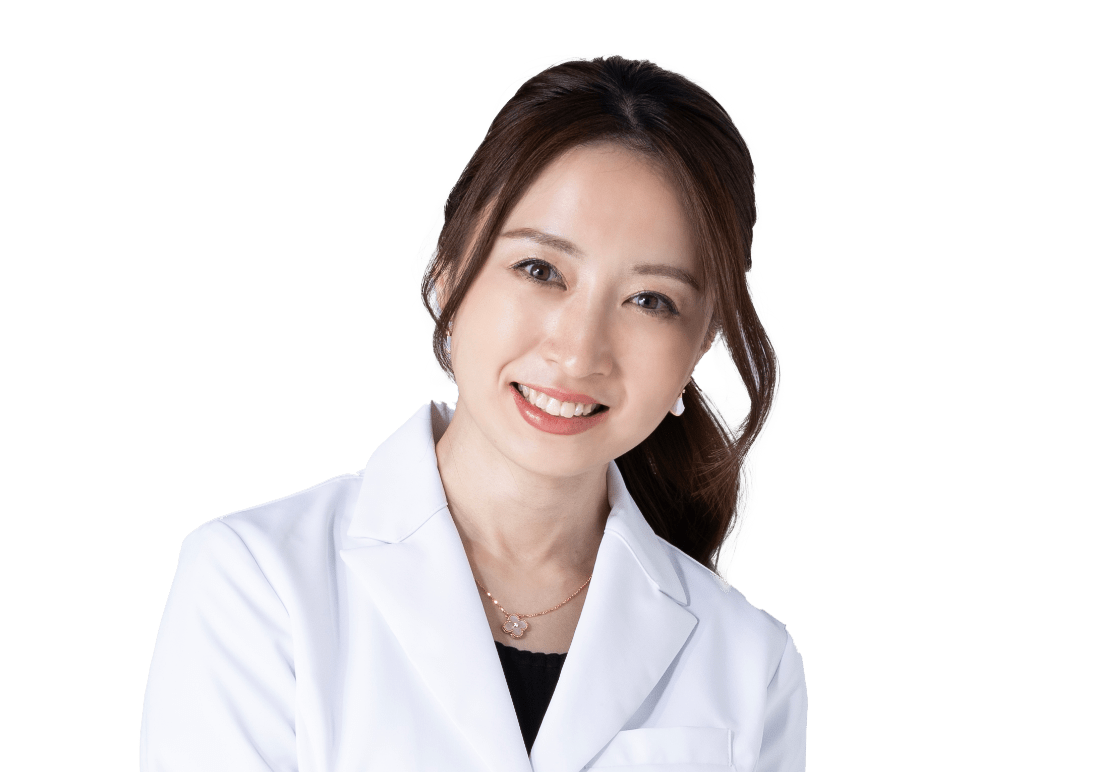
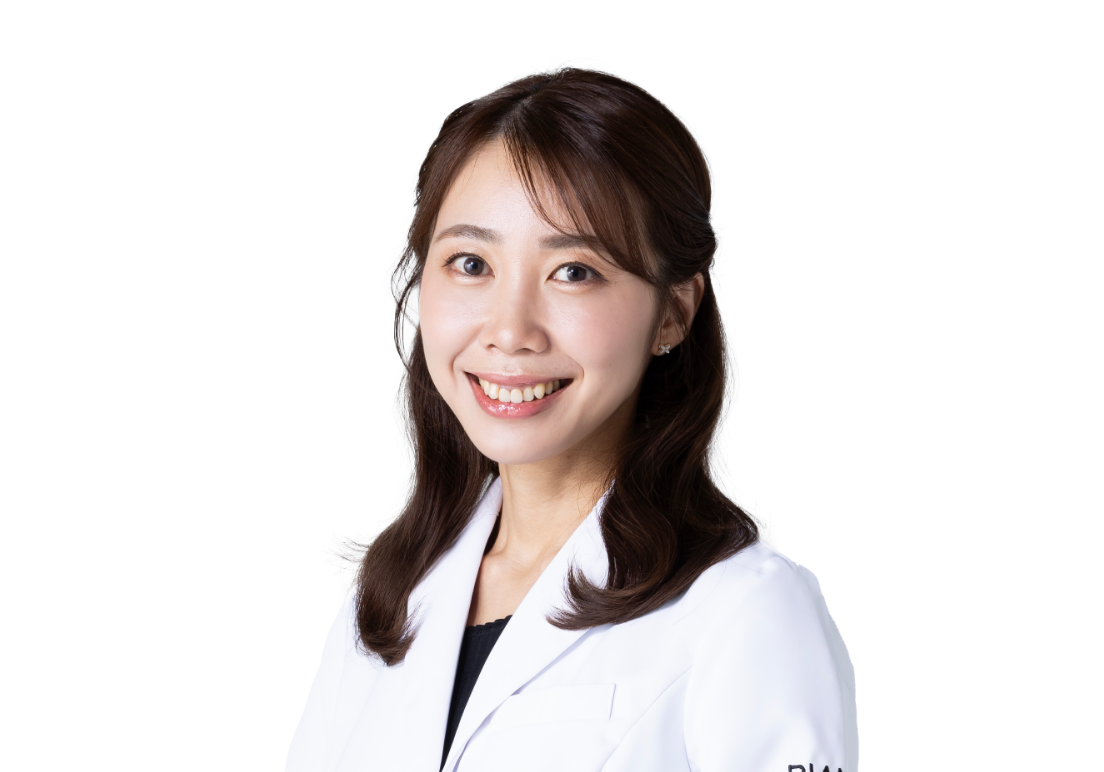
Yoko Maeda
2024.06.05
Dr. Yoko Maeda, Aesthetic Medicine Physician at Bianca Clinic, Explains the Relationship Between Female Hair Loss and Hormones
To maximize your beauty, care for both the inside and outside is essential. We aim to bring advanced anti-aging treatments, such as peptide therapy common overseas, to our Japanese patients. While aesthetic medical approaches may offer more gradual results, they are crucial for building the foundation that supports beauty and youth. We combine nutritional therapy and lifestyle improvements with hormone replacement, peptide therapy, and regenerative medicine to propose personalized treatment plans. We provide long-term support for health and beauty from within.
Did you know that hormones play a role in female hair thinning?
Hello.
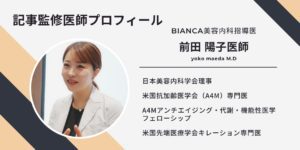
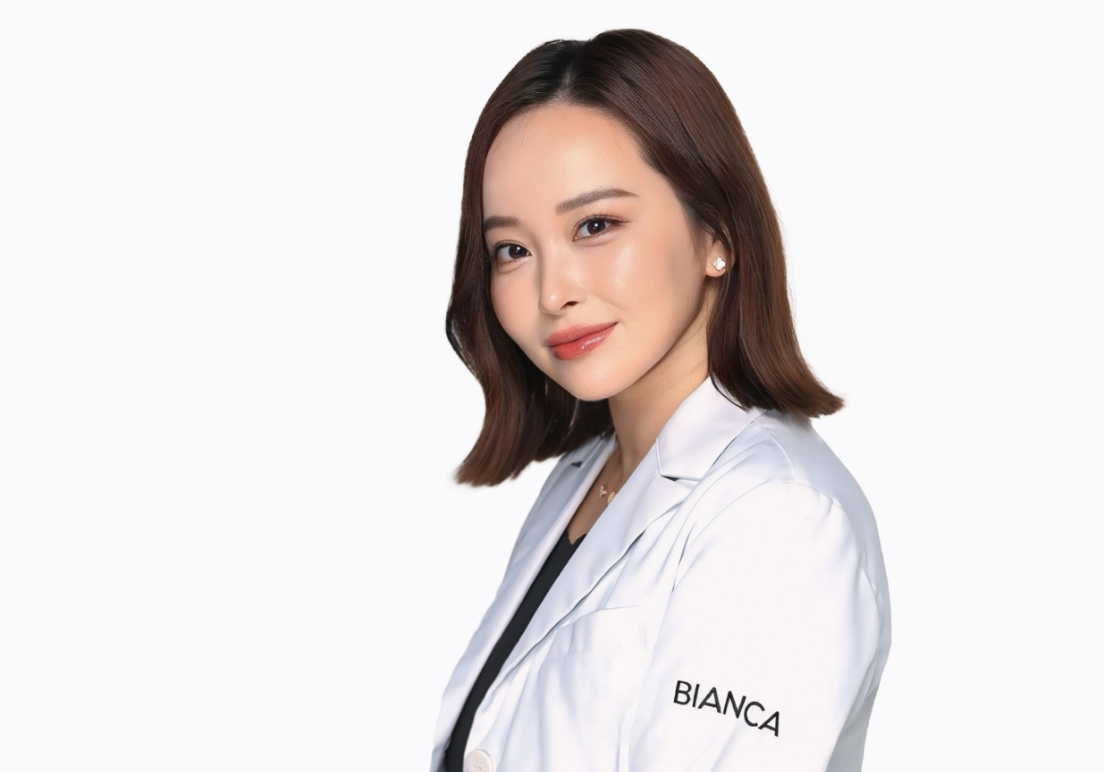
I am Yoko Maeda, Director of Aesthetic Medicine at BIANCA CLINIC.
"Lately, my hair feels thinner," "I feel like I'm losing more hair"—when you notice things like this, you might wonder if it's due to your diet or stress, right?
Of course, nutrition and lifestyle habits are important, but in fact, the balance of hormones within the body—including female hormones—is deeply involved in hair health.
This time, from among themEstrogenとProgesteroneI will talk about.
The Connection Between Estrogen and Hair
Estrogen is also known as the "hormone that creates femininity," and it performs the following functions for hair and scalp:
-
Extend the hair growth phase to promote healthy growth
-
Inhibits the action of DHT, a substance that causes thinning hair
During pregnancy, increased estrogen levels cause hair to become thicker and more lustrous.
On the other hand, a sudden drop in estrogen after childbirth can sometimes cause hair loss known as "postpartum hair loss." This is simply the hormones returning to their original state, and in most cases, it subsides within about a year.
Additionally, when estrogen levels decrease during menopause, it can lead to dryness and itching of the scalp, which may contribute to thinning hair. Therefore, estrogen replacement therapy may be considered as needed.
The Connection Between Progesterone and Hair
Another female hormone, progesterone, is also essential for healthy hair.
Actually, progesterone works to suppress the production of DHT, which causes hair thinning. It's essentially a "hair-protecting hormone."
However, during menopause, after childbirth, or in conditions like polycystic ovary syndrome (PCOS), progesterone levels tend to be insufficient. This can lead to increased DHT production and accelerated hair loss. Particularly in PCOS, this is compounded by elevated male hormone levels, making it more likely to contribute to concerns about thinning hair.
Thus, whether progesterone is functioning properly is also a crucial factor for women's hair.
Summary:Female hair loss and hormones are inextricably linked.
Female hormones significantly influence hair growth patterns and scalp health.
Therefore, in some cases, self-care measures like "changing shampoo" or "getting proper nutrition" alone may not be enough to see improvement. When you start noticing thinning hair, having your hormone levels checked could be the first step toward a solution.
Bianca Clinic'sAesthetic Medicine ClinicWe then assess your physical condition through blood tests and hormone measurements, and propose FAGA treatment tailored to each individual.
If you've been noticing your hair losing volume lately, feel free to come in for a consultation.
Please also see the following▼