column (e.g. in newspaper)
2025.07.02
Stop expression wrinkles with Botox! Stop underarm sweat this time of year!

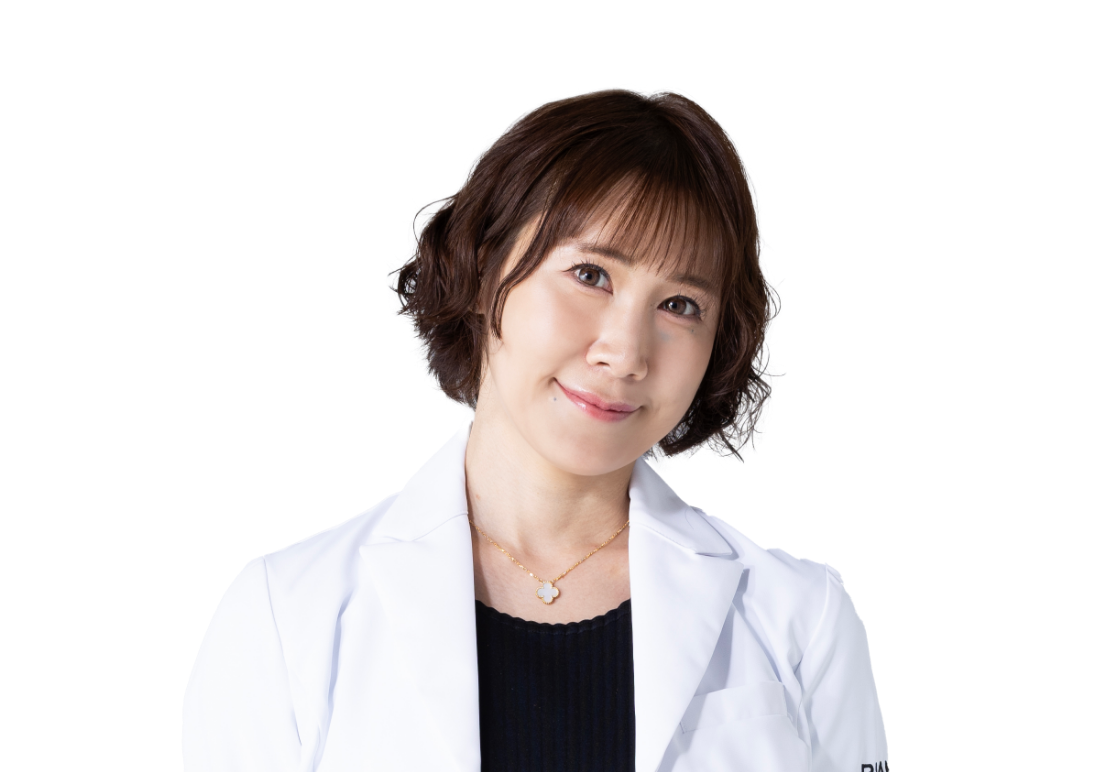
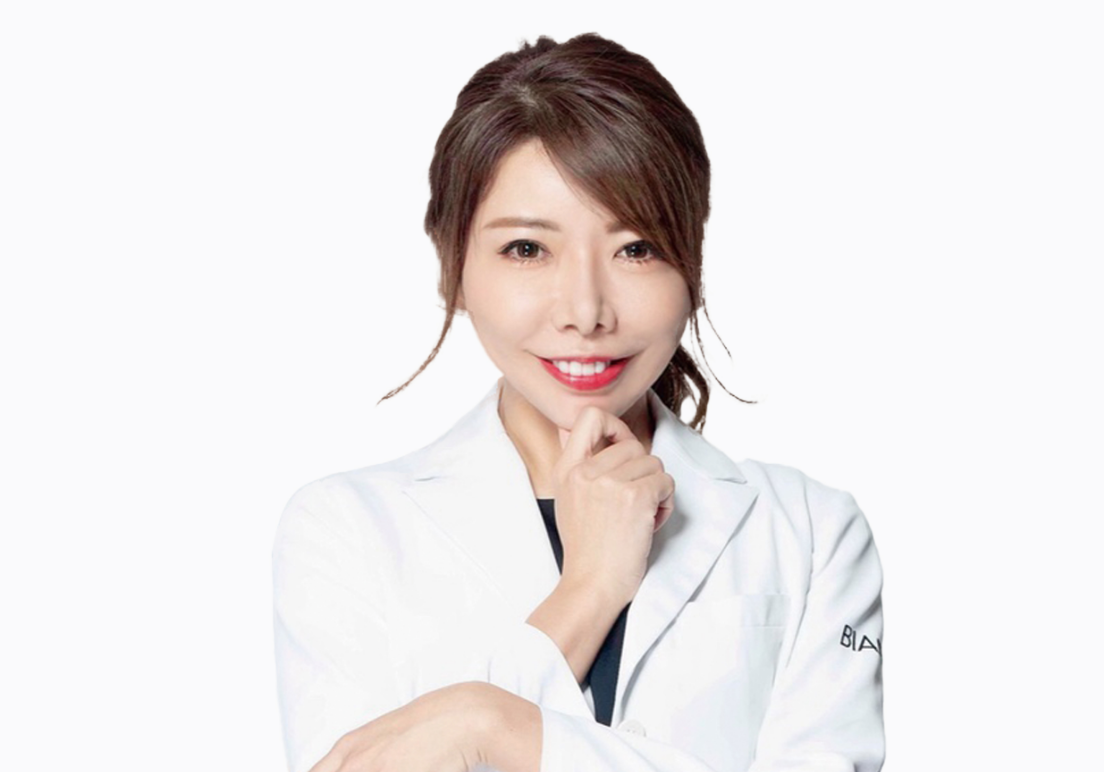
As an Assistant Professor, Associate Ward Director, and Chief of Dermatopathology at the university hospital dermatology department, I deepened my expertise through academic presentations and paper publications both domestically and internationally. I have handled a wide range of treatments, from birthmark therapy in children to adult pigmentation concerns, utilizing various lasers and injection therapies, while also contributing to community healthcare. Through encountering numerous cases, I strongly felt the potential and necessity of aesthetic medicine, resolving to pursue further expertise. Building upon my solid dermatological knowledge and meticulous diagnostic skills, I value treatments that gently support each individual's skin while bringing out its inherent beauty.
Hello, today I'd like to introduce you to Botox.
I am Dr. Aya Hayama, a board-certified dermatologist.

What is Botox?
Have you ever heard of Botox or botulinum toxin?
Clostridium botulinum is an anaerobic bacterium (a bacterium that multiplies in the absence of air) widely found in soil, marshes, lakes, and similar environments.
To give a familiar example, the rule "Do not feed honey to infants under one year old" exists because honey may contain botulinum spores. These spores can germinate in an infant's immature gut, producing a protein called botulinum toxin (botulinum toxin), which can cause infant botulism. Incidentally, the intestines of children over one year old can metabolize it, so it poses no problem.
In other words, this botulinum toxin works by temporarily paralyzing muscle movement or suppressing the secretion of the neurotransmitter (acetylcholine) involved in muscle movement when injected at the junction between muscle and nerve, thereby relaxing muscle tension.
Reading this far, it might sound like a somewhat scary drug, but in neurology, it is used as an insurance-covered treatment to relieve muscle tension in conditions like seizures and cervical dystonia. It is a safe and established therapeutic drug that received approval from Japan's Ministry of Health, Labour and Welfare in 1996.
Botox injections in cosmetic medicine
In cosmetic medicine, Botox injections are used to paralyze muscle movement or relax tension, improving and preventing expression lines that deepen with age. Injecting it into the jawline can help avoid dental issues like teeth grinding while creating a slimmer facial appearance. Additionally, injections in areas like the underarms can stop sweating, making it an essential treatment for some people during this season.
Botox injections for cosmetic purposes were first approved in the United States in 1989. They are now approved in over 80 countries, including the United Kingdom, and in Japan, the Ministry of Health, Labour and Welfare approved their use for cosmetic purposes in 2009.
Currently, Korean-made products and a drug called Coretox, which is less likely to induce the development of antibodies against botulinum toxin through frequent injections, have also appeared.
Effects of Botox Injections, Case Studies
Botox injections are one of the easiest procedures in cosmetic medicine, requiring only an injection. The effects peak 2 weeks to 1 month after a single treatment and typically last 3 to 4 months. As the effects fade with the metabolism of the toxin, it is a reversible treatment—for better or worse. This makes Botox injections a very accessible procedure even for those who "hesitate about surgical procedures involving a scalpel" or are "new to cosmetic medicine."
Treatments for the following areas are especially popular.
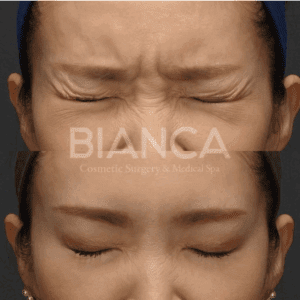
・Reduction of expression lines on the forehead, between the eyebrows, at the corners of the eyes, under the eyes, and the bunny lines (wrinkles between the eyes)
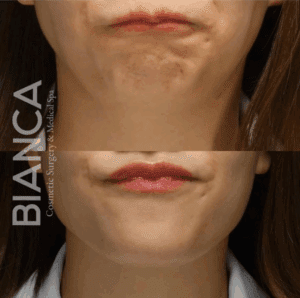
・Reduction of expression lines around the mouth and chin
・Reduced jawline volume due to teeth clenching
For those prone to sunken cheeks, it's recommended to apply only to the outer areas.
・Lifting the corners of the mouth
・Improvement of gummy smile (a condition where more gum tissue is visible than usual when smiling)
・Targeted weight loss for areas like calves and arms
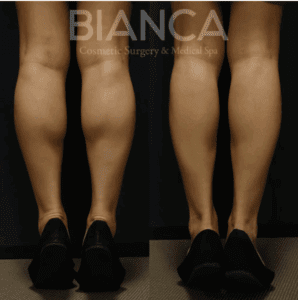
・Shaping the collarbone and décolleté line
・Treatment for hyperhidrosis and body odor
・Suppression of excessive sebum secretion, etc.
Botox injections are a delicate treatment where the final results vary depending on the doctor's skill and experience.
Muscle structure and movement vary from person to person, so even when injecting the same amount using the same technique, the degree of effect differs.
In the unlikely event that the injection volume or site is mistaken, the face may stiffen, resulting in an unnatural appearance around the eyes and across the entire face.
It is also crucial to determine whether Botox injections are an appropriate treatment for the patient.
For patients concerned about forehead wrinkles who also exhibit eyelid drooping or ptosis, careful examination is crucial because Botox injections can sometimes cause eyelid heaviness, leading to headaches or stiff shoulders.
For patients receiving ongoing Botox injections, the same doctor will oversee your care from the initial treatment through regular maintenance sessions, so please feel free to give it a try. If you have specific areas of concern, requesting the same doctor for subsequent visits allows them to tailor the dosage and injection sites based on your individual characteristics, leading to better results.
Here's a personal musing from me, a dermatologist...
Avoid activities that raise your body temperature on the day of treatment, such as exercise, saunas, or long baths, as botulinum toxin breaks down at high temperatures.
It's said that leaving three months between treatments prevents antibodies from forming, so I understand the desire to add one area at a time. Personally, however, I get Botox injections all at once for the forehead, between the eyebrows, around the eyes, the bunny lines, and the chin—before expression lines become etched.
Also, according to a book* I recently read, it seems that zinc deficiency makes it less effective.
(It is true that many people with conditions like alopecia areata show signs of deficiency when tested through blood sampling, even if it doesn't directly cause hair loss.)
We recommend starting to take supplements 5-7 days prior.
Additionally, moving the area you want to target after the injection is said to enhance the effect.
*『BTx TUNING: Facial Muscle Adjustment with Botulinum Toxin』 Author:Nishida Miho Nishida Makoto
BTx TUNING: Facial Muscle Tuning with Botulinum Toxin | Kakuseido Publishing
Botox Injections | Japan's Leading Clinic for Aesthetic and Regenerative Medicine | BIANCAGINZA