column (e.g. in newspaper)
2025.08.09
Stem cell culture supernatant and exosomes show promising results for female pattern hair loss.

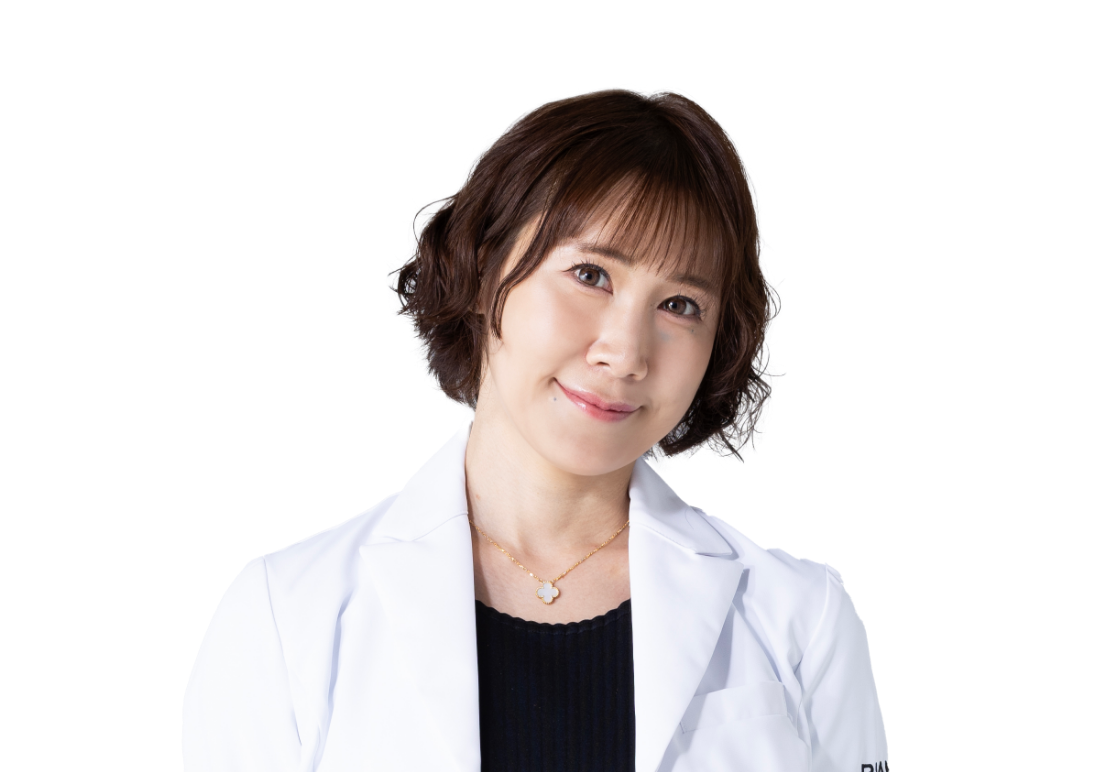
As an Assistant Professor, Associate Ward Director, and Chief of Dermatopathology at the university hospital dermatology department, I deepened my expertise through academic presentations and paper publications both domestically and internationally. I have handled a wide range of treatments, from birthmark therapy in children to adult pigmentation concerns, utilizing various lasers and injection therapies, while also contributing to community healthcare. Through encountering numerous cases, I strongly felt the potential and necessity of aesthetic medicine, resolving to pursue further expertise. Building upon my solid dermatological knowledge and meticulous diagnostic skills, I value treatments that gently support each individual's skin while bringing out its inherent beauty.
Why not try treating female pattern hair loss with local injections of purified and concentrated stem cell culture supernatant or exosomes?


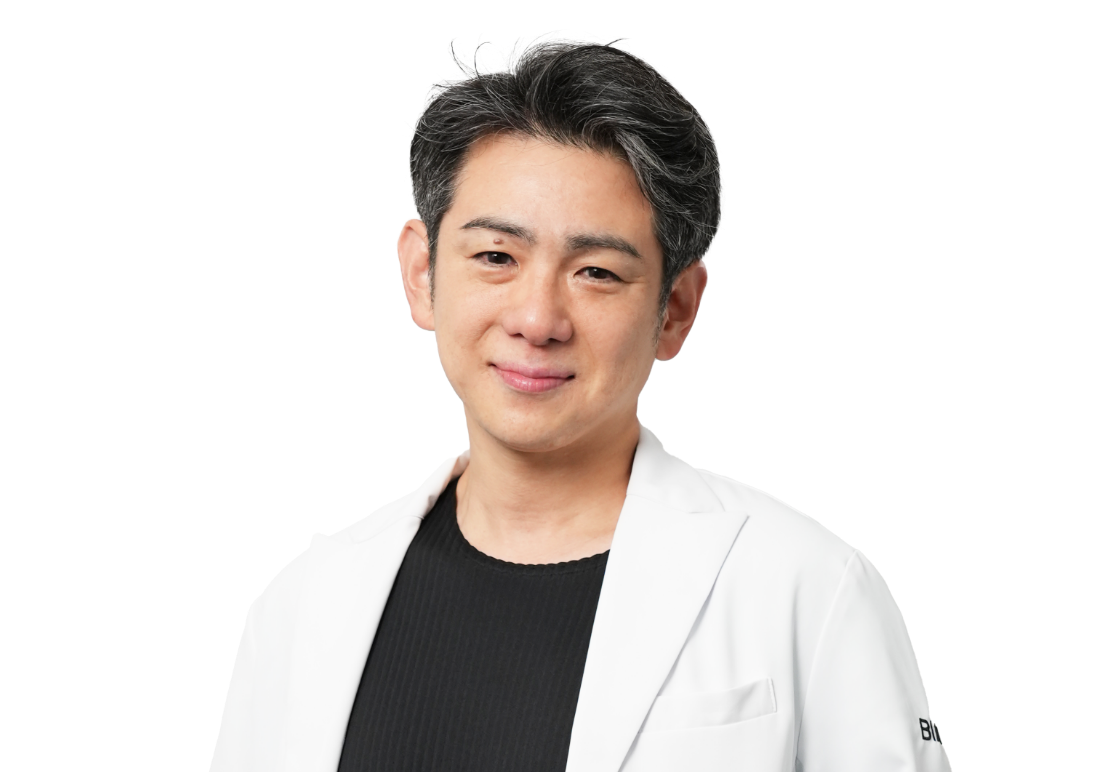
I am Dr. Aya Hayama, a board-certified dermatologist.
Hair loss encompasses many conditions: diffuse hair loss seen in hypothyroidism or collagen diseases, alopecia areata linked to atopic dermatitis or stress, and conditions requiring differential diagnosis like DLE or Celsus alopecia.
While some conditions diagnosed in dermatology clinics have identifiable names and are treatable, female pattern hair loss (FPHL or FAGA) is a chronic, progressive type of thinning hair seen in women. Although it shares similarities with male pattern hair loss (AGA), its symptoms, causes, and progression patterns differ.
Female Hair Loss
Female pattern hair loss (FAGA), thought to be caused by a decrease in female hormone secretion, is characterized by an overall reduction in hair volume.
Female pattern hair loss (FAGA) differs from male pattern baldness (AGA), which causes concentrated thinning in specific areas like the forehead or crown. With FAGA, the hairline at the forehead tends to remain intact, while thinning occurs more broadly across the scalp, often starting at the crown and causing the parting to widen. Hair density decreases overall, leading to a general thinning effect. Women often notice a loss of volume rather than excessive shedding, and frequently report a loss of hair strength and resilience (normally, 60-100 hairs shed daily). Each hair follicle has a distinct life cycle, repeating phases of growth (anagen), shedding (catagen), and rest (telogen).
The causes include having family members with similar symptoms, decreased estrogen levels, differences in sensitivity to DHT (dihydrotestosterone), blood flow, reduced activity of hair matrix cells, stress, and lifestyle habits, among others.
Treatment options include topical minoxidil 1-5% solution, estrogen replacement therapy, and lifestyle improvements, similar to men. However, we recommend two specific treatments at our clinic!!
Purified and Concentrated Stem Cell Culture Supernatant
One of the recommended treatments at BIANCA CLINIC isPurified and concentrated stem cell culture supernatant is injected into the scalp.By doing so, the regenerative factor acts on the hair matrix stem cells, promoting hair growth, regrowth, and thickening effects.
All donors are Japanese women. The product contains no animal-derived components that could cause allergic reactions and has passed various infectious disease and pathogen tests.

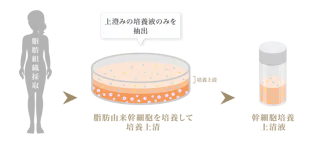
Stem cell therapy is a regenerative medicine currently attracting attention for its effectiveness in regenerating aged cells and damaged tissues. Stem cells can differentiate into the cells and tissues of various organs, making them a focus for health and anti-aging treatments. They are also used in hair loss treatments.
During the process of culturing extracted stem cells and activating their proliferation, hundreds of types of humoral factors (growth factors, immune modulators, anti-inflammatory factors, neurotrophic factors, etc.) are released into the culture medium. This culture supernatant, rich in cytokines (regenerative factors), promotes the activation of cells weakened by aging and stimulates hair matrix stem cells, thereby enhancing hair growth, regrowth, and thickening effects.
Our FAGA treatment utilizes the BellaVita hydra-injection system to automatically deliver uniform injections throughout the scalp. What sets BellaVita apart from other hydra-injection systems is its use of patented needles.
Using a patented 32G 9-pin needle equipped with a disposable suction filter increases vacuum pressure, preventing backflow of blood from the inserted needle into the main unit and enabling precise injection. Furthermore, its low-noise and high-vacuum pressure design reportedly causes less pain and bleeding compared to other injectors. The suction function adheres the skin, ensuring injection at the precise depth.
https://biancaclinic.jp/treatment_category/p_regenerative-medicine/regenerative_medicine/aga/
Another treatment isExosomeInjecting directly into the scalp or administering an IV drip.
Exosome
Exosomes are also an advanced ingredient gaining attention not only in beauty but also in health and medical fields. Systemic administration via intravenous infusion is expected to deliver a wide range of benefits, including reduced post-procedure downtime, recovery from chronic fatigue, improved sleep, relief from joint pain, and enhanced concentration. Additionally, localized injections into specific areas can suppress skin inflammation while also offering cosmetic approaches such as improving dark spots and wrinkles, and addressing thinning hair. The appeal of exosome therapy lies in its ability to address not only skin quality improvement but also various physical and mental concerns.
Please consider trying local injections for hair removal treatment.
https://biancaclinic.jp/treatment/skin-care/freckles/exosome/
Here's a personal musing from me, a dermatologist...
Personally, I use shampoo and conditioner containing stem cells as part of my daily hair care routine.
If you're interested, please feel free to ask!