column (e.g. in newspaper)
2025.09.05
Causes and Treatment Methods of Hair Loss

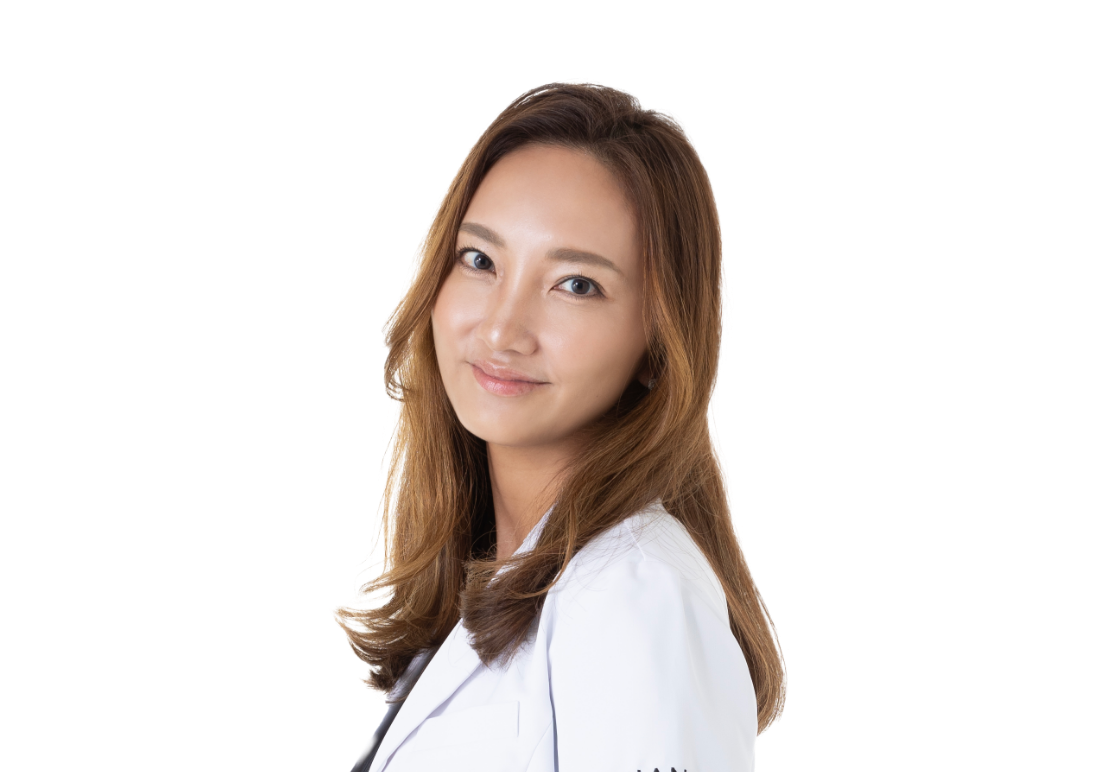
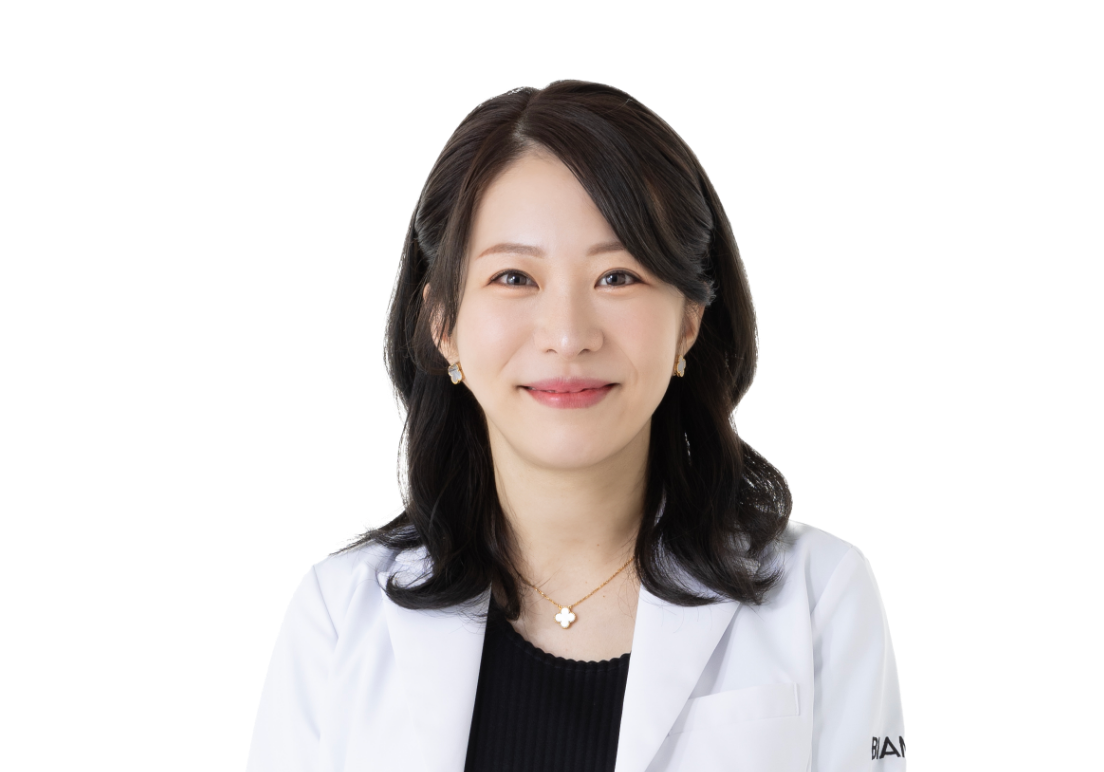
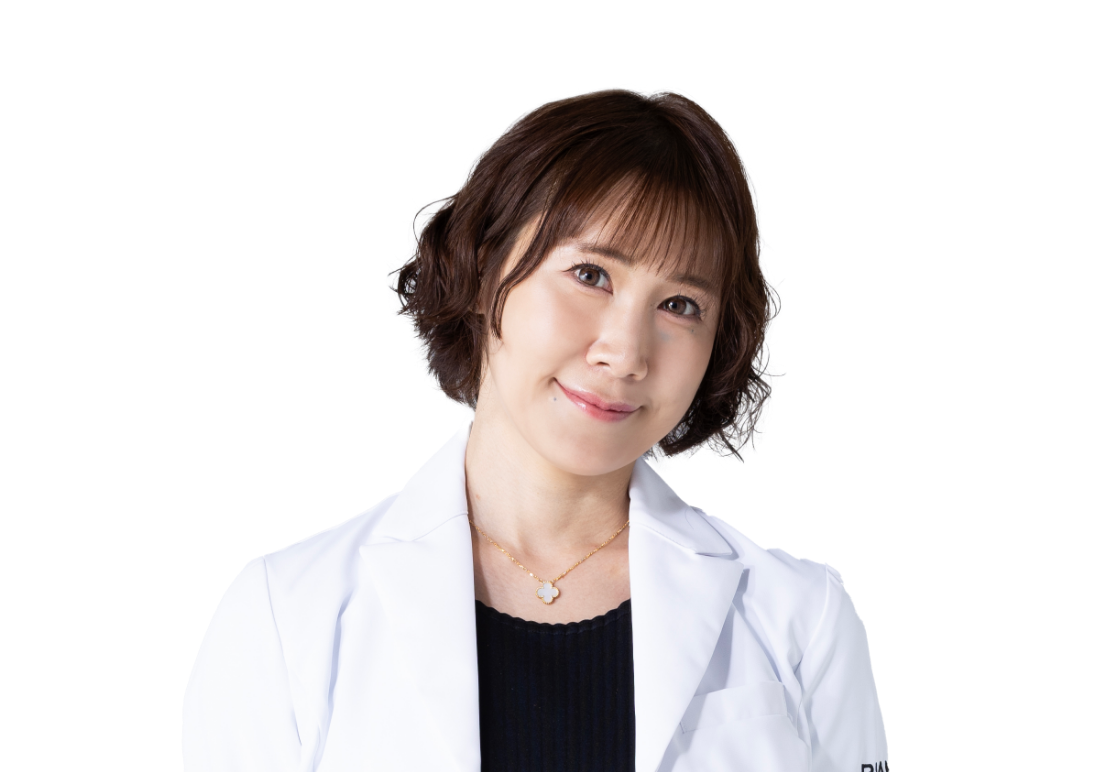
As an Assistant Professor, Associate Ward Director, and Chief of Dermatopathology at the university hospital dermatology department, I deepened my expertise through academic presentations and paper publications both domestically and internationally. I have handled a wide range of treatments, from birthmark therapy in children to adult pigmentation concerns, utilizing various lasers and injection therapies, while also contributing to community healthcare. Through encountering numerous cases, I strongly felt the potential and necessity of aesthetic medicine, resolving to pursue further expertise. Building upon my solid dermatological knowledge and meticulous diagnostic skills, I value treatments that gently support each individual's skin while bringing out its inherent beauty.
Hair loss can have various causes, such as being a symptom of illness, occurring with age, or being seasonal.
As we recently featured it on our news program, we'd like to share it here as well.

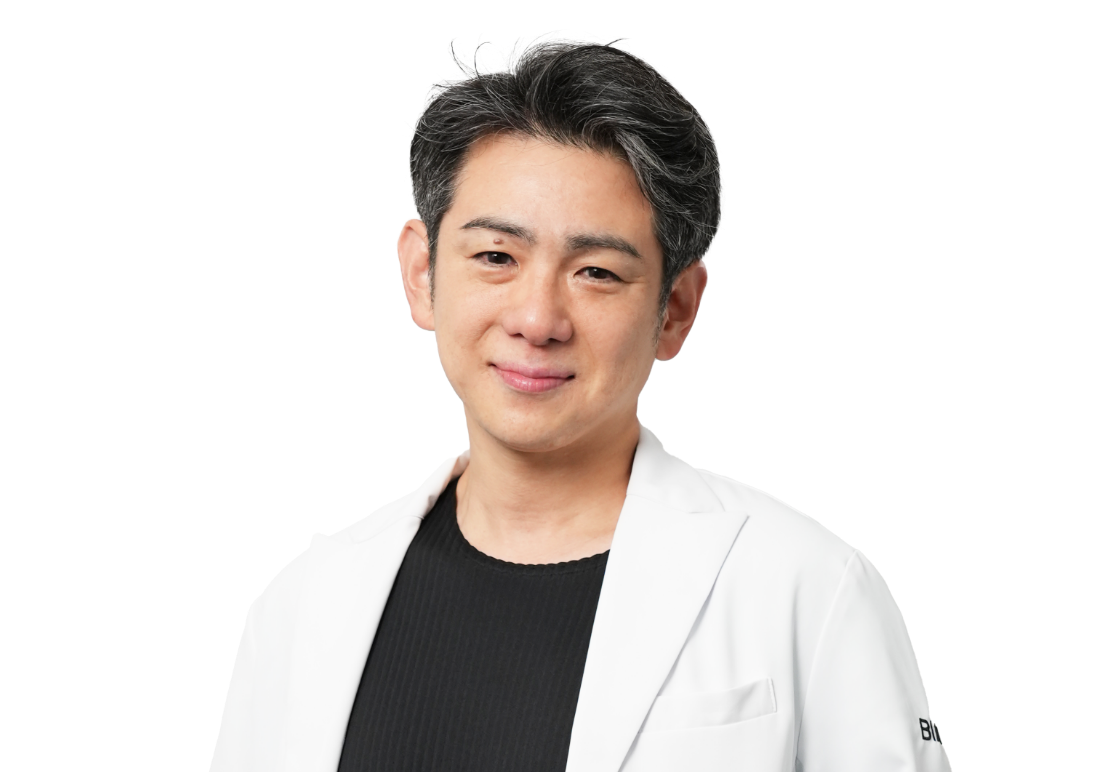
I am Dr. Aya Hayama, a board-certified dermatologist.
Scalp hairHair growth cycleThere is such a thing.
The hair matrix cells in the hair follicle actively divide, causing the hair to grow.growth periodAbout 80% of my hair is in this condition.
The period when growth ceases, the hair root shrinks, and detaches from the hair papillaRegression phaseHair growth stops and lasts for 2-3 weeks.
The period when hair follicles completely cease activity and await sheddingTelogen phaseApproximately 10% of the scalp is in this condition.
Finally, the stage where old hair sheds and new hair begins to grow.Telogen phase。
※Body hair also has a hair growth cycle, so lasers do not react to hair in the resting phase. Hair removal treatments must be scheduled according to the hair growth cycle. Since the laser reacts to pigment, please do not pluck or remove hair before treatment. Shaving is acceptable.
The hair growth cycle on the scalp is said to last 4 to 6 years.
Autumn Hair Removal
It is said that we naturally lose 50 to 100 hairs per day, but in autumn, hair loss increases, with some reports indicating up to 150 to 200 hairs may fall out.
UV damage, excessive sebum production due to heat, and increased bacteria growth may cause damage.
The stress on the body from summer heat and nutritional deficiencies caused by summer fatigue prevent proper nourishment from reaching the scalp.
Hair exists primarily to protect the body, so during periods of high UV exposure, the growth phase lengthens to shield the scalp. Come autumn, as the cycle returns to normal, hair becomes more prone to shedding.
It is said that...
Countermeasures
Sun protection measures throughout the summer, including hats, parasols, and sunscreen spray.
First, gently comb through your hair with a brush. Then, rinse it lightly with warm water before thoroughly washing it with shampoo. When washing, use the pads of your fingers instead of your nails, and be sure to rinse thoroughly.
Hold the dryer 20 cm away, and be sure to dry your hair thoroughly, as damp hair can also promote the growth of bacteria.
Zinc deficiency can sometimes cause hair loss, so be sure to maintain a balanced diet and a stress-free lifestyle.
AGA
Next, regarding age-related hair loss.
Male-pattern baldness is caused by the influence of male hormones.
When testosterone, a male hormone, is reduced by type II 5α-reductase, it becomes dihydrotestosterone (DHT). DHT binds to receptors in hair follicles, gradually shrinking the follicles and causing them to produce vellus hair instead of terminal hair, ultimately leading to hair loss.
Finasteride inhibits only Type II (predominantly found in the scalp and prostate), while dutasteride inhibits both Type I and Type II (found in the scalp, sebaceous glands, and throughout the body). Therefore, dutasteride can reduce DHT more broadly, making it more potent. Its inhibition rate is also stronger, suppressing DHT more effectively than finasteride, which achieves 60-70% inhibition, whereas dutasteride achieves over 90%.
Both are strongly recommended in the Japanese Dermatological Association's guidelines (AGA 2022 edition).
Additionally, minoxidil demonstrates efficacy in both male-pattern hair loss and female-pattern hair loss, promoting vasodilation, extending the growth phase, and facilitating the transition from the resting phase to the growth phase.
Generally, a 5% concentration for men and a 1-2% concentration for women are recommended for one to two days.
Oral minoxidil therapy is also available, but it carries a high risk of side effects and is not approved in Japan. Therefore, it should not be taken by individuals with cardiovascular disorders, kidney disease, or liver disease. Additionally, there have been reports of heart failure due to chronic cardiac strain from long-term use.
Additionally, treatments such as Prurial Hair Densify, Botox (based on recent research), cooling stimulation with Target Cool, and injections of stem cell supernatant (particularly adipose-derived) and exosomes have also demonstrated effectiveness.
Past Blog on Female Pattern Hair Loss ↓
https://biancaclinic.jp/blog/44084/
Hair loss as a medical condition
However, hair loss can sometimes be a symptom of an underlying medical condition.
・Alopecia areata, diffuse alopecia areata, serpiginous alopecia, total alopecia
・Diffuse hair loss associated with hypothyroidism
・Diffuse hair loss associated with collagen diseases such as SLE, and hair loss associated with discoid erythema
Treatment varies depending on the diagnosis, so please visit a dermatologist.