column (e.g. in newspaper)
2025.09.06
What is Nanostem, and how does it differ from PRP and exosomes?
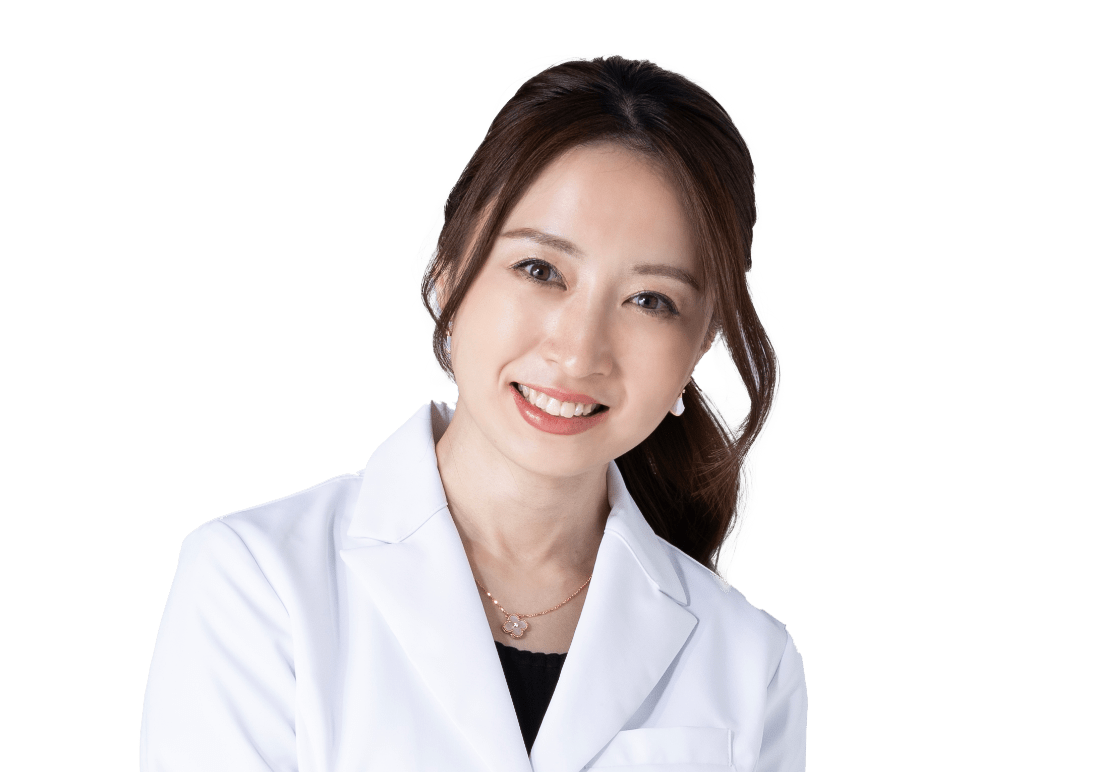
As an Assistant Professor, Associate Ward Director, and Chief of Dermatopathology at the university hospital dermatology department, I deepened my expertise through academic presentations and paper publications both domestically and internationally. I have handled a wide range of treatments, from birthmark therapy in children to adult pigmentation concerns, utilizing various lasers and injection therapies, while also contributing to community healthcare. Through encountering numerous cases, I strongly felt the potential and necessity of aesthetic medicine, resolving to pursue further expertise. Building upon my solid dermatological knowledge and meticulous diagnostic skills, I value treatments that gently support each individual's skin while bringing out its inherent beauty.
Many people may be confused about nanostems, exosomes, PRP, and other terms, so I'd like to explain nanostems and compare them.

I am Dr. Aya Hayama, a board-certified dermatologist.
What is Nanostem?
This treatment utilizes nanofat (microscopic cells) extracted from the patient's own adipose tissue to promote skin regeneration.
This liquid fat is obtained by emulsifying fat harvested from areas such as the thighs and abdomen through repeated transfer between two syringes, then filtering out large fat particles and fibrous tissue. It contains a high density of stem cells and growth factors, making it useful for skin regeneration. Furthermore, it includes mesenchymal stem cells, vascular cells, and immune cells. These cells release additional growth factors, cytokines, and exosomes, promoting skin regeneration.
Therefore, this treatment is also called autologous exosome therapy.
Unlike conventional fat grafting, this is a fundamental anti-aging technology designed to regenerate the skin.
NanoStem Therapy at Our Clinic
Our clinic offers an anti-aging treatment combining Dermapen 4 and Nanofat. We apply the Nanofat to areas of concern, such as wrinkles or loss of firmness and radiance. Then, using Dermapen 4, we create micro-channels in the skin with ultra-fine needles. This promotes collagen regeneration and skin turnover, aiming to improve overall skin quality.
The nano-fat used in NanoStem is purified from fat harvested from your own body, removing impurities. Compared to conventional methods, nano-fat is characterized by its superior fat quality and enhanced safety.
Fat harvested through liposuction is often injected into the breasts or face, but we offer combination treatments using the Dermapen 4.
After treatment, you can expect enhanced skin firmness and radiance, and it's a convenient way to incorporate anti-aging care alongside liposuction. It can also improve acne scars, wrinkles, skin depressions, and enlarged pores.
Our clinic is a certified facility of the Japan Medical Adipose Stem Cell Research Association CRF.
https://biancaclinic.jp/medical-spa/skincare/nanostem/
Differences from exosomes and PRP
Regenerative medicine therapies often compared to nanostems include exosome therapy and PRP (platelet-rich plasma) therapy. Below is a comparison of their differences.
Exosomes are
Exosomes are nanoscale vesicles (diameter 30-150 nm) secreted by stem cells, containing proteins, mRNA, and miRNA, and responsible for intercellular communication.
One key feature is that it does not use stem cells themselves, making it relatively safe.
One disadvantage is that cooperation may not be as strong as with nanostems.
What is PRP?
The procedure involves collecting the patient's own blood, concentrating the platelets, and injecting them. The goal is to promote wound healing and skin regeneration through the growth factors released by the platelets.
One key feature is its high safety profile, as it is derived from the patient's own blood.
The disadvantage is that its regenerative capacity is weaker than that of nanostems or exosomes.
NanoStem (NanoFat) + Stem Cells
Contained in nanofat extracted from one's own fatStem cells, growth factors, exosomeswill be used.
Key features include long-term regenerative capacity (lasting over six months), high safety due to being self-organizing, and potent efficacy. All three can be fully utilized.
The disadvantage is that it requires fat harvesting, making it somewhat more invasive.
After comparing the above, why not consider including it as one option?