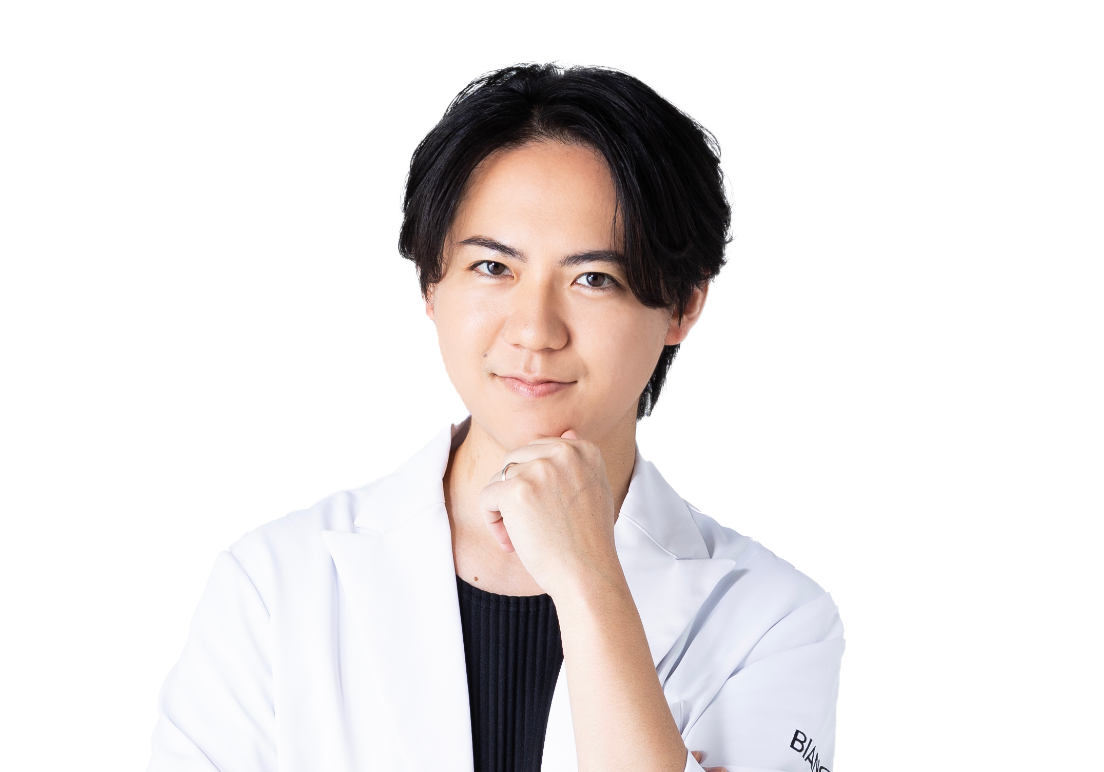
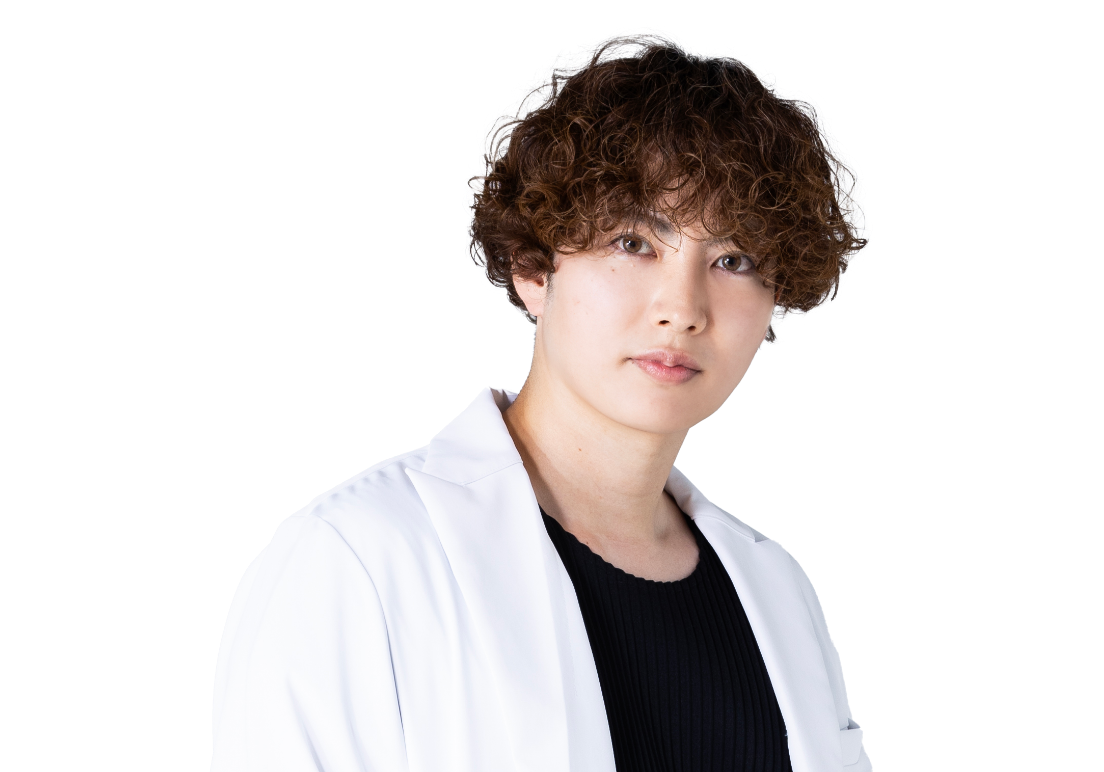
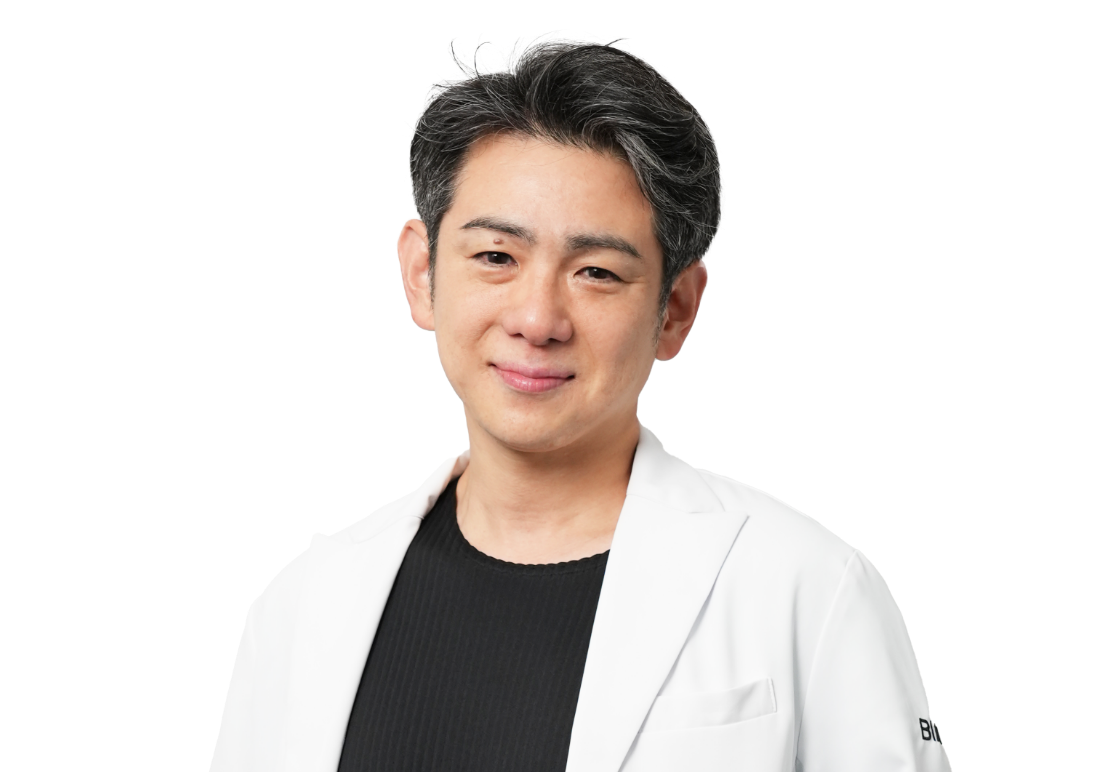
Masataka Fujihashi
2025.12.27
What is "Contracture" After Rhinoplasty? | Causes, Progression, and Treatment Approach
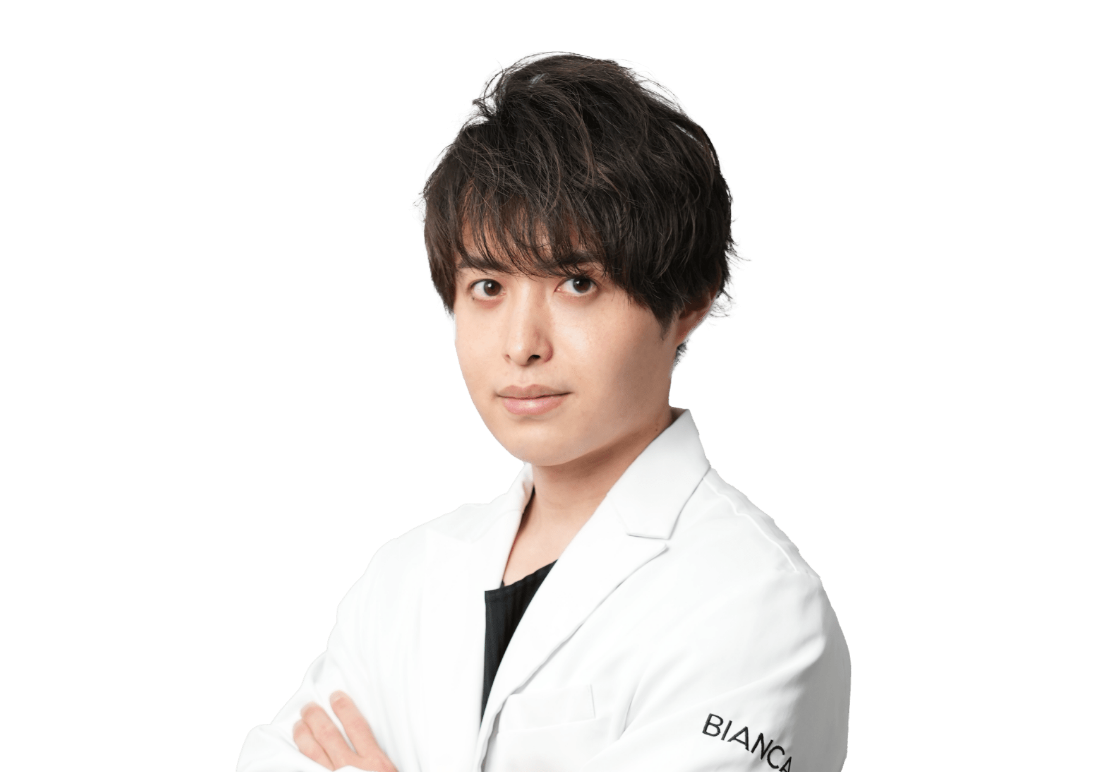
As a plastic surgeon certified by the Japanese Society of Plastic and Reconstructive Surgery, I have been involved in many cases of trauma, reconstruction, and congenital diseases, and have cultivated precise techniques and a deep understanding of anatomy. He entered the field of cosmetic surgery out of a desire to bring the power of cosmetics to his patients, as a change in one's appearance can also make one's mind more positive. Her specialties include general treatment of the eye area, injections, and sagging skin. I provide treatments that focus on beauty with the medical stance of "sincerely addressing the ideals of the patient.
Hello!
Designing natural beauty with trust.
I am Masataka Fujihashi, a board-certified plastic surgeon.
After rhinoplasty, some time later,
"My nose feels stiffer." "I feel like the tip of my nose has gotten shorter."
Some people express this sense of discomfort.
What may be happening in the background iscontractureis.
Contracture is a significant issue that greatly affects not only appearance but also the difficulty of revision surgery.
⸻
■ What is contracture?
Contracture refers to the tightening of tissue caused by inflammation or scarring that occurs after surgery.A condition where soft tissue becomes hard and contractedrefers to.
Scar tissue has a tendency to contract over time, and if this progresses, it can alter the shape of the nose itself.
The nose, in particular, is an area prone to contracture due to its thin skin and delicate structure.
⸻
■ Symptoms observed when contracture progresses
As contracture progresses, the following changes may occur:
The tip of the nose is lifted upward, making the nose appear shorter—what is commonly referred to asshort nose deformity。
The entire nose feels stiff and unresponsive to facial expressions.
A change where the skin on the tip and bridge of the nose becomes reddish and gradually thins.
In some cases, artificial materials such as silicone or Gore-Tex may become visible or exposed.
These are signs of significant contracture progression, and early intervention is crucial.
⸻
■ Primary Causes of Contracture
Several factors overlap to contribute to the background of contracture.
One isScarring due to repeated surgeriesis.
With each additional surgery, normal soft tissue is lost and replaced by highly contractile scar tissue.
Also,Postoperative infectionやChronic inflammationIt also becomes a major trigger.
Small, inconspicuous abscesses or redness can sometimes lead to contracture over the long term.
Furthermore,synthetic materials such as silicone and Gore-TexChronic foreign body reactions may promote contracture by forming thick scar capsules.
Among Asians, including Japanese individuals, many cases involve thin skin, making them more susceptible to these effects.
⸻
■ Early Signs
Contractures do not develop suddenly.
In the early stages, you may notice changes such as persistent redness and warmth at the tip of the nose, small pimples that don't go away, and hard lumps that can be felt on the nasal tip or bridge.
At this stage, you may feel that your nose has become slightly shorter.
Recognizing things early on broadens your options later.
⸻
■ Risk of Recurrence and Material Selection
The risk of contracture recurrence is significantly influenced by the surgical technique and choice of materials.
Autologous tissues such as auricular cartilage and costal cartilage carry a relatively low risk of recurrence because they do not cause a foreign body reaction and are less likely to interfere with blood flow restoration.
On the other hand, artificial implants tend to increase the risk of chronic inflammation and recurrent contracture when reused. However, not all cases pose a problem.
⸻
■ Approach to Preventing Contractures
While it is difficult to completely eliminate contracture, the risk can be significantly reduced through careful planning during the initial surgery.
Avoid excessive detachment to preserve blood flow。
Without relying on artificial objects,As much as possible with our own organizationConstructing the support structure.
Thorough postoperative managementand not cause infection or chronic inflammation.
This accumulation leads to long-term stability.
⸻
■ Summary
Contracture is a significant complication that may develop over time following rhinoplasty.
When the skin is hardened, achieving an ideal shape becomes difficult, making the timing and method of revision surgery critically important.
Rather than repeatedly making superficial fixes, a treatment approach that prioritizes structure and blood flow is key to preventing recurrent contractures.
⸻
Reservations can be made here.
Complete your reservation in 60 seconds ▼
https://reservation.medical-force.com/b/d7bb811e-ebd5-4b93-93f8-588864b24f15
⸻
【Profile】
Masataka Fujihashi, MD, Plastic Surgeon
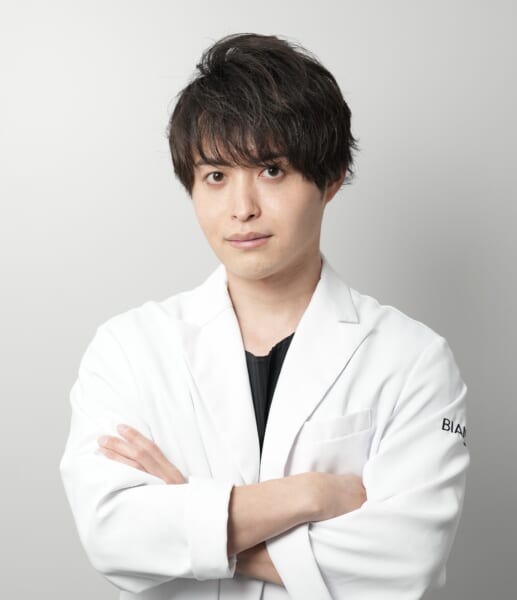
Leveraging expertise as a board-certified plastic surgeon, I offer comprehensive facial cosmetic procedures including eyelid and nose surgery, facial liposuction, thread lifts, and hyaluronic acid injections. From incisional surgeries and revision procedures requiring delicate design to minimally invasive injections and lifts with minimal downtime, I strive to provide treatments tailored to each patient's ideal outcome.
We are dedicated to achieving natural results and minimizing downtime, pursuing medical care that leaves you feeling confident in your choice through sincere consultations.
Designing natural beauty with trust.
We cherish that sentiment and apply it to our daily practice.
Read other blog posts ▼
https://biancaclinic.jp/author_cat/fujihashi/
【SNS】
Instagram ▶︎ https://www.instagram.com/dr_fujihashi?igsh=MTEzOW1sc3p3bGFibA%3D%3D&utm_source=qr
X ▶︎ https://x.com/dr_fujihashi?s=21
【Career】
March 2015: Graduated from the School of Medicine, Showa University
April 2015 Showa University Yokohama Northern Hospital Initial Clinical Training
April 2017 Showa University Hospital Department of Plastic Surgery
October 2017 Maebashi Red Cross Hospital Plastic Surgery / Cosmetic Surgery
April 2019 Nishio Municipal Hospital Plastic Surgery Department
April 2020 Showa University Fujigaoka Hospital Plastic Surgery Department
November 2020 Ota Nishinouchi Hospital Plastic Surgery / Cosmetic Surgery
July 2022 Tokyo Rosai Hospital Plastic Surgery / Cosmetic Surgery Department Head
July 2022: R.O.clinic (Part-time), Kusano Taro Clinic (Part-time)
April 2024 Deputy Director, Ginza TA Clinic
November 2025 BIANCA CLINIC
【Professional Affiliations and Qualifications】
Japanese Society of Plastic and Reconstructive Surgery Board-Certified Plastic Surgeon
Member of the Japanese Society of Aesthetic Plastic Surgery (JSAPS)
Member of the Japanese Society of Aesthetic Surgery (JSAS)