Hamra law
HAMRA METHODCombined treatment of fat transfer and skin laxity removal targets stubborn dark circles and wrinkles
- Cosmetic surgery procedures targeting shadow dark circles caused by uneven skin texture
- For those concerned about "indentations" during fat removal or "excess skin" with the Hamra technique
- A single treatment delivers long-lasting results, maintaining a smooth, flat appearance around the eyes.

As a board-certified plastic surgeon by the Japanese Society of Plastic and Reconstructive Surgery, he has been engaged in a wide variety of periocular surgeries at university hospitals. Based on his solid anatomical knowledge and suturing skills, he is in charge of a wide range of surgeries around the eyes including sub-brow incisions and blepharoplasty incisions, as well as hyaluronic acid injections, Botox injections, and thread lifts. We also accept insurance coverage for droopy eyelids and inner eyelashes. We value natural and elegant results, and are known for our attentive counseling that attends to the patient's feelings.
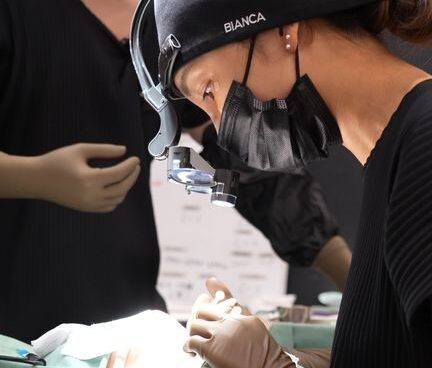
Specialists well-versed in the structure of the eye area perform the procedures.
The Hamra procedure is a delicate and highly technical surgery, where the surgeon's knowledge, experience, and aesthetic judgment significantly impact the final result. At Bianca Clinic, our team includes highly knowledgeable and experienced plastic surgeons and oculoplastic surgeons. We provide customized treatment plans tailored to the structure of your eye area, skin texture, and lifestyle. The same surgeon will oversee your care from consultation through surgery and follow-up, ensuring you can entrust your procedure to us with confidence.
Downtime
DOWNTIMERecommended for people like this
RECOMMENDED FOR:Features
CHARACTERISTICSThe Hamra Method
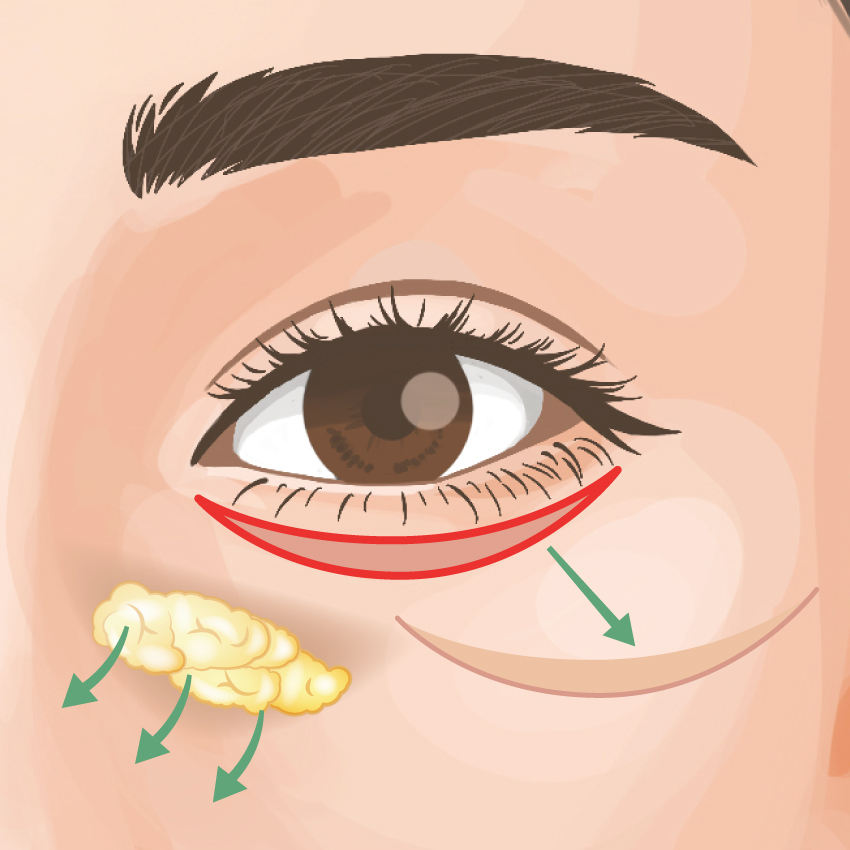
The Hamra procedure is a cosmetic surgery treatment designed to reduce the appearance of under-eye bags and dark circles.
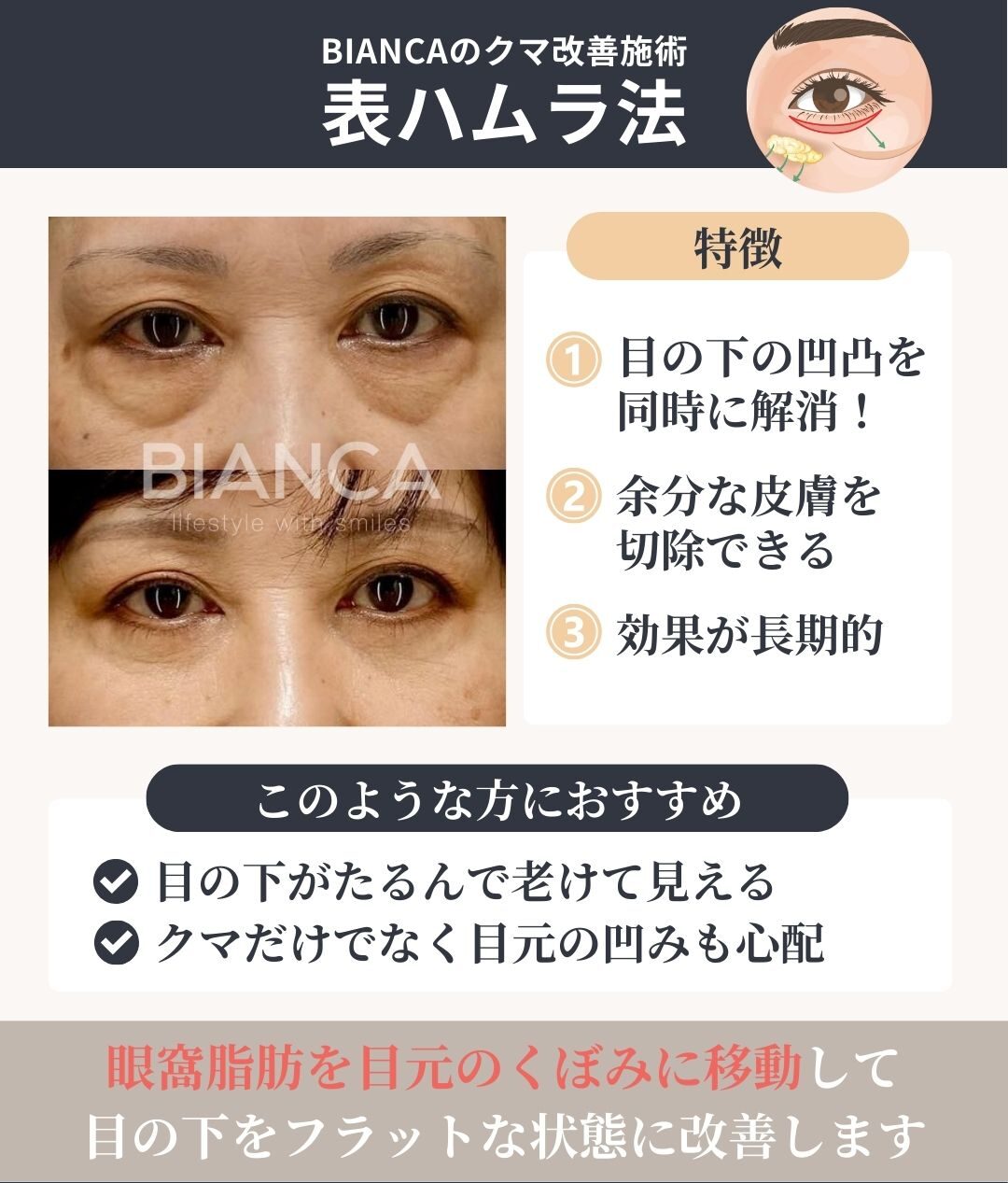
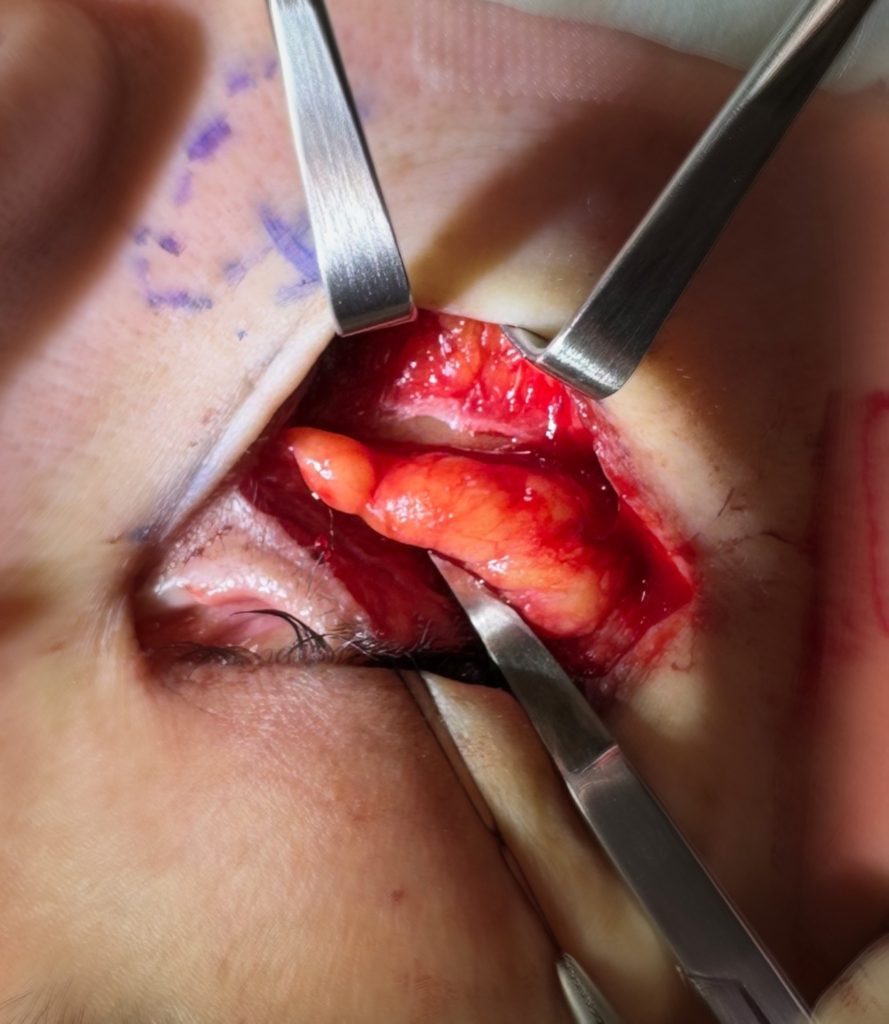
Rather than simply removing protruding orbital fat caused by aging or skeletal structure, we reposition it into the hollows to create a smoother eye contour. This procedure involves making an incision under the eye, making it suitable even for those with significant sagging or excess skin. It is also characterized by its natural-looking results and long-lasting effects.
What is the difference between the Hamra method and liposuction? Who is it recommended for?
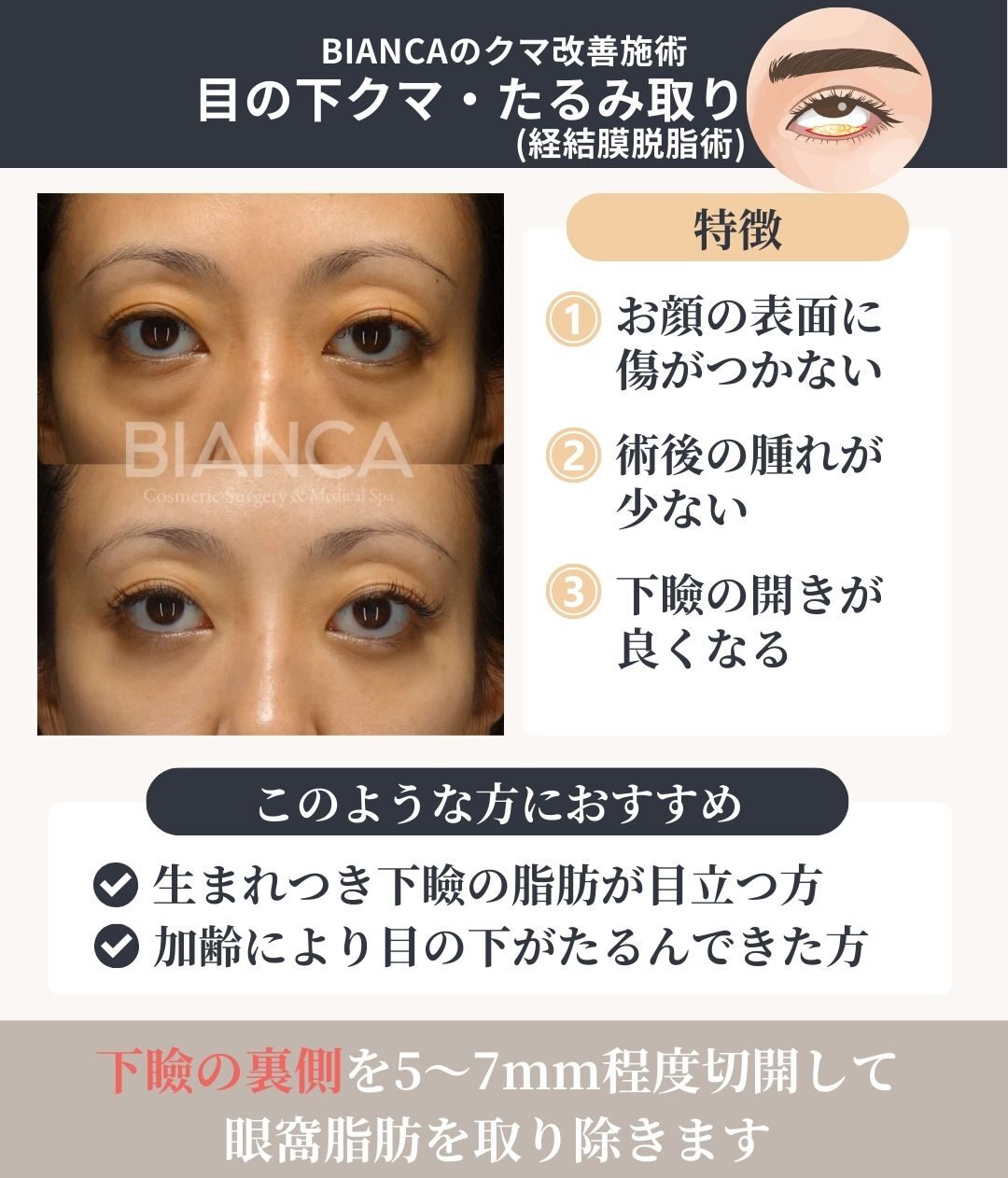
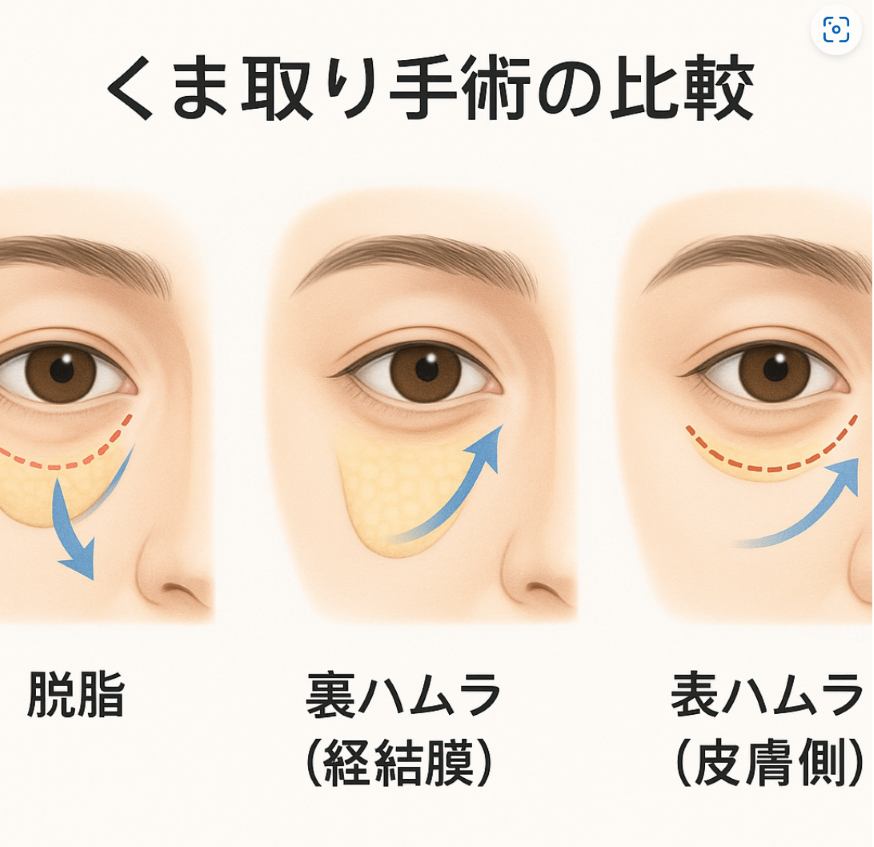
The key difference between the Hamra method and transconjunctival fat removal (fat removal) lies in how orbital fat is handled. Fat removal is a procedure that removes bulging fat, making it effective for dark circles caused by fat. However, removing too much fat can conversely lead to hollows and an aged appearance.
On the other hand, the Hamra method can address both bulges and hollows by relocating fat to the sunken areas. It is often suitable for individuals with significant skin laxity or those concerned about age-related dark circles under the eyes. Conversely, transconjunctival fat removal is frequently appropriate for younger patients primarily bothered by fatty bulges.
Thoroughly monitor the downtime and risks associated with the Hamra procedure
The Hamra method involves making an incision on the skin surface and performing a wider area of dissection, so downtime tends to be slightly longer than with fat removal. Swelling and bruising may occur for about 1 to 2 weeks after surgery. At Bianca Clinic, doctors with advanced techniques in eye area treatments and deep anatomical knowledge perform the procedures, striving to minimize downtime.
In very rare cases, there is a risk of complications such as asymmetry, contracture, or hallux valgus. We will thoroughly explain these possibilities during your preoperative consultation. We also provide dedicated postoperative care and follow-up support, so please feel confident in visiting our clinic.

Benefits
MERITTackling stubborn sagging and dark circles in middle age and beyond
The Hamra method allows simultaneous fat transfer and removal of sagging skin. It is suitable for treating dark circles in middle-aged and older individuals where skin laxity becomes pronounced with aging.
The Hamra method flattens the eye area for a natural, youthful finish.
By redistributing fat rather than removing it, this approach is expected to minimize the risk of worsening hollows. For those seeking a flat, natural-looking eye area.
The Hamra method carries a low risk of recurrence and offers long-term effectiveness.
The Hamra method, being a surgical approach, offers long-lasting results. While individual outcomes vary, the effects can persist for over 10 years.
Recommended Features
RECOMMENDED POINTSIs the Hamra method truly optimal? Determining its suitability is crucial.
The Hamra procedure offers highly effective results for dark circles and sagging around the eyes, but it may not be the optimal choice for everyone. At Bianca Clinic, we carefully examine each patient's fat distribution, skin laxity, and skeletal balance to thoroughly assess suitability before proposing the most appropriate treatment. To prevent post-operative regret, the doctor's accurate judgment and thorough consultation are essential. If you have any concerns or questions while considering treatment, please feel free to ask during your consultation.
Scarring and Downtime After Hamra Surgery
The Hamra method involves making an incision in the skin under the eyes, so many people worry about whether the scars will be noticeable, in addition to post-operative swelling and bruising. For most people, bruising subsides within 10 days after surgery, and swelling becomes less noticeable within about 1 to 2 weeks.
Regarding scars, please rest assured that they will become less noticeable over time.
Bianca Clinic employs board-certified plastic surgeons renowned for their exceptional suturing techniques. Under their guidance, our other doctors continuously refine their skills. We strive for meticulous, uncompromising procedures down to the finest details to ensure satisfaction for those who prioritize the final result.
What kind of bear are you? The cause of bears varies from person to person.
There are three main types of bears.
Dark circles: Caused by shadows forming around the eyes due to the bulge of orbital fat.
Purple Bear: Due to thin skin, the orbicularis oculi muscle and blood vessels become visible.
Brown bear: Caused by pigmentation
In reality, most cases involve a combination of multiple types of acne. At Bianca Clinic, we determine your specific type during the consultation and then recommend treatments tailored to your symptoms.
We offer a variety of options, including surgical procedures such as "transconjunctival fat removal," "Hamra method," "reverse Hamra method," and "Condense Rich Face (CRF)," as well as injectable treatments like "baby collagen" and "hyaluronic acid."
Video
MOVIETreatment area
TREATMENT AREADark circles, sagging, puffiness under the eyes
Treatment Process
CONTENT OF TREATMENTDoctor-led counseling
The doctor will assess the condition of your under-eye area (such as puffiness, hollows, or sagging) and discuss your current concerns to determine if the Hamra procedure is suitable for you. Please feel free to ask any questions you may have about the procedure itself, associated risks, downtime, potential side effects, or costs.

Design Marking
The doctor will mark the areas of concern for under-eye sagging and the locations where fat will be transferred.
The amount and position of orbital fat vary from person to person, so we determine which areas to remove fat from and how much to remove for each individual patient.
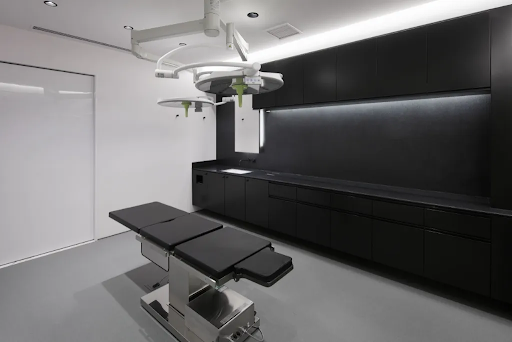
Hamra procedure
At Bianca Clinic, we use topical eye drops and local anesthesia during Hamra procedure surgery. For patients concerned about pain, intravenous sedation or relaxation anesthesia can also be combined. Please consult with us.
The average duration of Hamra procedure surgery at our clinic is approximately 90 minutes, though this varies by individual. You may shower on the day of surgery and apply makeup the day after suture removal.
Suture removal
Suture removal is scheduled for one week after surgery. If there are no issues with the incision site, you may resume wearing contact lenses and applying eye makeup. Please feel free to consult us if you have any concerns.

Schedule of Charges
PRICE LIST| Treatment Details | Standard rate |
|---|---|
| Hamra law | ¥602,580 |
Dr. Yagasugi, the supervising surgeon, has different surgical fees than those listed above.
Appointments specifically requesting Dr. Yagasugi incur an initial consultation fee of ¥5,500. For details, please contact the clinic.

Lifestyle Beautyis
proposed.
Our goal is to move you beyond satisfaction.
Responding to the desire for greater beauty and health,
What can we do for the well-being of our patients?
Providing total beauty to make your life shine,
That is our policy.
Go to BIANCA and you'll find a smile.
That's the kind of place we're aiming for.
Recommended products for this concern
RECOMMENDED PRODUCTS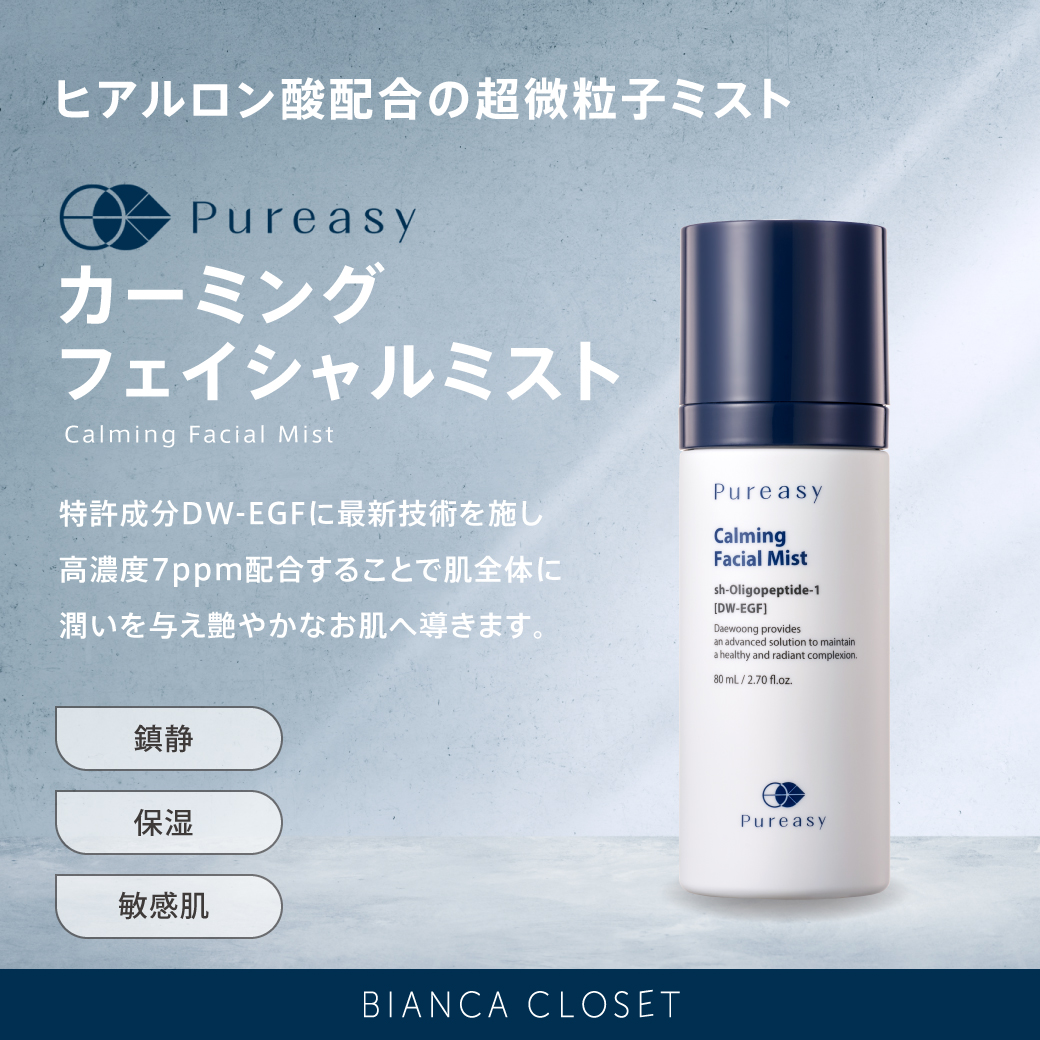


Frequently Asked Questions About the Hamra Method
Q&AHow long does the downtime (swelling and bruising) last after the Hamra procedure?
Individual results may vary, but noticeable swelling typically subsides within 1 to 2 weeks, and bruising usually resolves within about 2 weeks. However, it may take several months for the swelling to completely disappear.
Does the Hamra procedure require suture removal after surgery?
The Hamra procedure requires suture removal after surgery. At Bianca Clinic, suture removal is typically performed one week after the Hamra procedure.
When can I start wearing contact lenses after Hamra surgery?
You may resume wearing contact lenses once the wound has fully settled after suture removal. Wearing contact lenses before the wound has healed may worsen swelling or bruising, or lead to infection. If you experience any discomfort or pain while wearing contact lenses, discontinue use immediately and contact our clinic.
What is the difference between the Hamra method and liposuction?
The Hamra procedure and transconjunctival fat removal (transconjunctival fat pad removal) are both surgeries designed to reduce the appearance of under-eye bags and dark circles, but they differ in how they handle fat. Transconjunctival fat removal actually removes orbital fat, whereas the Hamra procedure aims to improve bags and dark circles by moving and repositioning the fat.
What is the difference between the Hamra method and the reverse Hamra method?
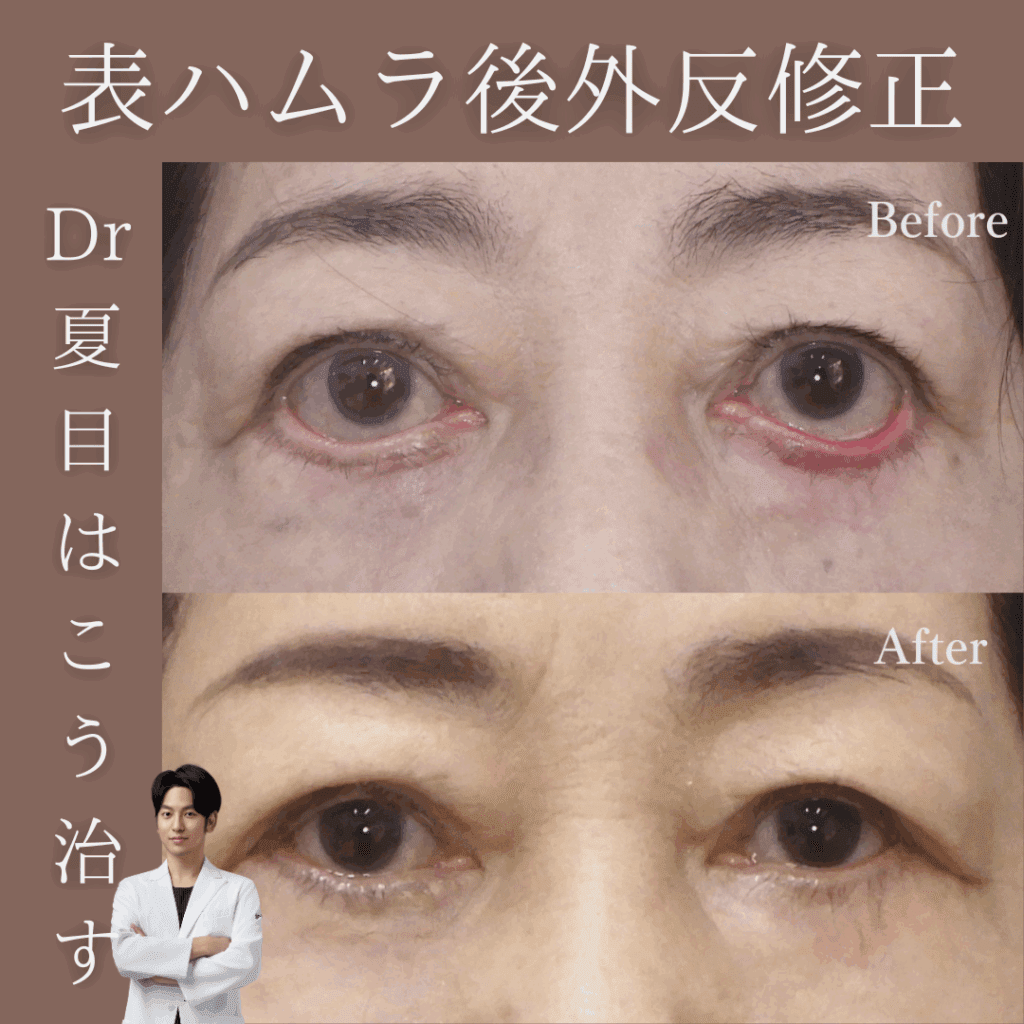
The main differences between the external Hamra method and the internal Hamra method are the incision location and whether skin is removed. The external Hamra method involves making an incision on the surface (skin) of the lower eyelid, allowing excess skin to be removed if necessary. Conversely, the internal Hamra method involves making an incision on the inner surface (conjunctiva) of the lower eyelid, so excess skin is not removed.
Will the tear trough disappear after Hamra surgery?
Bianca Clinic's Hamra method may preserve or create tear troughs by adjusting the suture placement when fixing the orbicularis oculi muscle. Please share your preferences during consultation, such as "I want plump tear troughs like celebrities" or "I'd rather eliminate my tear troughs."
What risks and complications are possible after Hamra surgery?
The open Hamra method carries risks of complications such as asymmetry, contracture, and hallux valgus. At Bianca Clinic, we strive to accurately assess suitability and perform procedures with meticulous care. We provide thorough support, including post-operative aftercare and guidance on managing downtime, to help prevent complications.
Is there a chance that dark circles or sagging will recur after Hamra surgery?
Individual results may vary, but the effects of the Hamra procedure are said to last over 10 years. By properly repositioning the orbital fat, it helps prevent the recurrence of under-eye bags and dark circles. However, due to aging and lifestyle habits, the possibility of sagging reappearing is not zero.
Continue long-term care for the eye area even after Hamra procedure surgery.
Related Articles
BLOG
Procedure: Hamra Method
Estimated treatment period and number of sessions: Typically 1 session ※May vary depending on the condition.
Risks and Side Effects: Numbness, swelling, edema, bruising, infection, hematoma, contracture, rarely asymmetry, recurrence, etc.