column (e.g. in newspaper)
2024.02.25
Supplements for Anti-Aging Care! A Cosmetic Dermatologist Explains “Inner Care” for Those in Their 30s and Beyond
To maximize your beauty, care for both the inside and outside is essential. We aim to bring advanced anti-aging treatments, such as peptide therapy common overseas, to our Japanese patients. While aesthetic medical approaches may offer more gradual results, they are crucial for building the foundation that supports beauty and youth. We combine nutritional therapy and lifestyle improvements with hormone replacement, peptide therapy, and regenerative medicine to propose personalized treatment plans. We provide long-term support for health and beauty from within.

Supplements are one option for anti-aging care.
Especially for those in their 30s and 40s, this is a time when they often start noticing age-related “subtle changes” like feeling more easily fatigued or experiencing dry skin.
At times like these, incorporating supplements wisely could be an investment in your future self.
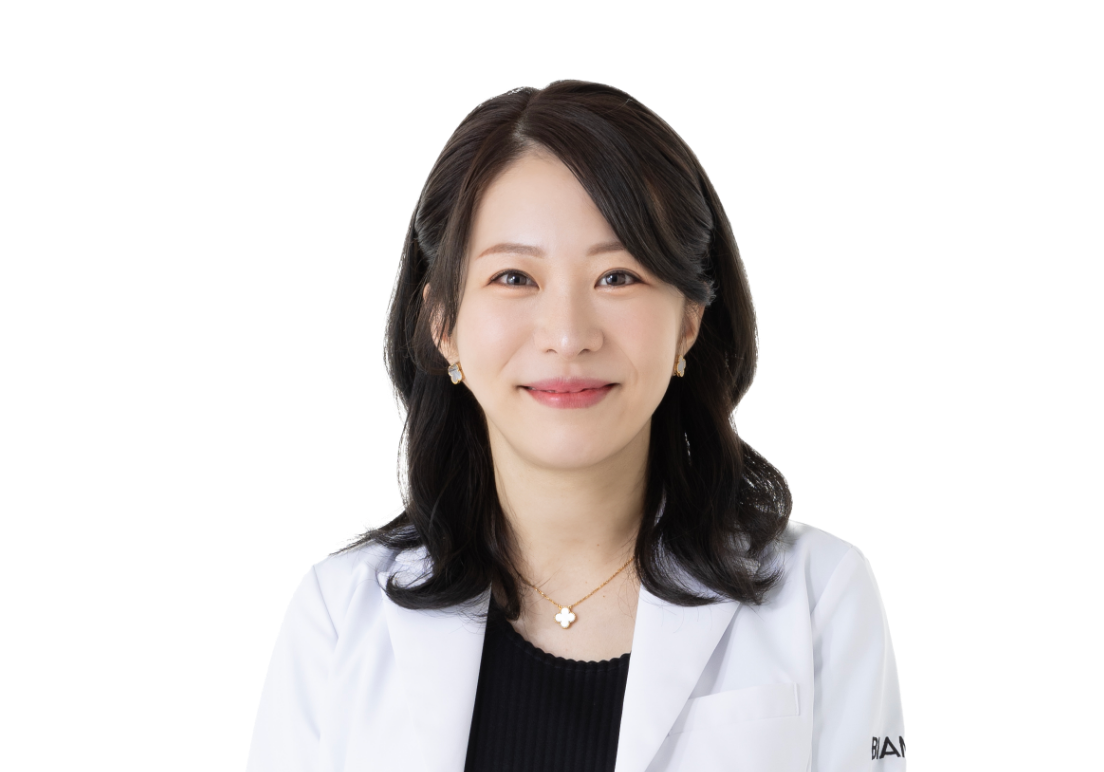
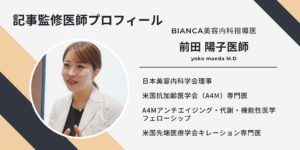
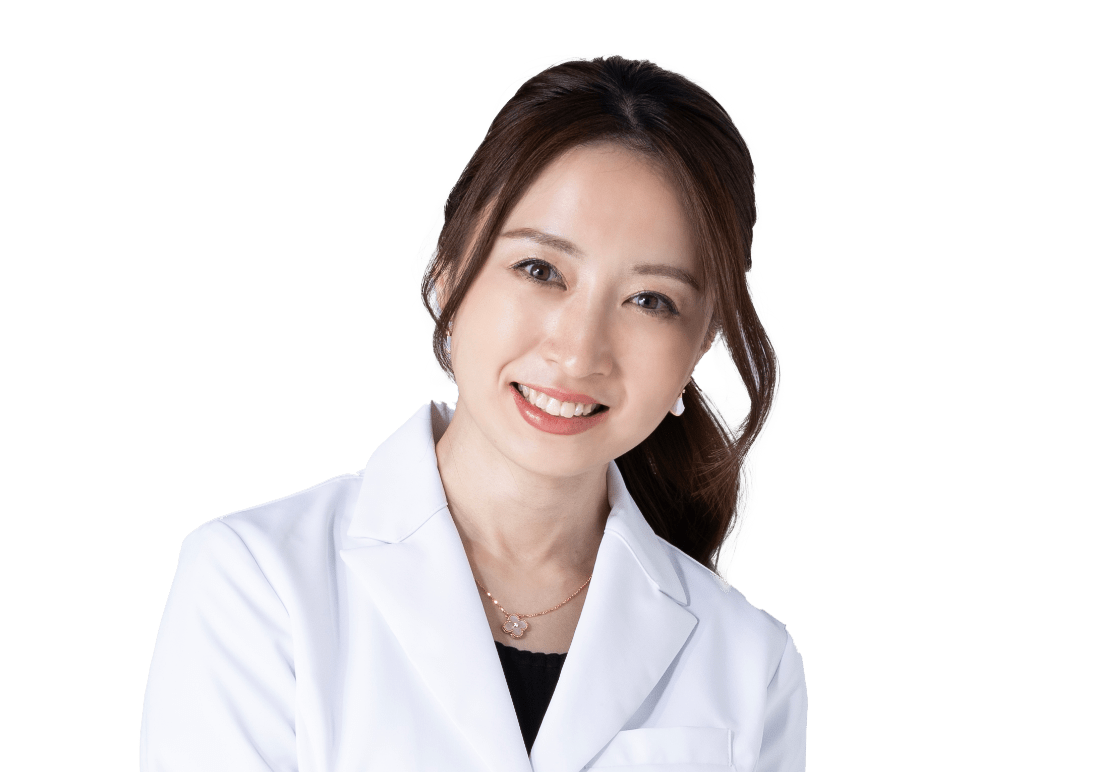
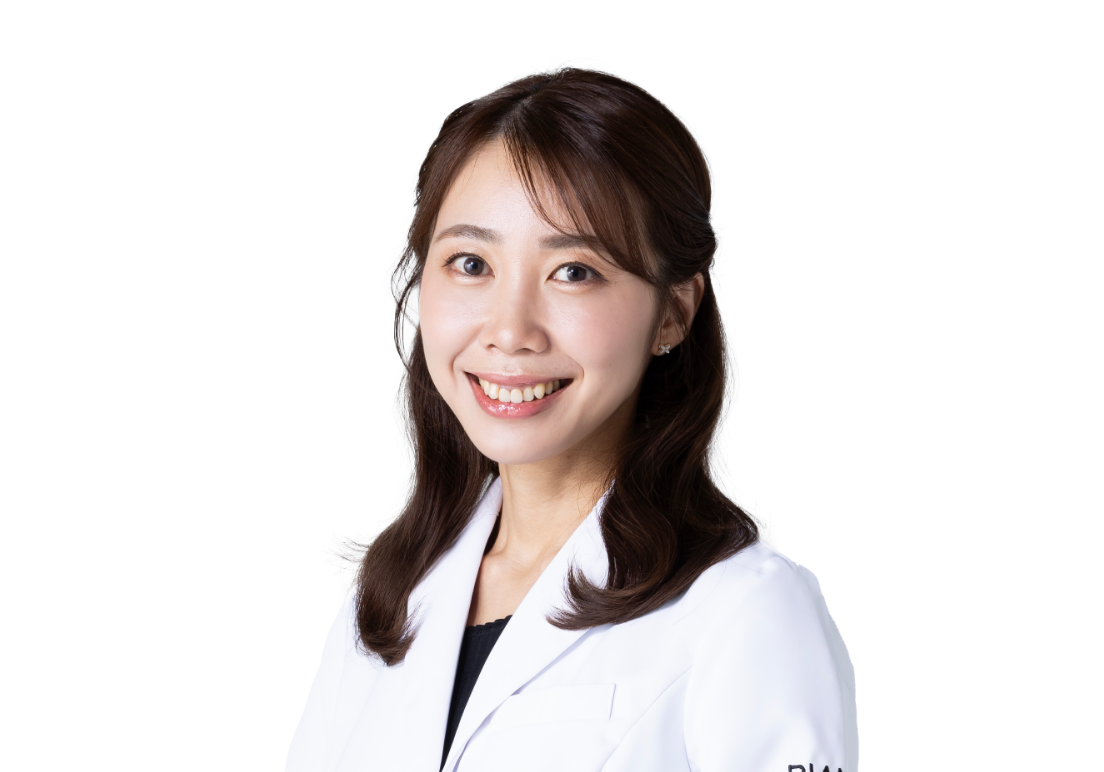
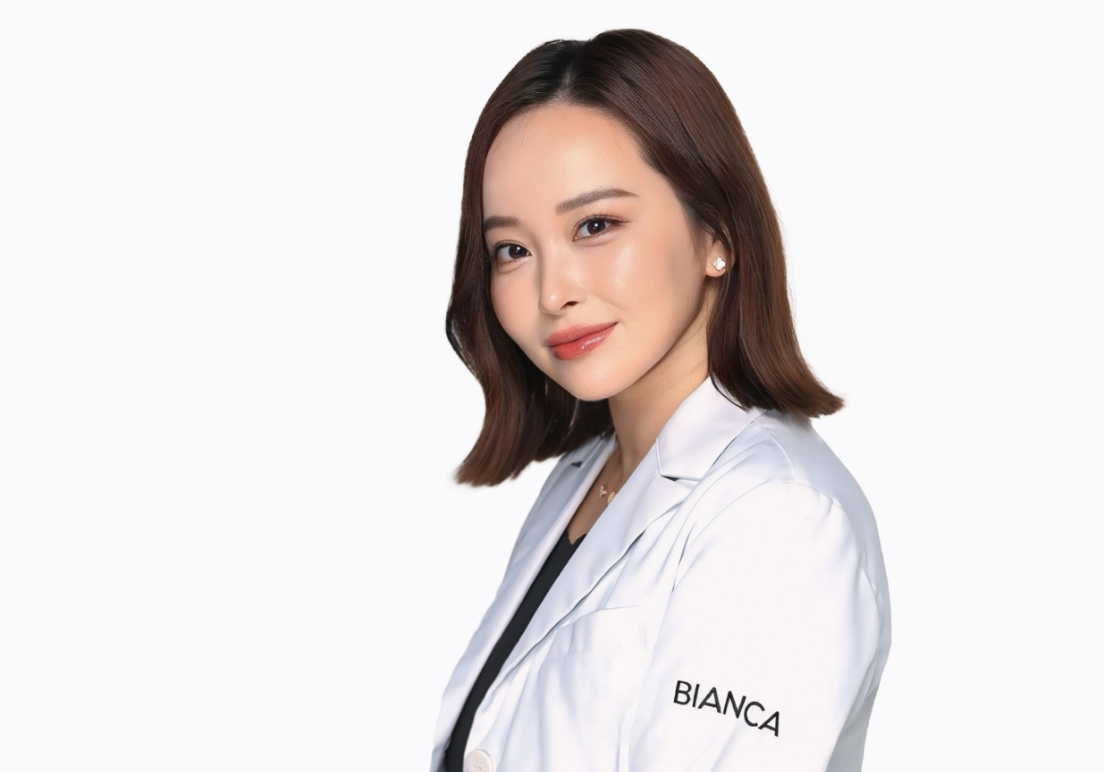
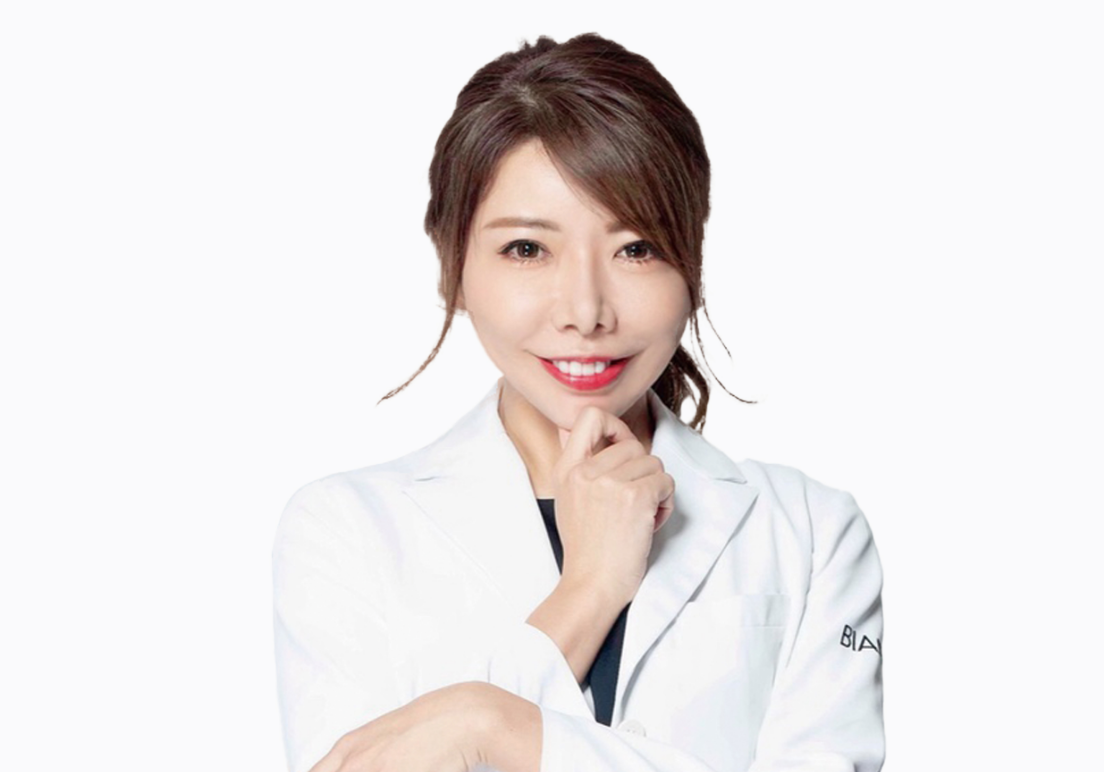
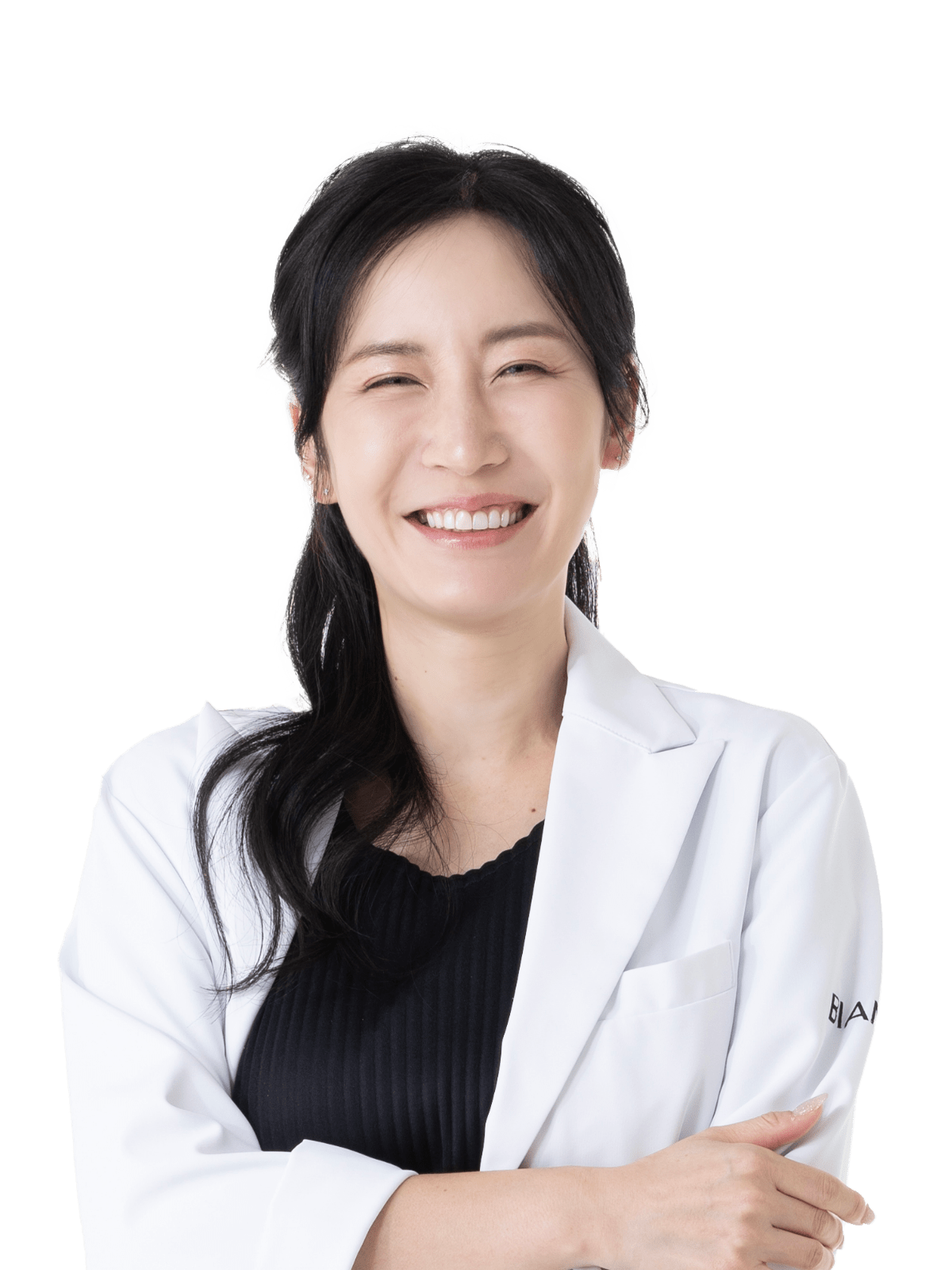
This time, Dr. Yoko Maeda, a cosmetic medicine specialist at BIANCA CLINIC, explains recommended ingredients by age group and the difference between aging care and anti-aging.
Supplements for Aging Care! What's the Difference from Anti-Aging?

Do you all even know the difference between "anti-aging" and "aging care"?
“Anti-aging” is the concept of preventing or counteracting aging.
On the other hand, “anti-aging care” is a positive approach that involves "gracefully embracing age-related changes while aging beautifully and healthily."
Recently, the concept of "Aging Care 3.0" has gained traction, emphasizing embracing one's natural aging process rather than striving to look artificially young.
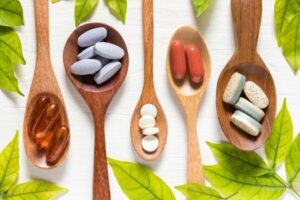
In addition to skincare and lifestyle improvements, the supplements we're covering this time are also one method of anti-aging care.
What's the difference between supplements and nutritional supplements?

A term similar to "supplement" is "nutritional supplement."
"Supplements" and "nutritional supplements" often refer to the same thing, but strictly speaking, they have slightly different nuances.
"Nutritional supplements" are foods designed to supplement nutrients that are often lacking in the average diet, as their name suggests.
"Supplements" are classified as nutritional supplements.
"Supplements" generally refer to products formulated in a form (such as tablets, capsules, or softgels) that allows for the efficient intake of nutrients like vitamins, minerals, and amino acids.
It's important to note that both "supplements" and "nutritional supplements" are not pharmaceutical drugs.
When using these products, be careful not to be swayed by advertisements that claim effects such as “cures diseases” or “removes blemishes.”
Additionally, whether supplements or nutritional aids suit your body varies from person to person.
Carefully check the listed ingredients and intake amounts, and if you have concerns, it's important to consult your doctor or pharmacist.
What supplements do leading experts in aging research choose?
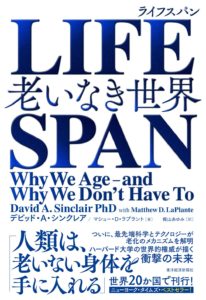
Professor David Sinclair of Harvard University, a leading expert in aging research, introduces the ingredients of the supplements he personally takes in his book "LIFE SPAN: The Science Behind Living Longer."
For those wondering what I'm drinking and curious about the results, I've summarized them below.
(For detailed lists and explanations of each supplement, please refer to the original text.)
・Fisetin: 500mg
・Alpha-Lipoic Acid: 300mg
・Fish oil (EPA/DHA): ?
・L-Taurine: 2g
・Nicotinamide Mononucleotide (NMN): 1 g
・Resveratrol: 1g
・Spermidine: 1–2 mg
・Vitamin D3: 4,000-5,000 IU
・Vitamin K2: 180-360 mcg
・Trimethylglycine (TMG): 500–1,000 mg
・Low-dose aspirin: 83 mg
・Metformin: 1g
・Rapamycin: ?
What's interesting is that the new protocol does not include "quercetin," which was previously thought to be consumed.
(Recent protocols avoid mentioning quercetin.)
Information regarding supplement ingredient selection is constantly being updated.
Key Points for Choosing Supplements by Age Group
Understanding the care your skin needs at each stage of life is the first step in anti-aging care.
・Key Points for Choosing Supplements|For Those in Their 30s
Your 30s are a time when you tend to notice changes in your physical strength and skin.
Why not consider starting with supplements that contain basic nutritional balance and ingredients that support skin hydration, such as vitamins, iron, and ceramides?
・Key Points for Choosing Supplements|For Those in Their 40s
In your 40s, you may feel more fatigue from balancing work and family life, and notice changes in your skin's firmness and metabolism.
When choosing supplements, one option is to select those containing ingredients that support skin hydration and ingredients that counteract oxidation in the body.
・Key Points for Choosing Supplements|For Those in Their 50s
Many people in their 50s begin to consciously consider serious anti-aging care.
Why not consider ingredients gaining attention for health maintenance, such as NMN, fisetin, and combinations of vitamins D3 and K2?
・Key Points for Choosing Supplements|For Those in Their 60s
People in their 60s who are also mindful of maintaining their immunity and muscle strength.
Incorporate fish oil (EPA and DHA), L-taurine, spermidine, and other components believed to support daily health maintenance in a balanced and appropriate manner.
At any age,“Care that's just right for who I am now”Finding it leads to future health and beauty.
Key Points for Anti-Aging Care with Supplements
Supplements don't produce immediate results.
The key is to choose nutrients suited to your physical condition and goals, and to stick with it consistently.
Also, be mindful of ingredient overlap to avoid excessive intake of vitamins and other nutrients.
Supplement-based anti-aging care is an investment in your future self.
Supplement-based anti-aging care is an approach to maintaining health with an eye toward the future.
Supplementing your diet with the nutrients you need may help support your daily well-being and skin condition.
At Bianca Clinic's Aesthetic Medicine Department, our Orthomolecular Nutrition Therapy can also provide a detailed assessment of which nutrients you may be lacking.
Feel free to contact us anytime.
https://biancaclinic.jp/treatment/physical-condition/concentration/orthomolecular/
※This article is intended for general informational purposes only and is not intended to diagnose, treat, or prevent any specific disease. If you have health concerns, please consult your physician.