column (e.g. in newspaper)
2024.10.31
Is it true that processed meat is a cancer-causing food? A cosmetic dermatologist explains.
To maximize your beauty, care for both the inside and outside is essential. We aim to bring advanced anti-aging treatments, such as peptide therapy common overseas, to our Japanese patients. While aesthetic medical approaches may offer more gradual results, they are crucial for building the foundation that supports beauty and youth. We combine nutritional therapy and lifestyle improvements with hormone replacement, peptide therapy, and regenerative medicine to propose personalized treatment plans. We provide long-term support for health and beauty from within.
Hello, everyone.
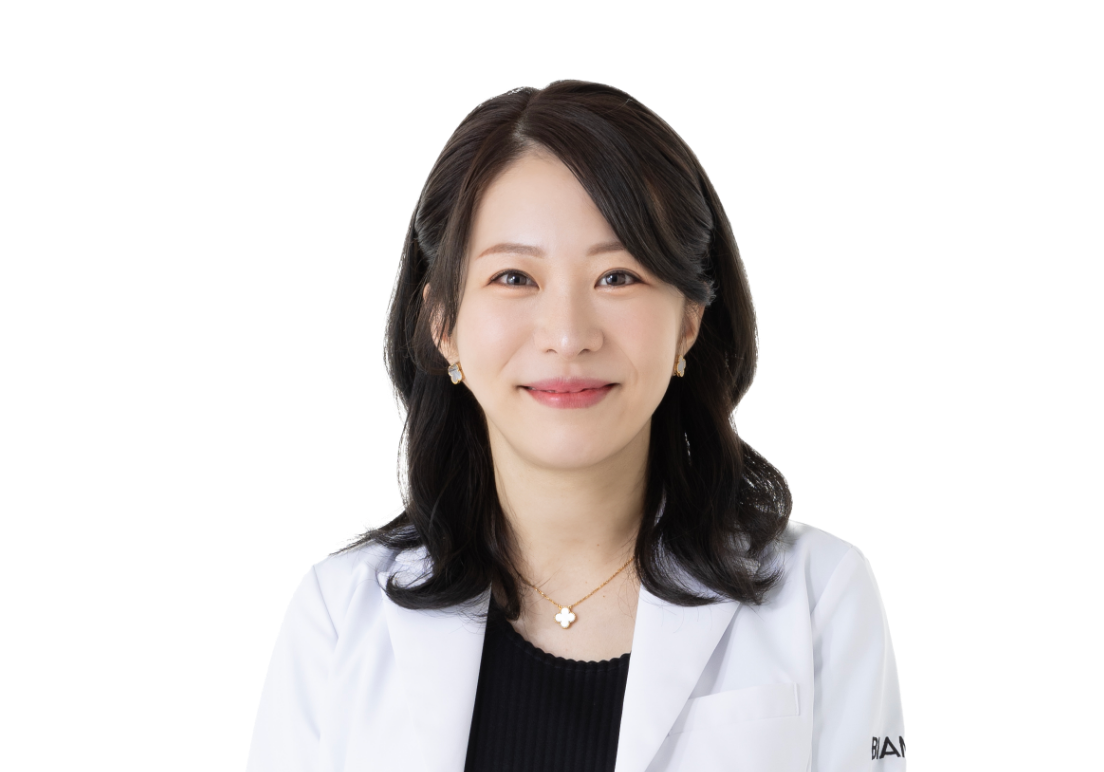
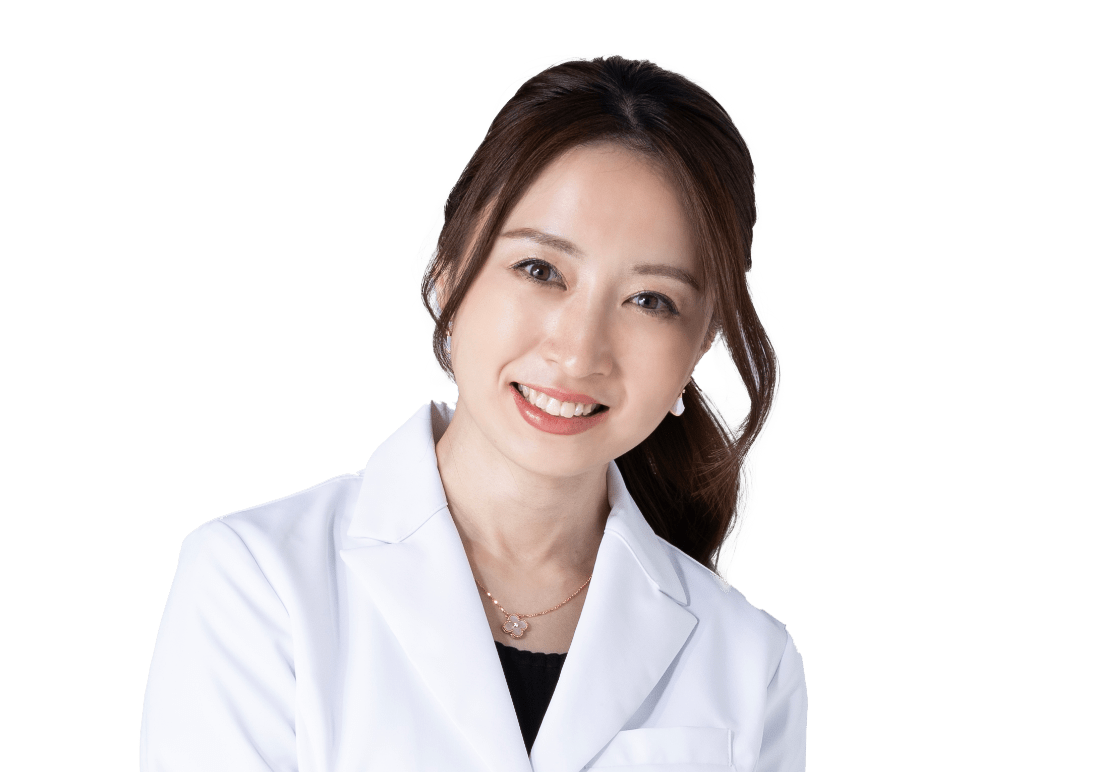
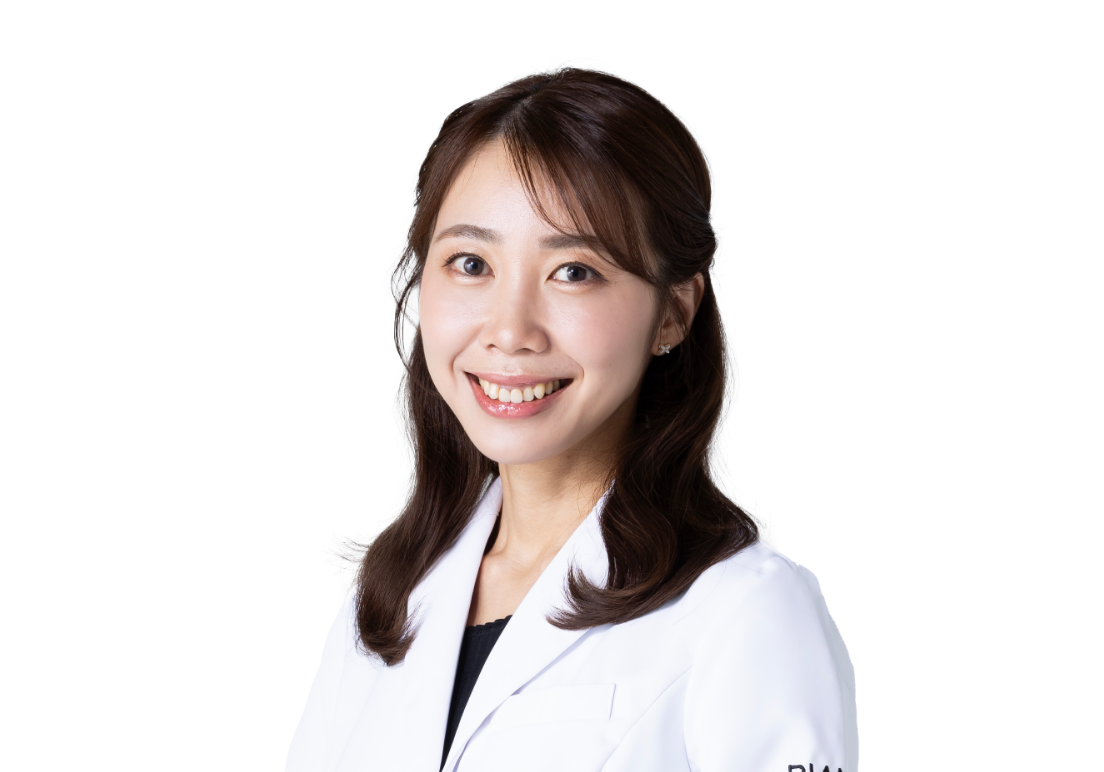
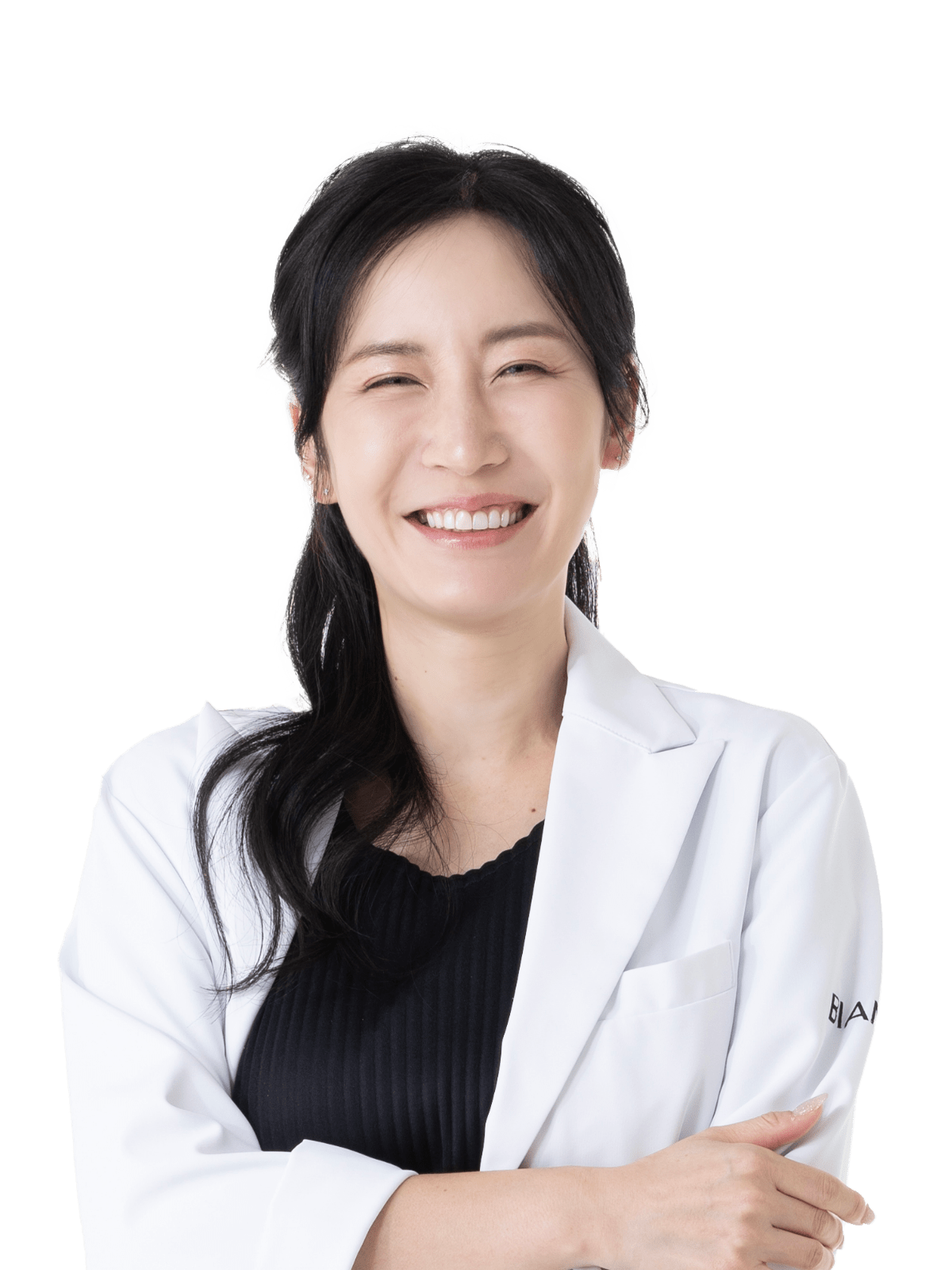
I am Yoko Maeda, the supervising physician at BIANCA Aesthetic Medicine.
Profile of Dr. Yoko Maeda, Director of Aesthetic Medicine
Completed initial training at Okinawa Prefectural Nanbu Medical Center and Children's Medical Center. Worked in the Department of Radiology at Kyoto Prefectural University of Medicine and at an aesthetic clinic. Encountered high-dose vitamin C intravenous therapy at a seminar by the Intravenous Therapy Research Society. Studied abroad as a Research Fellow at the Riordan Clinic in the United States. Achieved notable accomplishments, including passing the American Academy of Anti-Aging Medicine's specialist certification exam at the youngest age.
Currently serving as a Medical Director of Aesthetic Medicine at BIANCA. The role of a Medical Director of Aesthetic Medicine is to approach healthy beauty by caring for the body from within. As a professional in anti-aging care that treats aging from the inside out, I support patients in improving their constitution and maintaining a youthful appearance for years to come by proposing personalized treatments such as natural hormone replacement therapy, peptide therapy, and supplement therapy.
<Professional Affiliations and Qualifications>
・Director, Japanese Society of Aesthetic Medicine
・American Academy of Anti-Aging Medicine (A4M) Certified Specialist
・A4M Anti-Aging, Metabolism, and Functional Medicine Fellowship
・Certified Chelation Specialist, American Academy of Advanced Medical Sciences
<Check out more information about Dr. Yoko Maeda's aesthetic medicine practice here>
Dr. Yoko Maeda's Instagram account isHere
The official Instagram account for BIANCA isHere
The official YouTube account for BIANCA isHere
Did you know there are foods said to cause cancer as much as tobacco? That food that often appears on your dinner table might actually be bad for your health.
Can processed meat cause cancer?

These include processed meats like sausages, bacon, and ham. While fresh meat has a relatively short shelf life of about 1 to 3 days, processed meats keep longer, making them ideal for bulk purchases and stocking up. They're also easy to cook and delicious, so some people probably enjoy them almost every day.
Processed meat refers to all meat products that have been literally processed to extend shelf life and enhance flavor.
For example, in addition to sausages, bacon, and ham, there's corned beef and beef jerky. Canned meat, processed meat products, and fish sausage are also types of processed meat.
Why is processed meat a cause of cancer?

Processed meats are said to increase cancer risk due to the following ingredients.
◆Hem, a red pigment abundant in lean meat, one of the ingredients
◆Additives such as nitrates and nitrites used as preservatives
◆Amines formed during high-temperature cooking when producing processed meat
Processed meat is being warned against due to concerns that these three ingredients are carcinogenic.
Processed meat increases the risk of colorectal cancer.

The International Agency for Research on Cancer (IARC), the World Health Organization's (WHO) specialized agency for cancer, is an organization that identifies carcinogenic substances and elucidates their mechanisms. It has established five classifications—Group 1, Group 2A, Group 2B, Group 3, and Group 4—ranked by increasing cancer risk. A panel of 22 experts from 10 countries at IARC has assigned the following evaluation to processed meat and red meat:
◆Processed meat…Group 1: Carcinogenic
◆Red meat…Group 2A: Probably carcinogenic to humans
Processed meat, for which there is sufficient evidence of carcinogenicity, is classified in Group 1 alongside tobacco smoke and alcohol. It has been reported that harmful components in processed meat accumulate in the body's cells, increasing the likelihood of causing colorectal cancer.
Is it best to avoid processed meat entirely?

However, this does not mean that it is best to avoid processed meat entirely. Compared to tobacco, the carcinogenic risk of processed meat is significantly lower.
Research indicates that consuming 50 grams of processed meat daily increases the risk of colorectal cancer by approximately 18%. Since excessive consumption may harm your health, it is recommended that those who eat it daily be mindful not to overindulge.
If you habitually eat processed meat every day, you might consider switching to regular meat or getting your protein from plant-based sources like soy products or fish. It's also important to be mindful of maintaining a regular lifestyle, including eating a balanced diet and getting moderate exercise.
Cancer is currently the leading cause of death from disease.

In the past, many people died from infectious diseases like tuberculosis. Nowadays, however, cancer has become the leading cause of death in Japan. This is thought to be partly due to the spread of Western dietary habits, including processed meats such as sausages, bacon, and ham.
Diet is one of the key factors in building our bodies. For anti-aging care, it's important to pay attention to what you eat. If you're interested in anti-aging care, please come in for a consultation.