Inversion pruning method (armpit treatment)
Axillary OsmidrosisEliminate the root cause of underarm odor for a comfortable life
- Removes apocrine sweat glands and sebaceous glands to directly address the source of odor
- Long-term effects can be expected with visual excision.
- Even those with severe conditions or who have not responded to other treatments often notice changes.

Specialist in rhinoplasty. He has performed many surgeries for functional restoration including nasal septal curvature at university hospitals, and has successfully performed rhinoplasty that requires advanced techniques at the level of reconstructive surgery. Currently, we offer rhinoplasty optimized for the Japanese and Asian population by incorporating advanced world-standard techniques such as preservation rhinoplasty. Our specialty is the “compact and sharp design with a tipped nose,” which is considered ideal in Europe and the United States. Combining his extensive experience as a plastic surgeon certified by the Japanese Society of Plastic and Reconstructive Surgery with the perspective of cosmetic surgery, he performs surgeries that combine functionality and beauty.
Experienced physicians thoroughly examine and remove apocrine sweat glands and sebaceous glands.
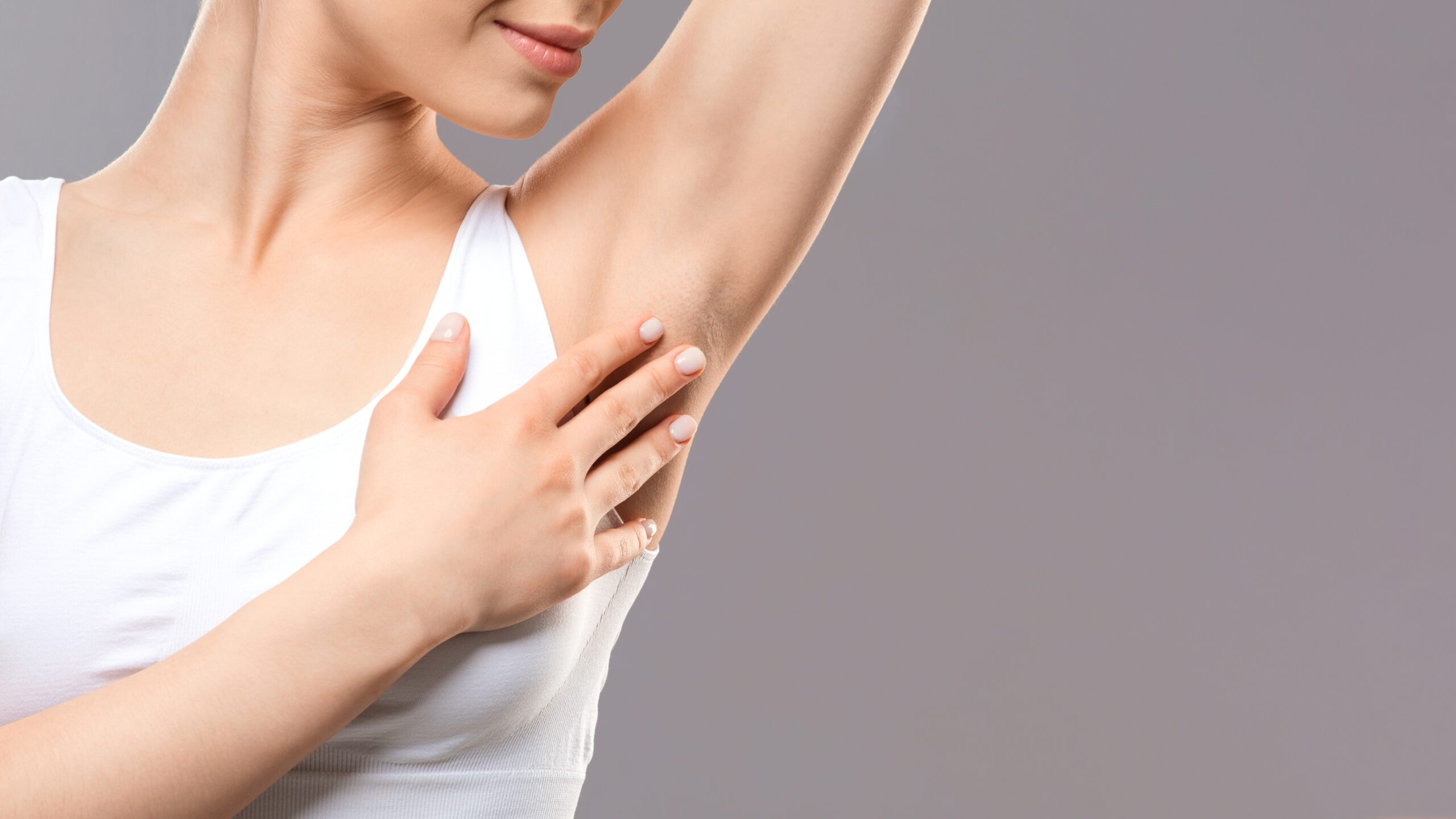
The formal name for underarm odor is "axillary bromhidrosis." Medically, it refers to the condition where a distinctive strong odor emanates from the armpits, primarily caused by sweat secreted from apocrine sweat glands.
The inversion excision method for treating underarm odor involves making an incision in the skin of the armpit to remove apocrine sweat glands and sebaceous glands, thereby eliminating the root cause of the odor. At Bianca Clinic, we conduct regular study sessions and training to update our techniques. We strive to provide highly precise procedures.
Downtime
DOWNTIMERecommended for people like this
RECOMMENDED FOR:Features
CHARACTERISTICSReverse Excision Method (for Axillary Hyperhidrosis Treatment)
Reverse excision (underarm odor treatment) is a procedure where an incision is made in the armpit, the skin is turned inside out, and sweat glands and sebaceous glands are removed. The armpit contains apocrine sweat glands, eccrine sweat glands, and sebaceous glands. Among these, sweat primarily from the apocrine sweat glands is the main cause of odor. When resident bacteria break down sweat secreted from apocrine glands—which contains fats, ammonia, iron, and other substances—it can produce a strong odor.
Sebaceous glands, as their name suggests, secrete fatty substances. These sebaceous secretions contain various fatty acids, which are also a major cause of strong odors. The inverted excision method for treating underarm odor carefully removes the apocrine sweat glands and sebaceous glands responsible for strong odors, visually identifying them during the procedure. This treatment is suitable for those seeking a fundamental solution rather than masking odors with deodorants or antiperspirants, and for individuals troubled by underarm odor.
Even those with severe underarm odor can reduce their symptoms.
Generally, people troubled by underarm odor are said to have a higher number of apocrine sweat glands. Furthermore, the number of sweat glands is determined at birth, and genetics is also a major contributing factor.
Bromhidrosis, commonly known as underarm odor, is a condition where the armpits emit a strong, distinctive odor that intensifies with sweating. Currently, there are no methods to cure underarm odor on your own, no specific treatments for it, and no ointments that can completely eliminate it.
The inversion excision method, which surgically removes the apocrine sweat glands and sebaceous glands responsible for odor, is expected to be effective for individuals who have tried various treatments without significant improvement, or those suffering from severe underarm odor. Additionally, it is considered attractive because the sweat glands removed during surgery are not believed to regenerate, resulting in a low risk of odor recurrence.
You can undergo the procedure with pain management through local anesthesia.
Bianca Clinic's inverted excision method (underarm odor treatment) uses local anesthesia to minimize discomfort, allowing even those sensitive to pain or feeling anxious to relax during the procedure. In addition to local anesthesia, intravenous sedation or relaxation anesthesia can be used in combination.
Benefits
MERITEliminate the root cause and significantly reduce strong odors
By eliminating the root causes of odor, such as apocrine sweat glands and sebaceous glands, it can significantly reduce strong underarm odor.
The removed glands do not regenerate, so long-term effects can be expected.
Benefits (approx. 50 characters): The apocrine sweat glands removed via the inversion excision method (for underarm odor treatment) do not regenerate, resulting in a low risk of recurrence and long-term odor reduction.
Sweat secretion and underarm hair may also decrease.
When apocrine sweat glands are removed, the hair follicles are also taken out, which may result in reduced sweat secretion or less underarm hair.
Recommended Features
RECOMMENDED POINTS
Conduct counseling while carefully explaining the cause of the odor
While apocrine sweat glands are the primary cause of body odor, underlying factors such as stress, poor diet, and obesity may also be involved.
For example, when you experience high stress or disrupted daily rhythms, your autonomic nervous system balance can easily become unstable. When this balance is disrupted, sweating increases, leading to body odor. Additionally, people who are overweight tend to sweat more easily than those who are slim. Dietary habits can also play a role.
At Bianca Clinic, we provide thorough consultations to explain the causes of body odor. We can offer multifaceted advice by discussing your daily habits and lifestyle. Don't struggle alone—consult with a doctor at Bianca Clinic.
Incisions that blend into the natural lines of the armpit result in less noticeable scars.
In the inversion excision method (underarm odor treatment), the incision is made along the natural crease of the armpit to minimize scar visibility. Scar length varies depending on the patient's physique and hair coverage area, typically ranging from 5 to 10 cm. After the incision, suturing follows the natural creases of the armpit. This approach allows the scar to become less noticeable over time, aiming for a result that remains inconspicuous even when raising the arms during daily activities.
The procedure takes approximately one hour. Outpatient surgery is possible.
The inversion excision method (for underarm odor treatment) takes approximately one hour for both armpits. A major feature of this procedure is that it does not require hospitalization and can be performed on an outpatient basis. While some rest is necessary after the procedure, patients can generally return home the same day, minimizing disruption to daily life. However, the armpits must be compressed and immobilized for a certain period post-surgery. Immediately after the procedure, firm compression is applied. Subsequently, the compression is gradually reduced or removed as the healing progresses.
Treatment area
TREATMENT AREA脇
Treatment Process
CONTENT OF TREATMENTDoctor-led counseling and examination
Our doctor will assess whether the inverted excision method (for underarm odor treatment) is suitable for you after discussing your concerns and lifestyle. Please feel free to ask any questions you may have.
treatment
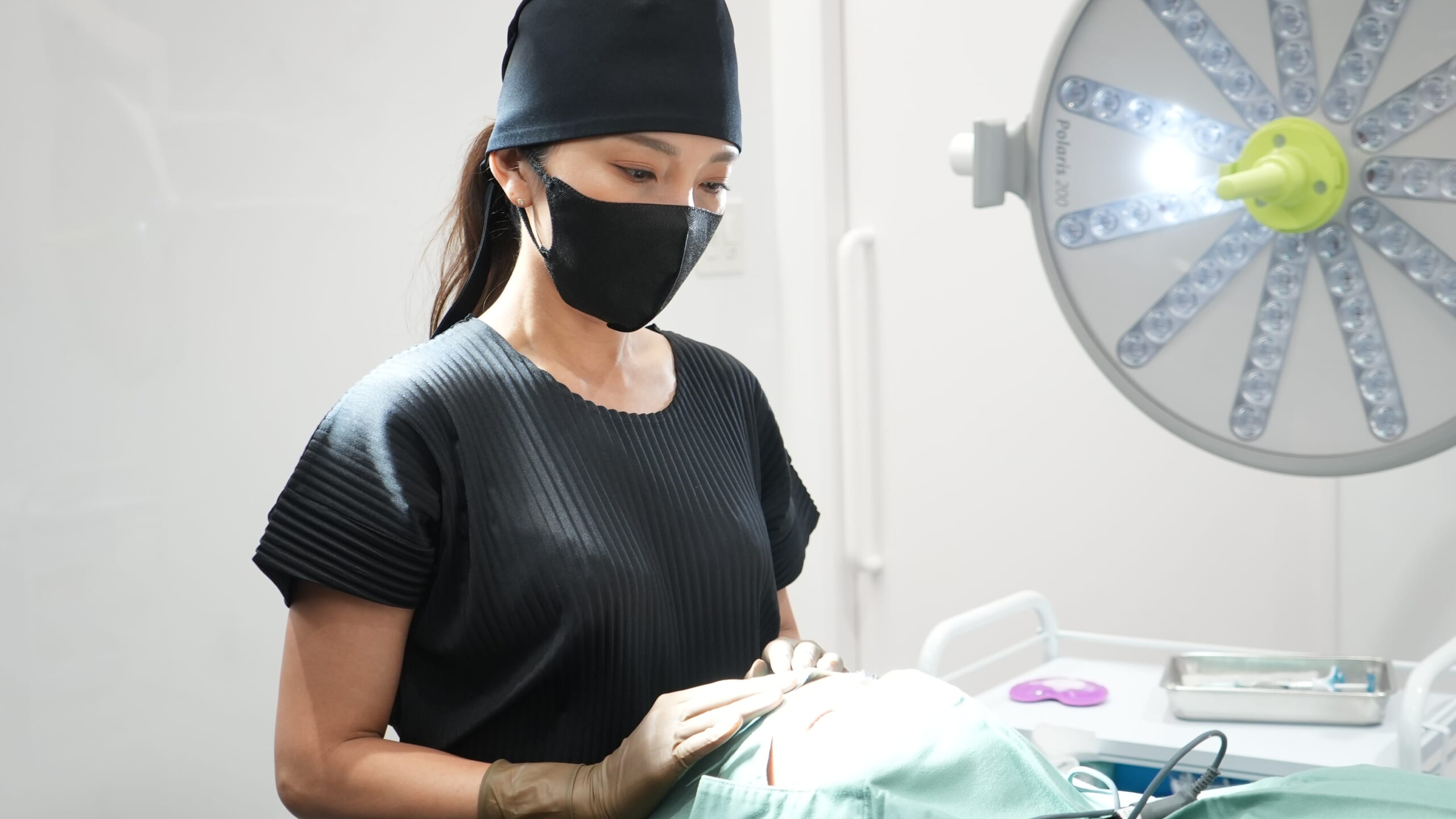
Mark the armpit area and administer local anesthesia. Make an incision along the natural crease of the armpit. Dissect subcutaneously, invert the skin, and visually identify and remove apocrine sweat glands and sebaceous glands. Insert a drain to evacuate blood and exudate, then suture the incision. Apply pressure with gauze, secure with tape and bandages, and the procedure is complete. Treatment for both armpits takes approximately one hour.
Follow-up
We will explain what to be mindful of in your daily life after surgery and your future follow-up appointments.
Generally, drains are removed 3 to 5 days after surgery, and sutures are removed 10 to 14 days later. Compression may be required as needed depending on the condition of the incision. Please rest for about two weeks.
Schedule of Charges
PRICE LISTInversion pruning method (armpit treatment)
| Part | Standard rate |
|---|---|
| 脇 | ¥338,800 |

Lifestyle Beautyis
proposed.
Our goal is to move you beyond satisfaction.
Responding to the desire for greater beauty and health,
What can we do for the well-being of our patients?
Providing total beauty to make your life shine,
That is our policy.
Go to BIANCA and you'll find a smile.
That's the kind of place we're aiming for.
Frequently Asked Questions About the Reverse Excision Method (Underarm Odor Treatment)
Q&ACan I have it done as an outpatient procedure? Is hospitalization necessary?
Reverse excision surgery (for underarm odor treatment) is typically an outpatient procedure. While rest is required after the procedure, hospitalization is not necessary, and you may return home the same day.
How long will the pain last?
The period immediately following treatment is when pain is most likely to occur. You may experience a dull, throbbing pain or a feeling of tightness. To manage the pain, we will prescribe pain medication.
Will the smell disappear immediately after the treatment?
While individual results may vary, this determination is made after the compression dressing is removed and the wound has fully dried. Generally, this can be confirmed approximately 2 weeks to 1 month after the procedure. Since the majority of apocrine sweat glands and sebaceous glands are removed, strong underarm odor can be significantly reduced.
When can I start showering or bathing?
Showering below the waist is possible starting the day after surgery. Showering that wets the incision site is possible starting one week after surgery. Bathing is generally possible starting two weeks after surgery.
When can I start drinking alcohol and smoking?
You may resume these activities two weeks after treatment. Please refrain from alcohol and tobacco, as they can cause swelling and bruising and may also affect wound healing.
When can I start exercising?
Light exercise is possible starting two weeks after surgery. Post-operative compression is required, and increased blood flow from exercise can cause swelling and bruising. Please rest as much as possible after the procedure. If you plan to engage in strenuous exercise, consult your doctor and follow their instructions.
Are there any cases where surgery cannot be performed?
Individuals with systemic conditions such as severe diabetes or heart disease, or those with impaired skin healing, may find the inverted excision method (for axillary hyperhidrosis treatment) difficult. We will confirm suitability during the preliminary consultation.
Is there a risk of recurrence?
For teenagers, there is a risk of recurrence due to the regeneration of apocrine sweat glands during puberty. Additionally, in males or individuals with larger builds, the extensive removal of apocrine sweat glands may not reach the edges, potentially leading to persistent odor concerns.
Treatment Details: Reverse Excision Method (Underarm Odor Treatment)
Estimated treatment period and number of sessions: Typically 1 session ※May vary depending on the condition.
Risks and Side Effects: Scarring, pain, swelling, bruising, hyperpigmentation, contracture, edema, numbness, bleeding, hematoma, etc.