column (e.g. in newspaper)
2024.03.17
What is a Magnesium Bath? A New Bathing Habit from a Cosmetic Internal Medicine Specialist

To maximize your beauty, care for both the inside and outside is essential. We aim to bring advanced anti-aging treatments, such as peptide therapy common overseas, to our Japanese patients. While aesthetic medical approaches may offer more gradual results, they are crucial for building the foundation that supports beauty and youth. We combine nutritional therapy and lifestyle improvements with hormone replacement, peptide therapy, and regenerative medicine to propose personalized treatment plans. We provide long-term support for health and beauty from within.
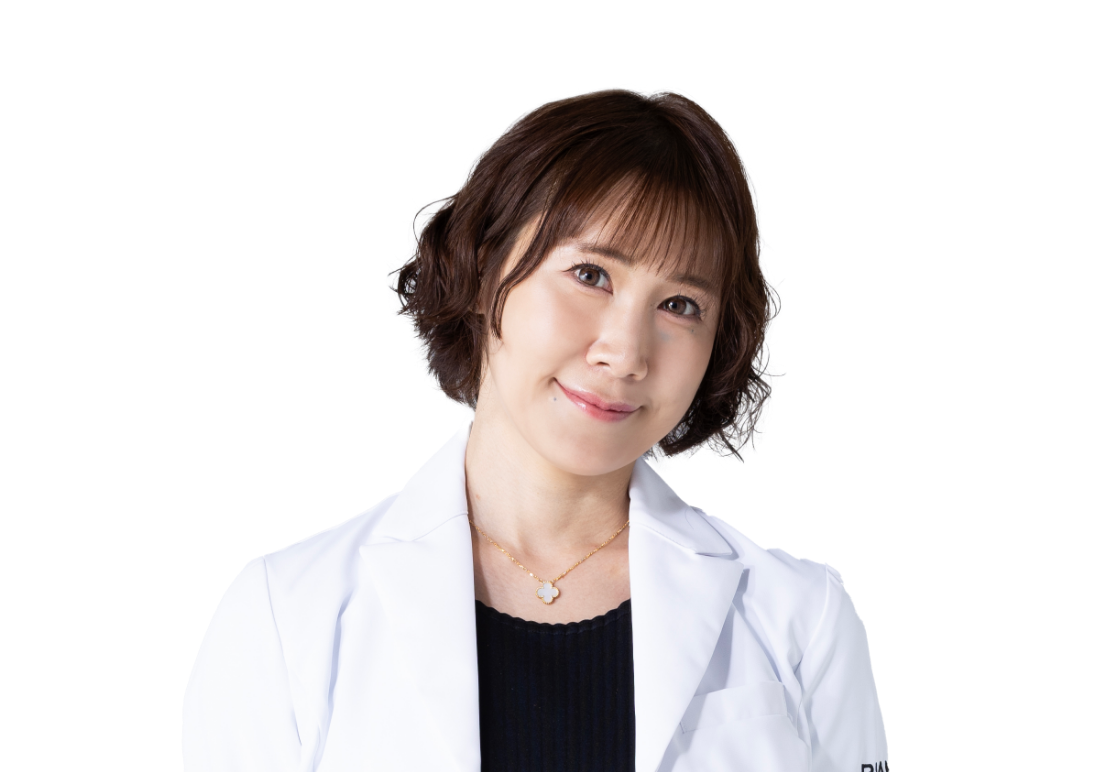
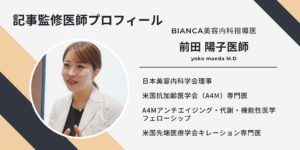
Dr. Yoko Maeda, Director of Aesthetic Medicine at BIANCA CLINIC, explains the benefits of magnesium baths!
From the basics of magnesium baths to their effects on conditions like atopic dermatitis and blood pressure, we'll cover everything in detail—including important considerations like "Can I reheat the bath?" and "How does it affect the water heater?"
Hello.
Bianca Clinic, Director of Aesthetic MedicineYoko Maedais.
Do you have the habit of soaking in the bathtub every day?
Soaking in a bath not only eases tension in your mind and body and improves sleep quality, but also leaves you feeling refreshed and revitalized through sweating.
Not only through bowel movements and urine, but also through sweat, waste products are expelled from the body.
One way to further enhance your daily bath time for health and beauty is through a magnesium bath.
What is a Magnesium Bath? Learn the Basics
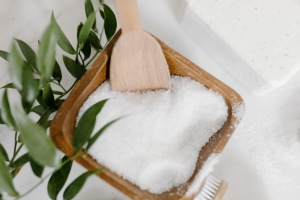
A "magnesium bath" is a health practice involving bathing in water to which magnesium-containing ingredients have been added.
The most common examples are magnesium chloride and magnesium sulfate (Epsom salt).
(You can purchase it at a great price at large supermarkets like Costco or online shopping sites.)
Magnesium baths can help relieve muscle tension, improve blood circulation, and promote relaxation.
Many people also find that taking a magnesium bath makes them sleepy, so it's recommended for promoting sleep.
The Relationship Between Magnesium Baths and Atopic Dermatitis/Sensitive Skin
Magnesium has anti-inflammatory properties and helps regulate barrier function, so magnesium baths may also help reduce atopic dermatitis and itching.
Some individuals with atopic dermatitis have shared on blogs that their skin issues have calmed down.
However, some people may experience itching when taking a magnesium bath, so please start with a lower concentration at first.
Magnesium baths are excellent for promoting blood circulation and relieving fatigue.
Magnesium is expected to help dilate blood vessels and stabilize blood pressure.
This habit can also help improve blood circulation and reduce muscle fatigue, making it ideal for busy individuals in their 30s and 40s.
How much magnesium should I add? Also check the precautions.

The recommended amount for a magnesium bath is approximately 150 to 300 grams of Epsom salt or 100 to 200 grams of magnesium chloride for a standard home bathtub (about 200 liters).
(First-time users should start with a small amount and adjust according to their skin and physical condition.)
One concern when starting a magnesium bath is its effect on the bath tub.
Magnesium chloride, in particular, can corrode metal parts, so it is best avoided in bathtubs with reheating functions.
Can children and babies use magnesium baths?
Children and babies can generally bathe in magnesium baths without any issues.
However, dilute the solution slightly and take care to avoid contact with the eyes or mouth.
Using leftover bathwater for laundry results in fluffy, soft laundry. It also has antibacterial properties.
Magnesium baths are your ally for beauty and health
Magnesium baths are a self-care method that, when incorporated into your daily bathing routine, can offer various beneficial effects for beauty and health.
Regardless of age or gender, many people can expect to benefit.
Try incorporating magnesium baths into your lifestyle in a way that suits you.
※This article is intended for general informational purposes only and is not intended to diagnose, treat, or prevent any specific disease. If you have health concerns, please consult your physician.
Please also watch this video!
▶ You can also watch the video here:【Aging Care Knowledge You Can Incorporate into Your Daily Life】