column (e.g. in newspaper)
2024.07.11
Causes and remedies for adult acne. Focus on prescription drugs covered by insurance.

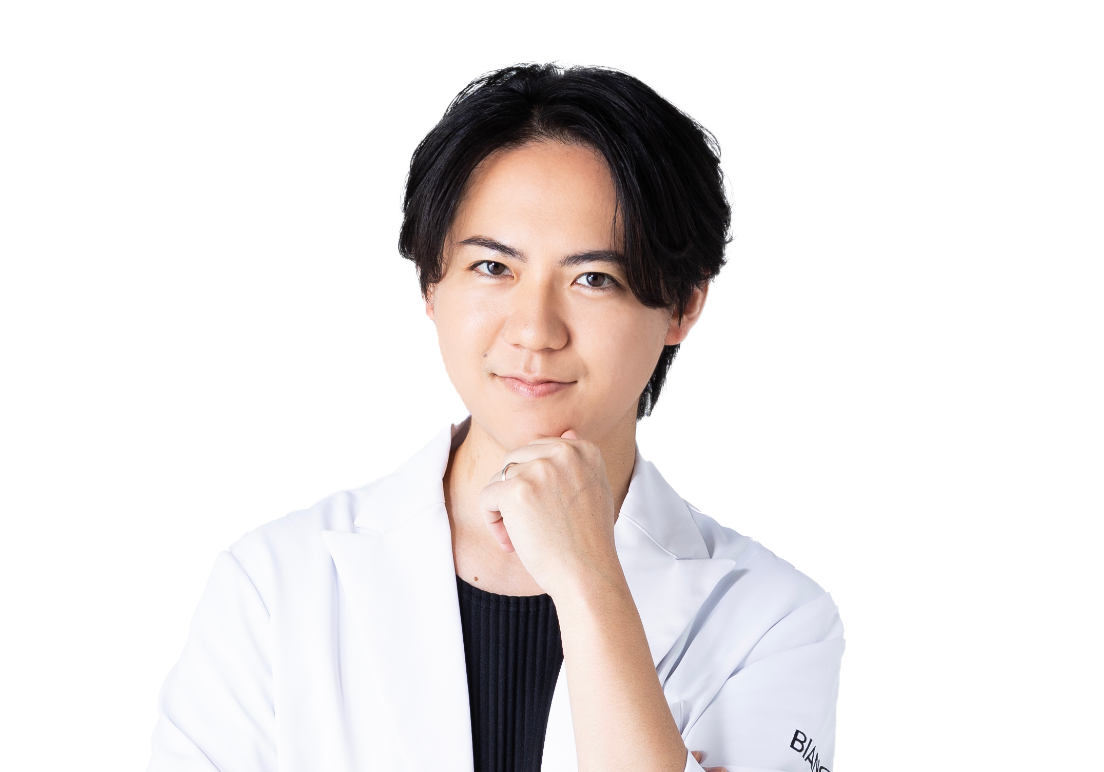
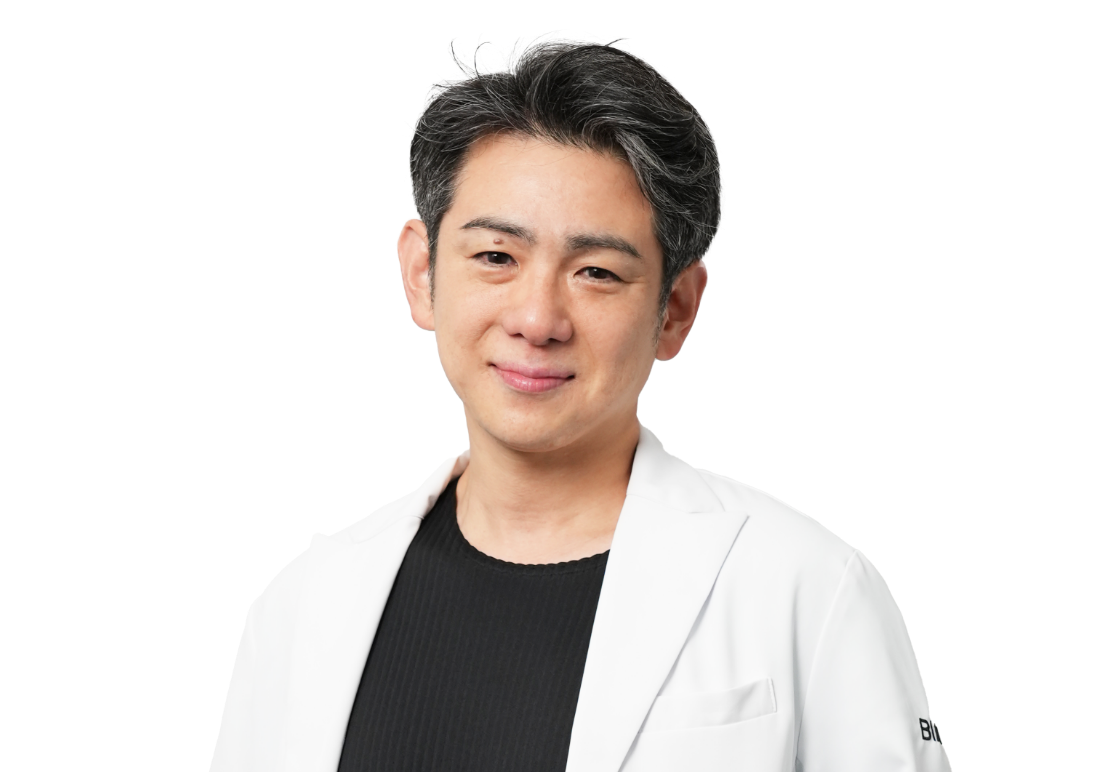
With deep medical insight cultivated as an internal medicine specialist, I bridge aesthetic surgery, dermatology, and internal medicine. Having spent my childhood in China, I communicate fluently in Japanese, Chinese, English, and Korean. Possessing an international perspective—evidenced by invitations to present at overseas conferences—I actively promote techniques as a Key Opinion Leader (KOL) for GOURI and REJURAN®. My specialty procedures include double eyelid surgery, skin-nurturing boosters, and body hyaluronic acid treatments. My approach leverages the holistic understanding of the body cultivated through internal medicine to guide patients toward natural, healthy beauty.
Hello.
I am Senki Akashi of BIANCA CLINIC.
During consultations, I frequently receive inquiries about recurring acne along the jawline and chin.
It's not the type that spreads across the forehead and cheeks like during adolescence—it's what's known as “adult acne.”
Today, we'll discuss the causes of adult acne and the treatments covered by insurance.
What are the main causes of adult acne?
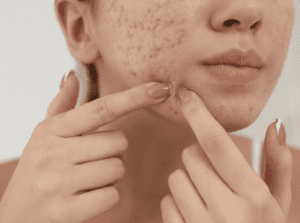
While acne can have various causes, adult acne after age 25 is often due toHormonal imbalancewill play a significant role.
In particular, when androgens (male hormones) that stimulate sebum production become dominant, pores become more prone to clogging and inflammation is more likely to occur.
The tendency to develop acne before menstruation is also related to changes in androgen balance.
Medications used for adult acne that are covered by insurance
The primary medications used to treat adult acne at medical institutions are as follows:
1. Topical medication (ointment)
In most cases, we start with topical medication.
The following are representative examples.
-
Differin Gel (Adapalene)
-
Bepio Gel (Benzoyl Peroxide)
-
Duac (benzoyl peroxide + antibiotic)
-
Epiduo (adapalene + benzoyl peroxide)
All of thesePrevents clogged pores and suppresses inflammation and the proliferation of acne bacteria.has an effect.
However, adult acne can be more resistant to topical treatments alone compared to teenage acne.
In such cases, oral medication may also be used.
2. Oral medication
Oral medications are broadly categorized intoAntibioticsとChinese herbal medicineThere is.
-
AntibioticsMinocycline (Minomycin) to suppress the proliferation of acne bacteriaやVibramycin (doxycycline) is commonly used.
-
Chinese herbal medicineKeishibukuryogan (Cinnamon and Poria Pill) for the purpose of regulating hormonal balance and blood flow irregularitiesやTōki Shakuyaku San may also be prescribed.
Both treatments can be prescribed within insurance coverage.
Key Skincare Tips to Prevent Adult Acne Breakouts
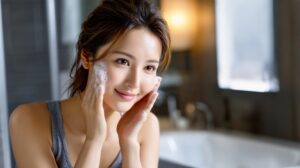
Even after inflammation subsides with insurance-covered treatment, don't let your guard down! Preventing recurrence is crucial for adult acne.
-
Wash your face gently and quickly. Avoid rubbing!
-
When it comes to skincare, focus on hydration rather than oil.
-
Don't forget your sun protection. (Sunburn worsens inflammation and pigmentation.)
When it comes to skincare, focus on "balancing" rather than "aggressively treating."
Summary|If adult acne still doesn't improve, consider private medical care as an option.
If your condition doesn't improve even with insurance-covered treatments, consider options like hormone therapy, chemical peels, or laser therapy.The option of receiving private medical treatment。
At Bianca Clinic Aesthetic Dermatology, we propose personalized treatment plans by comprehensively assessing each individual's skin type and lifestyle habits.
If you're troubled by the thought that "nothing seems to work," please don't hesitate to consult with us.
Acne is a disease of the pores! The Basics of Acne Treatment (Insurance-Covered Treatment)