column (e.g. in newspaper)
2025.12.11
What is Autologous Tissue Rhinoplasty? | Primary Graft Materials and Their Characteristics
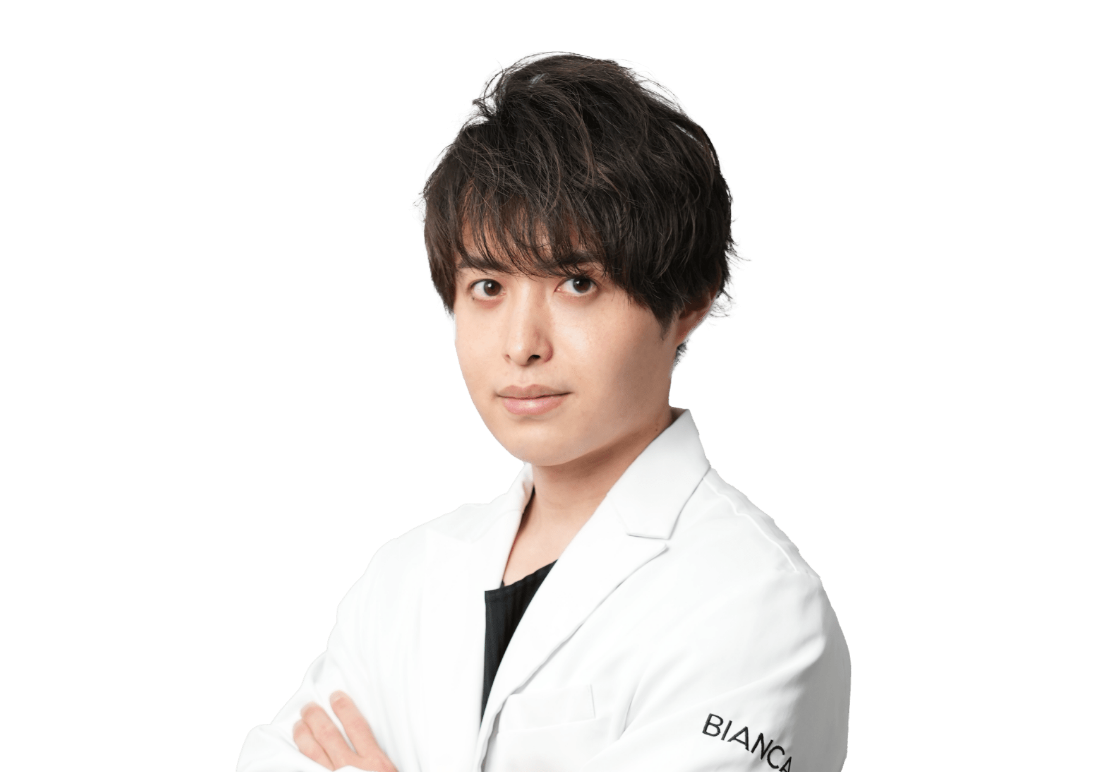
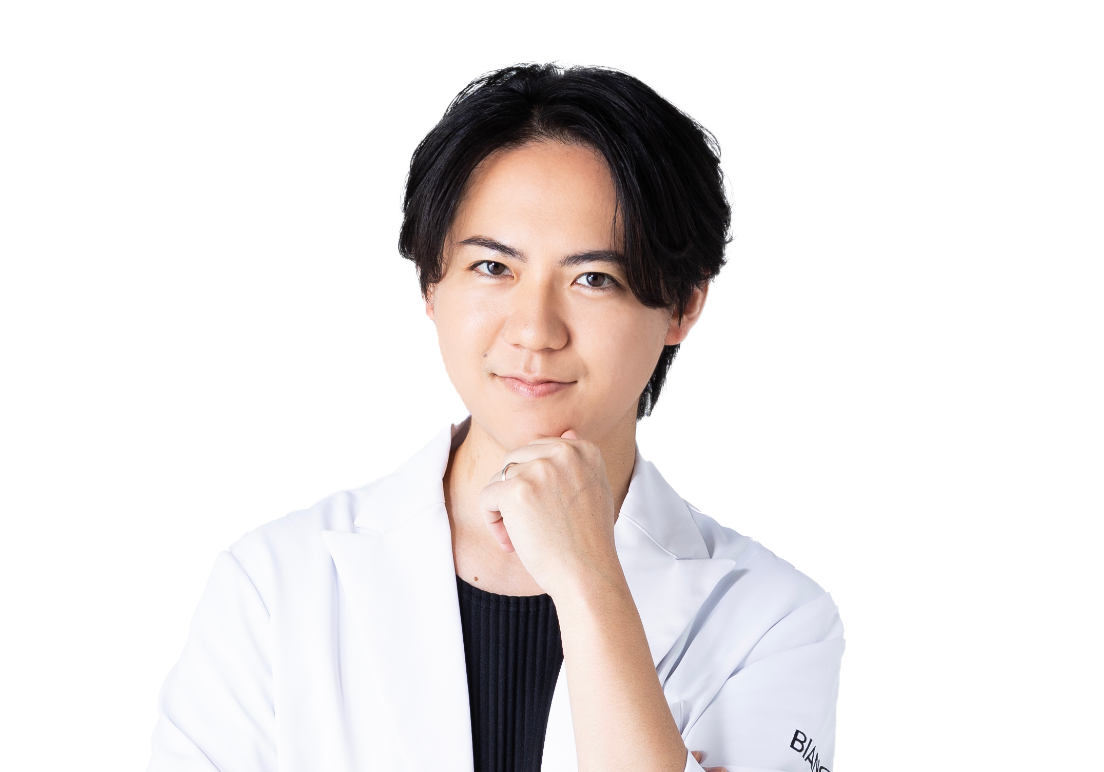
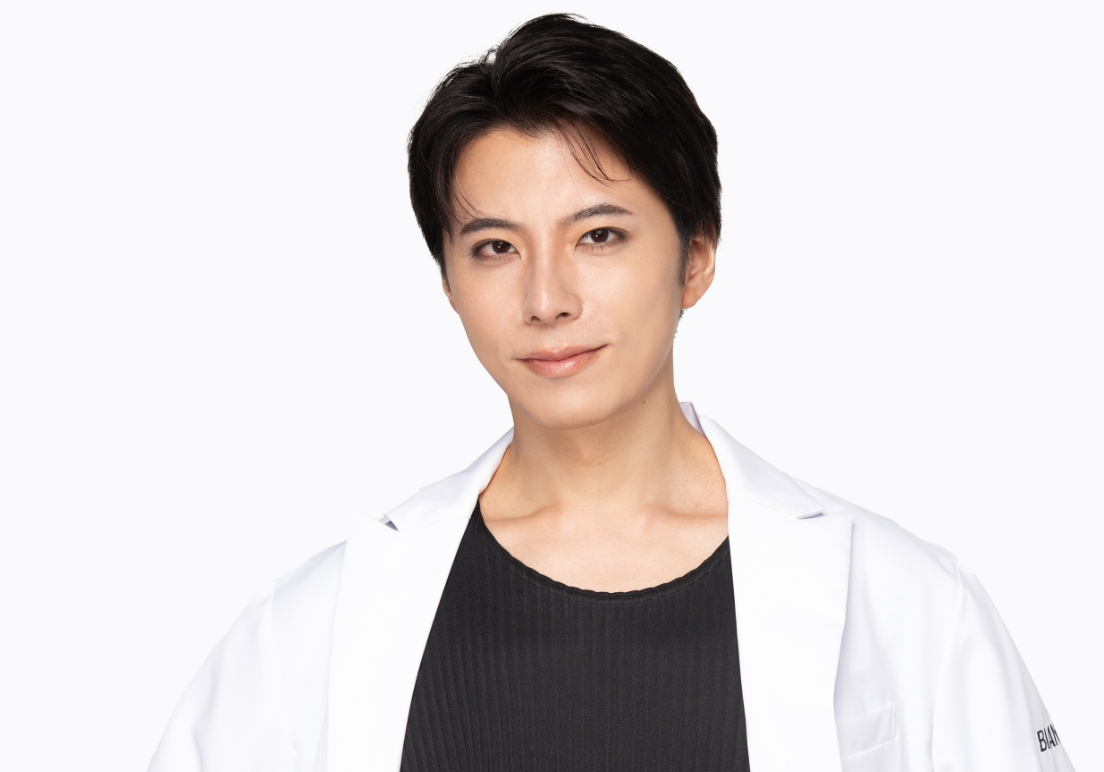
As a plastic surgeon certified by the Japanese Society of Plastic and Reconstructive Surgery, I have been involved in many cases of trauma, reconstruction, and congenital diseases, and have cultivated precise techniques and a deep understanding of anatomy. He entered the field of cosmetic surgery out of a desire to bring the power of cosmetics to his patients, as a change in one's appearance can also make one's mind more positive. Her specialties include general treatment of the eye area, injections, and sagging skin. I provide treatments that focus on beauty with the medical stance of "sincerely addressing the ideals of the patient.
Hello!
Designing natural beauty with trust.
I am Masataka Fujihashi, a board-certified plastic surgeon.

Rhinoplasty can be performed using either an artificial implant (prosthesis) to increase height or by transplanting the patient's own tissue to reshape the nose.
Among these, autologous tissue rhinoplasty has gained significant attention in recent years.
The absence of artificial materials provides long-term peace of mind, and more people are drawn to the natural texture and finish when touched.
This article clearly explains the primary autologous tissues used in rhinoplasty and their characteristics.
⸻
■ Rib cartilage (solid/pulverized)
The material that can achieve the greatest amount of change in rhinoplasty is rib cartilage.
The large amount harvested, combined with its firmness and flexibility, allows for precise shaping while adjusting the height, narrowness, and curve of the nasal bridge.
The costal cartilageHow to use it in solid formとMethod of crushing and usingThere are two types.
When using it in solid form, the major advantage is that you can easily achieve the desired height and shape by shaving the block-shaped cartilage to create the desired line.
However, the characteristic "Warping deformationOver time, slight changes in design may occur.
What has been increasing in recent years is,Comminuted costal cartilageis.
By using finely crushed cartilage to line the nasal bridge, the risk of warping is virtually eliminated, making it easier to create a natural curve.
Another advantage is that it results in a soft texture.
Furthermore, since a very large amount of costal cartilage can be harvested,All procedures—nasal septum extension, rhinoplasty, and aristocratic surgery (nasal alar base)—can be completed using only rib cartilage.has the major characteristic of...
In septal extension, solid cartilage is used as a support pillar. For the upper nose, crushed cartilage is inserted to improve shading. For rhinoplasty, crushed cartilage creates a natural nasal bridge. This combination allows for a "rib cartilage nose full" procedure, which is increasingly used to enhance overall facial three-dimensionality.
⸻
■ Dermal Fat
This method involves harvesting dermis and fat from areas such as the buttocks and transplanting them to the bridge of the nose.
The dermis possesses a certain thickness, and fat acts as a cushion, resulting in a soft and natural texture.
This is ideal for those who desire a naturally rounded nasal bridge rather than dramatic height, seeking a tastefully refined appearance.
Also, having a prosthesis inserted for a long period of timeIt is also used for recovery in individuals whose skin has become thin.The material is also suitable for protecting thinning skin.
⸻
■ Auricular cartilage
Cartilage harvested from behind the ear is a material frequently used for nasal tip reshaping, but it can also be used for the nasal bridge.
While soft and easy to shape, it cannot achieve significant volume, making it unsuitable for rhinoplasty cases requiring substantial height.
On the other hand, it is well-suited for natural roundness and line correction, and is sometimes used for fine adjustments when combined with crushed costal cartilage or dermal fat.
⸻
■ Temporal Fascia
A thin fascia harvested from the temple area, it is extremely soft and excels at blending out unevenness.
While it is possible to create height using fascia alone, it is not suitable for significant changes and is used when aiming for natural contouring or gentle volume enhancement.
When used in combination with auricular cartilage to "wrap" the area, it enables rhinoplasty that prioritizes smoothness. However, its frequency of use as the primary material in rhinoplasty procedures is not particularly high at present.
⸻
■ Benefits of Autologous Tissue Rhinoplasty
The greatest appeal of autologous tissue isThe peace of mind that comes from knowing no foreign objects remain in your bodyis.
without the risk of rejection or allergies、Even if an infection occurs, antibiotics are likely to be effective.and so on, offering excellent long-term reliability.
The texture when touched is also extremely natural, with little of the hardness or visible seams typical of artificial materials, resulting in a soft contour along the side profile.
⸻
■ Important Notes
Autologous tissue grafts cannot achieve the extreme height of prostheses, and suitability may vary depending on individual preferences.
Additionally, it is important to understand that small wounds may form at the harvest sites, and that some of the dermal fat and crushed cartilage may be absorbed, potentially causing slight settling after surgery.
⸻
■ Summary
Autologous tissue rhinoplasty is a method suited for those who prioritize naturalness, safety, and a pleasant texture.
Costal cartilage can be used either in solid form or as a powder, making it a versatile material suitable for a wide range of procedures, from nasal septum extension to aristocratic rhinoplasty and rhinoplasty.
Dermal fat is ideal when seeking a more natural and soft finish.
The ideal material varies depending on the type of nose you wish to achieve and the extent of change you desire, so it's important to understand the characteristics and choose accordingly.
⸻
Reservations can be made here.
Complete your reservation in 60 seconds ▼
https://reservation.medical-force.com/b/d7bb811e-ebd5-4b93-93f8-588864b24f15
⸻
【Profile】
Masataka Fujihashi, MD, Plastic Surgeon
Leveraging expertise as a board-certified plastic surgeon, I offer comprehensive facial cosmetic procedures including eyelid and nose surgery, facial liposuction, thread lifts, and hyaluronic acid injections. From incisional surgeries and revision procedures requiring delicate design to minimally invasive injections and lifts with minimal downtime, I strive to provide treatments tailored to each patient's ideal outcome.
We are dedicated to achieving natural results and minimizing downtime, pursuing medical care that leaves you feeling confident in your choice through sincere consultations.
Designing natural beauty with trust.
We cherish that sentiment and apply it to our daily practice.
Read other blog posts ▼
https://biancaclinic.jp/author_cat/fujihashi/
【SNS】
Instagram ▶︎ https://www.instagram.com/dr_fujihashi?igsh=MTEzOW1sc3p3bGFibA%3D%3D&utm_source=qr
X ▶︎ https://x.com/dr_fujihashi?s=21
【Career】
March 2015: Graduated from the School of Medicine, Showa University
April 2015 Showa University Yokohama Northern Hospital Initial Clinical Training
April 2017 Showa University Hospital Department of Plastic Surgery
October 2017 Maebashi Red Cross Hospital Plastic Surgery / Cosmetic Surgery
April 2019 Nishio Municipal Hospital Plastic Surgery Department
April 2020 Showa University Fujigaoka Hospital Plastic Surgery Department
November 2020 Ota Nishinouchi Hospital Plastic Surgery / Cosmetic Surgery
July 2022 Tokyo Rosai Hospital Plastic Surgery / Cosmetic Surgery Department Head
July 2022: R.O.clinic (Part-time), Kusano Taro Clinic (Part-time)
April 2024 Deputy Director, Ginza TA Clinic
November 2025 BIANCA CLINIC
【Professional Affiliations and Qualifications】
Japanese Society of Plastic and Reconstructive Surgery Board-Certified Plastic Surgeon
Member of the Japanese Society of Aesthetic Plastic Surgery (JSAPS)
Member of the Japanese Society of Aesthetic Surgery (JSAS)