column (e.g. in newspaper)
2024.07.31
How Can Convenience Store Bento Boxes Increase Cancer Risk? An Aesthetic Medicine Specialist Explains
To maximize your beauty, care for both the inside and outside is essential. We aim to bring advanced anti-aging treatments, such as peptide therapy common overseas, to our Japanese patients. While aesthetic medical approaches may offer more gradual results, they are crucial for building the foundation that supports beauty and youth. We combine nutritional therapy and lifestyle improvements with hormone replacement, peptide therapy, and regenerative medicine to propose personalized treatment plans. We provide long-term support for health and beauty from within.
Hello, everyone.
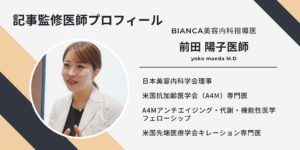
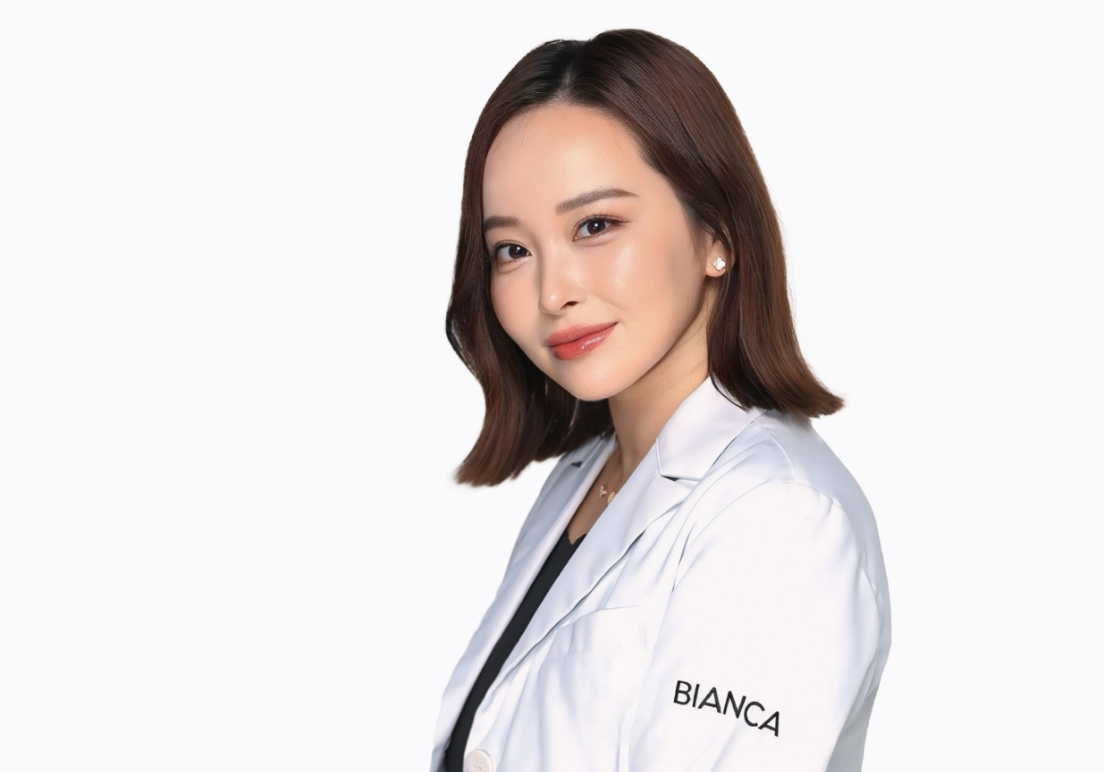
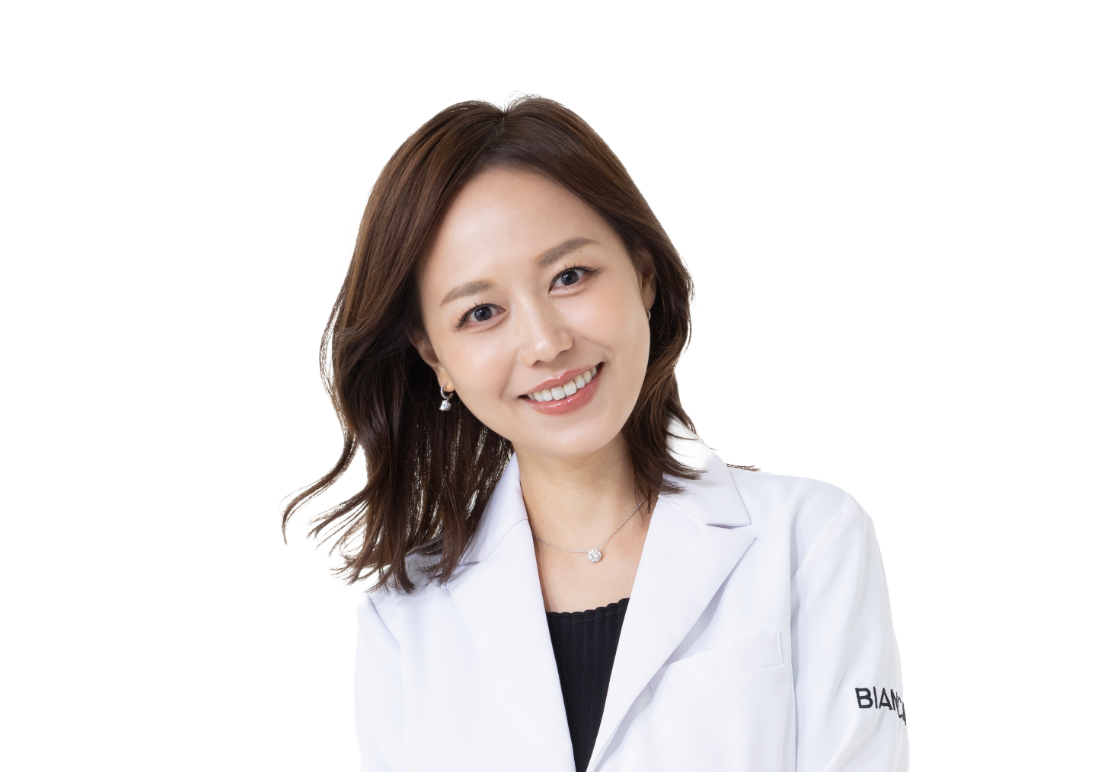
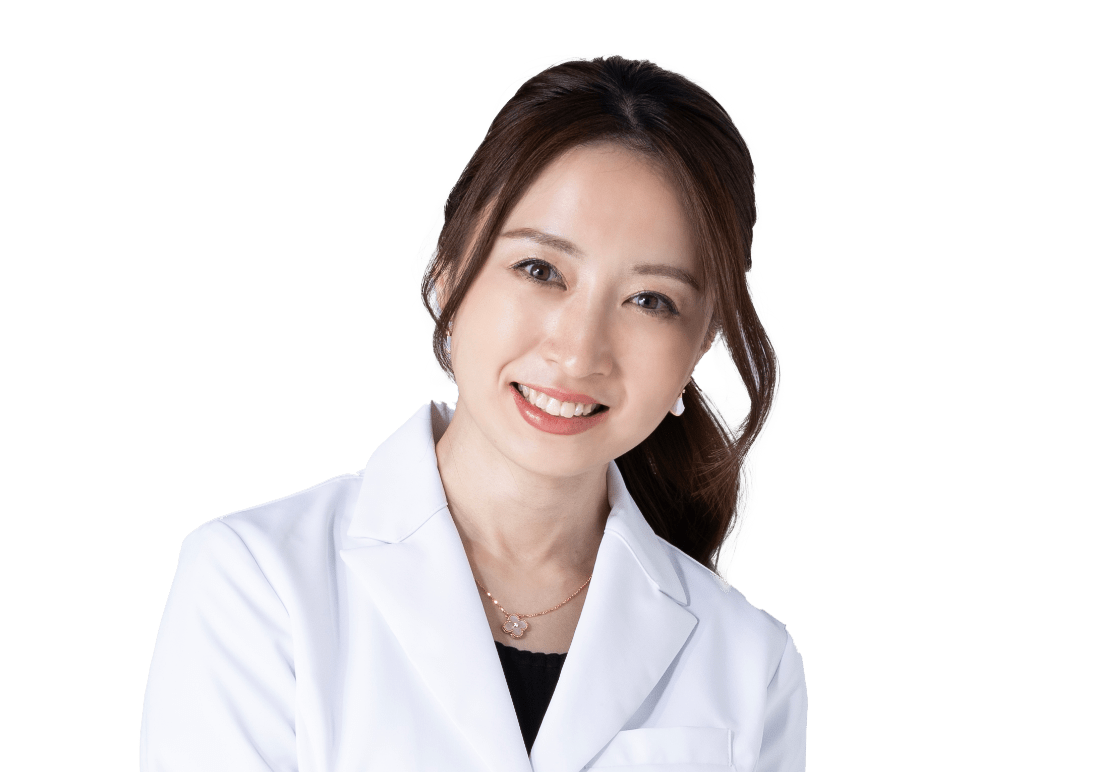
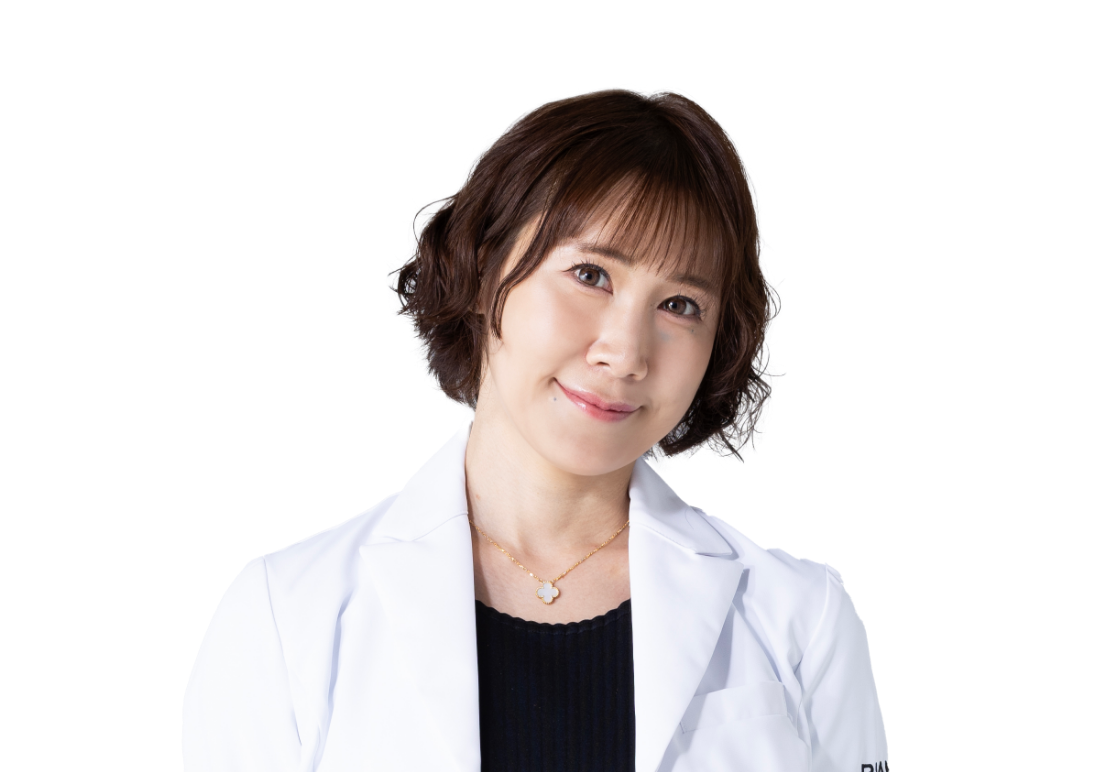
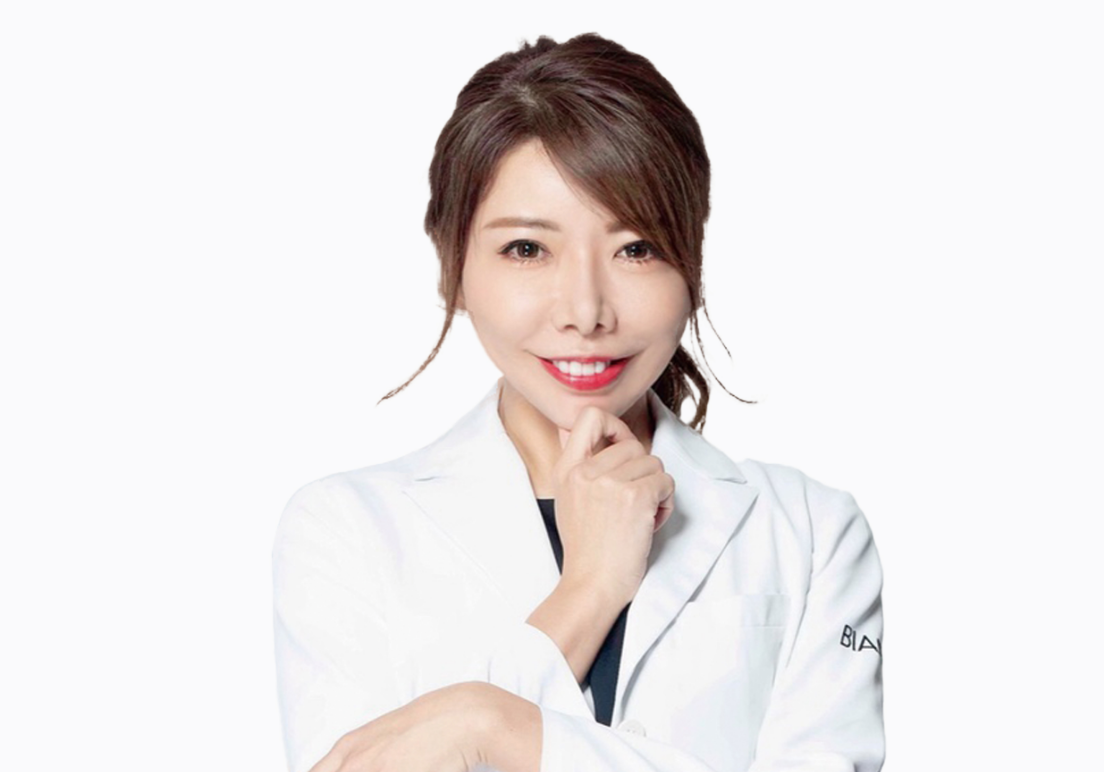
I am Yoko Maeda, a certified aesthetic medicine specialist at BIANCA.
Profile of Dr. Yoko Maeda, Director of Aesthetic Medicine
Completed initial training at Okinawa Prefectural Nanbu Medical Center and Children's Medical Center. Worked in the Department of Radiology at Kyoto Prefectural University of Medicine and at an aesthetic clinic. Encountered high-dose vitamin C intravenous therapy at a seminar by the Intravenous Therapy Research Society. Studied abroad as a Research Fellow at the Riordan Clinic in the United States. Achieved notable accomplishments, including passing the American Academy of Anti-Aging Medicine's specialist certification exam at the youngest age.
Currently serving as a Medical Director of Aesthetic Medicine at BIANCA. The role of a Medical Director of Aesthetic Medicine is to approach healthy beauty by caring for the body from within. As a professional in anti-aging care that treats aging from the inside out, I support patients in improving their constitution and maintaining a youthful appearance for years to come by proposing personalized treatments such as natural hormone replacement therapy, peptide therapy, and supplement therapy.
<Professional Affiliations and Qualifications>
・Director, Japanese Society of Aesthetic Medicine
・American Academy of Anti-Aging Medicine (A4M) Certified Specialist
・A4M Anti-Aging, Metabolism, and Functional Medicine Fellowship
・Certified Chelation Specialist, American Academy of Advanced Medical Sciences
<Check out more information about Dr. Yoko Maeda's aesthetic medicine practice here>
Dr. Yoko Maeda's Instagram account isHere
The official Instagram account for BIANCA isHere
The official YouTube account for BIANCA isHere
Convenience stores, where you can get what you need right away, have become an integral part of our lives. Some people even have convenience store bento boxes for lunch.
But did you know that eating convenience store bento boxes might increase your cancer risk?
That said, it's not that the ingredients in convenience store bento boxes are bad. The problem is the plastic used in the bento box containers. These plastic containers contain phthalates and bisphenol, which are said to cause cancer.
What are the hazardous components found in plastic?

The raw materials for plastics are polymers such as polyethylene and polypropylene. In addition, many additives are used in plastics to maintain their performance. Some of these additives are phthalates and bisphenols.
Phthalates and bisphenols have been linked to cancer, cognitive function, obesity, diabetes incidence, and lower IQ in children.
Microplastics, which have recently become an environmental issue, are classified into primary microplastics—the fine particles originally used in plastic products—and secondary microplastics, which are fragments that have degraded to less than 5mm in size.
What we're discussing this time is primary microplastics. By consuming food and beverages that have absorbed chemicals leached from plastics, we may unknowingly be accumulating microplastics in our bodies.
Should we also be cautious about plastic products around us?

Convenience store bento boxes are just one example. Beyond convenience store bento boxes, there are many plastic products around us, such as plastic bottles, shampoo, and cosmetics. It's best to avoid products that use plastic as much as possible.
Some countries, such as the United States, are promoting plastic-free initiatives by shifting to glass containers and other materials, as convenient plastics may be harmful to the body. Some stores carry products that do not use phthalates or bisphenol.
What about the plastic that's already inside the body?

Plastic products surround us in our daily lives. It's highly likely that we ingest microplastics unknowingly, not just through food but in our everyday routines. Even if we take care to avoid harmful substances, completely avoiding them is difficult in reality.
It is important to encourage the body to expel microplastics that have entered it. For example, methods include consuming nutrients that break them down and eliminating them through sweat and excretion.
Nutrients you should consciously consume include glutathione, vitamins, and minerals. Taking in nutrients essential for liver detoxification helps break down harmful substances. Since they are also excreted through sweat and bowel movements, it's recommended to be mindful of constipation and utilize saunas.
Removing microplastics from the body may help prevent diseases like cancer and diabetes, and could also improve general health issues. If you've been casually buying convenience store bento boxes, consciously avoiding plastic might be a good idea.
My role as an aesthetic medicine specialist is to support anti-aging care from within the body. If you're seeking personalized anti-aging solutions, please consult BIANCA. From an aesthetic medicine perspective, I will propose the most suitable approach for you.