column (e.g. in newspaper)
2024.04.02
The Hormone of Love and Bonding! Anti-Aging with Oxytocin
To maximize your beauty, care for both the inside and outside is essential. We aim to bring advanced anti-aging treatments, such as peptide therapy common overseas, to our Japanese patients. While aesthetic medical approaches may offer more gradual results, they are crucial for building the foundation that supports beauty and youth. We combine nutritional therapy and lifestyle improvements with hormone replacement, peptide therapy, and regenerative medicine to propose personalized treatment plans. We provide long-term support for health and beauty from within.
Hello, everyone.
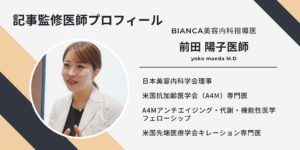
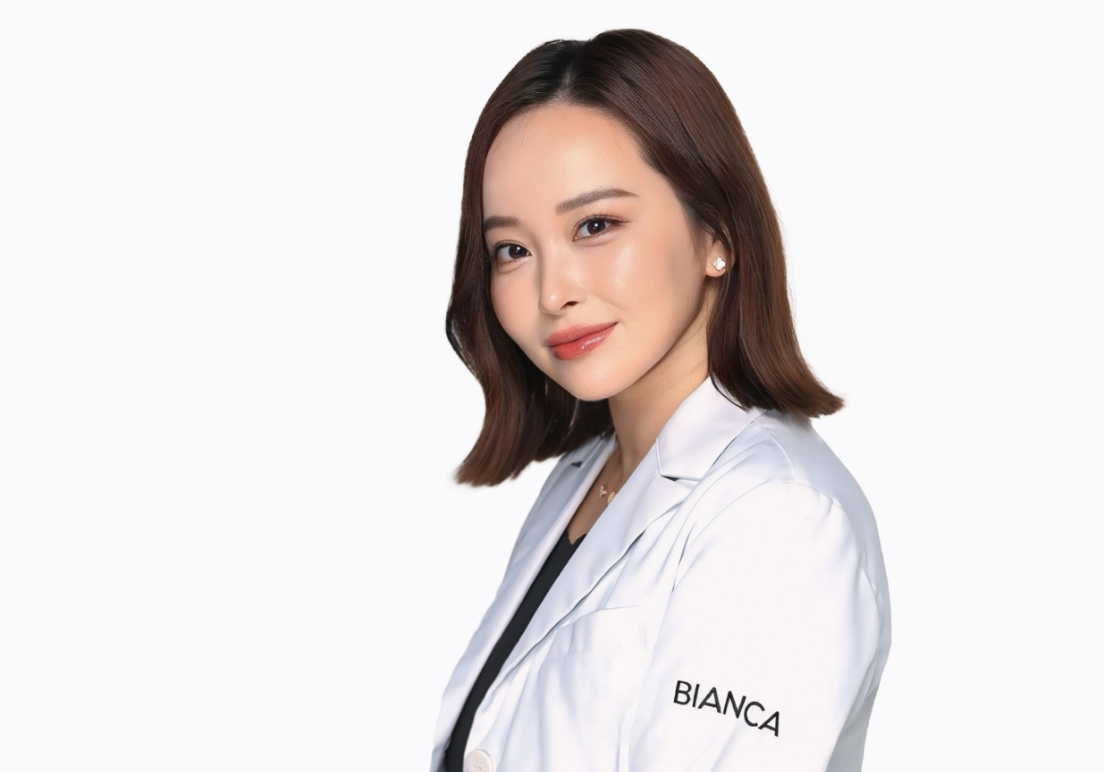
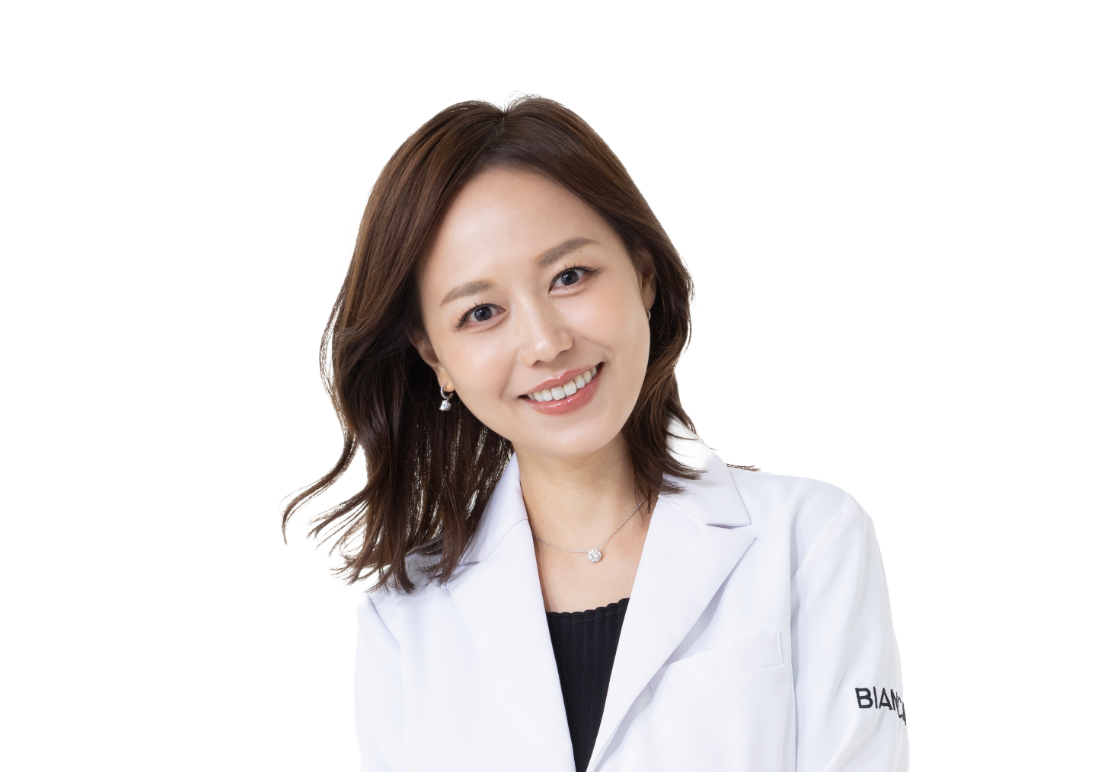
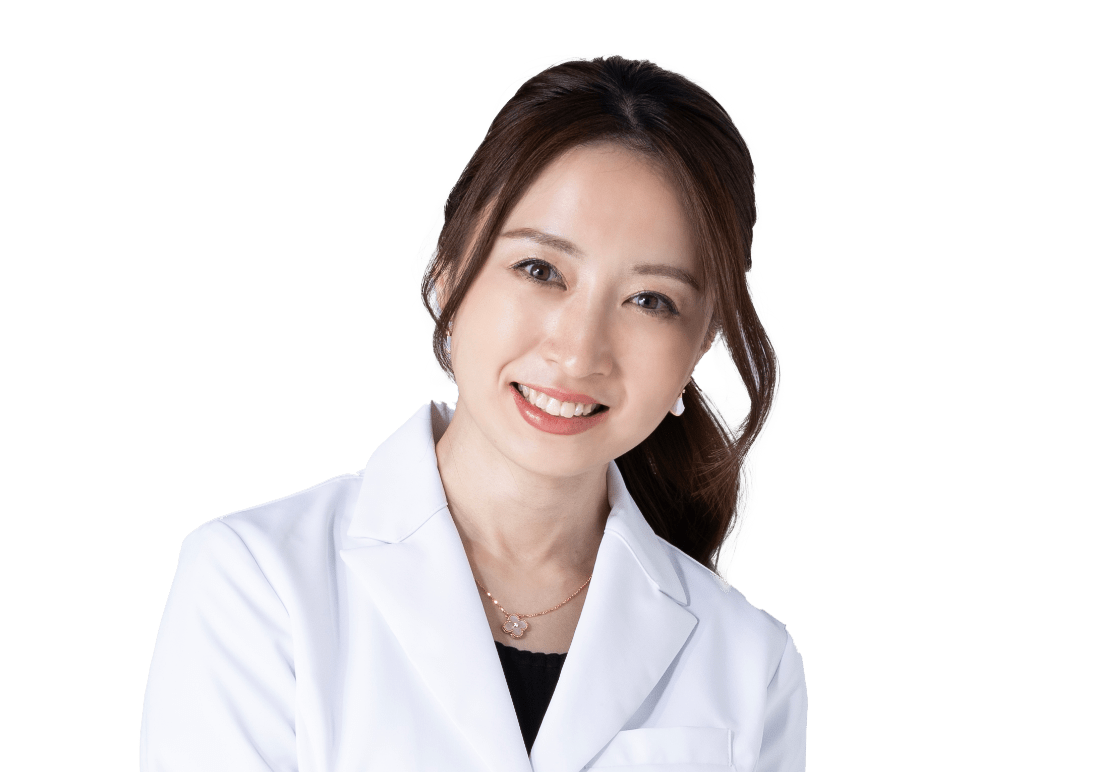
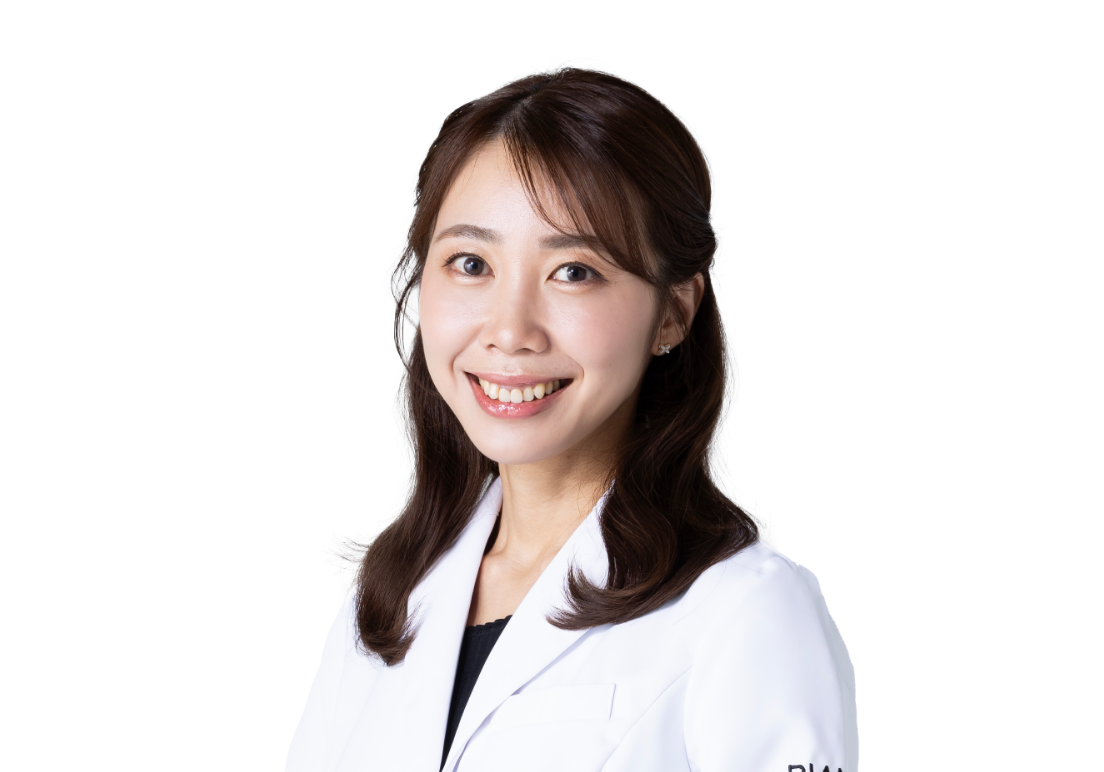
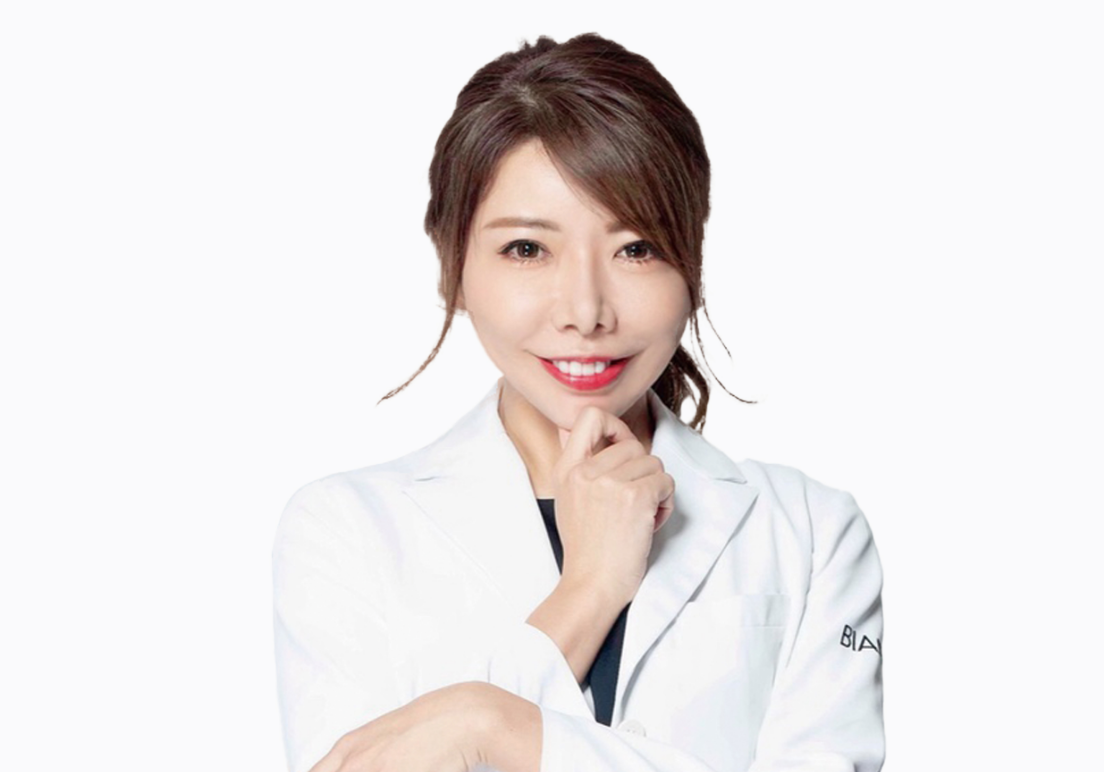
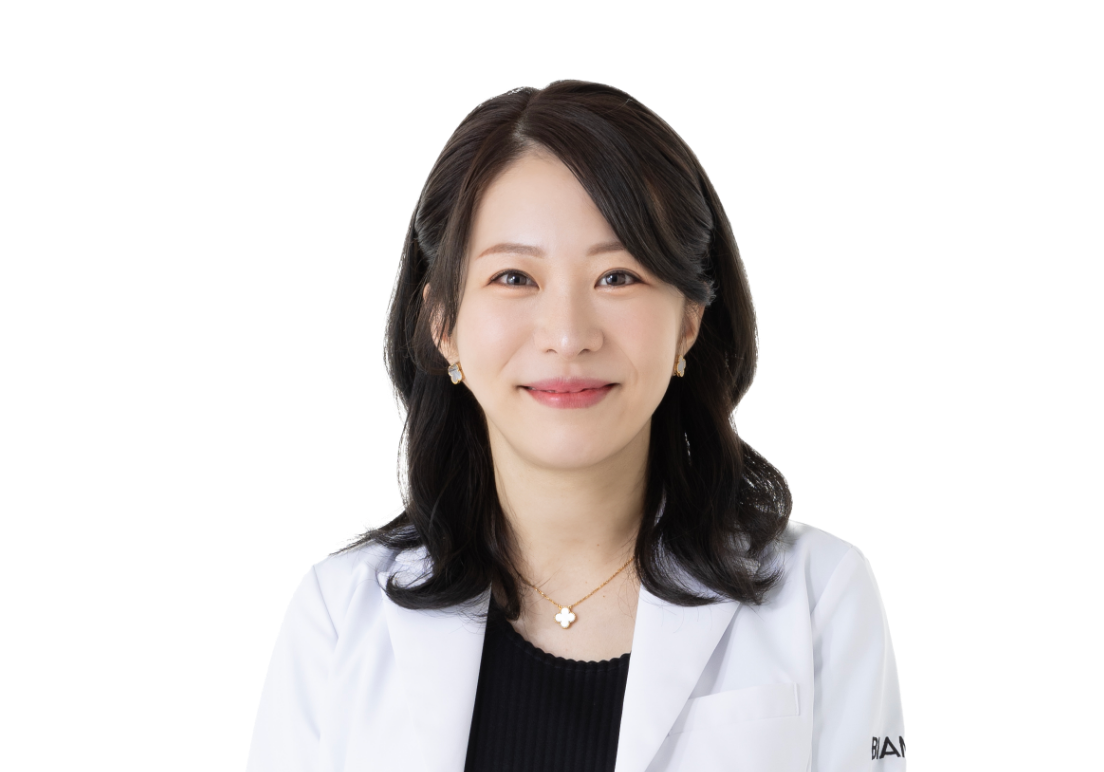
I am Yoko Maeda, a certified aesthetic medicine specialist at BIANCA.
Profile of Dr. Yoko Maeda, Director of Aesthetic Medicine
Completed initial training at Okinawa Prefectural Nanbu Medical Center and Children's Medical Center. Worked in the Department of Radiology at Kyoto Prefectural University of Medicine and at an aesthetic clinic. Encountered high-dose vitamin C intravenous therapy at a seminar by the Intravenous Therapy Research Society. Studied abroad as a Research Fellow at the Riordan Clinic in the United States. Achieved notable accomplishments, including passing the American Academy of Anti-Aging Medicine's specialist certification exam at the youngest age.
Currently serving as a Medical Director of Aesthetic Medicine at BIANCA. The role of a Medical Director of Aesthetic Medicine is to approach healthy beauty by caring for the body from within. As a professional in anti-aging care that treats aging from the inside out, I support patients in improving their constitution and maintaining a youthful appearance for years to come by proposing personalized treatments such as natural hormone replacement therapy, peptide therapy, and supplement therapy.
<Professional Affiliations and Qualifications>
・Director, Japanese Society of Aesthetic Medicine
・American Academy of Anti-Aging Medicine (A4M) Certified Specialist
・A4M Anti-Aging, Metabolism, and Functional Medicine Fellowship
・Certified Chelation Specialist, American Academy of Advanced Medical Sciences
<Check out more information about Dr. Yoko Maeda's aesthetic medicine practice here>
Dr. Yoko Maeda's Instagram account isHere
The official Instagram account for BIANCA isHere
The official YouTube account for BIANCA isHere
Do you know about oxytocin, the hormone of love and bonding?
Oxytocin is one of the happiness hormones.
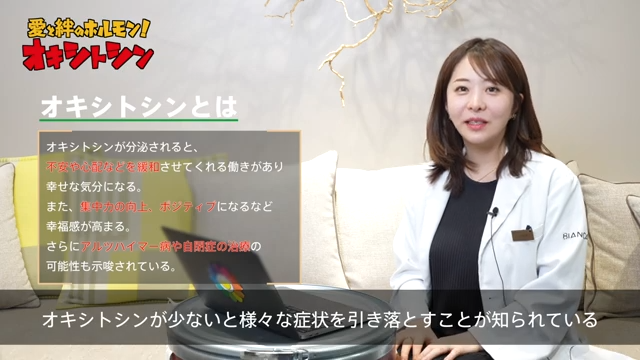
There are three types of "happiness hormones" that have a calming effect on the mind, and each type functions differently.
- ◆Bringing peace of mindSerotonin
- ◆MotivateDopamine
- ◆Feeling tenderOxytocin
This time, we're introducing oxytocin, one of the happiness hormones. It's a neurotransmitter secreted by the brain's hypothalamus and is also known as the love and bonding hormone. True to its name, oxytocin's effect is to alleviate negative feelings like anxiety and worry when secreted, thereby increasing feelings of happiness.
Oxytocin not only enhances concentration and promotes positivity, but also holds potential for treating Alzheimer's disease and autism, attracting widespread attention.
Oxytocin is used as a labor-inducing agent to stimulate uterine contractions during childbirth. It is also deeply involved in childbirth and breastfeeding. While it was previously recognized as a hormone specific to women associated with affection, research has progressed and revealed that it is also secreted in men.
What happens when you have too much or too little oxytocin?
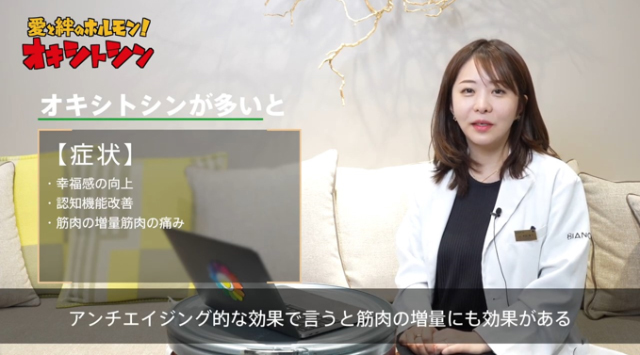
Adequate secretion of oxytocin has beneficial effects on both the mind and body.
For example, effects such as increased happiness and improved cognitive function. In terms of anti-aging benefits, muscle gain is also a potential effect.
People with high oxytocin levels tend to enjoy stable emotions and lead happy lives daily. When oxytocin secretion alleviates stress and enables stable emotional states, it contributes to overall health in both mind and body.
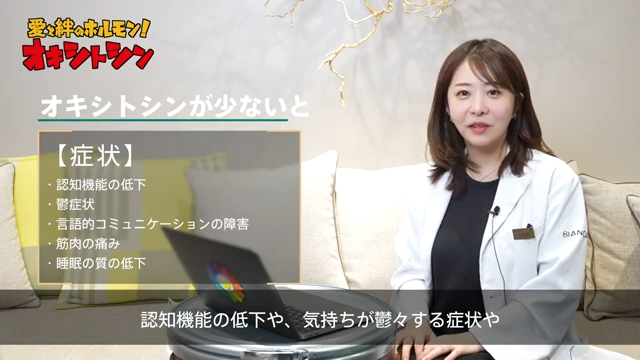
Conversely, symptoms when oxytocin levels decrease are as follows:
- ◆Cognitive decline
- ◆Depressive symptoms
- ◆Language Communication Disorders
- ◆Muscle Pain
- ◆Decline in Sleep Quality
Thus, a decrease in oxytocin can potentially cause both mental and physical discomfort. Symptoms like feeling gloomy, struggling to speak fluently, or having trouble falling asleep may be due to low oxytocin levels.
Why does oxytocin decrease, and how can you increase it?
The causes of decreased oxytocin are aging and stress. Living a life with as little stress as possible helps increase oxytocin secretion.
That said, in today's stressful society, it may be difficult to maintain a completely stress-free state. Try to manage stress effectively by maintaining a regular lifestyle and finding ways to relieve stress.
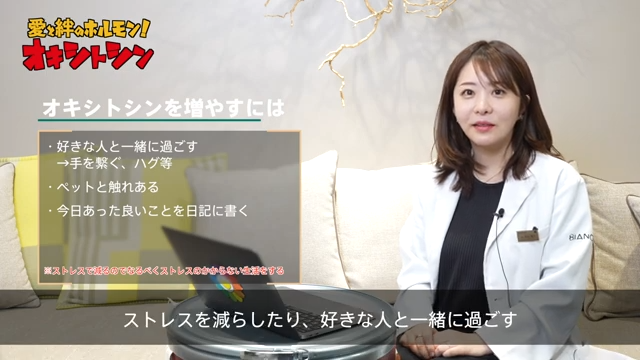
True to its name as the "happiness hormone," the mechanism of oxytocin secretion is stimulated by feeling good. The following actions can increase oxytocin secretion:
- ◆Spending time with someone you like
- ◆Physical contact such as holding hands or hugging
- ◆Interacting with Pets
- ◆Write down the good things that happened today in your diary.
Spending time with someone you care about, interacting with your pet dog, getting a massage—increasing these moments that bring you happiness activates oxytocin secretion. Interacting with people or pets and making eye contact also deepens trust and bonds.
Making lifestyle choices that boost oxytocin secretion is also part of anti-aging. This positive cycle for both mind and body can yield beneficial effects for youthfulness and beauty.
If you're curious about your oxytocin levels, there are websites where you can check them, so please give them a try.