column (e.g. in newspaper)
2024.03.22
Is Sauna Good for Your Health? A Cosmetic Dermatologist Explains the Effects Medically!
To maximize your beauty, care for both the inside and outside is essential. We aim to bring advanced anti-aging treatments, such as peptide therapy common overseas, to our Japanese patients. While aesthetic medical approaches may offer more gradual results, they are crucial for building the foundation that supports beauty and youth. We combine nutritional therapy and lifestyle improvements with hormone replacement, peptide therapy, and regenerative medicine to propose personalized treatment plans. We provide long-term support for health and beauty from within.
Hello, everyone.
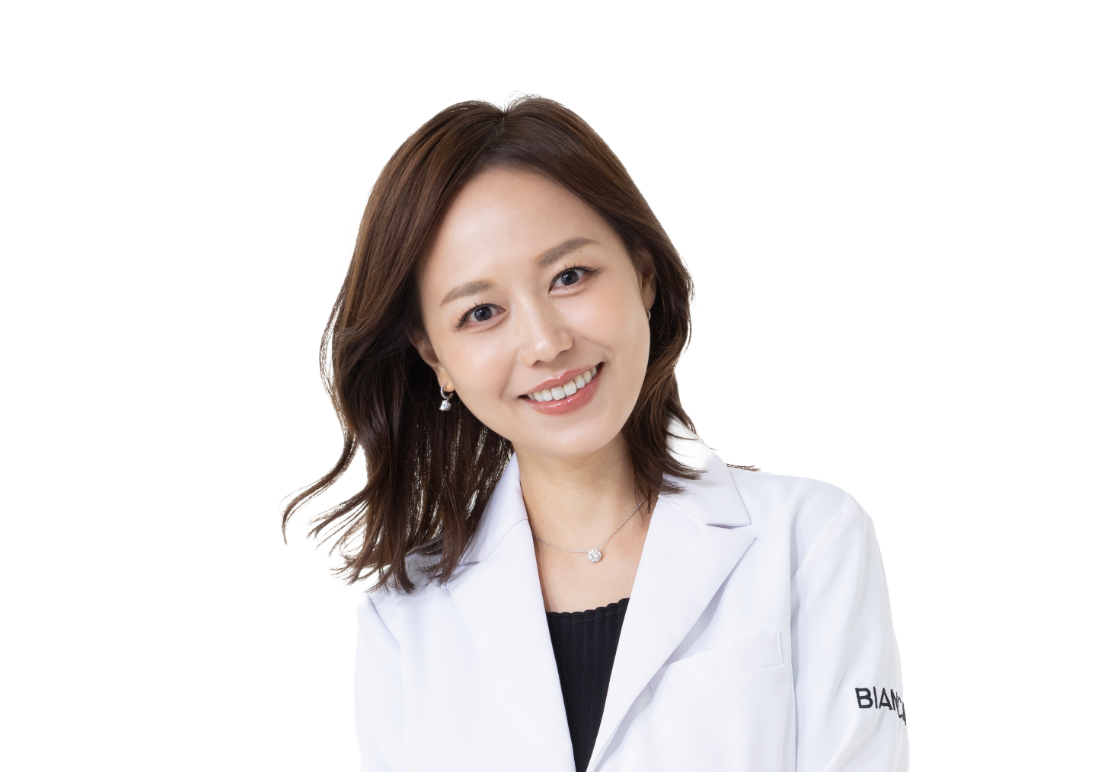
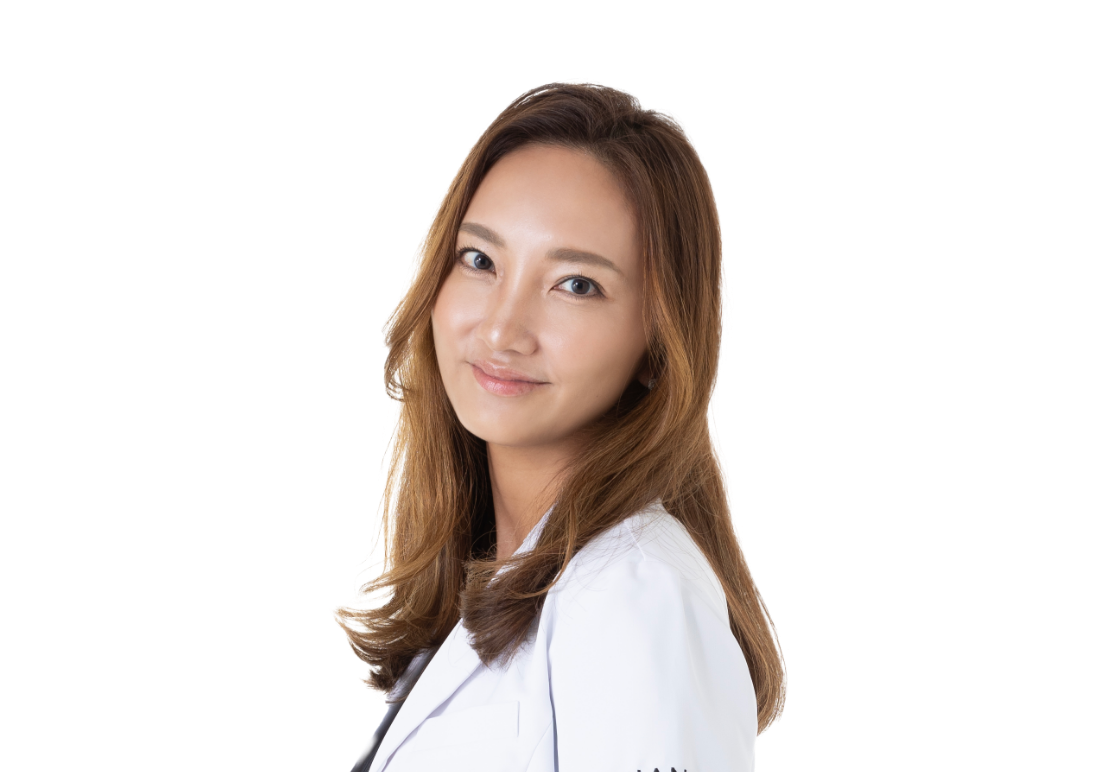
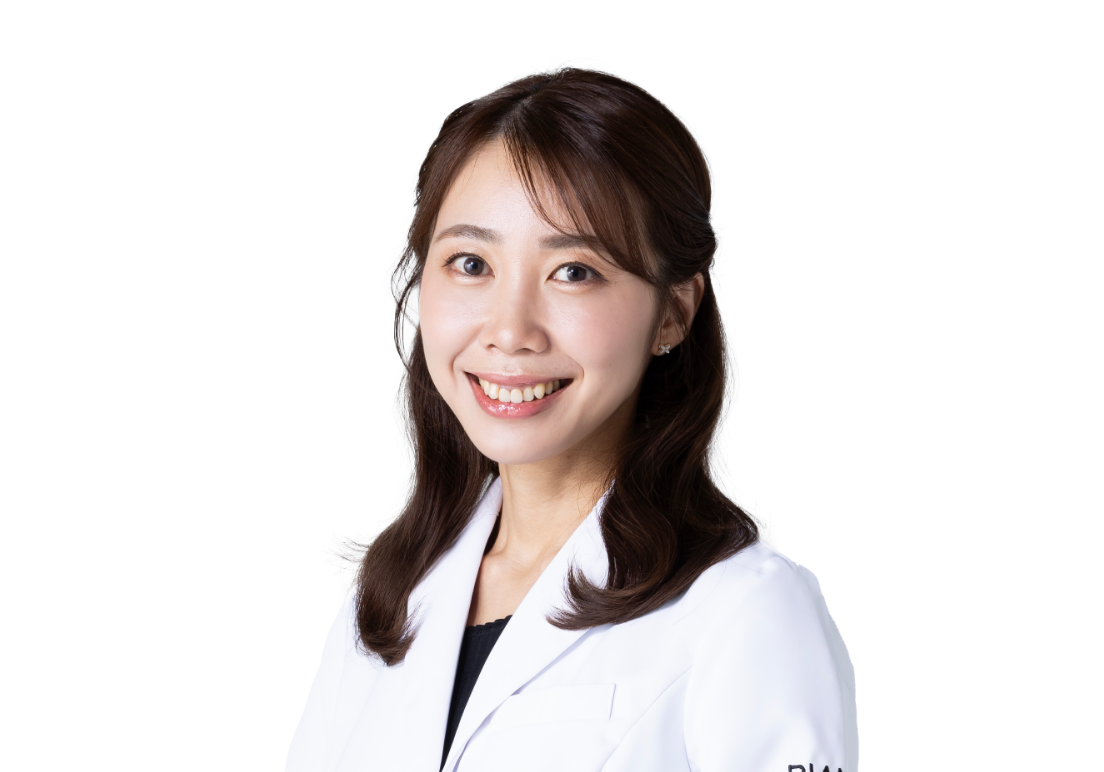
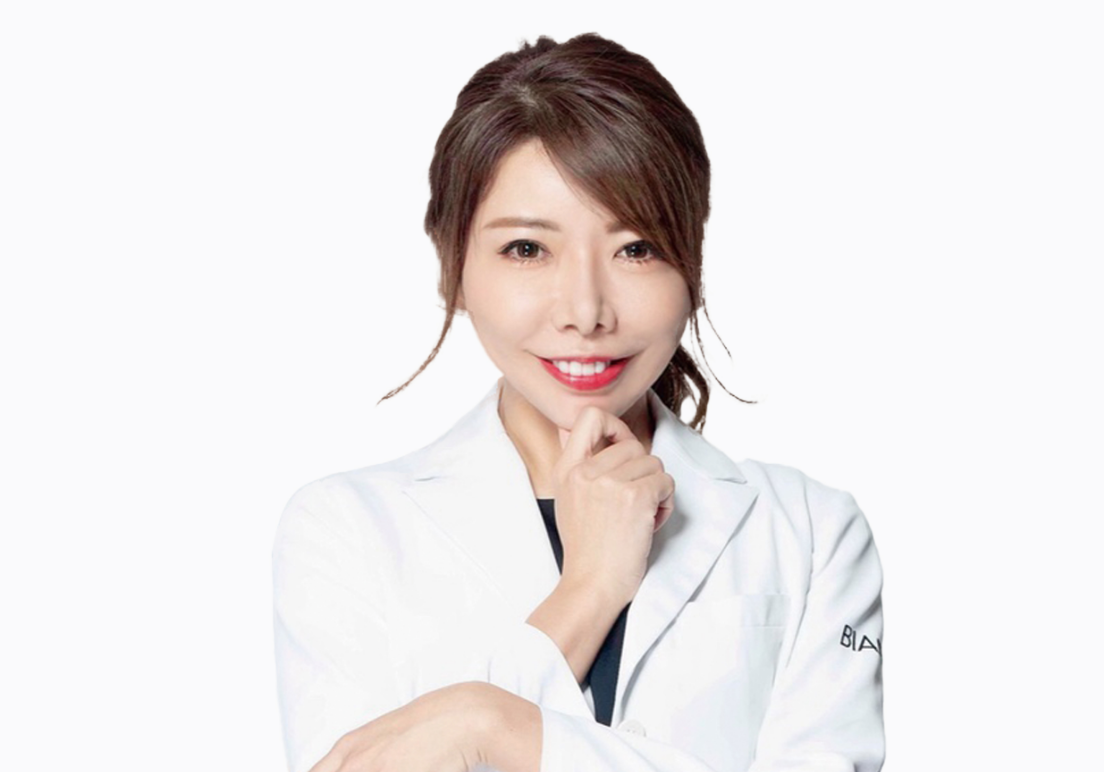
I am Yoko Maeda, Director of Aesthetic Medicine at BIANCA Clinic.
Profile of Dr. Yoko Maeda, Director of Aesthetic Medicine
Completed initial training at Okinawa Prefectural Nanbu Medical Center and Children's Medical Center. Worked in the Department of Radiology at Kyoto Prefectural University of Medicine and at an aesthetic clinic. Encountered high-dose vitamin C intravenous therapy at a seminar by the Intravenous Therapy Research Society. Studied abroad as a Research Fellow at the Riordan Clinic in the United States. Achieved notable accomplishments, including passing the American Academy of Anti-Aging Medicine's specialist certification exam at the youngest age.
Currently serves as a Medical Director of Aesthetic Medicine at BIANCA CLINIC. The role of a Medical Director of Aesthetic Medicine is to approach healthy beauty by caring for the body from within. As a professional in anti-aging care that treats aging from the inside out, she supports patients in improving their constitution and maintaining a youthful appearance for years to come by proposing personalized treatments such as natural hormone replacement therapy, peptide therapy, and supplement therapy.
<Professional Affiliations and Qualifications>
・Director, Japanese Society of Aesthetic Medicine
・American Academy of Anti-Aging Medicine (A4M) Certified Specialist
・A4M Anti-Aging, Metabolism, and Functional Medicine Fellowship
・Certified Chelation Specialist, American Academy of Advanced Medical Sciences
<Check out more information about Dr. Yoko Maeda's aesthetic medicine practice here>
Dr. Yoko Maeda's Instagram account isHere
The official Instagram account for BIANCA CLINIC isHere
The official YouTube account for BIANCA CLINIC isHere
Some people may be using saunas for beauty and health purposes.
I've been asked, "Saunas are all the rage, but is it true they only help you relax and have no health benefits?" So this time, I'll share my perspective as a cosmetic internal medicine doctor.
What are the health benefits of saunas?

To get straight to the point, regularly enjoying a sauna at a time that suits you, without overdoing it, is one of the best ways to maintain good health.
Saunas offer various benefits. For example,
- ・Boosting immunity
- ・Reduced risk of cardiovascular disease
- ・Decrease in dementia incidence rate
- ・Relaxation effect
- ・Improved sleep quality
Examples include:
While saunas themselves do not directly cause weight loss, they may help create a body more prone to losing weight by reducing water retention and improving metabolism. Other potential benefits include washing away skin surface impurities through profuse sweating to reduce body odor, relieving stress, and alleviating feelings of depression.
While beneficial for healthy individuals, it may also offer positive effects for those with medical conditions, depending on their specific situation. In fact, saunas are sometimes incorporated as part of treatment for individuals with diabetes or cognitive decline. Those with medical conditions should consult their doctor, but when used appropriately, saunas can be expected to contribute to health benefits.

Recently, there has been an increase in sauna variations, and the health benefits differ slightly depending on the type. For example, infrared saunas that use far-infrared rays to warm the body are classified into near-infrared, mid-infrared, and far-infrared based on wavelength, and each wavelength provides distinct effects.
◆Near-infrared (wavelengths reaching the body's surface)... Improves skin condition and promotes wound healing, with effects on the skin's surface.
◆Mid-infrared rays (wavelengths that penetrate deeper than near-infrared rays)… effective for pain relief, etc.
◆Far-infrared rays (wavelengths that penetrate deep into the body)…improve immunity and blood flow
If you have a choice, I recommend a sauna that incorporates all wavelengths, as it can be expected to have effects from the surface of the body to its interior.
Is the cold plunge after a sauna good for your body?

After sweating in the sauna, some people may choose to take a cold plunge. While you might be concerned about whether this is safe for your health, it can actually have beneficial effects on your body.
The cold plunge after a sauna does more than just cool down your overheated body. By cooling the body warmed in the sauna, it constricts blood vessels, reduces lymph fluid production, and promotes blood circulation to maintain body temperature, offering these health benefits.
Rapid cooling traps heat within the body, causing the skin and pores to contract, making it less likely to catch a chill.
Cold therapy, which involves applying cold stress to the body for treatment, is also effective. Taking a cold plunge after a sauna session can further enhance the health benefits of the sauna.
Are there any precautions to take when using a sauna?
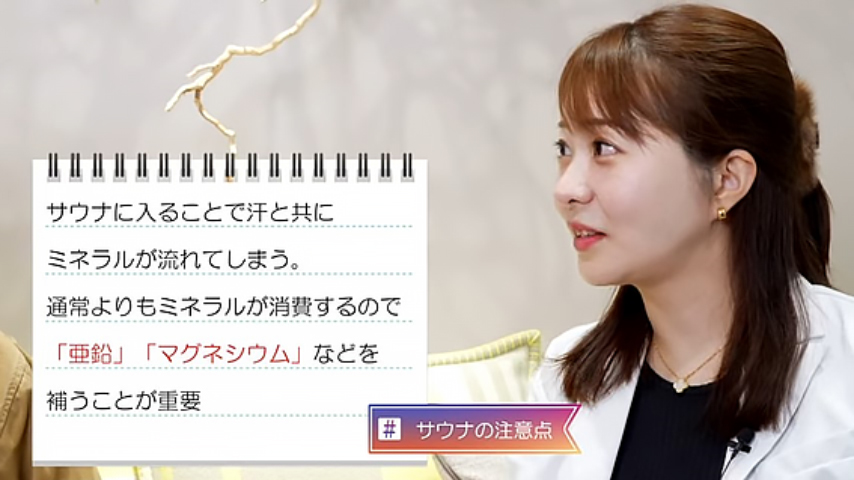
When you enter the sauna, you naturally sweat a lot. While many people consciously replenish fluids, what about minerals? When you sweat, minerals are lost along with the water.
Minerals are essential nutrients for the body. Since saunas cause heavy sweating, mineral consumption is higher than usual, making it important to consciously replenish minerals like zinc and magnesium.
Enjoy the sauna while consciously staying hydrated and replenishing your minerals.