column (e.g. in newspaper)
2024.07.02
Comparing the Nutritional Value of Vegetables 70 Years Ago vs. Today! Some Nutrients Have Decreased by 1/6? A Cosmetic Internal Medicine Specialist Explains the Causes
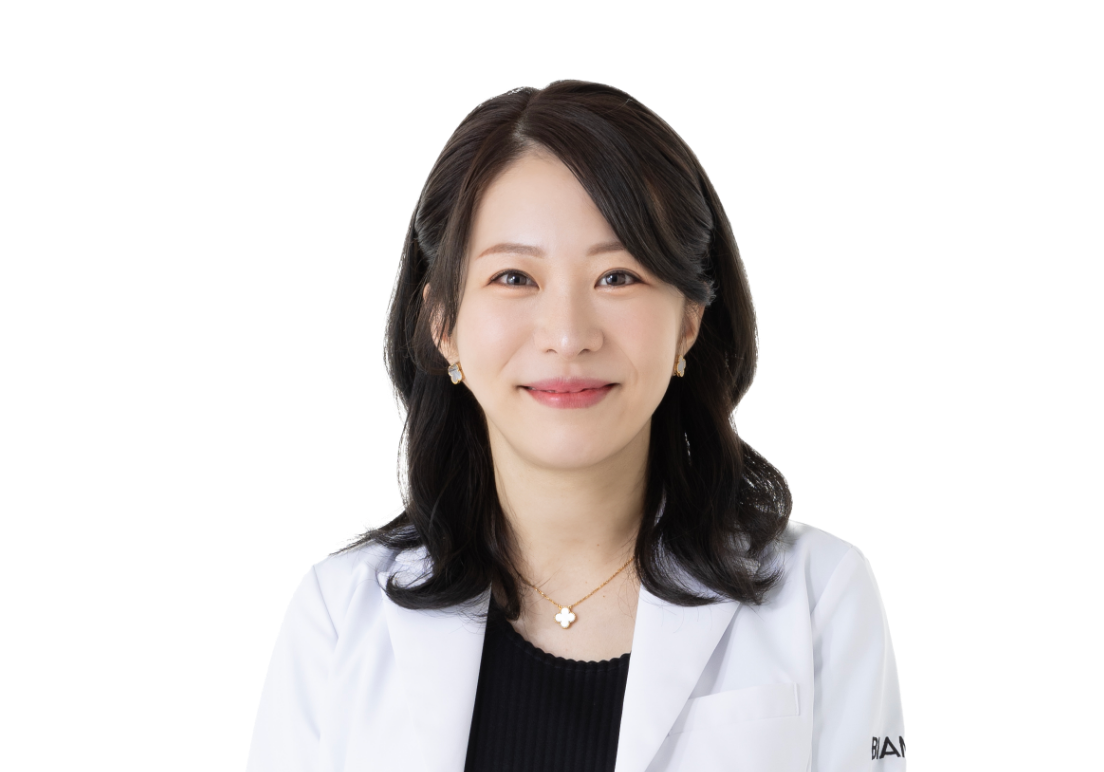
To maximize your beauty, care for both the inside and outside is essential. We aim to bring advanced anti-aging treatments, such as peptide therapy common overseas, to our Japanese patients. While aesthetic medical approaches may offer more gradual results, they are crucial for building the foundation that supports beauty and youth. We combine nutritional therapy and lifestyle improvements with hormone replacement, peptide therapy, and regenerative medicine to propose personalized treatment plans. We provide long-term support for health and beauty from within.
Hello, everyone.
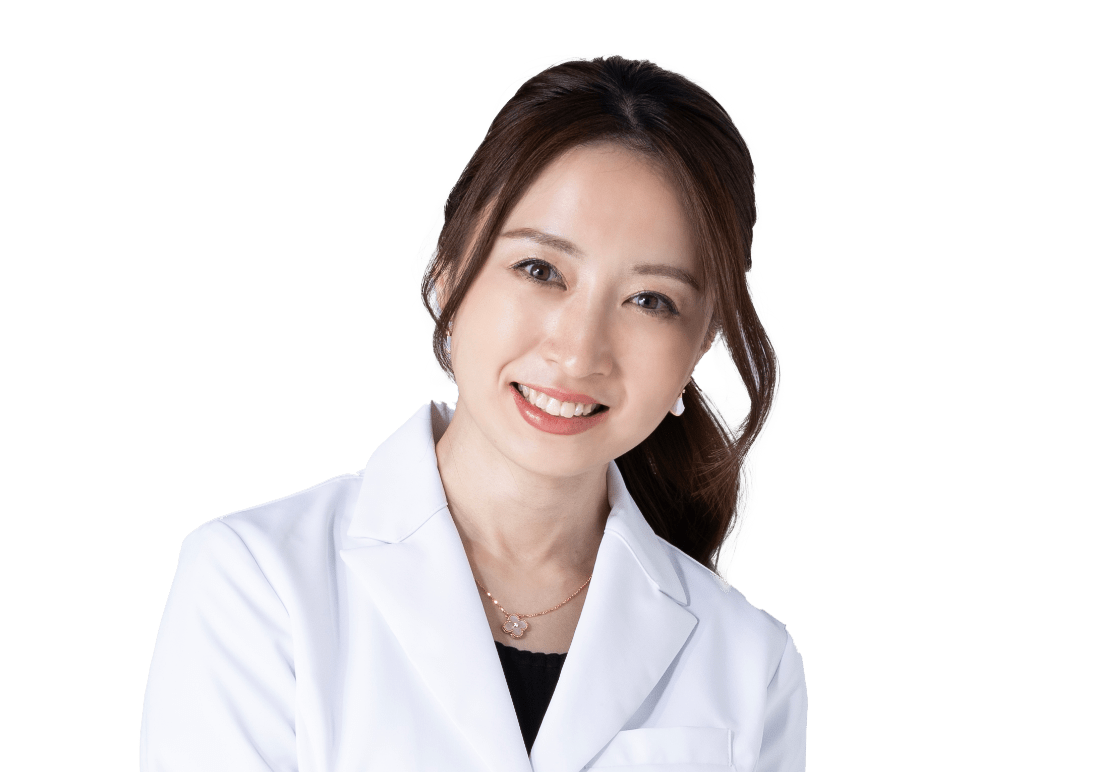
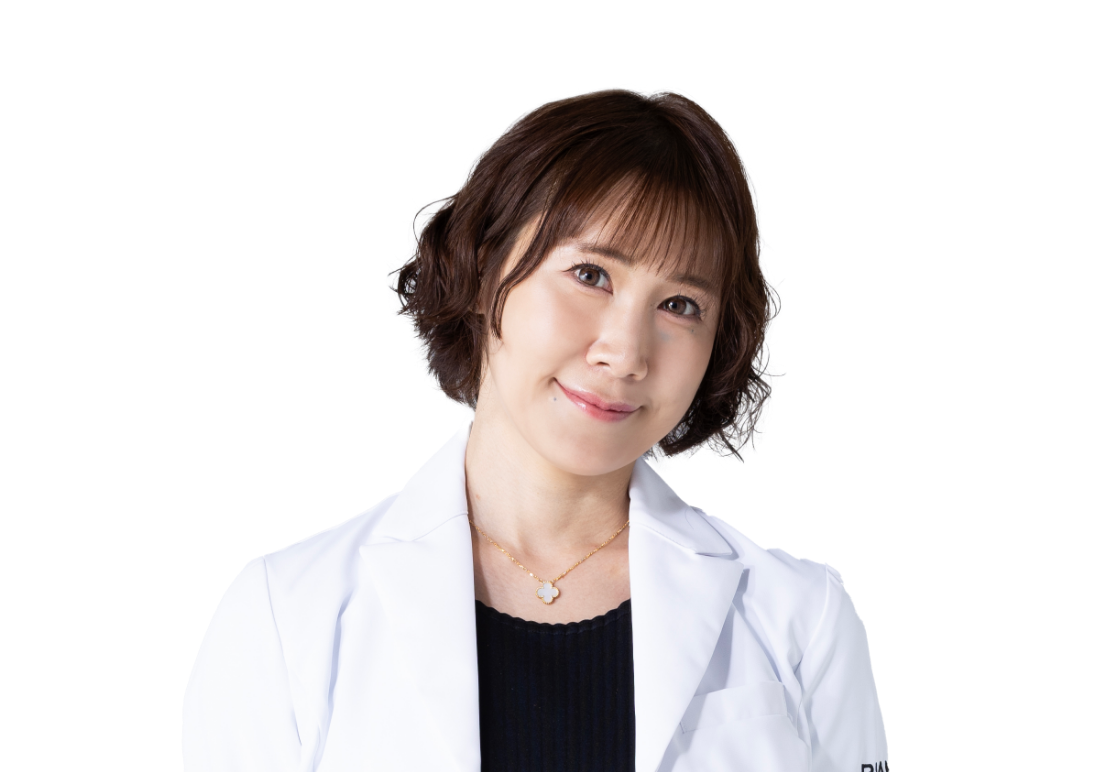
I am Yoko Maeda, a certified aesthetic medicine specialist at BIANCA.
Profile of Dr. Yoko Maeda, Director of Aesthetic Medicine
Completed initial training at Okinawa Prefectural Nanbu Medical Center and Children's Medical Center. Worked in the Department of Radiology at Kyoto Prefectural University of Medicine and at an aesthetic clinic. Encountered high-dose vitamin C intravenous therapy at a seminar by the Intravenous Therapy Research Society. Studied abroad as a Research Fellow at the Riordan Clinic in the United States. Achieved notable accomplishments, including passing the American Academy of Anti-Aging Medicine's specialist certification exam at the youngest age.
Currently serving as a Medical Director of Aesthetic Medicine at BIANCA. The role of a Medical Director of Aesthetic Medicine is to approach healthy beauty by caring for the body from within. As a professional in anti-aging care that treats aging from the inside out, I support patients in improving their constitution and maintaining a youthful appearance for years to come by proposing personalized treatments such as natural hormone replacement therapy, peptide therapy, and supplement therapy.
<Professional Affiliations and Qualifications>
・Director, Japanese Society of Aesthetic Medicine
・American Academy of Anti-Aging Medicine (A4M) Certified Specialist
・A4M Anti-Aging, Metabolism, and Functional Medicine Fellowship
・Certified Chelation Specialist, American Academy of Advanced Medical Sciences
<Check out more information about Dr. Yoko Maeda's aesthetic medicine practice here>
Dr. Yoko Maeda's Instagram account isHere
The official Instagram account for BIANCA isHere
The official YouTube account for BIANCA isHere
Are you eating enough vegetables? As one of the essential foods for health, the Ministry of Health, Labour and Welfare also350 grams or more per dayWe encourage eating.
Did you know that the nutrients in today's vegetables have actually decreased compared to the past? Today, we'll explain the nutritional content of vegetables 70 years ago versus today.
70Comparison of Nutrient Content in Vegetables Between Years Ago and Today

This graph compares the nutrient content in vegetables from 1950 and 2015.
| Carrot/Vitamin A | 4,455 ng → 720 ng |
| Spinach/Vitamin C | 150mg → 35mg |
| Spinach/Iron | 13mg → 2mg |
| Celery/Vitamin B1 | 0.8mg → 0.03mg |
| Asparagus/Vitamin B2 | 0.3mg → 0.15mg |
| Pumpkin/Calcium | 44mg → 20mg |
Looking at this, we see that the vitamin A in carrots has decreased from 4,455 ng to 720 ng—a whopping one-sixth! The vitamin C in spinach has dropped from 150 mg to 35 mg, and the iron from 13 mg to 2 mg, showing a significant reduction.
Therefore, even if you eat the exact same amount of carrots as before, you likely won't get the same nutrients. Some of you might be surprised to hear how much they've shrunk.
The cause of the decrease in vegetable nutrients
One reason for the decline in vegetable nutrients is believed to be the depletion of nutrients from the soil due to continuously growing the same crops in the same fields. Furthermore, while vegetable nutrients are influenced by the nutrients absorbed from the soil, modern agriculture focused on increasing yields also means that the nutrients available to each individual crop become reduced.
One reason is that breeding efforts have been underway to progressively reduce the minerals responsible for bitterness and the phytochemicals found in vegetable and fruit skins, reflecting the current trend of avoiding bitter vegetables.
VegetablesHow can I more effectively absorb the nutrients in fruits?
Of course, numbers aren't everything. Both carrots and spinach contain various nutrients beyond those that have decreased, so it's important to actively consume vegetables. What matters is eating a variety of vegetables and fruits.
Choosing organically grown crops will likely increase their nutritional value. Since vegetables out of season or lacking freshness have lower nutritional value, it's also recommended to select seasonal vegetables or locally grown fresh produce. Furthermore, nutrients tend to decrease with processing, so it's ideal to cook and eat them as little processed as possible.
You might think we live in an age of plenty, but surprisingly many people are actually undernourished. Since it's becoming increasingly difficult to get all necessary nutrients from food alone, we recommend making smart use of supplements as needed.
- "What nutrients am I lacking?"
- "What kind of supplements should I take?"
We can also address questions such as these, so if you're interested in anti-aging care from within, please consult BIANCA. From an aesthetic medicine perspective, we'll propose ways to protect your health.