column (e.g. in newspaper)
2024.04.02
Is your hydration method okay? What certain things cause blood sugar to rise when consumed during meals?
To maximize your beauty, care for both the inside and outside is essential. We aim to bring advanced anti-aging treatments, such as peptide therapy common overseas, to our Japanese patients. While aesthetic medical approaches may offer more gradual results, they are crucial for building the foundation that supports beauty and youth. We combine nutritional therapy and lifestyle improvements with hormone replacement, peptide therapy, and regenerative medicine to propose personalized treatment plans. We provide long-term support for health and beauty from within.
Hello, everyone.
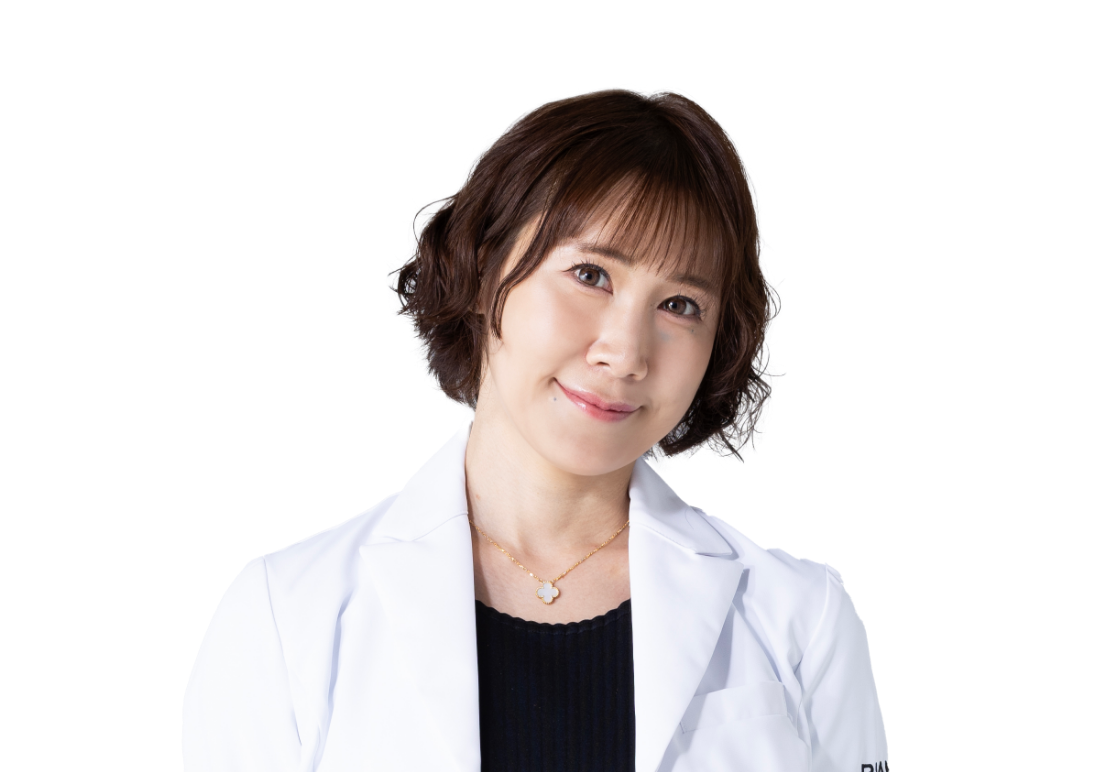
I am Yoko Maeda, a certified aesthetic medicine specialist at BIANCA.
Profile of Dr. Yoko Maeda, Director of Aesthetic Medicine
Completed initial training at Okinawa Prefectural Nanbu Medical Center and Children's Medical Center. Worked in the Department of Radiology at Kyoto Prefectural University of Medicine and at an aesthetic clinic. Encountered high-dose vitamin C intravenous therapy at a seminar by the Intravenous Therapy Research Society. Studied abroad as a Research Fellow at the Riordan Clinic in the United States. Achieved notable accomplishments, including passing the American Academy of Anti-Aging Medicine's specialist certification exam at the youngest age.
Currently serving as a Medical Director of Aesthetic Medicine at BIANCA. The role of a Medical Director of Aesthetic Medicine is to approach healthy beauty by caring for the body from within. As a professional in anti-aging care that treats aging from the inside out, I support patients in improving their constitution and maintaining a youthful appearance for years to come by proposing personalized treatments such as natural hormone replacement therapy, peptide therapy, and supplement therapy.
<Professional Affiliations and Qualifications>
・Director, Japanese Society of Aesthetic Medicine
・American Academy of Anti-Aging Medicine (A4M) Certified Specialist
・A4M Anti-Aging, Metabolism, and Functional Medicine Fellowship
・Certified Chelation Specialist, American Academy of Advanced Medical Sciences
<Check out more information about Dr. Yoko Maeda's aesthetic medicine practice here>
Dr. Yoko Maeda's Instagram account isHere
The official Instagram account for BIANCA isHere
The official YouTube account for BIANCA isHere
What do you drink with your meals?
Even when eating the exact same food, the type of beverage can affect how your blood sugar rises. Some drinks can cause a 33% spike in blood sugar...
Drinks that raise blood sugar during meals—those areWaterThat's it!

"Huh, the water everyone drinks every day? But it doesn't have any sugar?" I bet many of you thought that.
Drinking large amounts of water during meals tends to speed up the time it takes for nutrients to reach the stomach, making blood sugar levels rise more easily. Of course, sugary drinks also raise blood sugar, but even water without added sugar can become a factor in raising blood sugar levels.
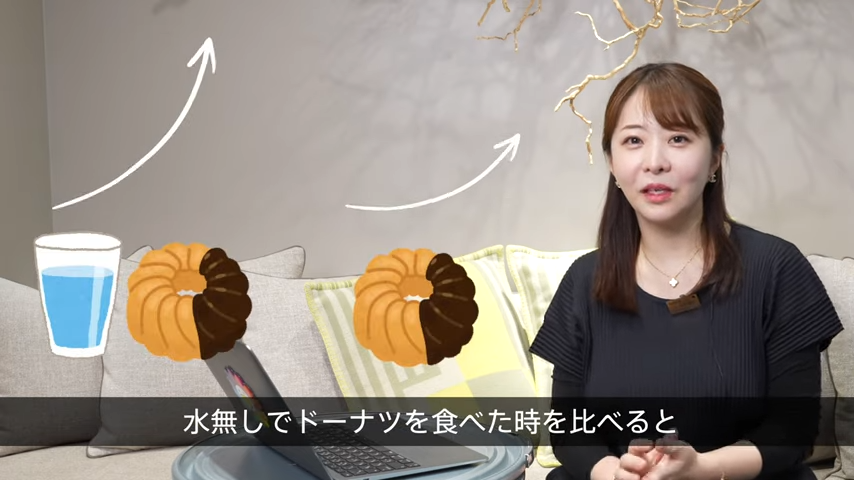
When we actually compared blood sugar levels between "eating a doughnut while drinking water" and "eating a doughnut without water," the blood sugar level was higher when "eating a doughnut while drinking water." The result showed a 33% increase compared to before eating.
What risks are associated with high blood sugar?
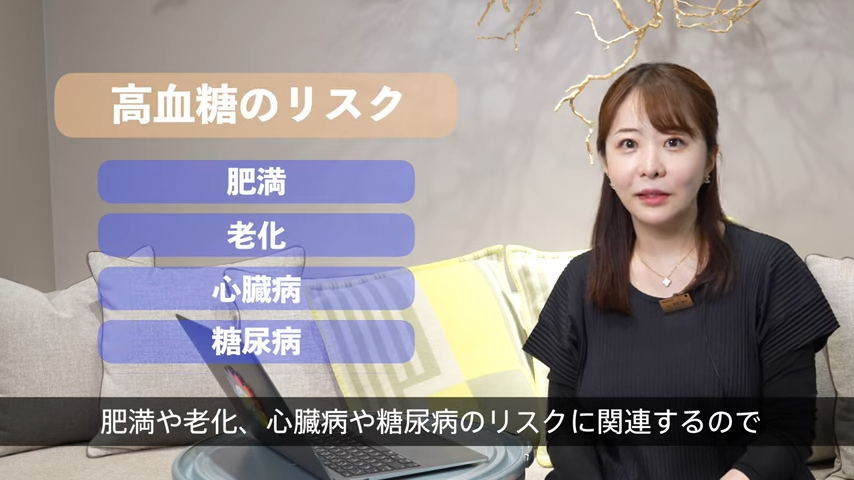
Some people may wonder, "What's wrong with having high blood sugar?"
High blood sugar means there is an excessive amount of sugar in the blood. When blood sugar rises, it can lead to various symptoms such as weakened blood vessel walls and clogged arteries. Specifically, it increases the risk of obesity, accelerated aging, heart disease, and diabetes.
Incidentally, foods that raise blood sugar include carbohydrates like rice, bread, and fruit—which are easily converted into energy—and fatty meats. Conversely, foods that raise blood sugar more gradually include mixed grain rice, root vegetables, and beans other than soybeans. It's important to practice eating habits that minimize blood sugar spikes, such as eating in this order: fiber-rich vegetables → protein like meat or fish → rice or bread.
To avoid raising your blood sugar, be mindful of beverages—they can be surprisingly easy to overlook. If you tend to gulp down water during meals or are prone to blood sugar spikes, it's safer to limit your water intake while eating.
How to drink water to suppress blood sugar spikes?

I mentioned that it's best to limit water intake during meals, but dehydration is not good for your body.
The key here is timing your water intake. To lower blood sugar, drink water 30 minutes before meals. Ideally, aim for about 500ml.
To suppress the rise in blood sugar levels

To slow the rise in blood sugar, it's also recommended to drink water with sour vinegar or squeezed lemon before meals. Even with the same meal content, the citric acid in vinegar or lemon can help lower blood sugar levels.
Donuts have holes, but unfortunately they're not zero calories, so be careful...!
When eating, consciously practice methods that lower blood sugar—such as starting with vegetables, mushrooms, and seaweed; eating three regular meals; and chewing slowly and thoroughly. Also pay attention to the beverages you pair with meals and the timing of intake to help control your blood sugar levels.