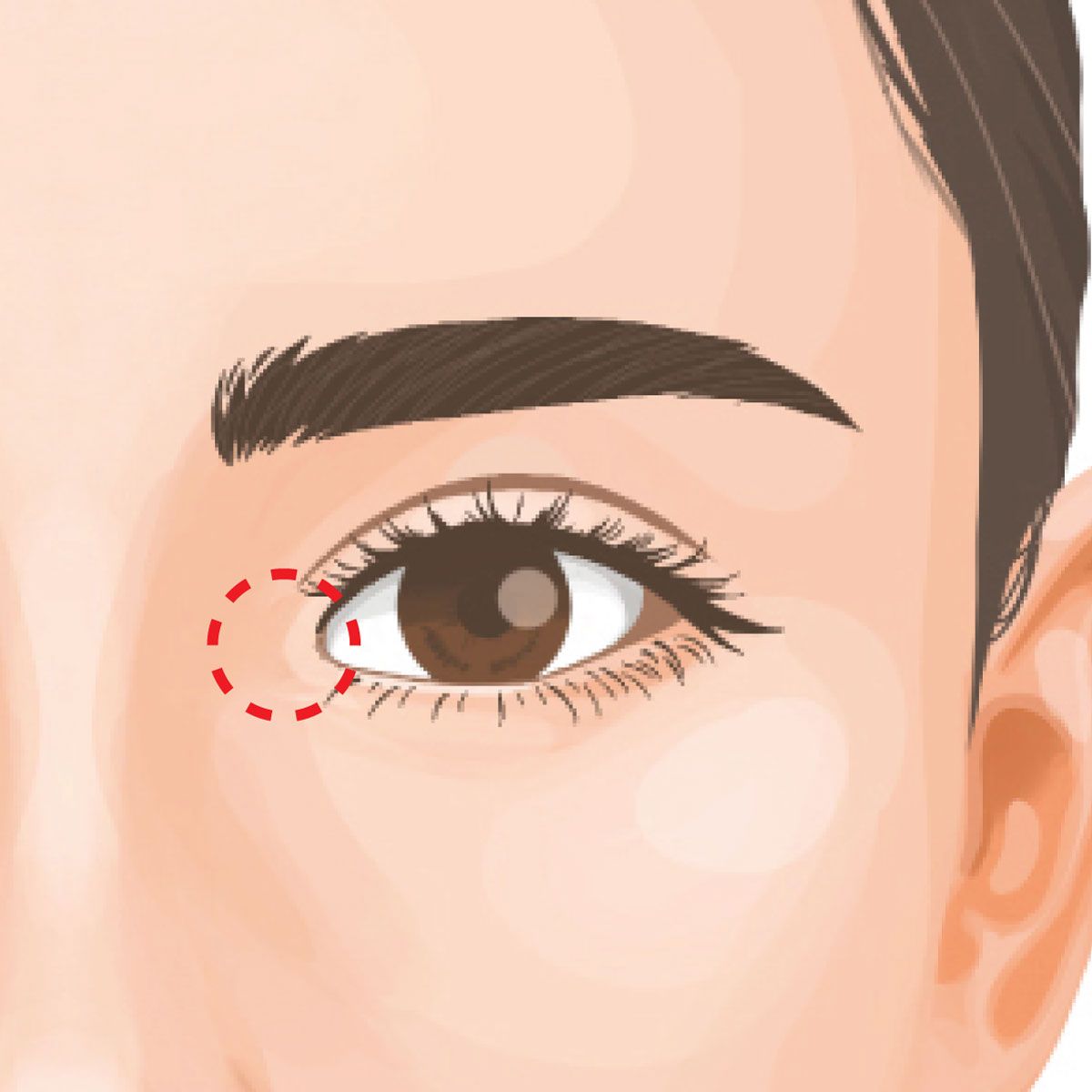
Mongolian fold formation (Correction of craniotomy)
Epicanthic Fold FormationRelax the tightness around your eyes and reset to a softer look.
- Addressing concerns such as crossed eyes or uneven eye alignment
- Correcting overly sharp-looking eyes caused by excessive inner canthus incision to achieve a softer appearance
- Selecting treatment methods tailored to each individual's eye area

Specialist in midface and scar revision. While being involved in scar treatment, blepharoplasty, and skin cancer surgery as a plastic surgeon, I have also trained as a cosmetic surgeon. His emphasis is to provide aging care based on the harmony of the entire face, not just localized areas. We use hyaluronic acid and fat to restore the natural fullness and roundness of the face while reusing as much fat as possible to counteract the loss of volume that occurs with aging. We also focus on scar revision to make scars as inconspicuous as possible.
Both appearance and functionality
We'll recommend eye procedures that fit your lifestyle
Do you wish to change your close-set eyes? Or perhaps you've had an epicanthoplasty and now feel it gives you a harsh appearance? Mongolian fold correction (epicanthoplasty revision) is one procedure designed to reshape the inner corner of the eye.
BIANCA CLINIC employs multiple board-certified plastic surgeons recognized by the Japan Society of Plastic and Reconstructive Surgery. Our physicians, possessing deep expertise, share knowledge and techniques within their specialties, striving daily to enhance each other's skills. We offer comprehensive aesthetic medical services, covering not only eye area procedures but also full-face plastic surgery, breast augmentation, body contouring, and a wide range of other cosmetic treatments.
Bianca Clinic features doctors who are eye specialists, having honed their skills not only in plastic surgery but also as ophthalmologists. If you are considering cosmetic procedures around the eyes, please entrust them to Bianca Clinic.
Downtime
DOWNTIMERecommended for people like this
RECOMMENDED FOR:Features
CHARACTERISTICSMongolian fold formation (revision of epicanthoplasty)
Mongolian fold creation and epicanthoplasty revision are surgical procedures that create a Mongolian fold to alter the appearance of the eye area or correct excessive removal of the fold during epicanthoplasty.
The epicanthal fold refers to the skin that extends from the upper eyelid toward the inner corner of the eye, a distinctive eyelid shape found in Asians. Even among Asians, some individuals are born without an epicanthal fold.
For those wishing to widen the distance between their eyes or correct unbalanced eye proportions, it is possible to create a new epicanthal fold to conceal the inner corner of the eye. Additionally, epicanthoplasty can address concerns such as eyes that are too close together, visible scarring, or dissatisfaction with the current shape and a desire to revert to the original appearance. Creating a new epicanthal fold can also help achieve a softer, more gentle eye impression.
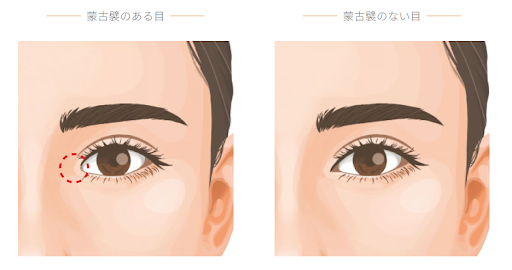
Selecting surgical procedures tailored to each individual's eye area
There are several surgical techniques for creating Mongolian folds. Your doctor will recommend the most suitable method based on the condition of your eyes and your preferences.
【V-Y Method】
Make a V-shaped incision at the inner corner of the eye and suture it in a Y-shape to conceal the tear mound*. Characterized by a flat design, it creates a rounded finish.
*Lacrimal mound (ruikyū)……The pink mucous membrane inside the inner corner of the eye
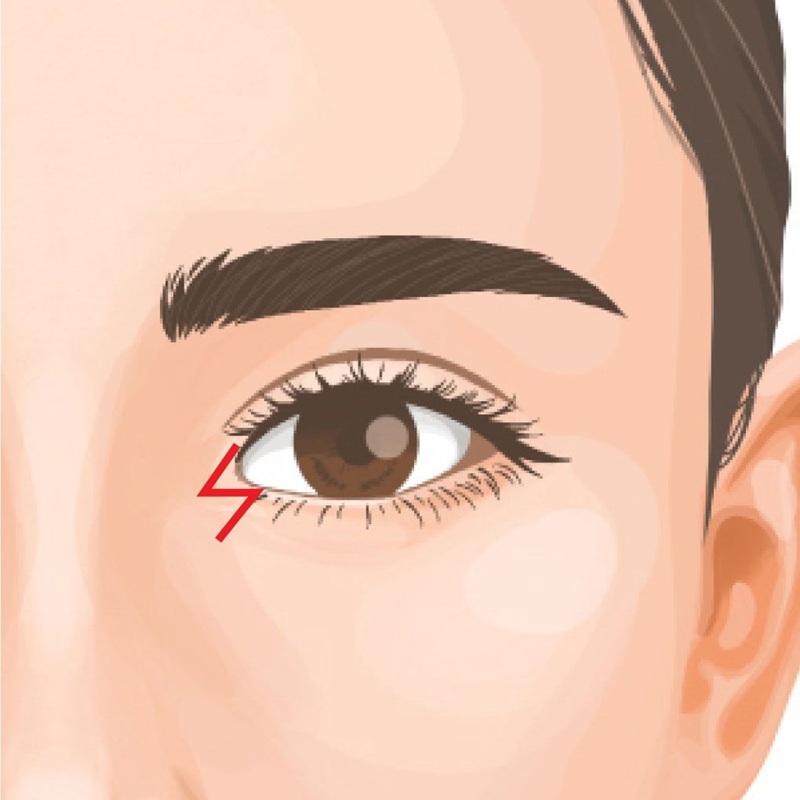
【Reverse Z Method】
This procedure reverses the Z-plasty technique used in epicanthoplasty. Skin from the upper inner corner of the eye is used to form and secure the epicanthal fold. The result is a three-dimensional, natural-looking finish.
Additionally, we tailor the design and surgical technique to each patient's specific needs and eye shape.
Prominent scars from epicanthoplasty can also be corrected.
After undergoing an epicanthoplasty procedure, you may be concerned about the visibility of the scar. The following factors can contribute to a noticeable scar:
- Design errors
- Inadequate suturing techniques
- Lack of understanding of the organization
- Individual skin type
- It is an area that easily attracts the eye.
The inner corner of the eye is located at the center of the face, making it an area where the gaze tends to focus and where scars are easily noticeable.
In some cases, if the scar from the craniotomy is noticeable, the scar can be adjusted to make it less noticeable through mongolian fold and craniotomy correction. The doctor will select the appropriate procedure, such as the choice of technique or fat injection, depending on the condition of the patient's eye socket.
Benefits
MERITAchieve a gentle look around the eyes
We aim to soften the sharp, intense impression of the eyes with their pronounced inner corners into a more rounded, gentle appearance.
Revision possible after unsatisfactory epicanthoplasty
We correct unsatisfactory results and imbalanced inner corners of the eyes. We also address scar correction.
Select the appropriate method from various surgical techniques
We select surgical techniques such as the V-Y method or inverted Z-plasty based on your preferences and the condition of your eyes to create a more beautiful eye area.
Recommended Features
RECOMMENDED POINTSRevision of epicanthoplasty requires a high level of skill and artistic sense.
Incisional blepharoplasty is a highly delicate procedure for the eye area where even slight differences in incision depth can significantly alter the final result. If the incision is too shallow, the change may be barely noticeable. Conversely, if the incision is too deep, it can create a harsh impression or an unnatural shape. Some individuals also come for consultation because they are concerned about scarring.
In such cases, Mongolian fold formation can create a softer eye area. However, the skin and tissue after incision undergo changes from their original state. Therefore, high design skills, solid technique, and extensive experience are essential for inner canthus revision.
At Bianca Clinic, revision epicanthoplasty is performed by plastic surgeons with advanced technical skills and extensive experience. If you are considering epicanthoplasty, we encourage you to consult with our clinic.
Eye surgery that carefully assesses the overall facial balance is crucial.
Approximately 80% of Japanese people are said to have a Mongolian fold. Of course, not having a Mongolian fold is not abnormal, and most Westerners do not have one.
Some people undergo epicanthoplasty hoping to achieve the distinctively defined eye area seen in Westerners. However, excessive incision can make the eyes stand out disproportionately, disrupting harmony with the nose and mouth. To prevent this, cosmetic surgery requires a design that considers the entire face, not just individual features.
A common principle for any cosmetic procedure is to avoid overdoing it. At our clinic, we believe it is best to respect our patients“ desires to ”become more beautiful" and "gain confidence," while aiming for a natural and harmonious result.
Don't get too caught up in trends or the golden ratio.
Did you know that Japan is actually the birthplace of double eyelid surgery? While about 70% of Japanese people are said to have single eyelids, beauty standards changed after the country opened to the world. In 1896 during the Meiji era, the world's first double eyelid surgery is believed to have been performed in Japan. Even today, eye procedures remain popular, with the number of surgeries continuing to rise.
Even with eye area plastic surgery, the preferred designs have changed with the times. Moreover, the golden ratio for a beautiful face can be easily looked up online, and many people are concerned about the balance of their facial features.
While cosmetic procedures aligned with current trends are possible, achieving noticeable changes may become increasingly difficult with repeated treatments. That's precisely why it's crucial to aim for an eye area that complements your own bone structure and facial features, rather than being swayed by fleeting trends or the so-called golden ratio.
Treatment area
TREATMENT AREAinner corner of the eye
Treatment Process
CONTENT OF TREATMENTExamination and Counseling
The doctor will examine the condition of your eyes and discuss your desired eye design. The surgery will be scheduled for a later date.

Design
First, please remove your makeup. Based on the consultation, we will sketch the design on your inner eyelid.

treatment
After administering topical anesthesia and local anesthesia, the surgery will be performed. The procedure takes approximately 20 minutes.

Aftercare
Please return to the clinic approximately one week after your procedure to have your stitches removed. If you have any concerns about your post-operative progress, please feel free to consult with us.

Schedule of Charges
PRICE LIST| Treatment Details | Standard rate |
|---|---|
| Mongolian fold formation | ¥423,500 |
Dr. Yagasugi, the supervising surgeon, has different surgical fees than those listed above.
Appointments specifically requesting Dr. Yagasugi incur an initial consultation fee of ¥5,500. For details, please contact the clinic.

Lifestyle Beautyis
proposed.
Our goal is to move you beyond satisfaction.
Responding to the desire for greater beauty and health,
What can we do for the well-being of our patients?
Providing total beauty to make your life shine,
That is our policy.
Go to BIANCA and you'll find a smile.
That's the kind of place we're aiming for.
Frequently Asked Questions About Mongolian Fold Creation (Inner Canthus Revision)
Q&AWhat is Mongolian fold surgery?
Mongolian fold creation (revision of epicanthoplasty) is a cosmetic surgery procedure that creates the skin fold (Mongolian fold) extending from the upper eyelid to the inner corner of the eye. It is expected to improve the balance of the eye area and create a softer, more gentle impression.
Who is Mongolian fold formation recommended for?
This procedure is suitable for individuals born without epicanthal folds or those who have lost them due to epicanthoplasty. It can also correct the appearance of eyes that seem close-set due to the absence of epicanthal folds.
How long does the downtime for Mongolian fold formation last?
Individual results may vary, but swelling typically subsides within a few days, and bruising usually fades within about 10 days.
Are the scars from Mongolian folds noticeable?
After surgery, red and swollen incision sites or white suture marks may be noticeable, but they usually fade over time. At our clinic, we carefully perform incisions and suturing to minimize scarring.
Is Mongolian fold creation effective for revision of epicanthoplasty?
Mongolian fold creation is one option for revising epicanthoplasty. It can reduce the size of overly wide inner corners of the eyes.
After Mongolian fold formation, when can I start wearing makeup or contact lenses?
Makeup may be applied starting the day after suture removal. Contact lenses may be worn approximately 3 days after the procedure. Please refrain from eyelash extensions for about one month after the procedure. Suture removal will be performed approximately one week after the procedure.
Can the formation of the Mongolian fold be reversed?
Swelling subsiding after treatment may give the impression that the results have reversed. Please note that the appearance around the eyes may appear unstable immediately after treatment or for about two weeks afterward due to effects like swelling and bruising.
Are there any precautions to avoid failure in Mongolian fold formation?
For the first three days after treatment, applying cold compresses to the eye area can help reduce swelling and bruising. Additionally, herbal medicine and IV drips are available to minimize swelling and bruising. Please consult your doctor if you wish to use these options.
【Procedure Details】Mongolian Fold Creation (Inner Canthus Revision)
【Estimated Treatment Period and Number of Sessions】Typically 1 session ※May vary depending on your condition.
【Risks and Side Effects】Infection, swelling, bruising, eyelid discomfort, asymmetry in double eyelids or eyelid opening, etc.