nasal septum extension
Nasal Septum Extension
Achieve a refined tip of the nose!
Adjust the tip of your nose to your desired position using your own cartilage for transplantation.
- A sharp, high nose tip. Subtle yet remarkably transformative.
- Precise design of height, length, and angle using a 3D simulation system
- Since your own cartilage is used, postoperative stability can be expected.

Specialist in rhinoplasty. He has performed many surgeries for functional restoration including nasal septal curvature at university hospitals, and has successfully performed rhinoplasty that requires advanced techniques at the level of reconstructive surgery. Currently, we offer rhinoplasty optimized for the Japanese and Asian population by incorporating advanced world-standard techniques such as preservation rhinoplasty. Our specialty is the “compact and sharp design with a tipped nose,” which is considered ideal in Europe and the United States. Combining his extensive experience as a plastic surgeon certified by the Japanese Society of Plastic and Reconstructive Surgery with the perspective of cosmetic surgery, he performs surgeries that combine functionality and beauty.

Multiple specialists in nose procedures are on staff!
We can address a variety of nasal concerns.
BIANCA CLINIC employs multiple physicians who have mastered nasal procedures, including board-certified plastic surgeons and technical instructors recognized by the Japan Society of Plastic and Reconstructive Surgery. Our specialists have treated numerous patients over many years, continuously updating their skills and knowledge to address a wide range of nasal concerns.
We offer comprehensive procedures to faithfully recreate the ideal nose our patients envision, including septal extension. We perform simultaneous procedures such as septal extension combined with tip rhinoplasty and nasal bone osteotomy (hump reduction, aquiline nose correction), as well as our "Full Custom Nose" procedure—a bespoke approach tailored to each patient that may include septal extension, tip rhinoplasty, nasal bone osteotomy for narrowing, and nasal implants. For any concerns about your nose, please consult our renowned nasal surgery specialists.
Downtime
DOWNTIMERecommended for people like this
RECOMMENDED FOR:Features
CHARACTERISTICSNasal Septum Extension
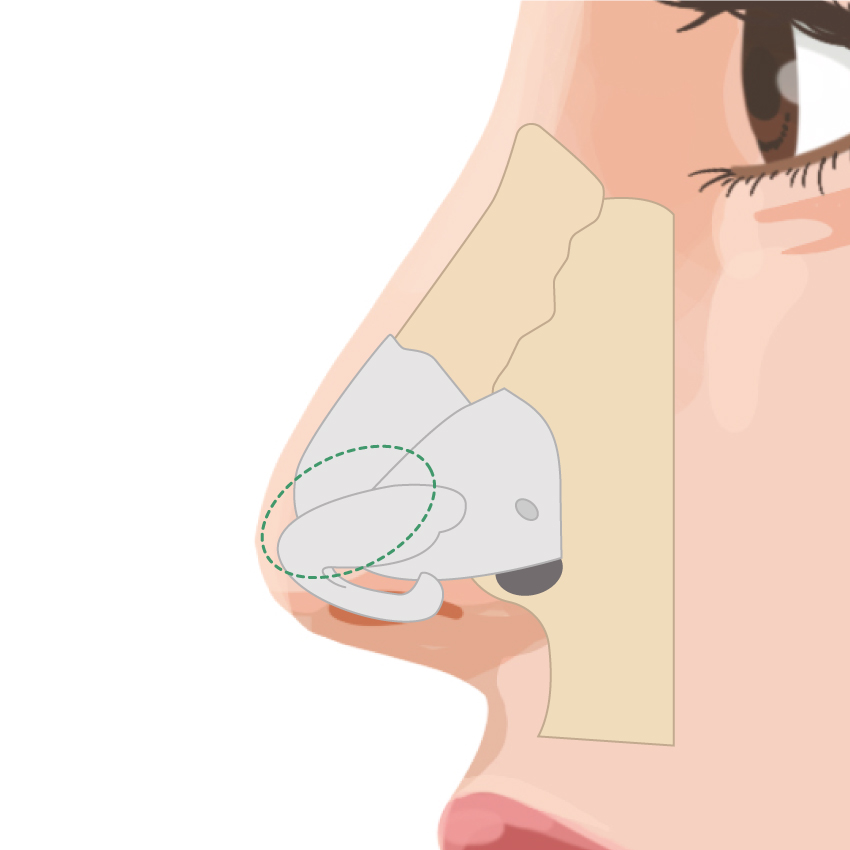
Septoplasty is a procedure that relocates the tip of the nose to the desired position by transplanting the patient's own cartilage onto the nasal septal cartilage. The nasal septum is the wall dividing the nostrils. A small nasal septal cartilage can cause an upturned nose, a short nose, or a bulbous nose. Therefore, cartilage from the ear, nasal septum, or rib is grafted onto the nasal septal cartilage to reshape the nasal tip into the desired form.
Ear cartilage grafting alone, where ear cartilage is transplanted to the nasal tip cartilage, can achieve a more defined nasal tip. However, septal extension—which lengthens the nasal septum itself, the nose's structural support—can produce more significant changes to facial appearance. Septal extension is an ideal procedure for individuals with upturned or short noses, helping to lengthen and refine the nose, and is particularly suitable for those with visible nostrils.
Types and Properties of Cartilage Suitable for Nasal Septum Extension
At Bianca Clinic, nasal septum extension procedures utilize different types of cartilage based on their properties and the specific goals of the procedure. The choice of cartilage varies for each patient, so please consult your physician for details.
| auricular cartilage | nasal septal cartilage | costal cartilage | |
|---|---|---|---|
| Size | interim (approx. 3 cm x 1.5 cm) |
on the small side (approx. 2.5 cm x 1.5 cm) |
big (approx. 4 cm x 2 cm) |
| thickness | thick (about 4-5 mm in two layers) |
thin (Approx. 1 mm) |
interim (Approx. 3mm) |
| hardness | soft | interim | firm (not viscous or easily moved) |
| Benefits | Small incision is made behind the ear for sampling, so scars are less noticeable. Nose tip does not bend easily and does not stiffen easily Deformity of the auricle is difficult to notice. |
Flexible and strong No new scars are created because the graft is placed in the same wound as the site of harvesting. |
Large size cartilage can be harvested. Sufficient strength Abundant in quantity |
| Disadvantages | Soft and not strong Thickness and bumps, noticeable when protruding into the nasal cavity |
Sometimes it is not possible to collect a sufficient amount of samples. | Difficult to collect A 3 cm incision is made in the chest to collect the sample, which leaves a scar on the chest. ...hardening of the tip of the nose. |
Confirm the finished look using a 3D simulation system
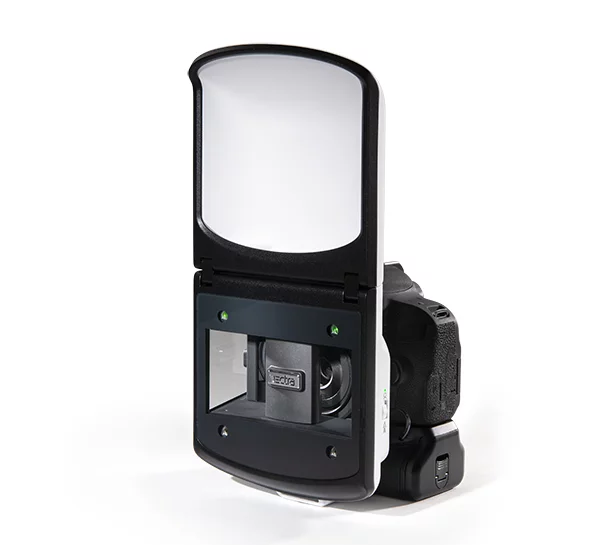
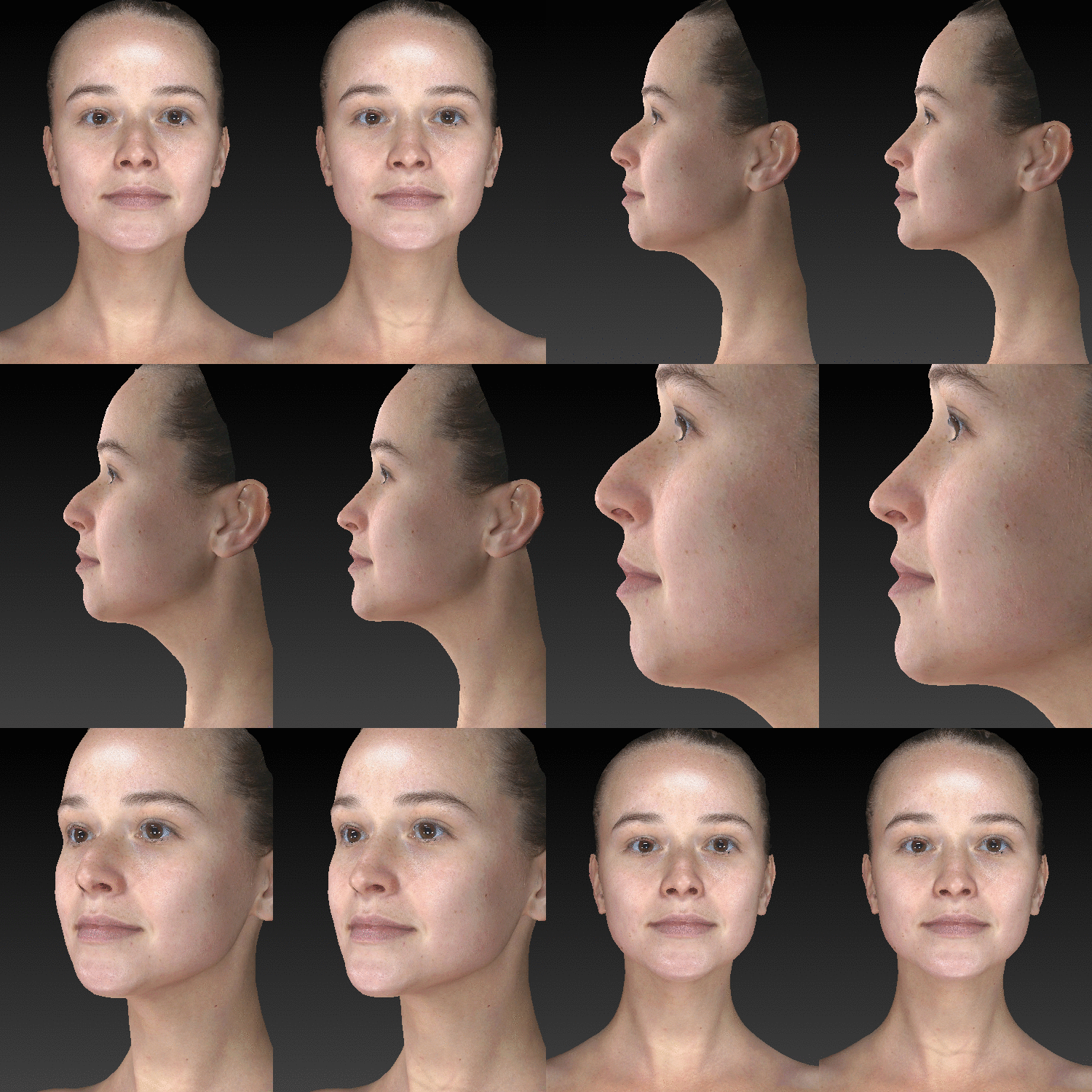
BIANCA CLINIC utilizes the 3D simulation system "VECTRAⓇ". "VECTRA" captures images of the patient's face using a specialized camera and converts them into 3D models. By manipulating the three-dimensional images on a computer, it is possible to view the pre- and post-treatment states from various angles, including front, side, and oblique views.
Using Vectra enables simulations accurate to the millimeter while incorporating the patient's preferences on the spot. This allows the patient and doctor to thoroughly share the post-treatment vision. By visualizing the treatment plan, we prevent post-treatment image gaps and strive to achieve results that provide greater satisfaction for the patient.
Benefits
MERITUsing your own cartilage ensures high postoperative stability.
At our clinic, we use your own cartilage (auricular cartilage, septal cartilage, or costal cartilage) for nasal septum extension, ensuring greater stability after the procedure.
The design range is relatively broad in terms of height, length, angle, etc.
We can accommodate a wide range of design preferences, from natural to dramatic changes, including the height, length, and angle of the nasal tip, tailored to each patient's desires.
We can also propose procedures that can be performed simultaneously with nasal septum extension.
We also offer procedures that can be performed simultaneously with nasal septum extension. However, we will not propose unnecessary procedures or make excessive recommendations to our patients.
Recommended Features
RECOMMENDED POINTSThe Difference Between Nasal Septum Extension and Nasal Tip Reshaping
The difference between nasal septum extension and nasal tip reshaping lies in the procedure itself and the specific nasal conditions for which each is suitable.
Nasal tip refinement is a procedure that sutures the cartilage at the tip of the nose to create a sharper, more defined shape. Since many Asians tend to have a rounded nasal tip, this technique reshapes the tip to achieve a more beautiful profile.
Nasal tip reduction is suitable for those concerned about a large nasal tip, as it can slim and refine the tip. On the other hand, septal extension is a procedure suitable for those concerned about a low or small nasal tip, as it creates a more balanced nasal tip. At Bianca Clinic, it is also possible to perform septal extension and nasal tip reduction simultaneously. Please consult with a physician for details.
Differences from non-surgical septal extension
Some patients may prefer to avoid procedures involving incisions, desire treatments with minimal downtime, or wish to keep costs as low as possible. At Bianca Clinic, hyaluronic acid injections for the nose are available. With BIANCA's high-quality techniques, you can change the appearance of your nose without surgery. Additionally, some clinics offer septal extension, which involves inserting special barbed threads into the tip of the nose. While both procedures are relatively simple to undergo, their effects typically last about one year. Therefore, patients seeking long-term results may find septal extension using their own cartilage to be a more suitable option.
Every procedure has its advantages and disadvantages. If you have concerns about your nose or are unsure which treatment is best for you, please feel free to consult with our clinic. Our rhinoplasty specialists will propose the most suitable treatment plan for you from a wide range of options.
To Avoid Regretting Excessive Nasal Septum Lengthening
Septal extension surgery allows for relatively free adjustment of the tip's height, length, and angle. However, since it involves transplanting and connecting cartilage that was not originally connected, the nasal tip tends to become stiff post-surgery, potentially limiting its movement. Therefore, excessive septal extension carries the risk of resulting in a crooked tip or an unnatural appearance, leading to an outcome far from the ideal. To avoid regret after surgery, it is crucial to consult with a trusted surgeon and undergo thorough counseling. This allows you to align your ideal image with a design that avoids placing excessive strain on the nose.
Treatment area
TREATMENT AREA鼻
Treatment Process
CONTENT OF TREATMENTPhysician's examination and counseling
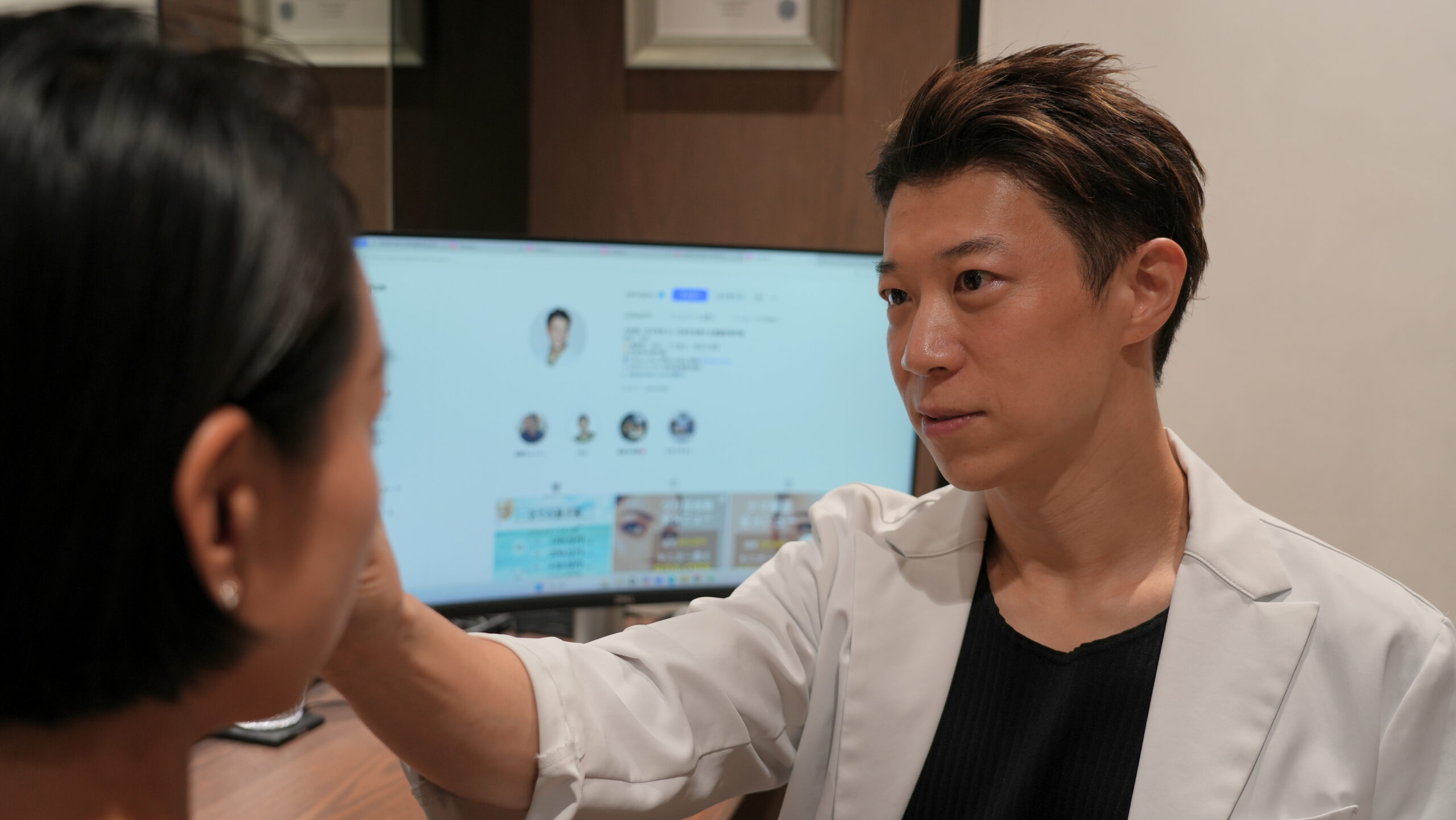
Our doctors will thoroughly discuss your concerns about your nose and your ideal image. After performing physical and visual examinations, we will propose a treatment plan tailored to each patient and provide a clear explanation of risks, downtime, and other details.
Design
Using the 3D simulation system "VECTRAⓇ" after nasal septum extension surgery
We will discuss the image with the doctor. We simulate the post-procedure nose down to the millimeter while incorporating the patient's preferences into the image on the spot.
treatment
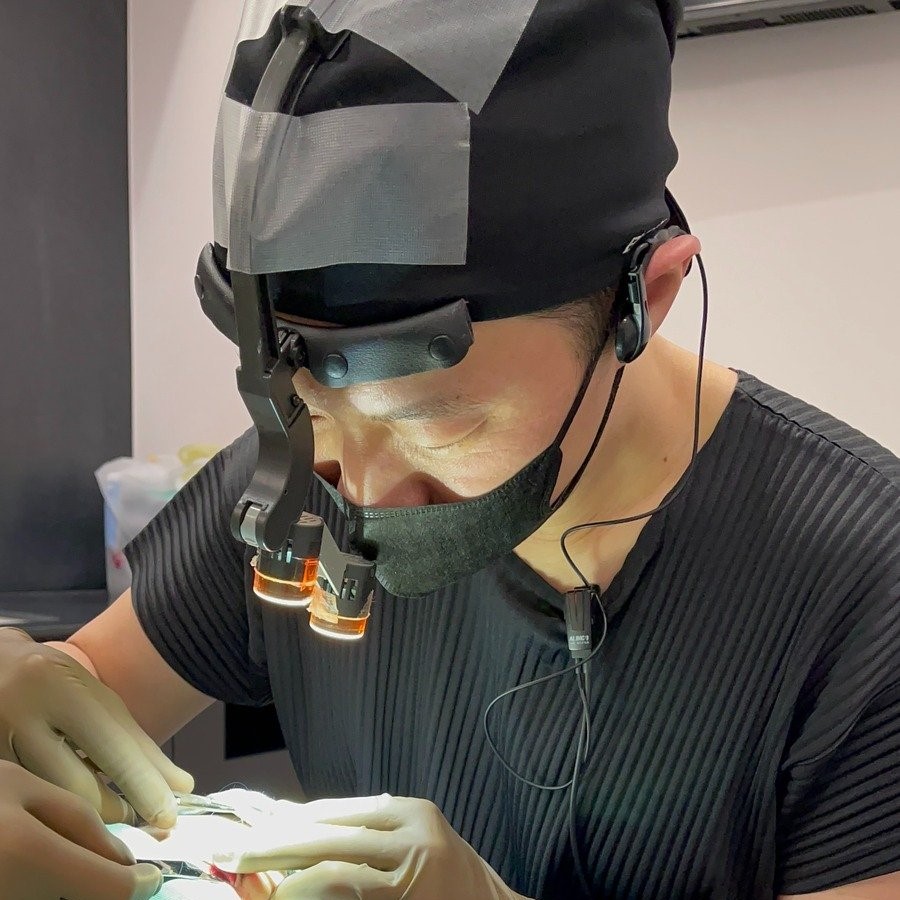
Before the procedure, you will be asked to cleanse and wash your face. Following that, we will reconfirm with you the details discussed during the consultation, examination, and design planning. Once the anesthesia has taken full effect, we will begin the procedure.
Aftercare
Sutures will be removed one week after the procedure. If you experience any concerns after the procedure, please contact our clinic at any time.

Schedule of Charges
PRICE LIST| Treatment Details | Standard rate |
|---|---|
| Nasal Septum Extension/Rib Cartilage Graft | ¥880,000 |
| Septal Extension/Septal Cartilage Grafting | ¥770,000 |
| Nasal Septum Extension/Ear Cartilage Graft | ¥660,000 |
Dr. Yagasugi, the supervising surgeon, has different surgical fees than those listed above.
Appointments specifically requesting Dr. Yatsugi will incur an initial consultation fee of ¥5,500.
For more details, please contact the clinic.

Lifestyle Beautyis
proposed.
Our goal is to move you beyond satisfaction.
Responding to the desire for greater beauty and health,
What can we do for the well-being of our patients?
Providing total beauty to make your life shine,
That is our policy.
Go to BIANCA and you'll find a smile.
That's the kind of place we're aiming for.
Recommended products for this concern
RECOMMENDED PRODUCTS
Frequently Asked Questions About Nasal Septum Extension
Q&AWill the scar be noticeable after a nasal septum extension procedure?
Because this procedure is performed using the open method, which involves incisions inside the nasal cavity and along the columella, a scar will form between the nostrils. However, it will become almost unnoticeable over time.
How long does the downtime last after a septal extension procedure?
Individual results may vary, but bruising typically subsides within about 10 days after treatment, and significant swelling usually resolves within 1 to 2 weeks. If you have any concerns about your condition after treatment, please contact our clinic.
Are there any disadvantages to nasal septum extension?
Applying pressure to the treated area may risk bending the nasal septal cartilage or transplanted cartilage. Additionally, since the procedure involves transplanting and reinforcing cartilage, the tip of the nose may become stiff. At our clinic, our rhinoplasty specialists thoroughly explain all potential risks before surgery. Please feel free to ask your doctor any questions you may have.
Does nasal septum extension tend to relapse and deform?
Depending on the condition and amount of cartilage used for grafting, there is a risk of insufficient strength leading to relapse. Additionally, excessive changes to the nasal tip can also cause relapse. To reduce the risk of relapse, bending, or other deformities, our clinic proposes a design that avoids excessive changes.
Can a nasal septum extension be reversed?
The nasal tip following septal extension surgery, due to the nature of cartilage grafting, may become difficult to revise if the original cartilage adheres to the grafted cartilage. While revision may be possible depending on the postoperative course and condition, the burden on the nose increases, and the risk of complications rises with each additional revision surgery. Therefore, it is crucial to thoroughly discuss your desired outcome with your surgeon before the procedure.
Are there any procedures that can be done at the same time as a nasal septum extension?
Yes. In some cases, procedures such as rhinoplasty using nasal tip reshaping or custom prosthesis insertion, along with hyaluronic acid injections to the chin, may be performed simultaneously with septal extension. Please consult your doctor for details.
Why is fixation necessary after nasal septum extension surgery?
The reason for applying a plaster cast primarily around the nasal tip after surgery is to prevent hematoma formation and reduce swelling. Additionally, we request that you keep the cast in place during sleep for approximately one month post-surgery, until the transplanted cartilage tissue stabilizes.
Will the cartilage grafted during septal extension surgery shift?
The cartilage used for septal extension is the patient's own tissue, making it highly compatible with the recipient site. Therefore, once the cartilage has taken hold, the risk of it shifting post-operatively is low. However, over time or under significant pressure, there is a possibility that the cartilage could become visible, bend, or become distorted.
Are there any restrictions on daily life after nasal septum extension surgery?
Please refrain from actions that place strain on the treated area, such as bumping the site where the nose or cartilage was removed or blowing your nose forcefully. Avoid strenuous exercise for one week after suture removal, but you may generally resume your normal daily activities starting the day after the procedure.
Is the nasal septum extension procedure painful?
We will begin the procedure only after confirming that the anesthesia is fully effective. If you have significant concerns about pain, please do not hesitate to discuss them with your doctor.
Related Articles
BLOG
Procedure Details: Nasal Septum Extension
Estimated treatment period and number of sessions: Typically 1 session
Side Effects and Risks: Swelling, bruising, infection, etc.
Treatment Using Unapproved Medical Devices, Unapproved Pharmaceuticals, and Other Unapproved Products
・May include unapproved drugs in Japan or treatments for purposes other than those approved by the pharmaceutical regulatory authorities.
・Medicines and medical devices used for treatment are introduced under the judgment of physicians.
・Except for products that have obtained pharmaceutical approval, there are no other domestically approved pharmaceuticals or medical devices with the same ingredients or performance.
・Information regarding safety and other matters in other countries
-Serious risks or side effects may not yet be fully understood.
・In the unlikely event of serious side effects, this product is not covered by the national pharmaceutical adverse reaction victim relief system.