Nose Tip Reduction / Nose Tip Reshaping (Bulbous Nose Correction)
NOSE TIP REDUCTIONDelicate design that blends in with the face, making the round tip of the nose sharp and beautiful.
- Naturally tightens the rounded tip of the nose to achieve sharp lines
- Natural and beautiful design that finds the balance of the entire face
- Experienced physicians are in charge of the procedure, and the scars are carefully finished without being noticeable.

Specialist in rhinoplasty. He is a board certified plastic surgeon by the Japanese Society of Plastic and Reconstructive Surgery. Based on the principle of “maximum effect with minimum treatment,” I propose the best surgical techniques and plans for my patients from various angles. He specializes in designs that beautifully accentuate the "individuality" of the patient while taking into account the golden ratio of the face. In particular, we create full-custom-made prostheses by combining CT and Vectra data to create full-scale blueprints, which are then precisely finished based on clay prototypes handmade from scratch on a skull model. The shape of the prosthesis can be reproduced with high precision as per the presented simulation, so that even the most detailed wishes can be met and stable results can be achieved.
Delicate rhinoplasty performed by a doctor who understands the structure of the nasal apex
The nose is a part that greatly influences the impression of the face. The bulbous nose, common among Asians, is characterized by the widening of the cartilage at the apex of the nose and the thickness of the subcutaneous tissue, which gives it a rounded appearance. At our clinic, only doctors who are well versed in the structure and anatomy of the nose are in charge of the procedure, in order to achieve a natural and beautiful result.
In addition, we have handled many revisions for patients who were not satisfied with procedures performed at other clinics, and we can handle cases that require delicate techniques.
If you are considering a rhinoplasty, please contact our clinic.
Case Presentation
CASES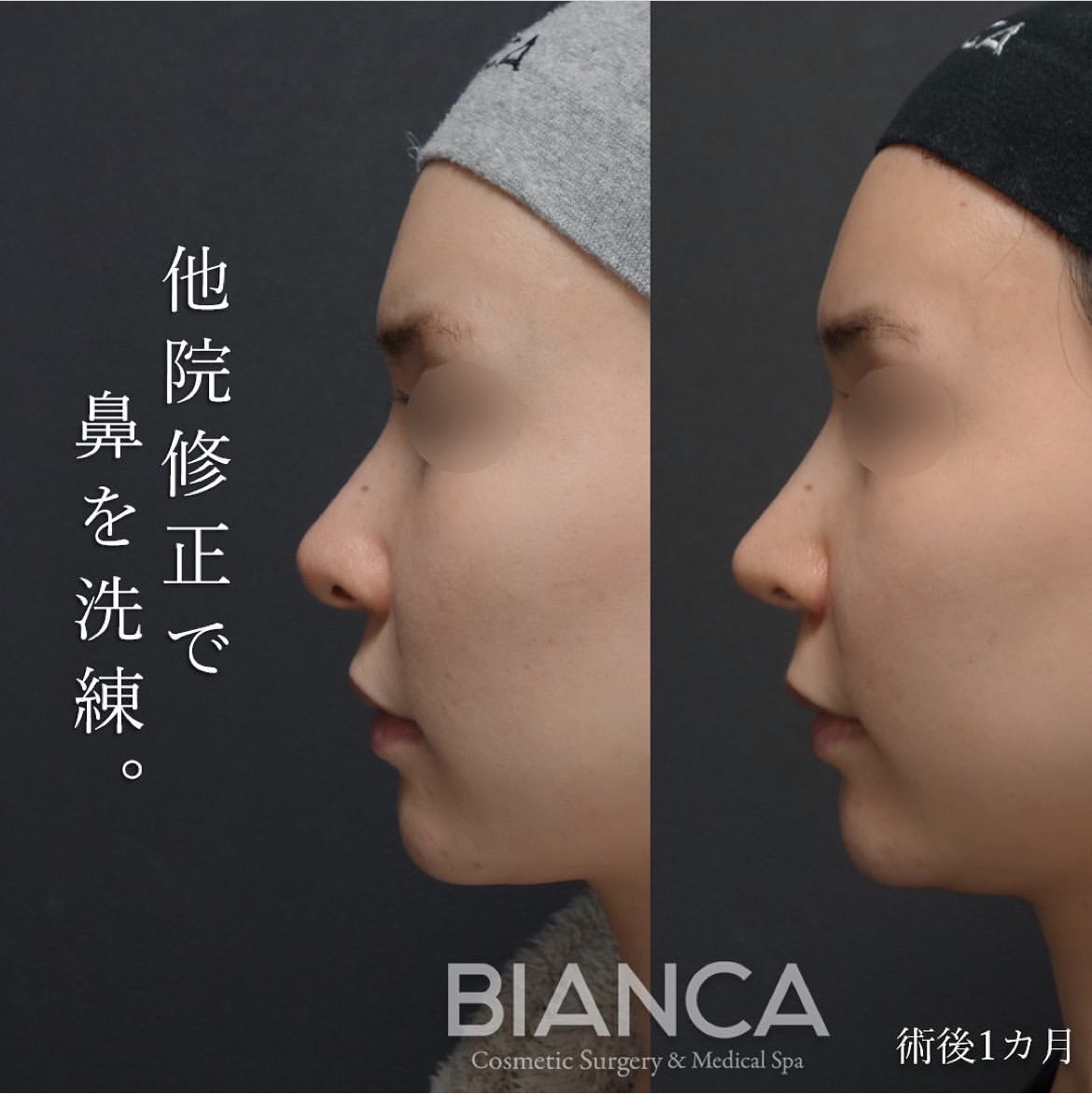
Nose Tip Reduction (Buried Suture Method) Bulbous Nose Correction Septal Extension
- Treatment Period and Number of Sessions
-
Top: Before treatment / Bottom: One month after treatment
- Side Effects and Risks
- Scars, regression, asymmetry, infection, etc.
- Cost
- Septoplasty: ¥770,000 Nasal tip reduction: ¥165,000 Revision surgery (from other clinic): ¥330,000 Alar reduction: ¥550,000
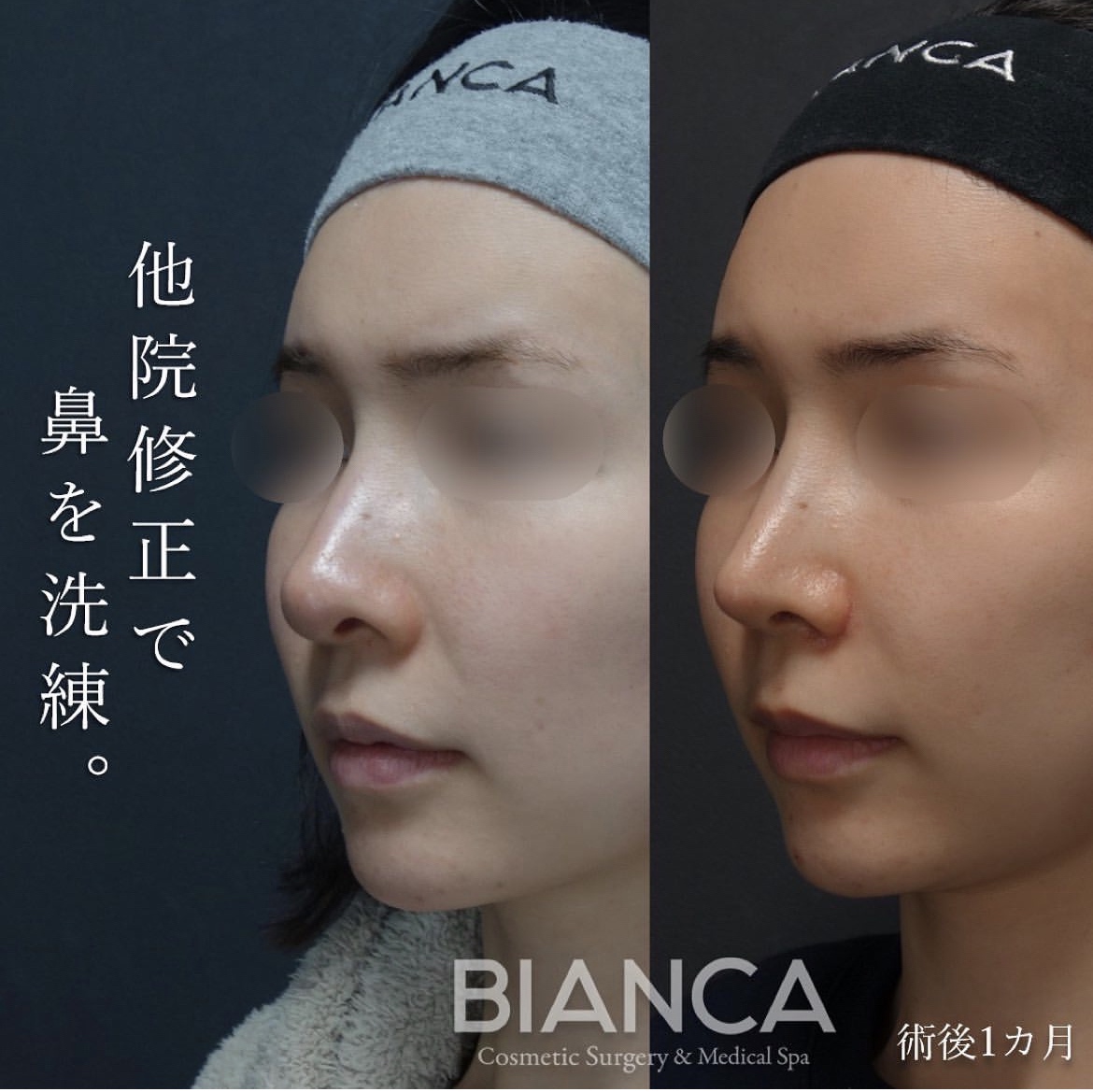
Nose Tip Reduction (Buried Suture Method) Bulbous Nose Correction Septal Extension
- Treatment Period and Number of Sessions
-
Top: Before treatment / Bottom: One month after treatment
- Side Effects and Risks
- Scars, regression, asymmetry, infection, etc.
- Cost
- Septoplasty: ¥770,000 Nasal tip reduction: ¥165,000 Revision surgery (from other clinic): ¥330,000 Alar reduction: ¥550,000

Nasal septum extension and rhinoplasty
- Treatment Period and Number of Sessions
-
Top: Before treatment / Bottom: Immediately after treatment
- Side Effects and Risks
- Swelling, bruising, infection, asymmetry in nose shape, relapse, nasal congestion, etc.
- Cost
- Septoplasty: ¥660,000 Rhinoplasty: ¥348,000
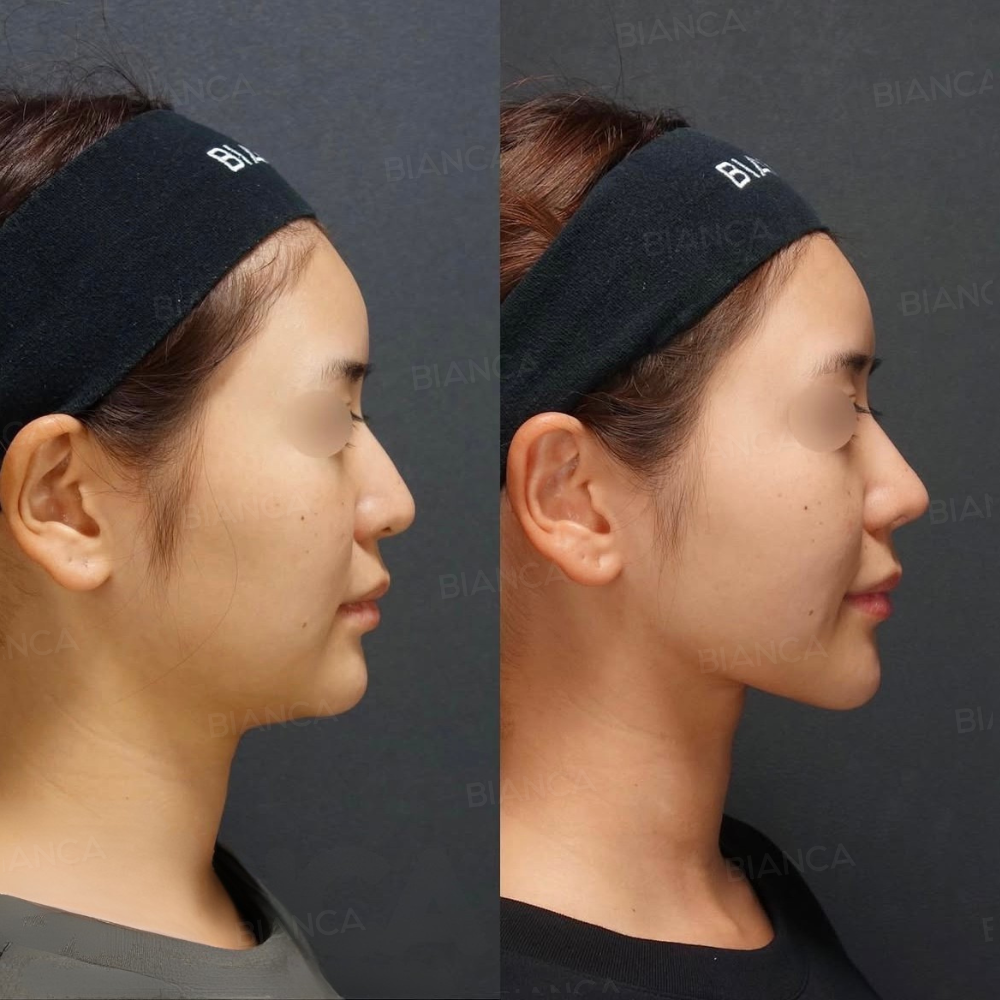
Septoplasty with Nasal Tip Augmentation Nasal Bone Osteotomy with Width Reduction Hump Reduction Facial Contouring Liposuction BIANCA LIFT MINT LIFT
- Treatment Period and Number of Sessions
- Top: Pre-operative / Bottom: 3 months post-operative
- Side Effects and Risks
- Swelling, bruising, infection, displacement, etc.
- Cost
-
Nasal Septum Extension: ¥770,000
Nose Tip Reshaping: ¥330,000
Hump Removal: ¥330,000
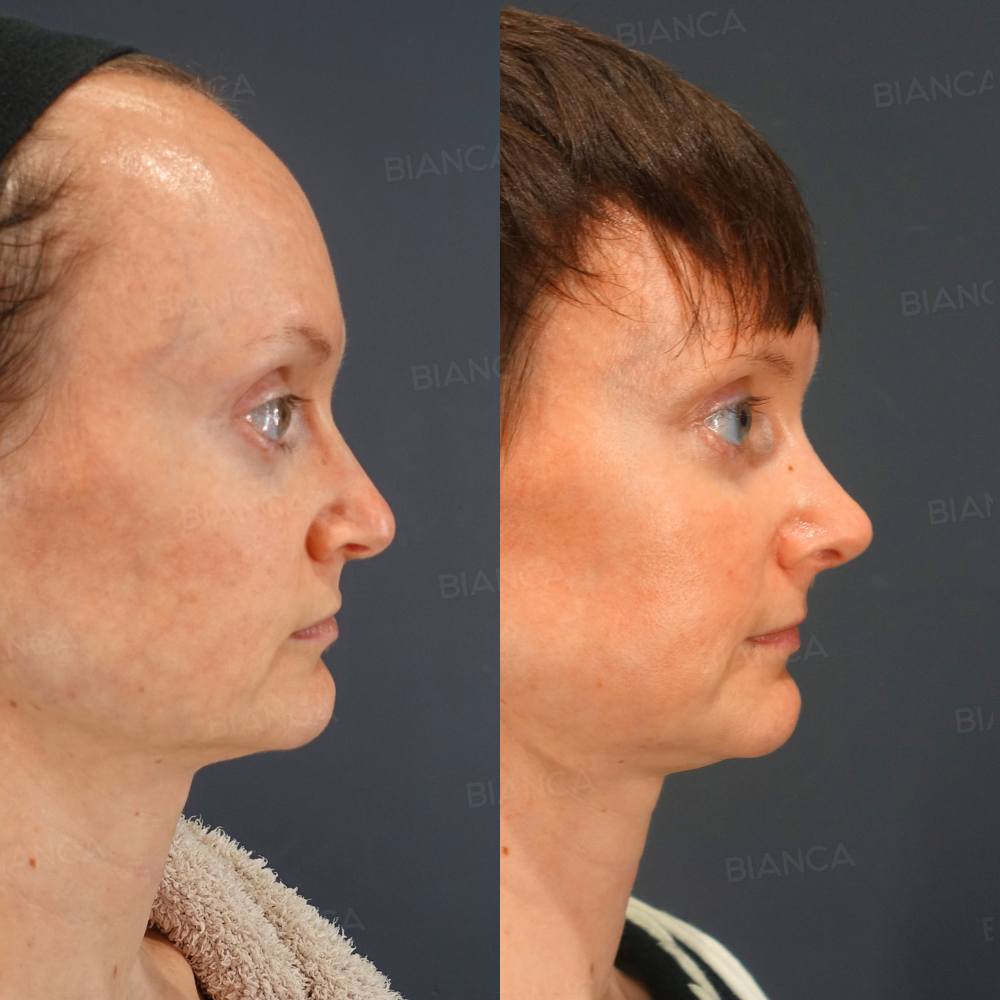
Rhinoplasty, nasal tip cartilage graft, nasal tip reduction, BIANCA LIFT
- Treatment Period and Number of Sessions
- Left: Before treatment Right: 6 months after treatment
- Side Effects and Risks
- Bent nasal bridge and tip, scars, retroversion, infection, swelling, internal bleeding, pain, left-right difference, infection, etc.
- Cost
-
Rhinoplasty: 330,000 yen, Rhinoplasty reduction: 330,000 yen, Columellar strut method: 110,000 yen, Nasal apex cartilage graft/rib cartilage, nasal septum cartilage, auricular cartilage: 330,000 yen, BIANCA LIFT 6 pieces: 264,000 yen
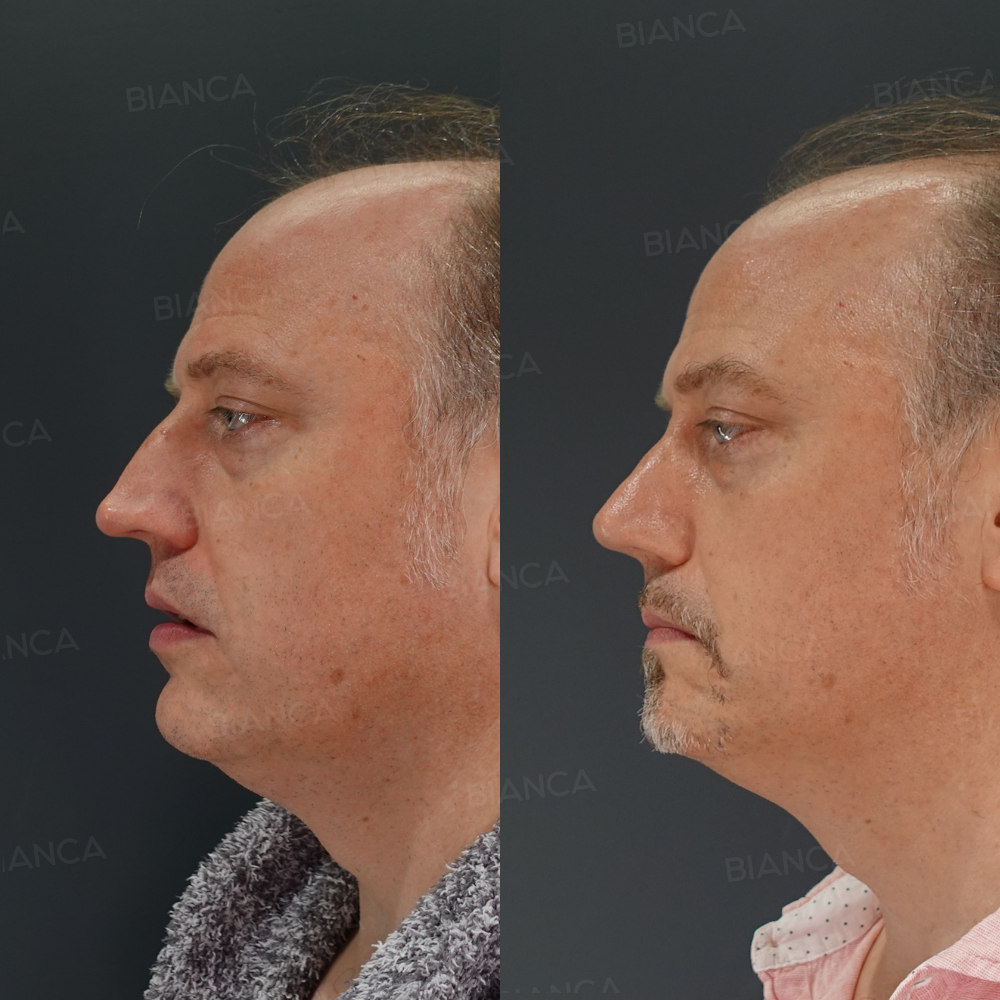
Rhinoplasty, rhinoplasty, hump excision, nasal osteotomy
- Treatment Period and Number of Sessions
- Left: Before treatment Right: 6 months after treatment
- Side Effects and Risks
- Swelling, internal bleeding, pain, scarring, retroversion, left-right difference, infection, etc.
- Cost
- Rhinoplasty (columella strut method): 110,000 yen, nasal tip reduction: 330,000 yen, hump excision: 330,000 yen
Downtime
DOWNTIMErhinoplasty
Nasal Tip Reduction
Recommended for people like this
RECOMMENDED FOR:Features
CHARACTERISTICSWhat is nasal tip reduction?
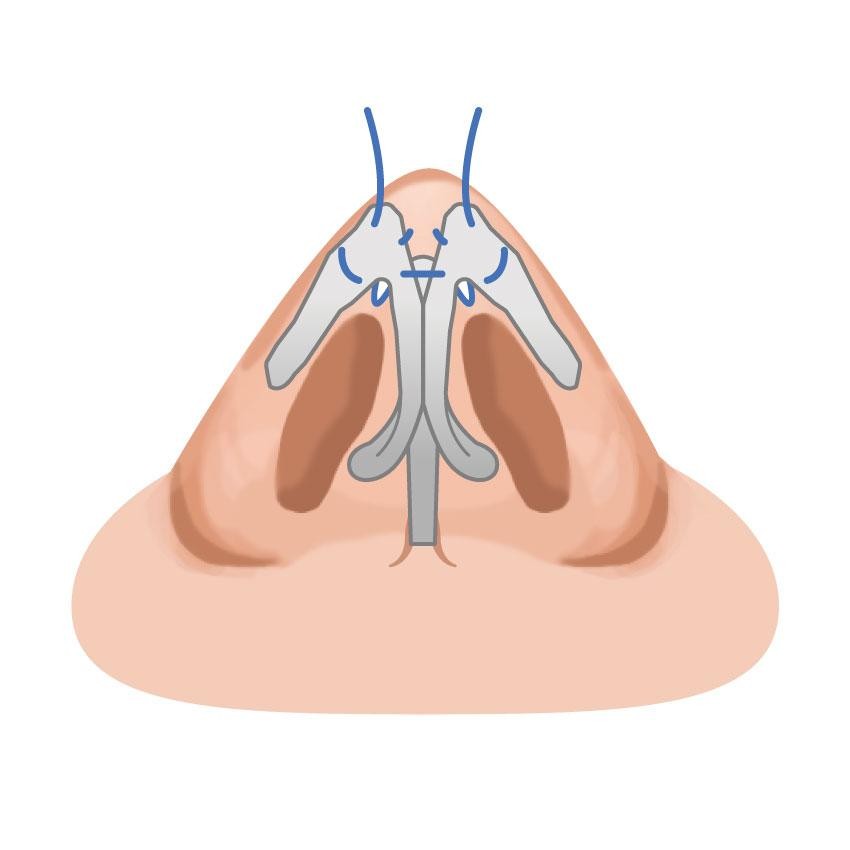
Nasal tip reduction is one of the methods of shaping the rounded tip of the nose into a cleaner shape by removing fat from the tip of the nose and pulling in and fixing the large nasal wing cartilage. The nasal tip is the tip of the nose and is designed to appear thin from the front and sharp from the side. By making the tip of the nose smaller, the overall impression of the face can be tightened and a sleeker look can be achieved.
Rhinoplasty
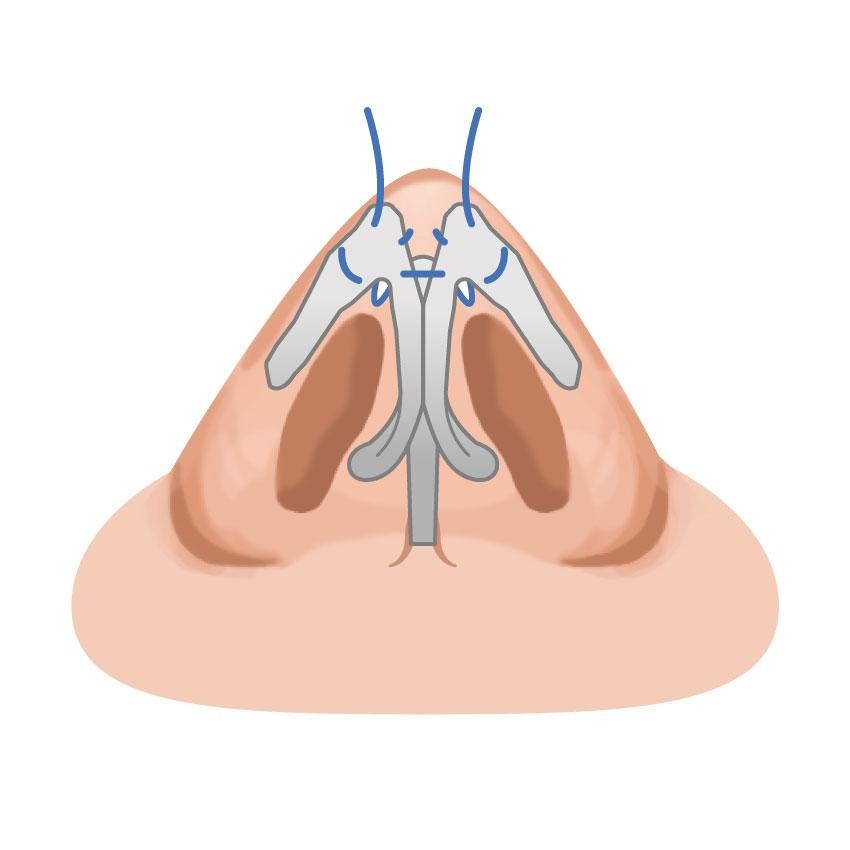
Nasal apex plication is a procedure in which the large nasal wing cartilages are stitched together to reduce roundness and create a sharp and tight impression. Bianca Clinic also performs the columella strut nasal apex plasty, in which the auricular cartilage is grafted as a support between the left and right large nasal wing cartilages, which are the foundation cartilages of the nasal tip. By adding a strut, it is easier to keep the shape of the nasal tip stable and allows for more ideal angle and height adjustment.
There are two types of rhinoplasty: the closed method, in which an incision is made inside the nostrils, and the open method, in which an incision is made inside the nostrils and on the skin of the nasal bridge. In our clinic, the closed method is basically performed so that the wound is contained within the nose and is not visible from the outside, but the open method may be chosen depending on the condition and the surgical technique. In the case of the open method, a small scar will appear on the bridge of the nose, but it will become almost invisible over time.
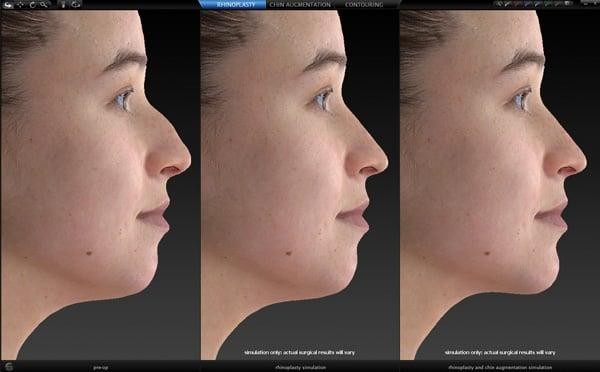
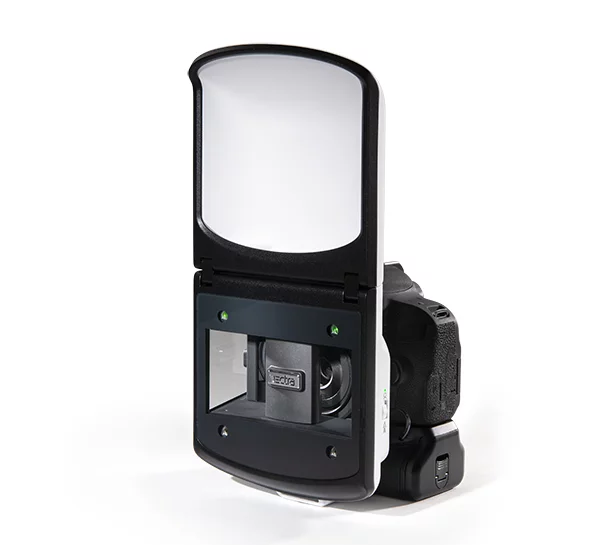
Confirmation of the finished product with the 3D simulation system “Vectra
In rhinoplasty, it is very important to have a clear image of the finished product before the procedure. At our clinic, we use the 3D simulation system "Vectra" during the consultation to allow the patient to confirm the current appearance of the nose and the expected image after the procedure in three dimensions. By having the patient and doctor share the same image before deciding on a treatment plan, we can prevent post-operative image gaps and lead to more satisfactory results.
▷3D simulation system “Vectrathis way (direction close to the speaker or towards the speaker)ら
What is MRSA testing (nasal MRSA test)?
Bianca Clinic can also perform a MRSA test (nasal MRSA test) prior to performing nasal procedures.
The MRSA test is a test to check for bacteria present in the nasal cavity, particularly methicillin-resistant Staphylococcus aureus (MRSA). The test is performed simply by lightly swabbing the mucous membrane of the nasal cavity with a special cotton swab and is virtually painless.
Surgery is normally performed under aseptic conditions to prevent the entry of pathogenic microorganisms and contact infection, but the nose is structurally a difficult site to clean and manipulate. The interior of the nose is composed of cartilage, which is susceptible to infection and requires more careful hygiene.
The nasal cavity contains a large number of commensal bacteria, which basically do not cause infection due to the barrier function of the human body. However, there are a certain number of people who harbor risky bacteria such as MRSA, which can cause postoperative infection.
Because of the risk of postoperative infection, which can adversely affect the finished product and functional aspects, MRSA testing in advance will help minimize the risk of infection.
Benefits
MERITSharpens the rounded tip of the nose and changes the appearance of a bulbous nose.
The roundness of the tip of the nose is reduced to create a clean and sharp impression. For those who are concerned about a bulbous nose, this procedure is an easy way to create a natural and refined nose tip.
Providing designs that harmonize with facial features
Nasal tip reduction/nose tip augmentation can be a stand-alone procedure as well as a combination of other nasal procedures. The entire nose is fine-tuned and balanced.
Because it involves an incision, the shape is stable and easily maintained in the long term.
Another advantage is that because the cartilage is firmly fixed, the finished shape is more stable and easier to maintain beautifully over the long term. Because it involves an incision, it is suitable for those who value durability.
Recommended Features
RECOMMENDED POINTSCharacteristics of the most common Asian stumpy nose and the choice of treatment for each type.
A dumpling nose is a condition in which the tip of the nose is rounded or thickened, and is often seen in Asians, including the Japanese. Many people consult with us because they feel that they want a sharper or more three-dimensional appearance due to factors such as the lateral spread of the nasal wing cartilage and thick skin and subcutaneous fat. There are often three main types of lumpy nose as follows
- Cartilaginous bulbous nose ... lateral spread of the nasal wing cartilage
- Fatty bulbous nose ... thick fat at the tip of the nose
- Dermal Bumpy Nose ... thicker skin at the tip of the nose
The appropriate treatment differs depending on the type. The shortcut to an ideal result is to first confirm the condition at a consultation and choose the method that suits you best.
Difference between rhinoplasty and nasal septum extension
Both rhinoplasty and nasal septal extension are procedures to reshape the tip of the nose, but many people find it difficult to tell the difference between the two. The shape, position, and direction of the nasal tip, nasal bridge, and nostrils are determined by the butterfly-shaped nasal wing cartilage, and the nasal septum cartilage supports the nasal wing cartilage.
Rhinoplasty is a procedure that sharpens the nasal tip by adjusting the large nasal wing cartilage or transplanting auricular cartilage. Nasal septum extension, on the other hand, is a procedure that controls the position of the nasal tip itself. The nasal septum cartilage, which is the foundation of the nose, is grafted with the patient's own cartilage to adjust the tip of the nose forward, down, or in a different direction.
Which procedure is appropriate for you depends on the desired changes and shape of your nose, and will be suggested during the consultation.
Pursuit of the ideal nose by combining procedures
In order to achieve a more ideal nose, we combine several procedures such as auricular cartilage grafting, nasal prosthesis, and nasal septum lengthening. The combination of these procedures can create a more natural and three-dimensional result for fine lines and balance that are difficult to achieve with nasal apex reduction alone.
Prior to the procedure, we carefully check each patient's skeletal structure and nasal condition to determine which procedures are necessary. By combining them as necessary, the roundness, height, and even the shape of the tip of the nose can be finely adjusted, pursuing a beautiful balance when viewed from the front, in profile, or at an angle.
Furthermore, experienced doctors are in charge of the procedure, emphasizing both safety and natural-looking results. We have a system in place for those who are aiming for their ideal nose to be able to trust us with their safety.
Treatment area
TREATMENT AREA鼻
Treatment Process
CONTENT OF TREATMENTPhysician's examination and counseling
During the counseling, we will first carefully listen to the patient's concerns. The doctor will then examine the patient and confirm the indications for nasal tip reduction and apex augmentation. We may also suggest other procedures as necessary to bring you closer to your ideal nose. Please feel free to consult with us about any questions or concerns you may have regarding the procedure.

Design
Once the procedure has been decided, the first step is design, using a 3D simulation system to confirm the image of the finished product and match it with the patient's wishes.
treatment
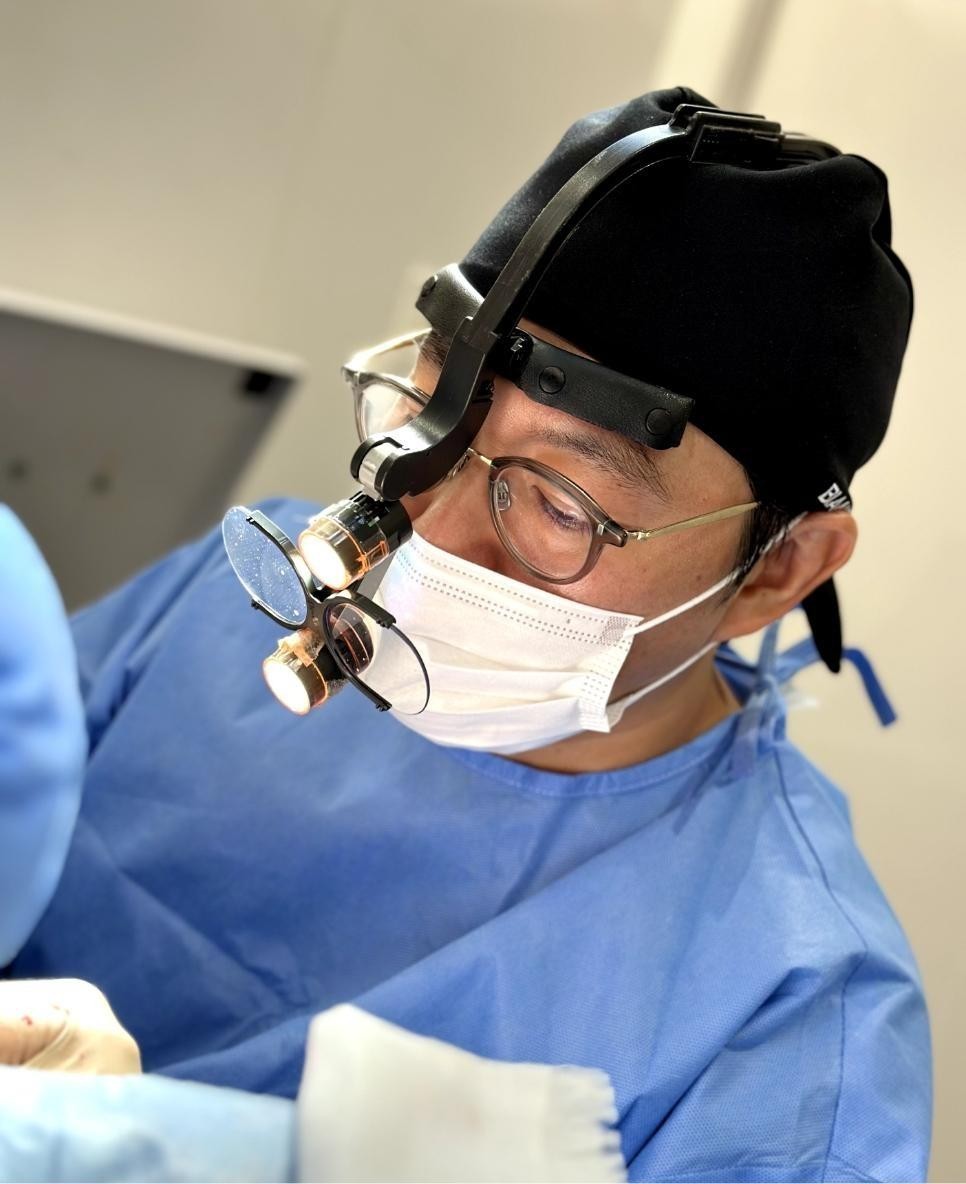
The procedure is performed under anesthesia, so there is little or no pain. The estimated time for both nasal apex formation and reduction is approximately 40 minutes for each.
Aftercare
If stitches are required, they will be removed one week after the procedure. If you have any concerns after the procedure, please contact our office at any time.
Schedule of Charges
PRICE LIST| Treatment Details | Standard rate |
|---|---|
| rhinoplasty | ¥330,000 |
| auricular cartilage graft | ¥330,000 |
| Nasal tip cartilage grafting / Rib cartilage, Nasal septal cartilage, Auricular cartilage | ¥330,000 |
| Cormer-Lustrat method | ¥110,000 |
| Nasal Tip Reduction | ¥330,000 |
| Nasal tip reduction/reshaping or combined with septal extension | ¥165,000 |
※Surgery fees for Dr. Yatsugi, the supervising surgeon, differ from those listed above.
Appointments specifically requesting Dr. Yatsugi will incur an initial consultation fee of ¥5,500.
For more details, please contact the clinic.

Lifestyle Beautyis
proposed.
Our goal is to move you beyond satisfaction.
Responding to the desire for greater beauty and health,
What can we do for the well-being of our patients?
Providing total beauty to make your life shine,
That is our policy.
Go to BIANCA and you'll find a smile.
That's the kind of place we're aiming for.
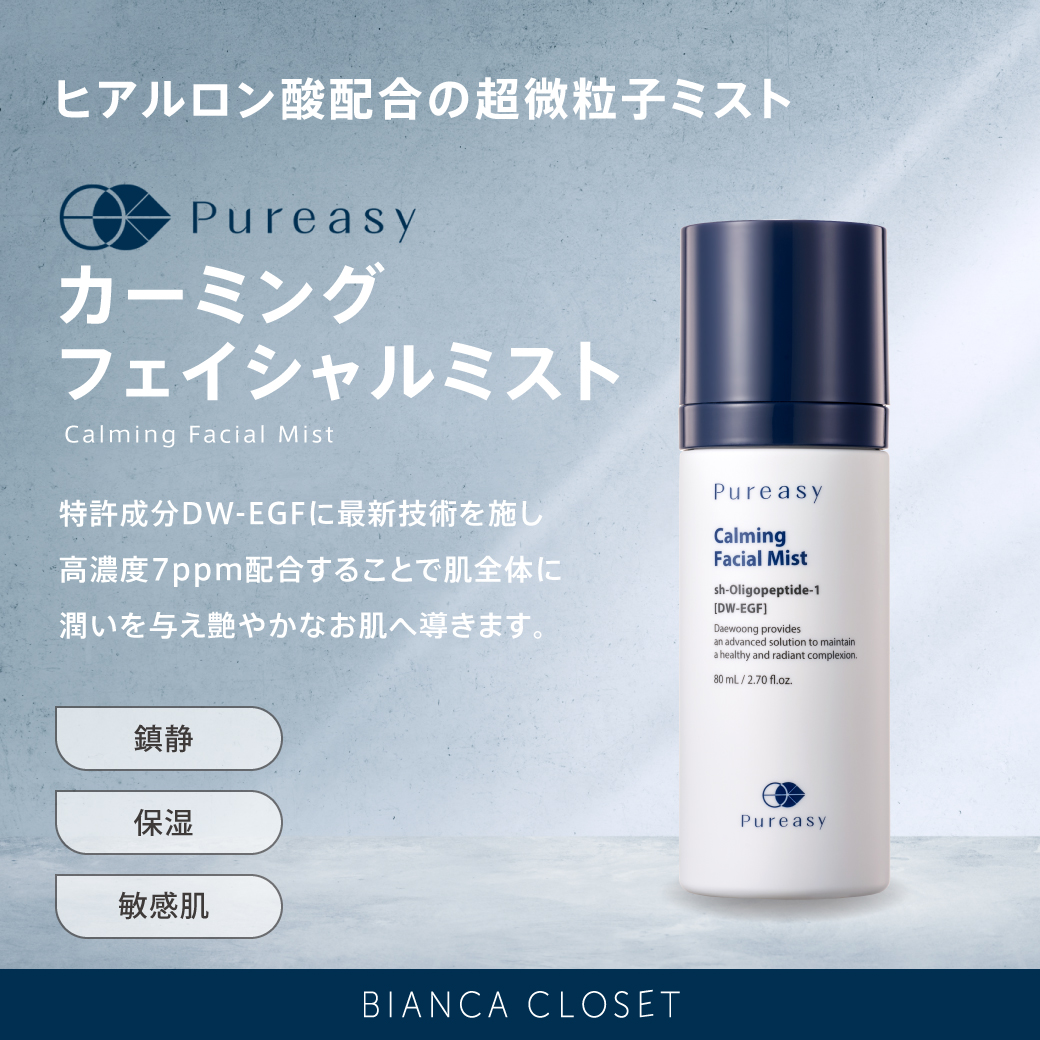
Recommended products for this concern
RECOMMENDED PRODUCTS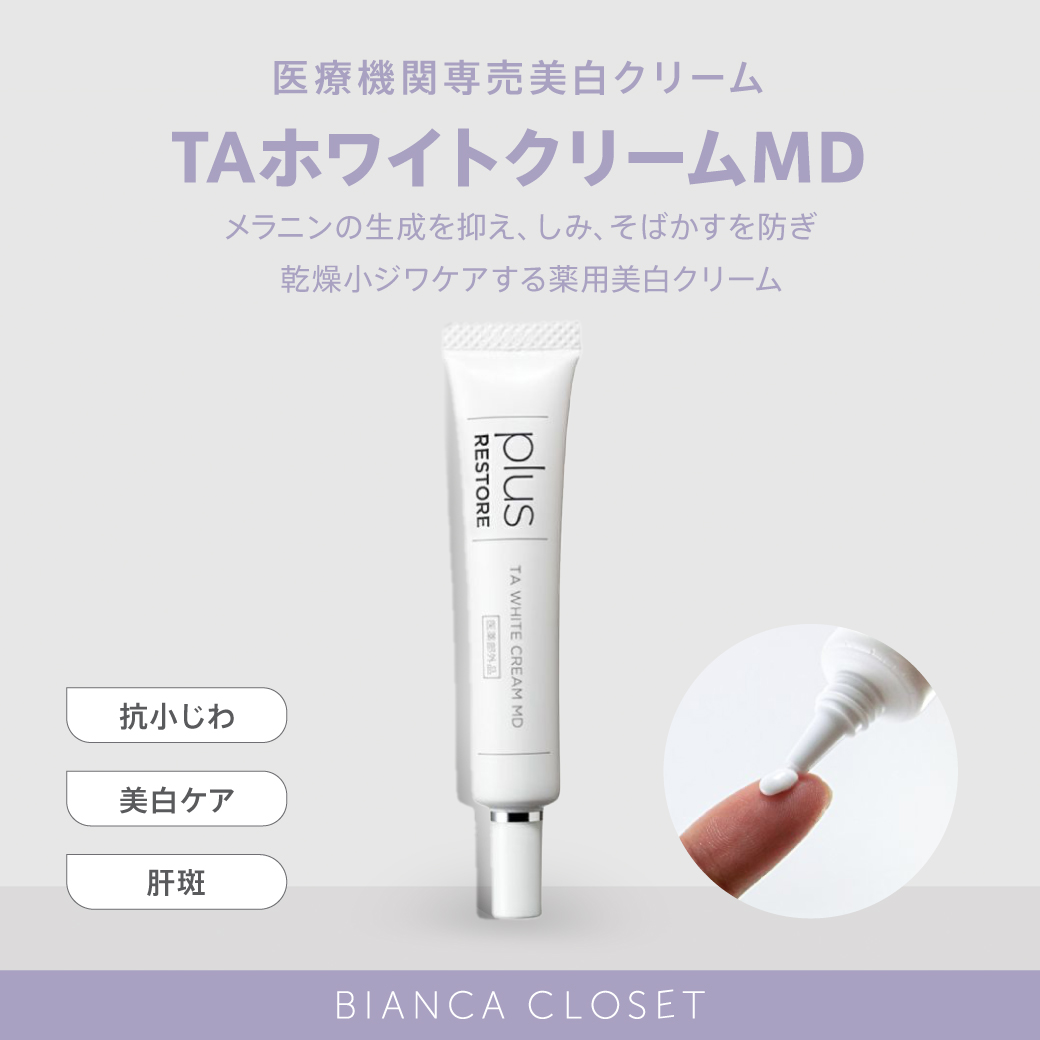
Frequently asked questions about nasal tip reduction/nasal tip augmentation (bulbous nose correction)
Q&AWhat is the difference between nasal tip reduction and rhinoplasty?
Both are procedures for sharpening the tip of the nose and are suitable for correcting a crooked nose. The difference is that rhinoplasty involves cartilage grafting, whereas rhinoplasty does not involve any grafting, but rather the shaping of the tip of the nose.
Which is more effective for correcting a bulbous nose, nasal apex reduction or nasal apex plication?
Both of these procedures are used to correct a bulbous nose, but the appropriate method depends on the type of nose. For more details, we will suggest the best method after examining you at the consultation.
Are nasal tip reduction and rhinoplasty procedures painful?
Because anesthesia is used, little or no pain is felt during the procedure.
Are scars noticeable for nasal tip reduction and rhinoplasty?
When incisions are made inside the nostrils, scars are barely noticeable.
When can I start wearing makeup after nasal tip reduction and rhinoplasty procedures?
Makeup can be applied the next day except for the area to be treated. Makeup around the nose can be applied a few days after the swelling and redness have settled down.
When can I start showering or bathing after nasal tip reduction and rhinoplasty procedures?
Showering from the neck down is allowed on the same day, but prolonged bathing is recommended for a few days to avoid swelling. Bathing and washing the face can be done after 7 days.
Can I have revision surgery after nasal apex reduction and rhinoplasty?
Yes, revision surgery is possible. However, since it takes time for the nasal tissue to stabilize, we recommend at least six months after the procedure.
Are there any precautions to take in life after nasal tip reduction and rhinoplasty procedures?
Absolute smoking cessation, including passive smoking, is a requirement for one month before and after the surgery. In addition, because any activity that increases blood flow is likely to cause swelling and internal bleeding, alcohol consumption, prolonged bathing, and strenuous sports should be avoided for one week. Nose blowing, sleeping on your stomach, and facial massage should also be avoided for about a month.
Description of the procedure: Reduction of the apex of the nose/ apex formation (correction of the bulbous nose).
【Estimated Treatment Period and Number of Sessions】Typically 1 session ※May vary depending on your condition.
Risks and side effects] Swelling, internal bleeding, pain, scarring, retroversion, left-right difference, infection, etc.