BLOG

column (e.g. in newspaper)

2024.10.31

98% of Tokyo Residents Are Vitamin D Deficient! What Symptoms Might You Experience? A Cosmetic Dermatologist Explains

前田 陽子
Supervising Physician
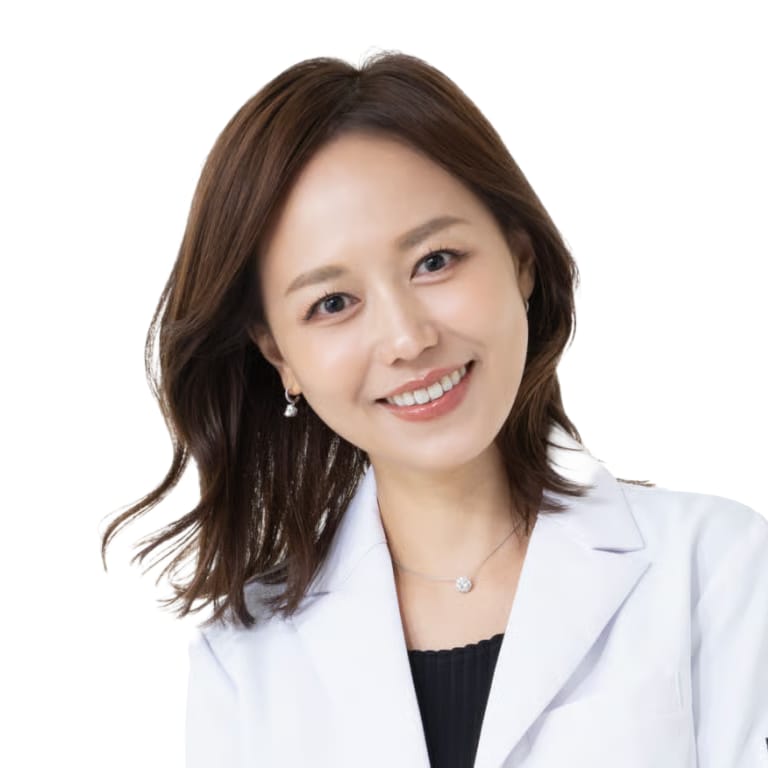
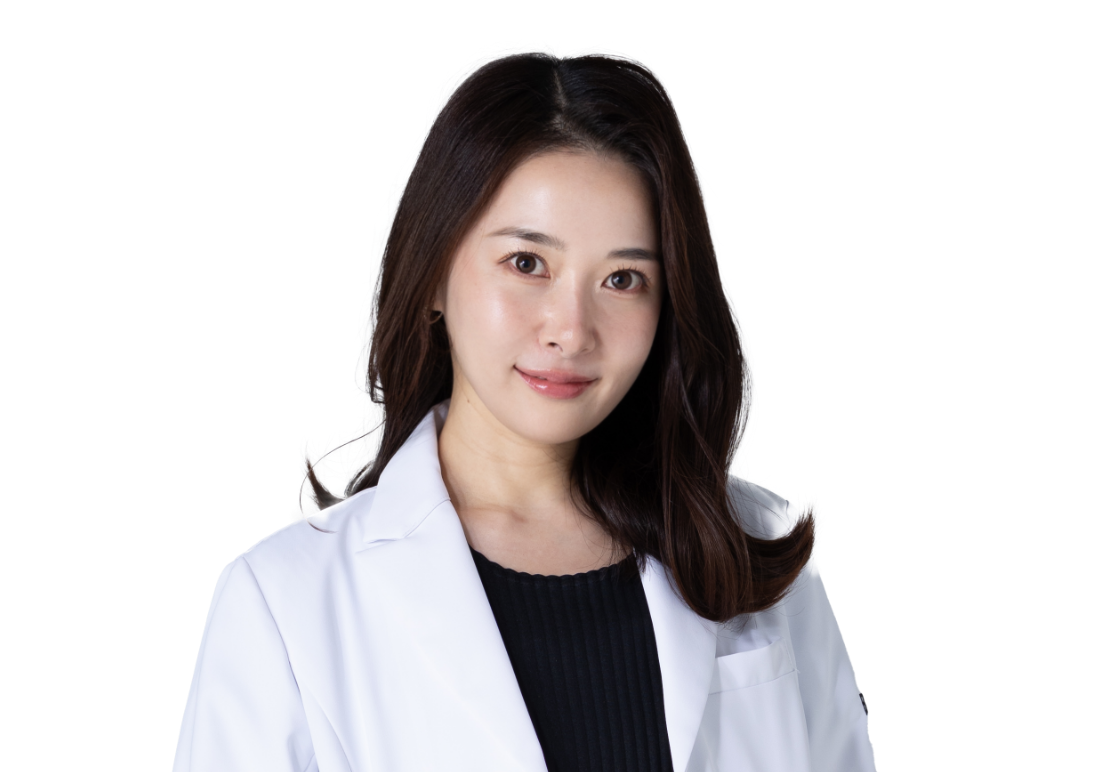
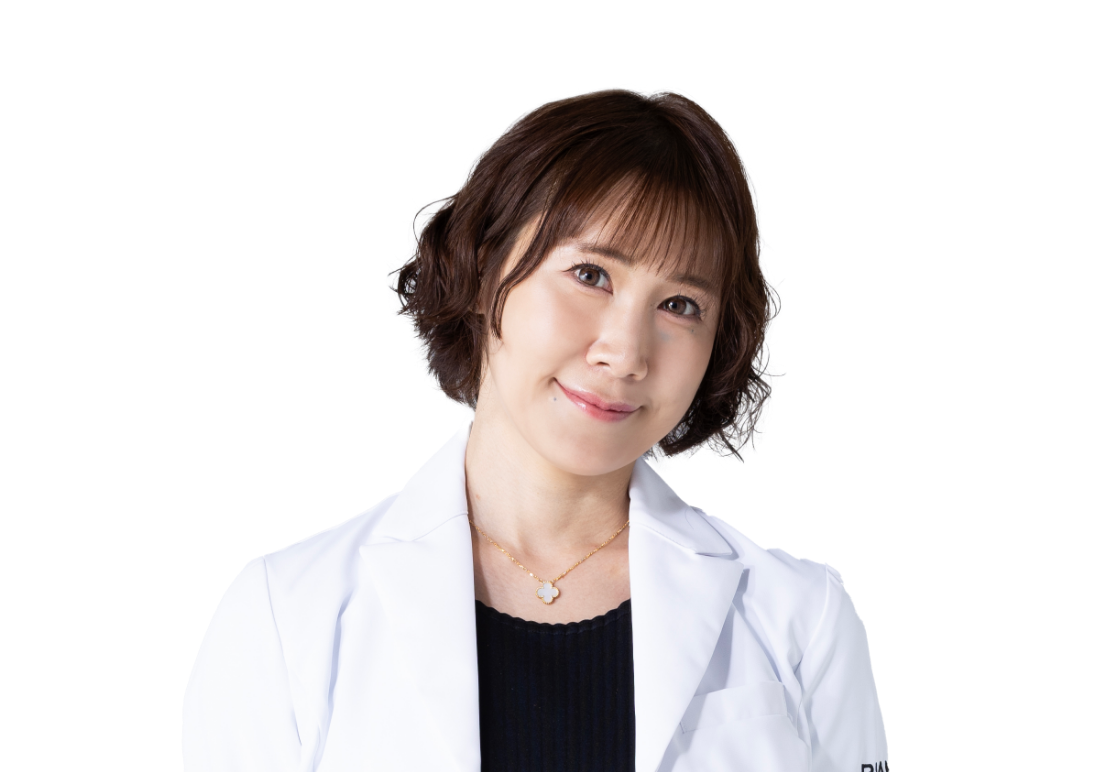
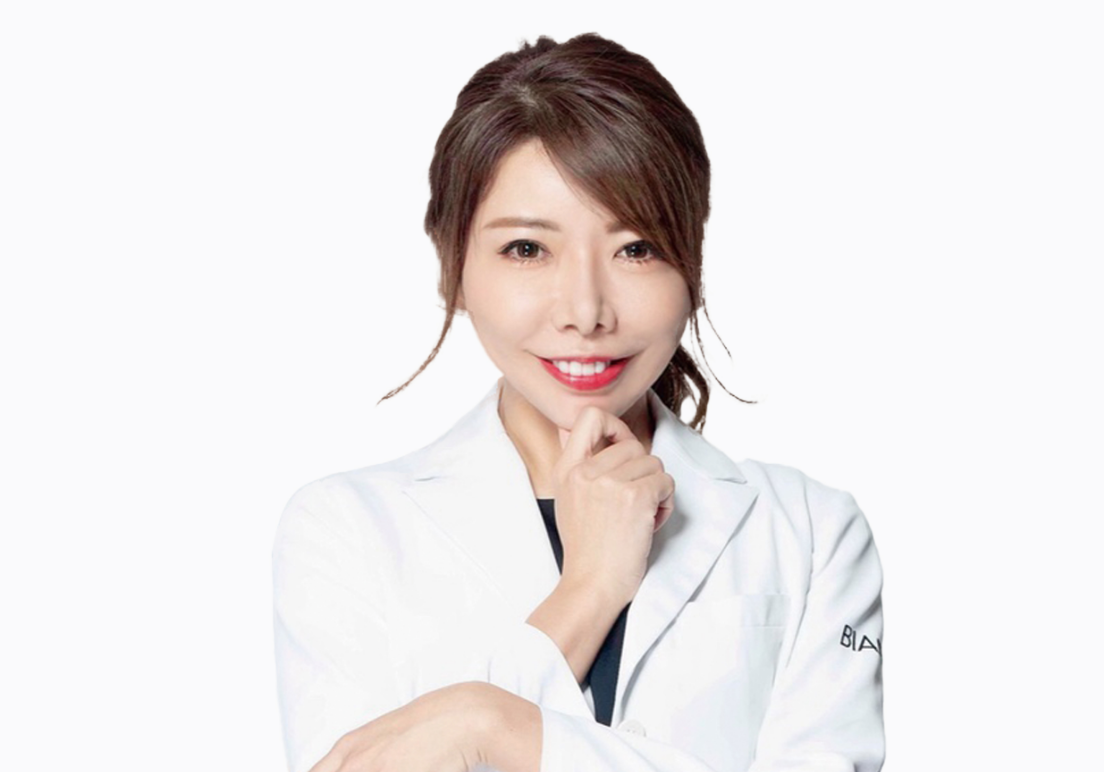
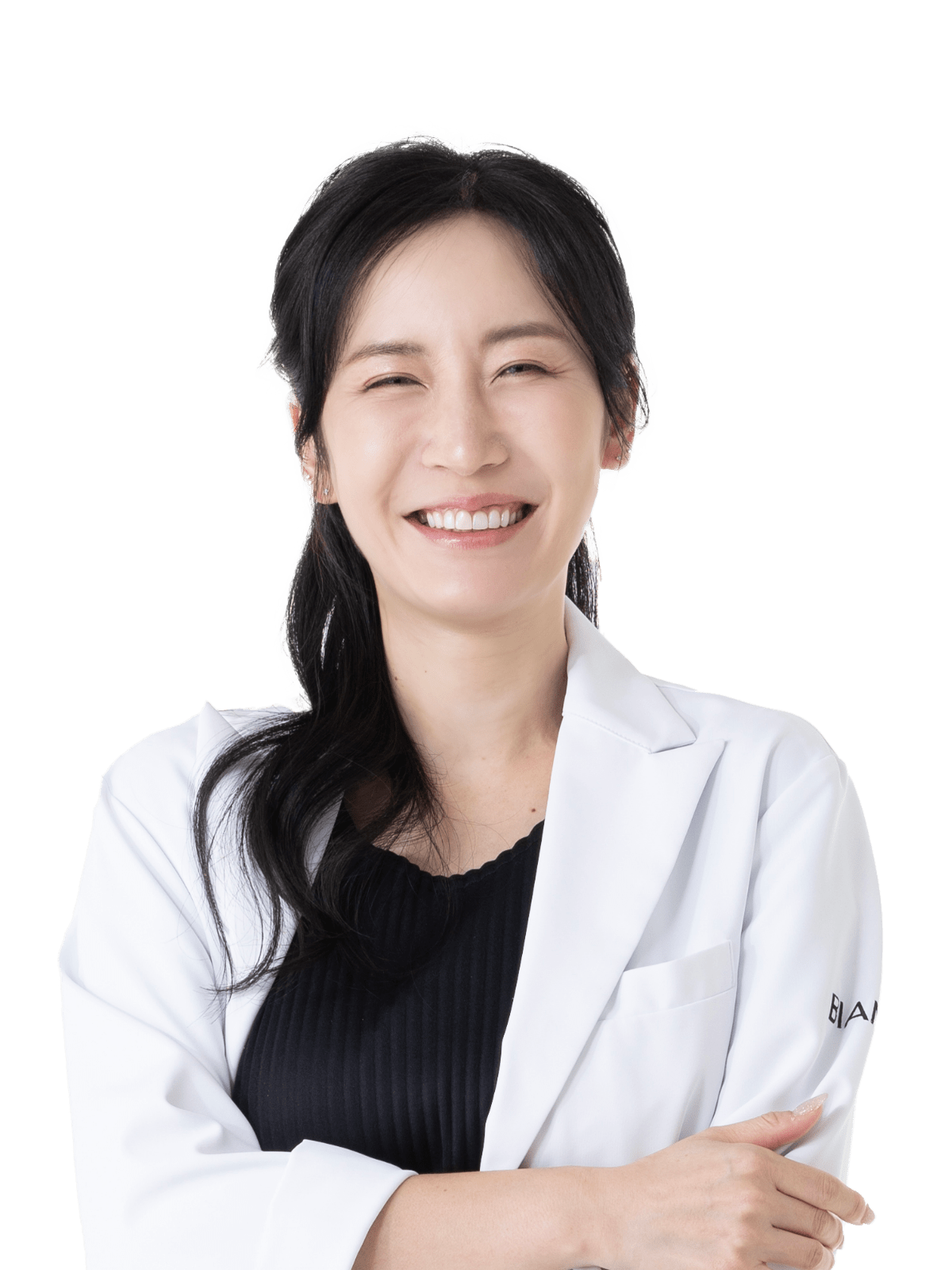
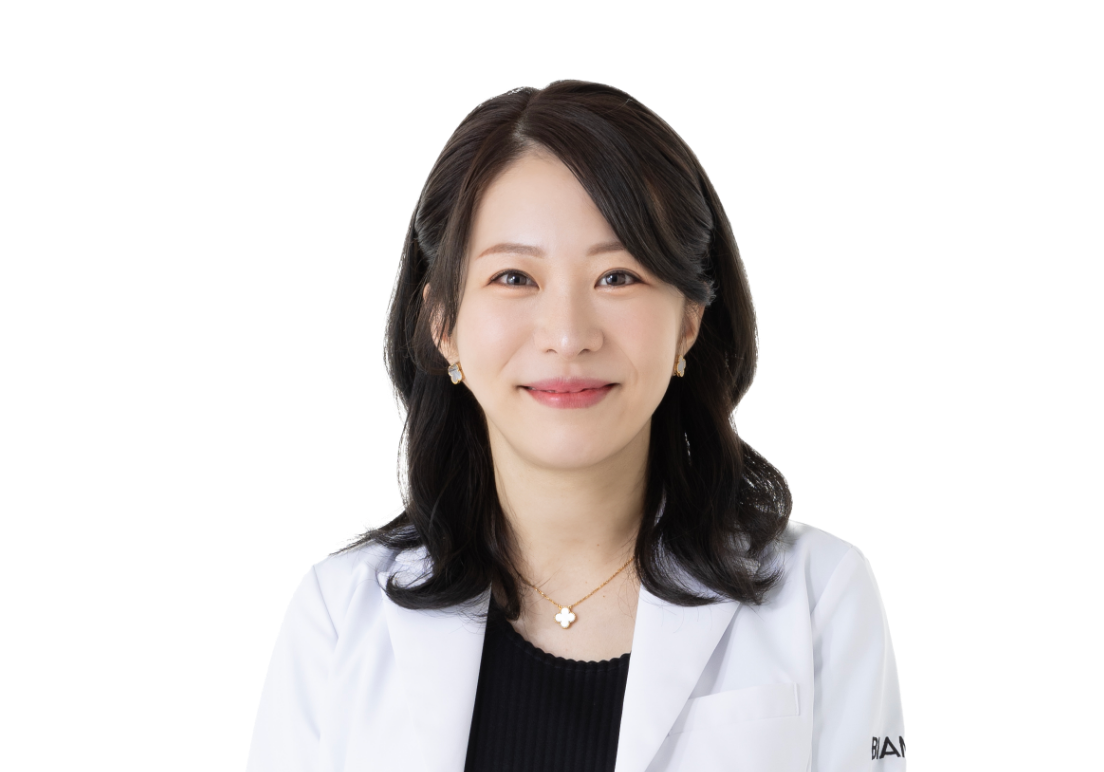
Supervising physician in cosmetic medicine Yoko Maeda

To maximize your beauty, care for both the inside and outside is essential. We aim to bring advanced anti-aging treatments, such as peptide therapy common overseas, to our Japanese patients. While aesthetic medical approaches may offer more gradual results, they are crucial for building the foundation that supports beauty and youth. We combine nutritional therapy and lifestyle improvements with hormone replacement, peptide therapy, and regenerative medicine to propose personalized treatment plans. We provide long-term support for health and beauty from within.

Hello, everyone.

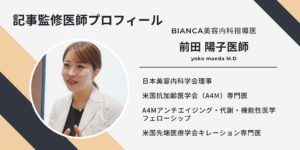
I am Yoko Maeda, the supervising physician at BIANCA Aesthetic Medicine.


Profile of Dr. Yoko Maeda, Director of Aesthetic Medicine

Completed initial training at Okinawa Prefectural Nanbu Medical Center and Children's Medical Center. Worked in the Department of Radiology at Kyoto Prefectural University of Medicine and at an aesthetic clinic. Encountered high-dose vitamin C intravenous therapy at a seminar by the Intravenous Therapy Research Society. Studied abroad as a Research Fellow at the Riordan Clinic in the United States. Achieved notable accomplishments, including passing the American Academy of Anti-Aging Medicine's specialist certification exam at the youngest age.


Currently serving as a Medical Director of Aesthetic Medicine at BIANCA. The role of a Medical Director of Aesthetic Medicine is to approach healthy beauty by caring for the body from within. As a professional in anti-aging care that treats aging from the inside out, I support patients in improving their constitution and maintaining a youthful appearance for years to come by proposing personalized treatments such as natural hormone replacement therapy, peptide therapy, and supplement therapy.


<Professional Affiliations and Qualifications>

・Director, Japanese Society of Aesthetic Medicine

・American Academy of Anti-Aging Medicine (A4M) Certified Specialist

・A4M Anti-Aging, Metabolism, and Functional Medicine Fellowship

・Certified Chelation Specialist, American Academy of Advanced Medical Sciences


<Check out more information about Dr. Yoko Maeda's aesthetic medicine practice here>

Dr. Yoko Maeda's Instagram account isHere

The official Instagram account for BIANCA isHere

The official YouTube account for BIANCA isHere


Do you usually take vitamin D supplements?


Lately, many people take vitamin C and vitamin B supplements for their skin, right? I also feel like a lot more women are taking iron supplements to prevent anemia.


However, when it comes to vitamin D supplements, I imagine few people actually take them.


What is vitamin D?

Vitamin D is a nutrient that plays a role in promoting calcium absorption, stimulating bone growth, and regulating blood calcium levels. Vitamin D is essential for building and maintaining strong bones.


Foods rich in vitamin D include the following:


Foods Rich in Vitamin D
◆Sardine
◆Bonito
◆Salmon
◆Whitebait
◆Shiitake Mushrooms
◆Maitake
◆Egg yolk
◆Wood Ear Mushrooms
◆Chicken thigh meat


Vitamin D is found in meat and mushrooms, but it is relatively abundant in fish. The recommended daily intake of vitamin D is 8.5 μg for both men and women aged 18 and older. For example, one serving of grilled salmon can meet the daily requirement.


Furthermore, it is known that vitamin D is synthesized in the skin through sun exposure.


Many Japanese people are deficient in vitamin D!

ビタミンD不足の東京都民は98%も!どんな症状が考えられるのか美容内科医が解説
 

Vitamin D is an essential nutrient for building healthy bones, but it is known that Japanese people tend to be deficient in vitamin D.


A 2023 study conducted by Jikei University School of Medicine examined vitamin D blood levels in 5,518 residents of Tokyo.


The values indicating vitamin D deficiency are as follows:


<Blood Vitamin D Concentration Standards>

Normal: 30 ng/mL or higher
Deficiency: 20–30 ng/mL
Deficiency: 20 ng/mL or below


Blood vitamin D levels of 30 ng/mL or higher are considered normal, but the results showed that approximately 19% of Tokyo residents are deficient in vitamin D, and 79% are deficient.


When combining those with vitamin D insufficiency and deficiency, a staggering 98% of Tokyo residents are vitamin D deficient. While this study was limited to Tokyo residents, it's safe to say most modern people are vitamin D deficient.


The researcher who conducted this study reportedly had no idea vitamin D deficiency was so widespread. At first, they thought the testing equipment might be malfunctioning, but repeated measurements yielded the same results. This confirmed widespread vitamin D deficiency among Tokyo residents.


Research indicates that younger individuals tend to be more prone to vitamin D deficiency, which is thought to be caused by changes in dietary habits and lifestyles that limit sun exposure.


When we actually perform blood tests as part of nutritional therapy, individuals not taking vitamin D supplements typically fall between 10 and 20 ng/mL, with some low cases even in the single digits. Our clinical experience also consistently supports the view that vitamin D deficiency is prevalent.


What happens when you're deficient in vitamin D?

ビタミンD不足の東京都民は98%も!どんな症状が考えられるのか美容内科医が解説


Vitamin D deficiency can also cause various illnesses. The most common symptoms include an increased susceptibility to allergies, such as hay fever and unexplained hives.


Vitamin D is a nutrient that strengthens bones, so deficiency can weaken bones and, in women, may lead to osteoporosis. Mentally, it can make you more prone to feeling gloomy and cause psychological symptoms. For the elderly, it may also increase the risk of dementia.


Furthermore, weakened immunity increases the risk of diseases such as diabetes, cancer, and autoimmune disorders. Research also showed that individuals with vitamin D levels below 30 ng/ml were more susceptible to contracting COVID-19 compared to those with levels above 30 ng/ml during the pandemic several years ago. Additionally, reports from around the world indicate that contracting the virus while vitamin D deficient increases the likelihood of developing severe symptoms, and those who become severely ill face a higher risk of death.


Most modern people are likely deficient in vitamin D!

 ビタミンD不足の東京都民は98%も!どんな症状が考えられるのか美容内科医が解説


98% of Tokyo residents are deficient in vitamin D. One possible factor is the shift toward Western-style diets, which has reduced the habit of eating fish. The newly released research findings also reflect how difficult it is for modern people to get sufficient vitamin D in their daily lives.


Those who do not consciously consume vitamin D on a regular basis or take vitamin D supplements can be said to be deficient or deficient in 98% of cases.


For those who find it difficult to include vitamin D in their daily meals, we recommend taking supplements as a measure to prevent vitamin D deficiency.


Physical health is a crucial part of anti-aging care. Vitamin D supplements are quite affordable. If you'd like to know how deficient you are in vitamin D, please come in for a consultation. Through blood tests, we can check which nutrients your body is lacking and support your anti-aging care from the perspective of a cosmetic medicine specialist.


まえだ

WEB Reservation
RESERVATION
24-hour reception
Click here for web reservation
アイコン RESERVATION