column (e.g. in newspaper)
2025.10.04
Moisturizer-Based Skincare for Dry Seasons

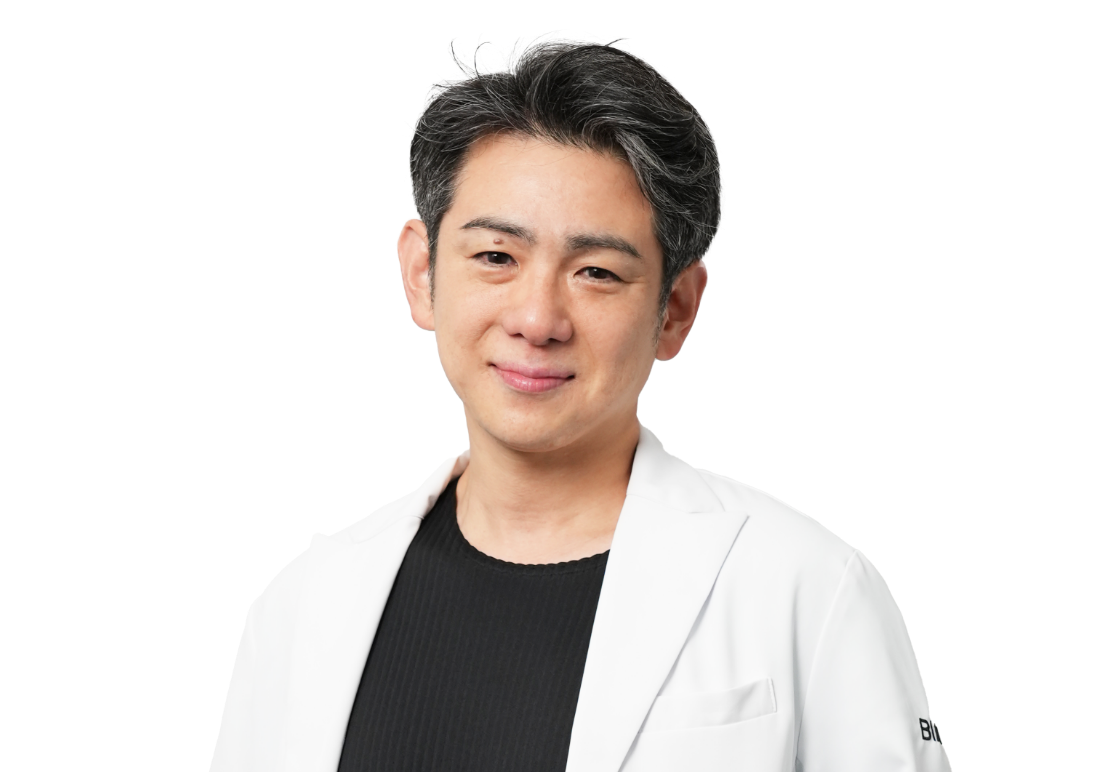
As an Assistant Professor, Associate Ward Director, and Chief of Dermatopathology at the university hospital dermatology department, I deepened my expertise through academic presentations and paper publications both domestically and internationally. I have handled a wide range of treatments, from birthmark therapy in children to adult pigmentation concerns, utilizing various lasers and injection therapies, while also contributing to community healthcare. Through encountering numerous cases, I strongly felt the potential and necessity of aesthetic medicine, resolving to pursue further expertise. Building upon my solid dermatological knowledge and meticulous diagnostic skills, I value treatments that gently support each individual's skin while bringing out its inherent beauty.
It's that time of year when dry skin needs extra moisture.
During this season, dry skin and itching often occur, and dermatology clinics see an increase in eczema known as seborrheic dermatitis.
It also contributes to dryness and fine lines as a beauty concern.
Since I often discuss this topic when invited by news programs, I'll post it on my blog.
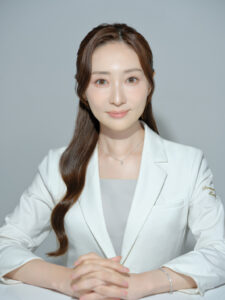
I am Dr. Aya Hayama, a board-certified dermatologist.
Key Points for Moisturizing, Bathing, and Humidification to Protect the Skin Barrier
As temperatures and humidity drop in seasonal transitions, the skin's barrier function weakens, making it more susceptible to dryness and itchiness caused by external irritants and moisture evaporation. Particularly from autumn to winter, sebum production also decreases, reducing the skin's protective capacity. This leads to increased issues like tightness, flaking, and stinging even after applying toner. What's crucial during this time is not simply "hydrating" the skin, but...Creating an environment that "doesn't let moisture escape"The key point is thatMoisturizing care centered on ceramides and heparin-like substancesis.
Areas prone to dryness
Areas prone to dryness have distinct characteristics.Cheeks, around the eyes, around the mouth, shins, and fingers, which have fewer sebaceous glandsAreas such as the lower legs and knees tend to have difficulty forming a natural protective barrier from sebum, making them more susceptible to external environmental influences. Particularly on the face, the cheeks and mouth area have fewer sebaceous glands compared to the T-zone and feature thinner skin, making them prone to moisture evaporation. Furthermore, under dry conditions caused by seasonal changes or heating, sebaceous gland activity itself decreases, leading to insufficient formation of the sebum barrier. It is also known that sebaceous glands in the lower legs decrease with age.
This combination of "reduced sebum" and "weakened barrier function" makes winter skin more prone to dryness and inflammatory reactions like redness and itchiness.
Moisturizing ingredients
CeramideLipids exist to fill the spaces between cells in the stratum corneum, protecting the skin from external stimuli while retaining moisture. Dermatologically, moisturizing the stratum corneum isCeramides, sebum, natural moisturizing factorsThese three components maintain hydration and barrier function. It's also known that people with dry or sensitive skin tend to have lower ceramide levels. Ceramides used in cosmetics and moisturizers come in types like human-type, natural-type, and synthetic-type. Among these, human-type ceramides (bioceramides) are characterized by high affinity with skin, low irritation, and long-lasting moisturizing effects. Focusing their use on areas prone to dryness like the cheeks, eye area, and around the mouth can help prevent skin tightness and flaking.
On the other hand,Heparin-like substancesis a moisturizing ingredient also used in medical settings, combining water retention with blood circulation promotion and anti-inflammatory effects.
It is also easy to use for those experiencing itchiness or redness due to dryness,Soothes skin inflammation while replenishing moistureIt can be used by a wide range of people, from infants to the elderly, and may also be used for conditions such as atopic dermatitis and mild eczema.
Hirudoid and heparin-like substance lotions and creams are representative moisturizers frequently prescribed in dermatology, characterized by their ease of absorption even into skin with impaired barrier function.
Furthermore, during periods of intense dryness, in addition to ceramides and heparin-like substances,Shea butterやSqualanesuch asIncorporating oil-based ingredients enhances the lasting power of moisturization.。Shea butter is a plant-based oil derived from the nuts of the shea tree. Its composition is similar to human sebum, forming a thin protective layer on the skin.I will do so.It helps prevent moisture evaporation.。SqualaneDerived from deep-sea sharks or plants, stabilized hydrocarbons blend well with skin and resist oxidation, making them suitable even for sensitive skin. These oil-based moisturizing ingredientsIt acts as a protective barrier, locking in moisture replenished by ceramides and heparin-like substances to shield skin from dryness.。
It is particularly effective when incorporated into nighttime care or skincare routines in dry environments caused by heating or air conditioning.
The Differences in the Roles of Moisturizing Ingredients and How to Use Them
Ceramides and heparin-like substances each have their own distinct areas of expertise.Ceramides strengthen the skin barrier by supplementing the skin structure.and,Heparin-like substances promote skin repair by "regulating the skin's moisture environment."AndShea butter and squalane function as a "protective film" that maintains long-lasting moisture.I will do so.
Combining both products helps balance moisture and oil, allowing you to maintain supple skin even during dry seasons.
To avoid drying out
Also, to avoid drying out,Bathing and maintaining a comfortable indoor environment are also important.It's easy to want to soak in hot water for a long time during the cold season, butWater temperatures exceeding 40°C wash away the skin's ceramides and sebum, compromising its barrier function.。Bathing for about 10 to 15 minutes in lukewarm water around 38 to 40°C is ideal.Please select a mild cleanser.Gently wash with foam, avoiding vigorous scrubbing.After bathing, gently pat your skin dry with a towel to absorb moisture, as your skin is prone to losing water quickly.Apply moisturizer within 5 minutes if possible, or at least within 20 minutes.It is important to moisturize immediately after bathing. Moisturizing right after bathing is most effective for protecting the skin's barrier function, and it is a good time to quickly apply moisturizer before getting dressed.
Furthermore, countermeasures against dryness are not limited to skincare alone.Indoor humidity controlIt's also essential. During winter, heating can easily drop humidity below 30%, causing moisture to be drawn out of your skin into the air. Use a humidifier toIndoor humidityaround 50 to 60 percentkeepThis prevents moisture evaporation from the stratum corneum, allowing moisturizers to last longer. Placing it in areas where you spend extended periods, such as bedrooms or living rooms, helps prevent dryness not only in your skin but also in your throat and mucous membranes.
Common mistakes during dry seasons include skipping moisturizer after applying a generous amount of toner, or over-cleansing out of concern for low sebum levels. Failing to replenish oils can actually worsen dryness as they evaporate, while excessive cleansing damages the stratum corneum barrier, further aggravating dryness.
The fundamentals of skincare are: "Don't over-wash (but do wash your face, as not washing won't remove sebum and dirt)" and "Never skip moisturizing."
Seasonal transitions are also when skin becomes most unstable. Effectively incorporate ceramides, heparin-like substances, and oily moisturizing ingredients like shea butter and squalane to strengthen your skin's barrier function and build resilience against external irritants.
Humidity control with a humidifier, proper bathing habits, and daily thorough moisturizing are the most reliable ways to comfortably get through winter.
We also offer large-capacity moisturizers containing shea butter and squalane at our clinic, so please feel free to use them.