column (e.g. in newspaper)
2025.03.10
What does it mean to say aging is a disease? Bianca's cosmetic dermatologist, Yoko Maeda, explains!
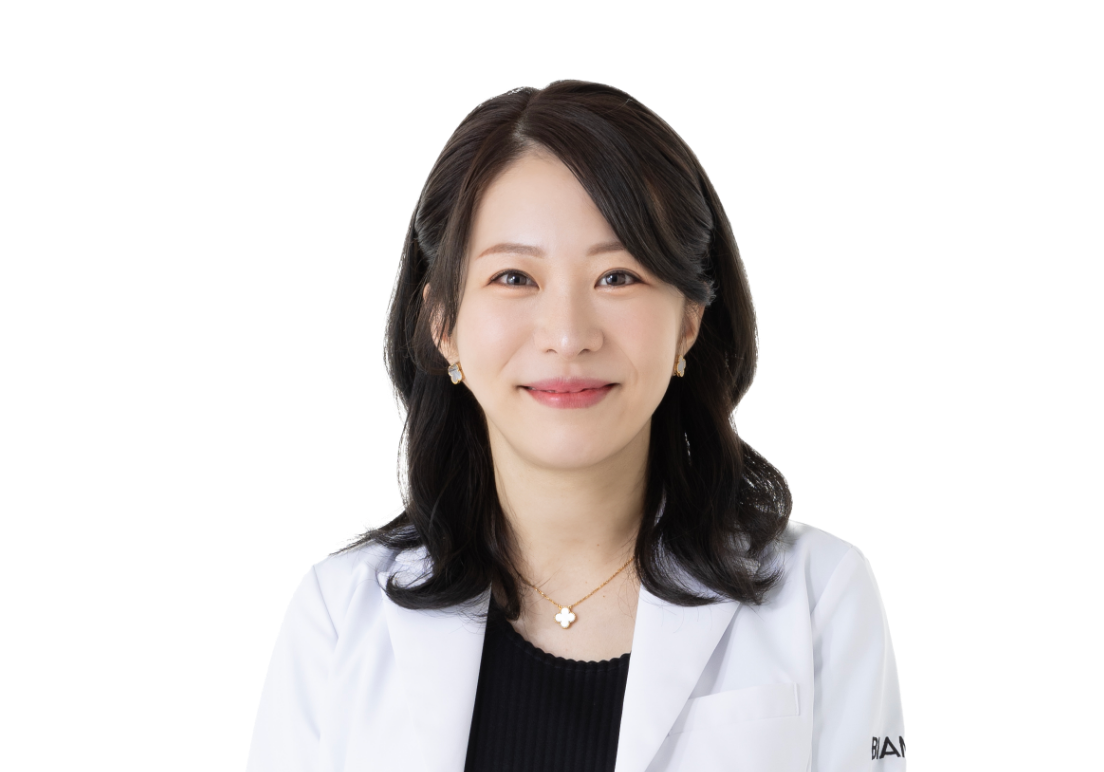
To maximize your beauty, care for both the inside and outside is essential. We aim to bring advanced anti-aging treatments, such as peptide therapy common overseas, to our Japanese patients. While aesthetic medical approaches may offer more gradual results, they are crucial for building the foundation that supports beauty and youth. We combine nutritional therapy and lifestyle improvements with hormone replacement, peptide therapy, and regenerative medicine to propose personalized treatment plans. We provide long-term support for health and beauty from within.

The concept that "aging is a disease" is now gaining attention in the global medical community. While aging has traditionally been accepted as a natural phenomenon, the latest research identifies it as a factor causing bodily decline and disease, leading to its emerging recognition as a target for treatment and prevention.
In fact, the WHO has also debated adding aging to its disease classification. As "an ageable disease," cutting-edge approaches like gene editing and stem cell therapy are advancing, and "longevity medicine"—aimed at achieving healthy longevity—is opening up new possibilities.
"Aging is a disease" becomes the global standard!
A natural phenomenon that cannot be avoided—this has been the prevailing understanding of aging. However, as aging research advances and causes and treatments are increasingly elucidated, the global perspective is shifting toward recognizing aging as a disease.
The current understanding is that aging, as a factor contributing to bodily decline and disease, requires prevention and treatment. Diseases such as dementia, cancer, and myocardial infarction can arise due to aging, and the WHO (World Health Organization) has considered whether to include aging in its disease classification.
Some argue that aging is not a disease, and while it was not included in the 2022 revision, globally, the trend toward defining aging as a disease is expected to progress.
Illness implies the possibility of treatment. Aging is increasingly recognized as a preventable and treatable condition. Advances in cutting-edge medical technologies like gene editing and stem cell therapy are among the factors contributing to this shift in perception.
Epigenetic CrossC-reactive protein testing serves as an indicator of aging.
Recently, aging and the aging process—which were previously grouped together—are beginning to be distinguished. Aging refers to the passage of time since birth. In contrast, the aging process simply refers to the decline in bodily functions that accompanies aging.
The epigenetic clock test performed at Bianca Clinic measures the degree of bodily aging. While the rate of aging is the same for everyone, the speed of aging varies from person to person.
By calculating biological age and comparing it to chronological age, it is possible to gauge the degree of aging progression. The advent of highly accurate epigenetic clock testing has significantly impacted the progress of aging research.
▽Regarding the Epigenetic Clock TestHere
The ideal is longevity not merely of long life, but of healthy longevity.
Long life does not necessarily equate to good health. If you suffer from illness or have aching legs and hips, you may not be able to fully enjoy life. As the notion that "aging is a disease" becomes the global standard, the concept of longevity is gaining attention.
Longevity means living a long, healthy, and enjoyable life. Rather than enduring hardships simply because you're elderly, if you can live independently, eat delicious food, and visit various places, your later years become something to look forward to, right?
There is a growing trend to embrace aging, which has traditionally been viewed negatively, in a positive light and confront it head-on.
What are the 10 Stages of Longevity?
According to Phil Newman, editor-in-chief of Longevity Technology, an information site on longevity medicine, treatments for aging are thought to fall into the following categories:
<The 10 Stages of Longevity>
1. Lifestyle Management…Preventing or delaying the progression of age-related diseases by regulating daily habits.
2. Consumer-driven diagnosis... Conducting clinical interventions and lifestyle interventions to extend healthy life expectancy using lifestyle questionnaires and information.
3. Longevity Supplements… Taking supplements designed to boost metabolism and compensate for cellular functions that decline with age.
4. Longevity Clinic…Providing specialized diagnosis and clinical guidance on lifestyle habits to mitigate the progression of aging.
5. Management of Age-Related Diseases… Clinical interventions to manage symptoms of age-related diseases (current general medical care)
6. Preventive treatment for age-related diseases... Clinical interventions that control factors contributing to aging and prevent the onset of age-related diseases.
7. Targeted reversal of aging-related diseases… Therapeutic interventions to halt or reverse aging-related diseases in specific organs, tissues, or aging-related diseases.
8. Reversing Systemic Aging… Therapeutic interventions that halt or reverse damage associated with aging throughout the entire body.
9. Preservation or maintenance of organs and organisms... Development of repair technologies for damaged organs and tissues to extend lifespan beyond its natural limits.
10. Preservation of the Body/Consciousness…Preserving the body and consciousness for when currently unavailable treatments become available.
There is no inherent superiority among the various treatments, but as the disease progresses, they tend to become more complex and costly. Furthermore, while some treatments are already available on the market, others have yet to become a reality.
Bianca Clinic provides longevity clinic-level anti-aging treatments. We offer the latest epigenetic clock testing to determine biological age and explore medical approaches that promote health from within.
We also offer treatments that approach health from within the body, such as peptide therapy, hormone replacement therapy, and orthomolecular nutrition therapy. If you're interested in cutting-edge anti-aging care or wish to take proactive steps against aging, we invite you to schedule a consultation.
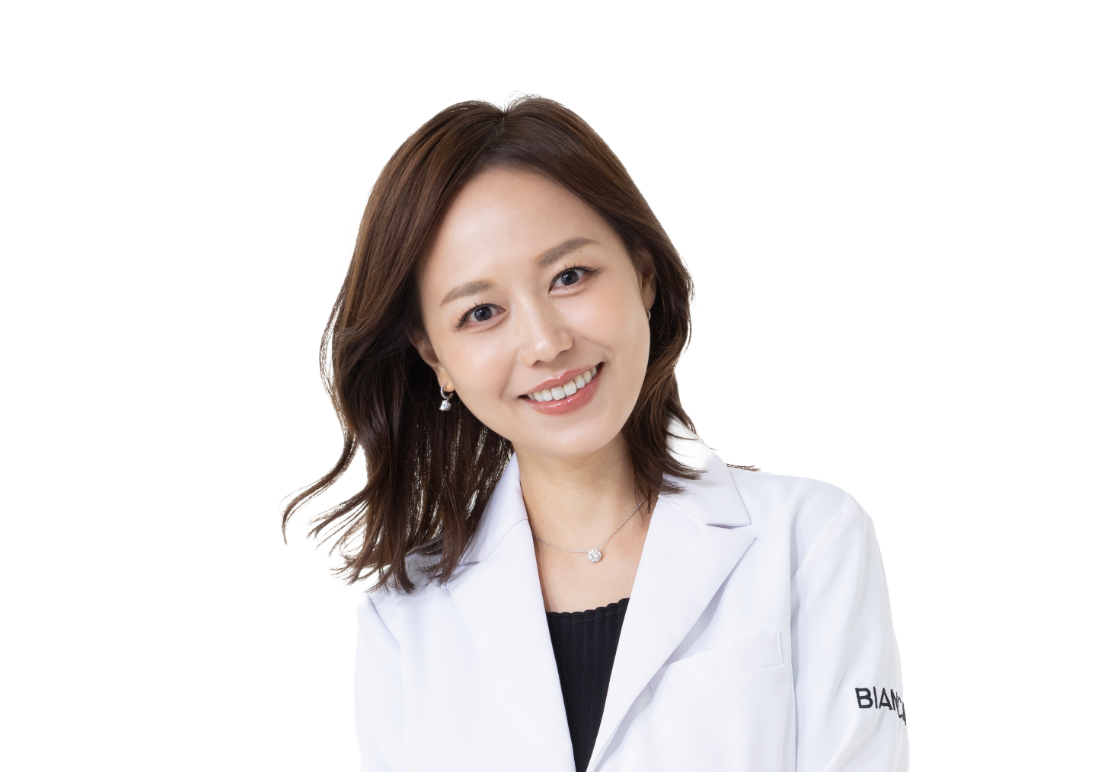
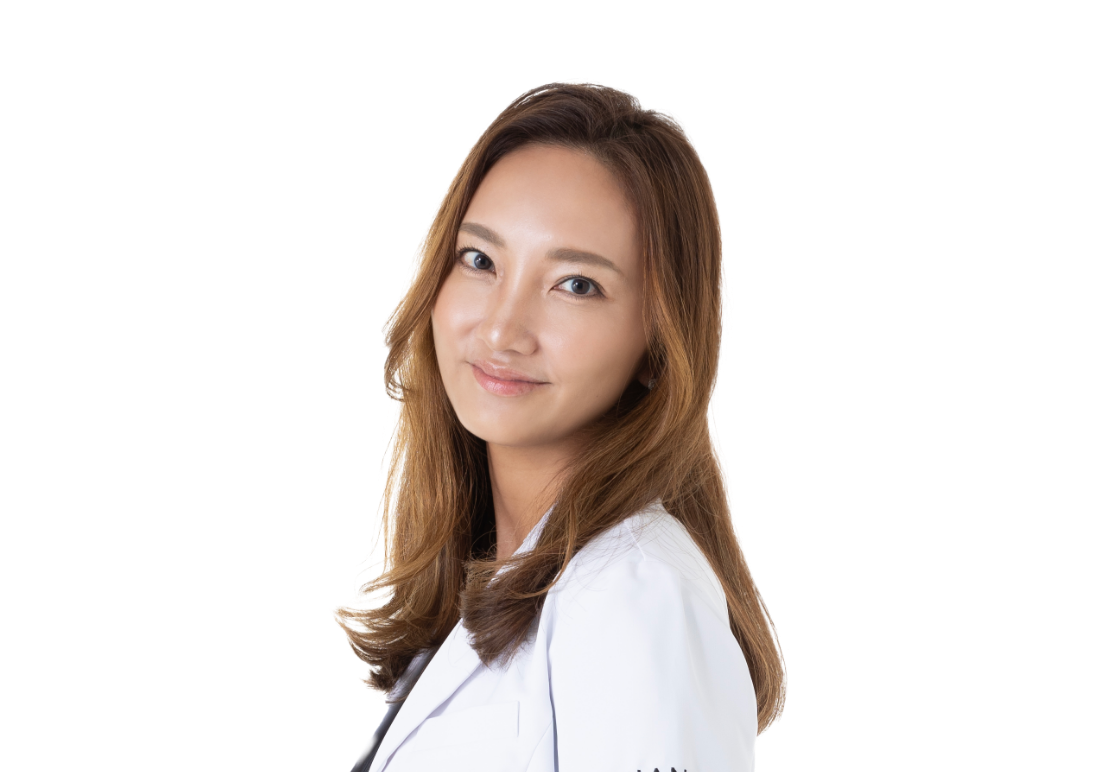
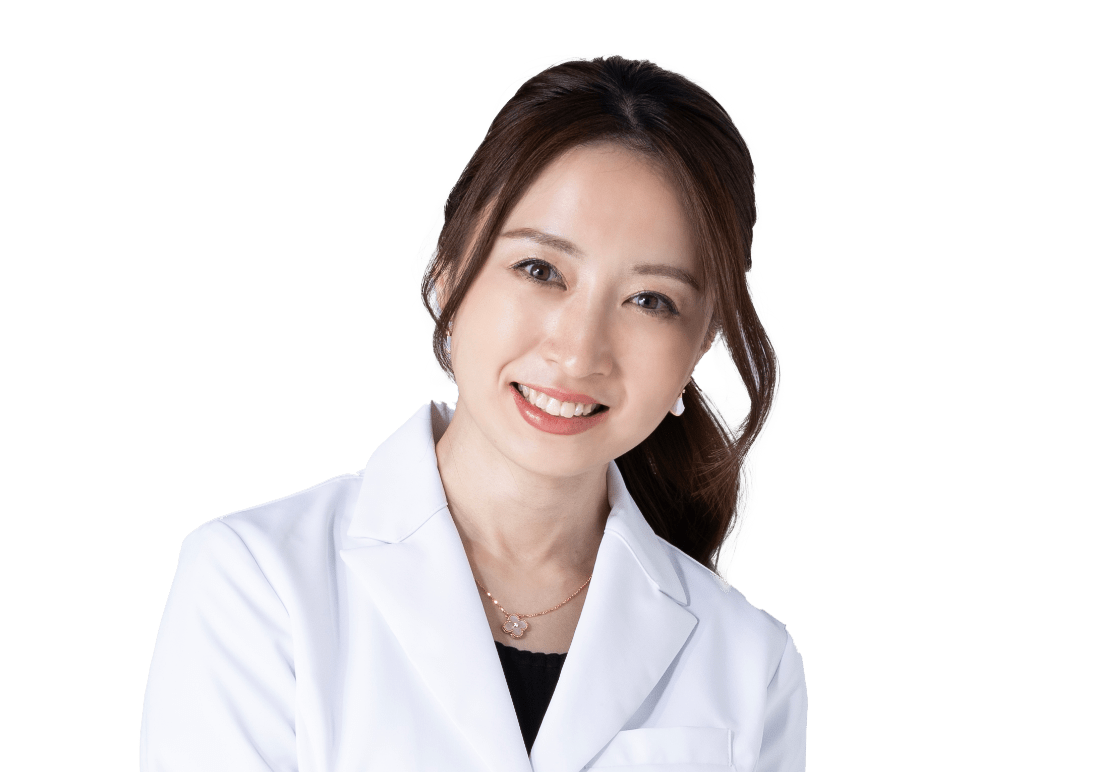
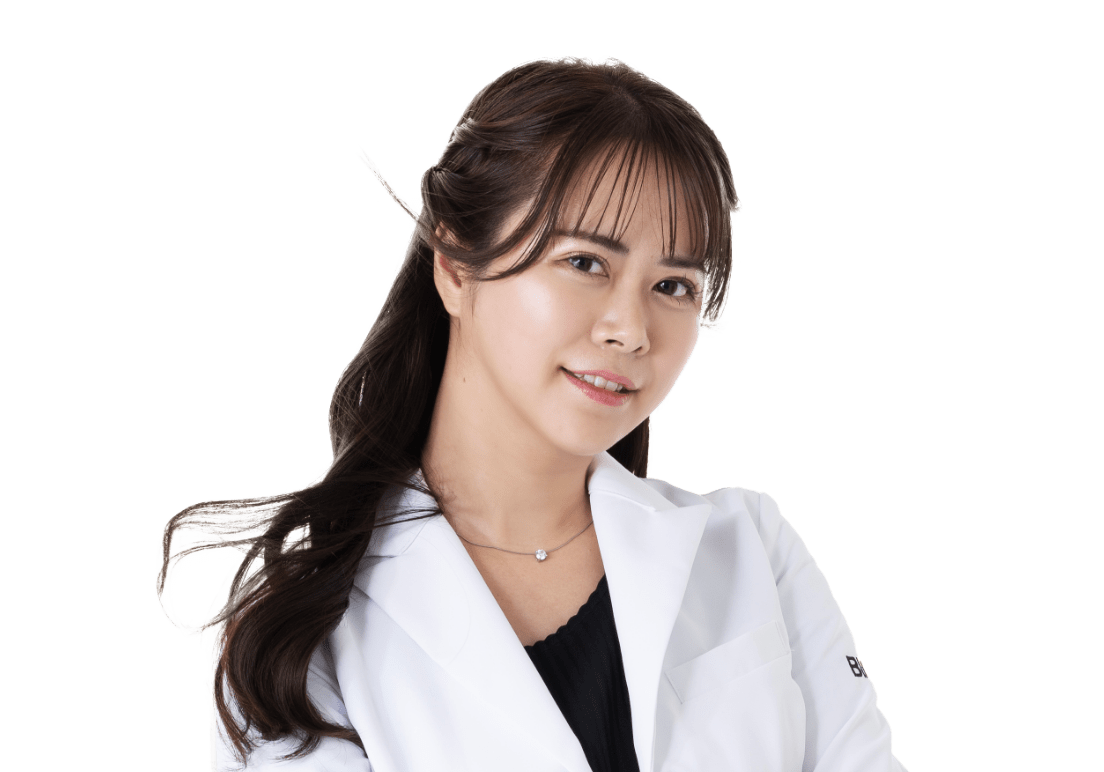
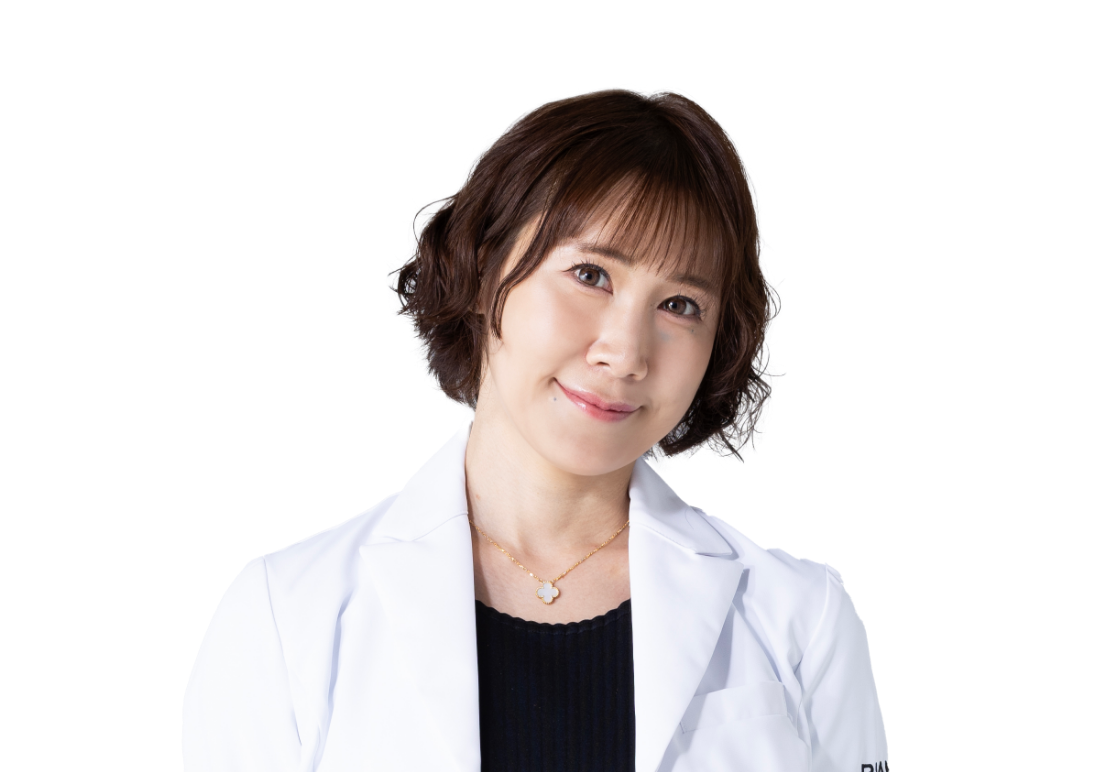
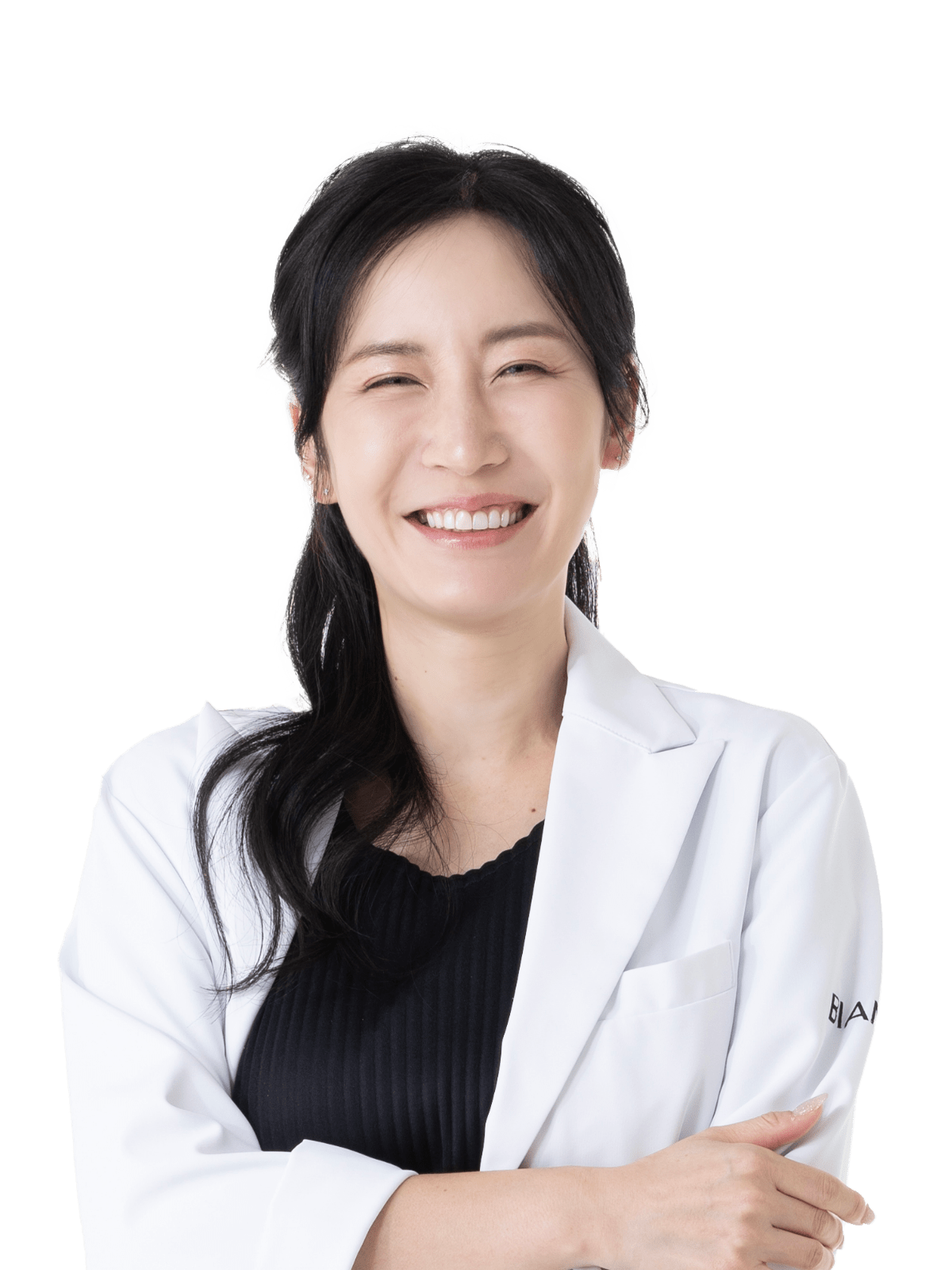
Bianca Clinic Aesthetic Medicine Director
Dr. Yoko Maeda Profile
https://biancaclinic.jp/doctor/maeda/
Completed initial training at Okinawa Prefectural Nanbu Medical Center and Children's Medical Center. Worked in the Department of Radiology at Kyoto Prefectural University of Medicine and at an aesthetic clinic. Encountered high-dose vitamin C intravenous therapy at a seminar by the Intravenous Therapy Research Society. Studied abroad as a Research Fellow at the L'Ordin Clinic in the United States. Achieved notable accomplishments, including passing the American Academy of Anti-Aging Medicine's specialist certification exam at the youngest age.
Currently serving as a Medical Director of Aesthetic Medicine at BIANCA CLINIC. The role of a Medical Director of Aesthetic Medicine is to propose methods for regulating the body from within, thereby approaching beauty through health. We address various physical discomforts and concerns, including female menopausal symptoms, male menopausal symptoms, fatigue recovery, FAGA (female pattern hair loss), ED (erectile dysfunction), and muscle enhancement. As a professional in anti-aging care that treats aging from within the body, I propose treatments tailored to each patient from among methods utilizing regenerative medicine and advanced medical technologies. Through an approach aimed at improving constitution and rejuvenating biological age, I provide support for Longevity—not merely extending lifespan, but achieving healthy longevity.
<Aesthetic Medicine Services>
◆Male Menopause
◆FAGA
◆Biological Age (Epigenetic Clock/Biological Age Test)
◆Muscle Building
◆Peptide Therapy
◆Hormone Replacement Therapy (HRT)
◆Orthomolecular Nutrition Therapy
◆Hydrogen Therapy
◆NMN Intravenous Therapy
◆Exosome Injection
◆Purified and Concentrated Stem Cell Culture Supernatant Infusion
◆High-Concentration Vitamin C IV Drip
◆Placenta injections, etc.
<Professional Affiliations and Qualifications>
◆Director, Japanese Society of Aesthetic Medicine
◆American Academy of Anti-Aging Medicine (A4M) Certified Specialist
◆A4M Anti-Aging, Metabolism, and Functional Medicine Fellowship
◆American Academy of Advanced Medical Sciences Chelation Specialist
<Check out more information about Dr. Yoko Maeda's aesthetic medicine practice here>
Dr. Yoko Maeda's Instagram account (@dr.yokomaeda) isHere
The official Instagram account for Bianca Clinic (@biancaclinic) isHere
The official YouTube account for Bianca Clinic isHere