column (e.g. in newspaper)
2024.08.31
Is "Milk Makes Bones Strong" a Myth? A Cosmetic Internal Medicine Specialist Explains the Relationship Between Milk and Bones
To maximize your beauty, care for both the inside and outside is essential. We aim to bring advanced anti-aging treatments, such as peptide therapy common overseas, to our Japanese patients. While aesthetic medical approaches may offer more gradual results, they are crucial for building the foundation that supports beauty and youth. We combine nutritional therapy and lifestyle improvements with hormone replacement, peptide therapy, and regenerative medicine to propose personalized treatment plans. We provide long-term support for health and beauty from within.
Hello, everyone.
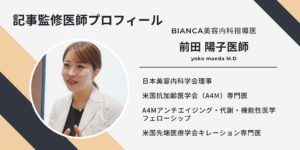
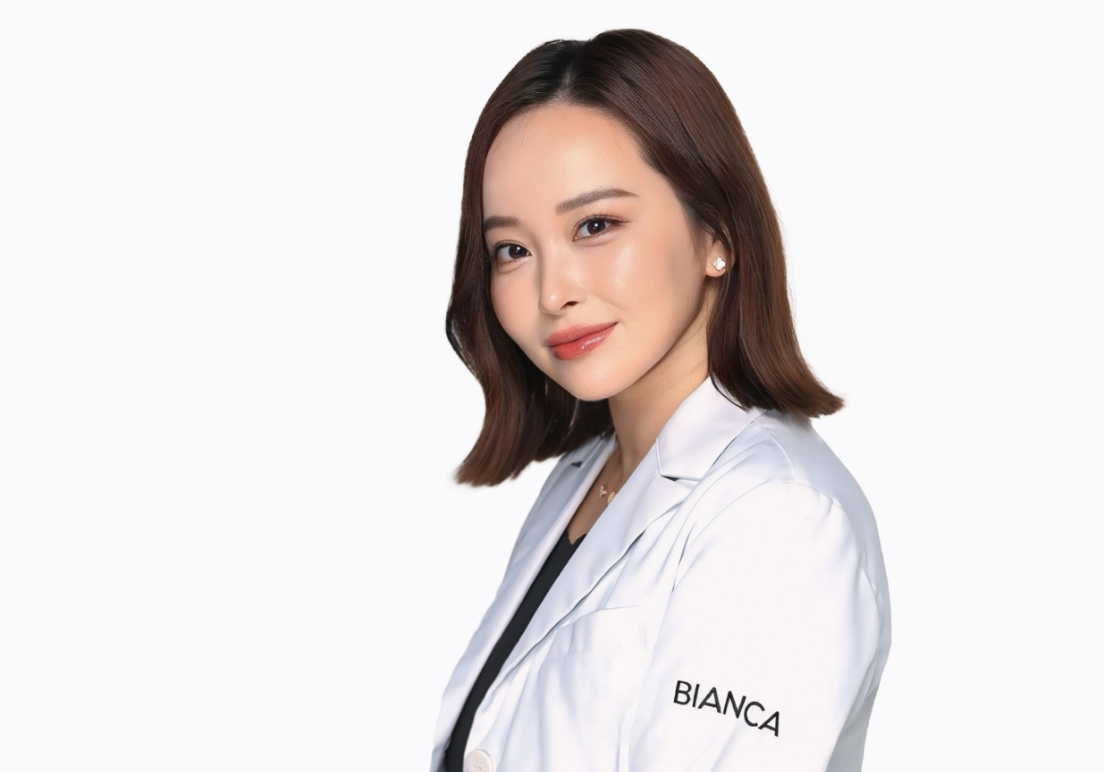
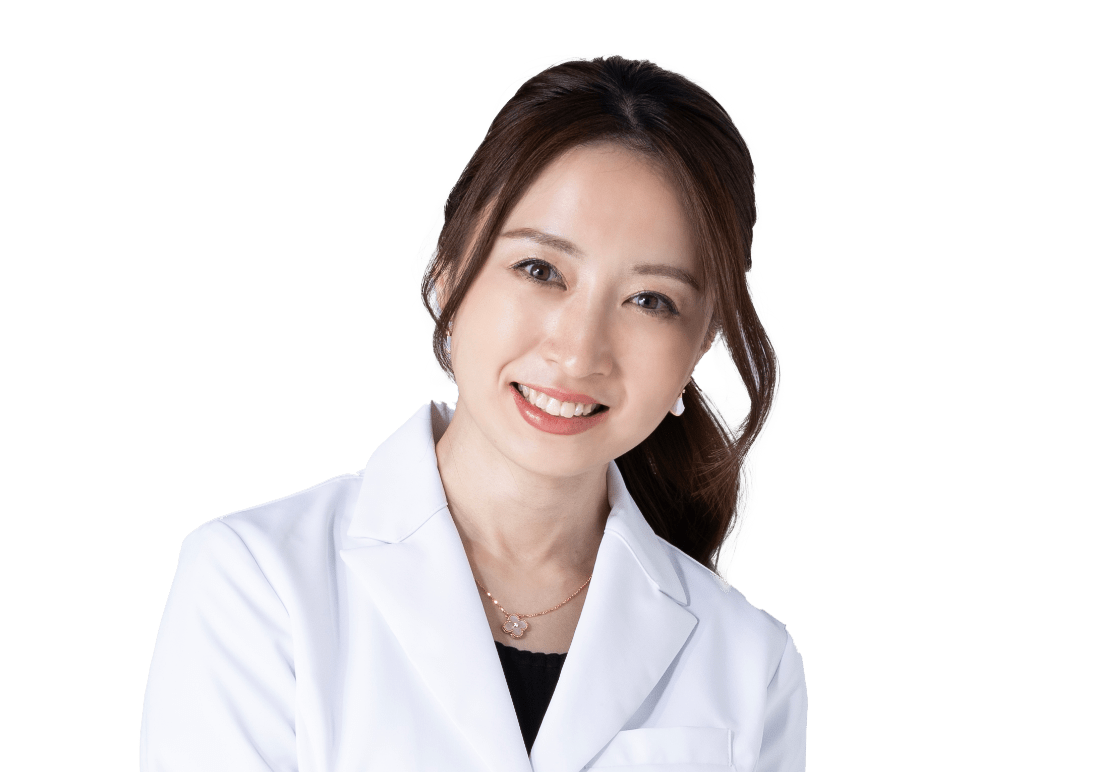
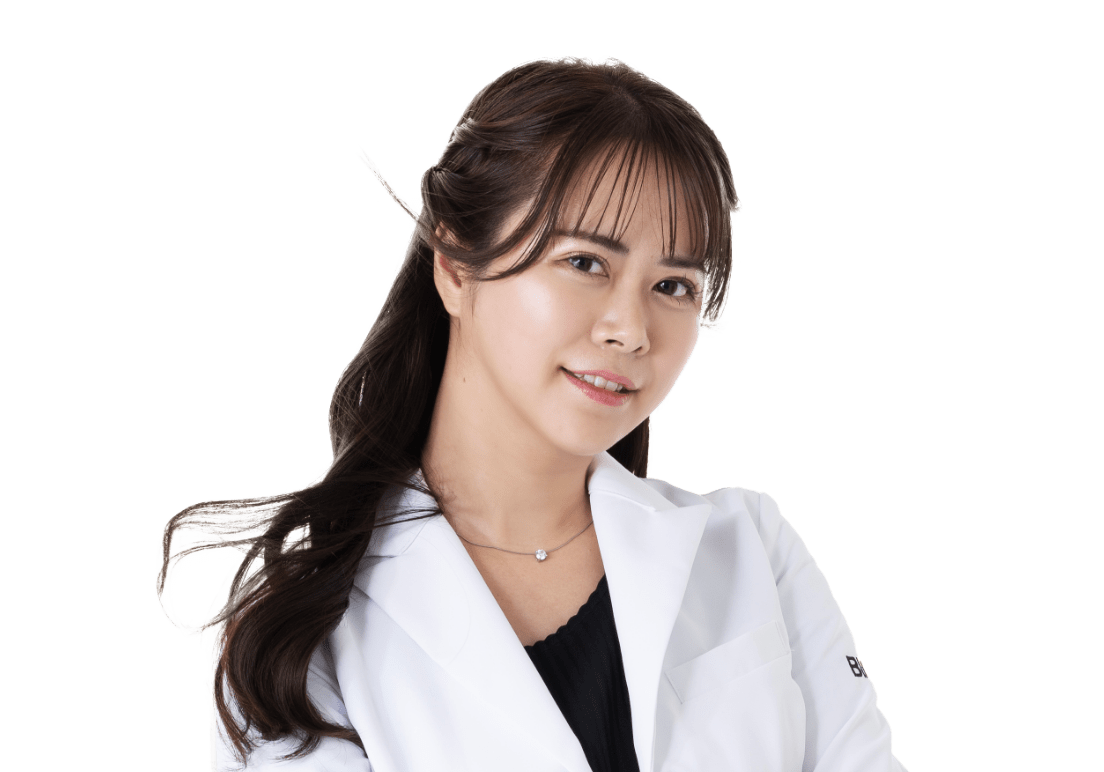
I am Yoko Maeda, the supervising physician at BIANCA Aesthetic Medicine.
Profile of Dr. Yoko Maeda, Director of Aesthetic Medicine
Completed initial training at Okinawa Prefectural Nanbu Medical Center and Children's Medical Center. Worked in the Department of Radiology at Kyoto Prefectural University of Medicine and at an aesthetic clinic. Encountered high-dose vitamin C intravenous therapy at a seminar by the Intravenous Therapy Research Society. Studied abroad as a Research Fellow at the Riordan Clinic in the United States. Achieved notable accomplishments, including passing the American Academy of Anti-Aging Medicine's specialist certification exam at the youngest age.
Currently serving as a Medical Director of Aesthetic Medicine at BIANCA. The role of a Medical Director of Aesthetic Medicine is to approach healthy beauty by caring for the body from within. As a professional in anti-aging care that treats aging from the inside out, I support patients in improving their constitution and maintaining a youthful appearance for years to come by proposing personalized treatments such as natural hormone replacement therapy, peptide therapy, and supplement therapy.
<Professional Affiliations and Qualifications>
・Director, Japanese Society of Aesthetic Medicine
・American Academy of Anti-Aging Medicine (A4M) Certified Specialist
・A4M Anti-Aging, Metabolism, and Functional Medicine Fellowship
・Certified Chelation Specialist, American Academy of Advanced Medical Sciences
<Check out more information about Dr. Yoko Maeda's aesthetic medicine practice here>
Dr. Yoko Maeda's Instagram account isHere
The official Instagram account for BIANCA isHere
The official YouTube account for BIANCA isHere
Don't you all have the image that milk makes your bones strong?
When I was a child, I also drank milk to grow taller and strengthen my bones.
It's true that milk contains plenty of calcium, which is essential for preventing osteoporosis. However, it's recently come to light that the idea that drinking milk makes your bones stronger might not be entirely accurate.
The Relationship Between Milk and Bones

Numerous studies have been published on the relationship between bone health and milk. One of these is a large study conducted in the United States in 1980.
This study investigated the relationship between milk consumption and fractures. If milk increases bone density and aids bone formation, then those who drink more should have a lower fracture rate.
A study was conducted over 12 years on more than 77,000 people aged 34 to 59, examining the amount of milk consumed and fracture rates.
The findings of the study revealed that milk has no effect in preventing fractures. Drinking plenty of milk did not prevent fractures.
On the contrary, consuming large amounts of milk and dairy products actually increased the likelihood of fractures.
Why does drinking milk increase the risk of fractures?

Why did the probability of fractures increase among those who consumed more milk?
There are various reasons, but it is thought that an imbalance between calcium and magnesium may also be a contributing factor. Bones require not only calcium but also magnesium. Milk is rich in calcium. However, its magnesium content is very low, meaning it does not provide a balanced intake of both calcium and magnesium.
The poor balance of calcium and magnesium in milk is thought to be the reason it did not contribute to bone health.
What should I eat to strengthen my bones?

So, if you want to strengthen your bones, what should you consume instead of milk?
To maximize bone-strengthening effects, it's important to consume calcium and magnesium in a balanced ratio. Rather than drinking large amounts of milk, I recommend small fish, seafood, and bitter vegetables, which provide a better calcium-to-magnesium balance. Consuming calcium and magnesium in the right balance is key to building healthy bones.
If you feel you're not getting enough nutrients from your regular diet, supplements are also recommended. It's a good idea to take vitamin D, one of the nutrients that helps build bones.
Why does milk upset my stomach?

Some people may experience stomach rumbling after drinking milk. This is caused by casein, a milk protein found in milk. It's not uncommon for casein to irritate the stomach, disrupt the intestinal environment, or even cause diarrhea in severe cases.
While dairy products like milk have a healthy image, it's important to know that they can actually weaken bones and upset your stomach.
When should you drink milk?

"Drink milk to strengthen your bones" is an outdated notion. We do not recommend consuming large amounts of dairy products like milk or yogurt "for the sake of health."
The perception of dairy products is gradually shifting toward being something delicious to enjoy on special occasions.
When I want to add dairy to my daily coffee, I use plant-based alternatives instead of cow's milk. Examples of plant-based alternatives include soy milk, almond milk, coconut milk, and rice milk. With so many milk alternatives available, you can choose one that suits your taste.
To maintain beauty, inner health is also important. If you're unsure which supplements to take, please come in for a consultation. We'll recommend the perfect anti-aging care tailored just for you.