column (e.g. in newspaper)
2024.09.30
Hormone Replacement Therapy for Menopause Relief and Anti-Aging Care! Explained by a Cosmetic Internal Medicine Specialist
To maximize your beauty, care for both the inside and outside is essential. We aim to bring advanced anti-aging treatments, such as peptide therapy common overseas, to our Japanese patients. While aesthetic medical approaches may offer more gradual results, they are crucial for building the foundation that supports beauty and youth. We combine nutritional therapy and lifestyle improvements with hormone replacement, peptide therapy, and regenerative medicine to propose personalized treatment plans. We provide long-term support for health and beauty from within.
Hello, everyone.
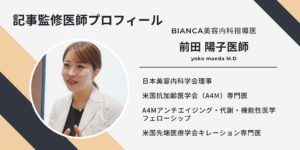
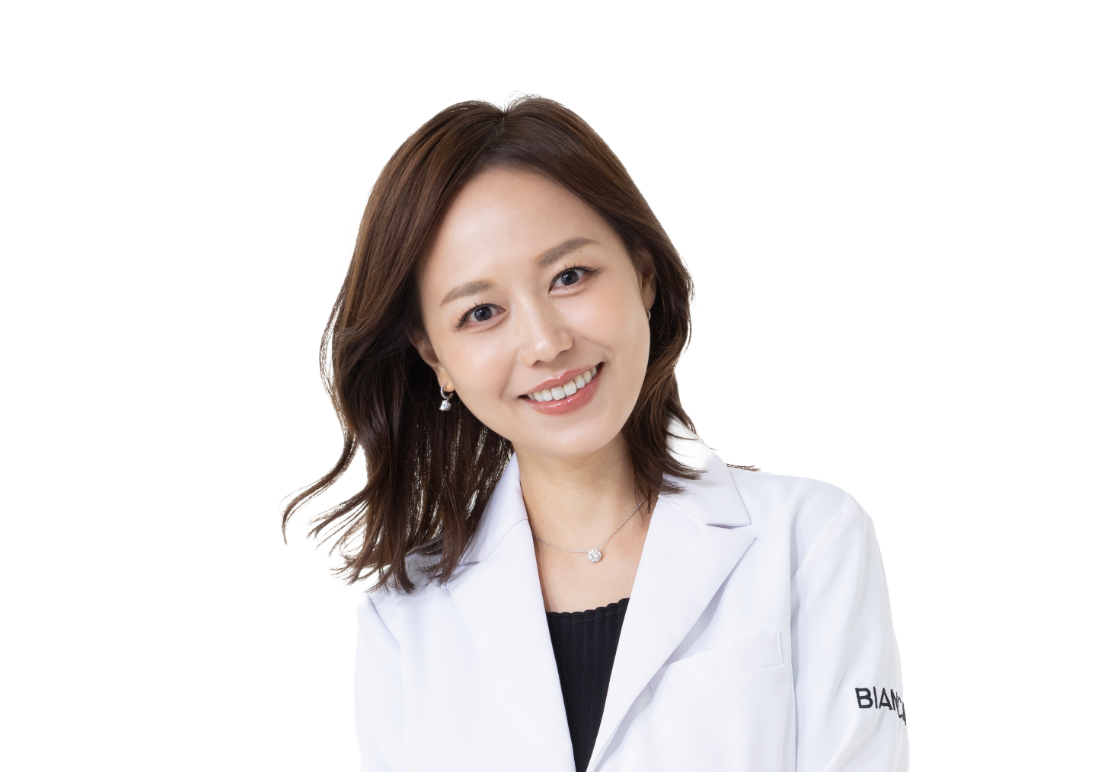
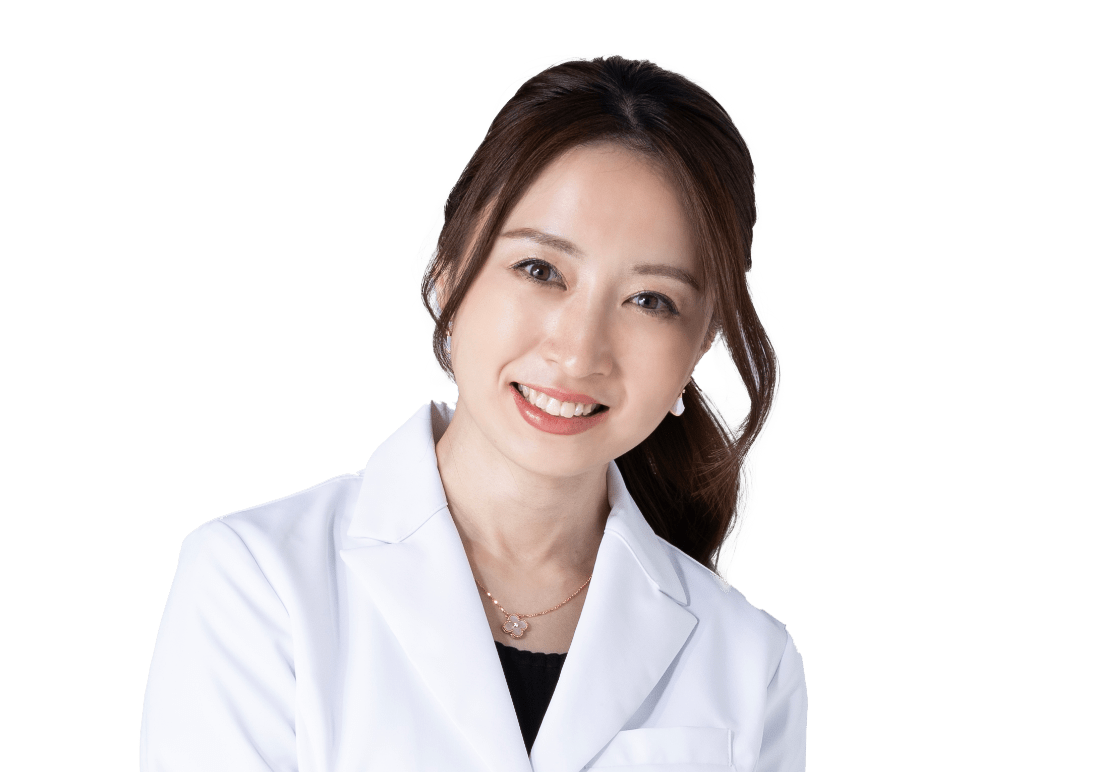
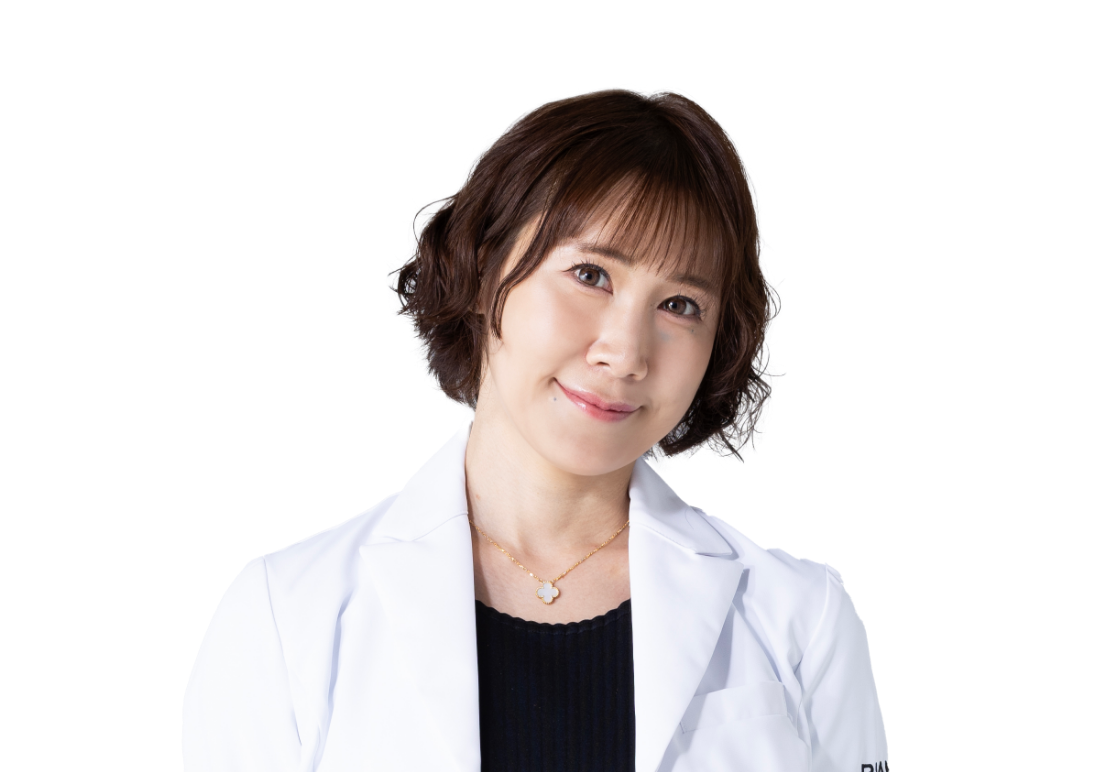
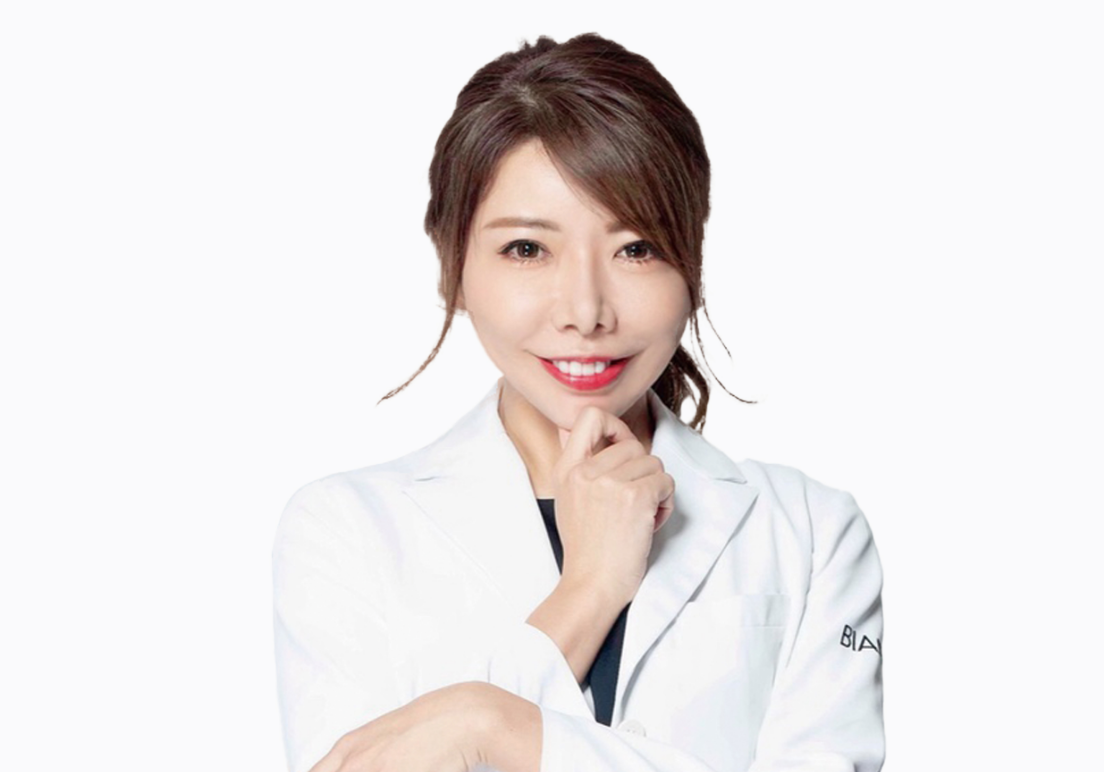
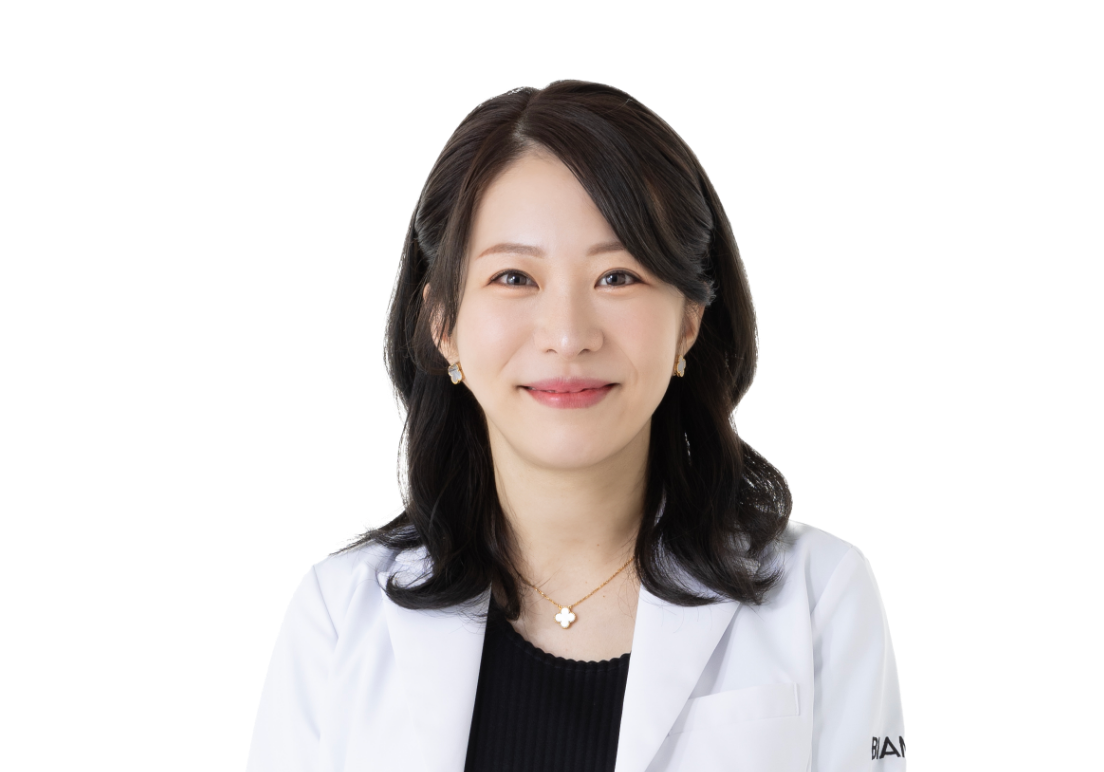
I am Yoko Maeda, the supervising physician at BIANCA Aesthetic Medicine.
Profile of Dr. Yoko Maeda, Director of Aesthetic Medicine
Completed initial training at Okinawa Prefectural Nanbu Medical Center and Children's Medical Center. Worked in the Department of Radiology at Kyoto Prefectural University of Medicine and at an aesthetic clinic. Encountered high-dose vitamin C intravenous therapy at a seminar by the Intravenous Therapy Research Society. Studied abroad as a Research Fellow at the Riordan Clinic in the United States. Achieved notable accomplishments, including passing the American Academy of Anti-Aging Medicine's specialist certification exam at the youngest age.
Currently serving as a Medical Director of Aesthetic Medicine at BIANCA. The role of a Medical Director of Aesthetic Medicine is to approach healthy beauty by caring for the body from within. As a professional in anti-aging care that treats aging from the inside out, I support patients in improving their constitution and maintaining a youthful appearance for years to come by proposing personalized treatments such as natural hormone replacement therapy, peptide therapy, and supplement therapy.
<Professional Affiliations and Qualifications>
・Director, Japanese Society of Aesthetic Medicine
・American Academy of Anti-Aging Medicine (A4M) Certified Specialist
・A4M Anti-Aging, Metabolism, and Functional Medicine Fellowship
・Certified Chelation Specialist, American Academy of Advanced Medical Sciences
<Check out more information about Dr. Yoko Maeda's aesthetic medicine practice here>
Dr. Yoko Maeda's Instagram account isHere
The official Instagram account for BIANCA isHere
The official YouTube account for BIANCA isHere
This time, we'll explain hormone replacement therapy. Hormone replacement therapy is a treatment method that supplements deficient hormones for purposes such as anti-aging care, menopausal symptoms, and disease treatment.
It has become the standard in anti-aging care overseas.
What are the methods of hormone replacement therapy?

There are various methods of hormone replacement therapy, but broadly speaking, they can be divided into two categories.
◆Administer chemically synthesized hormones
◆Administering hormones produced within the body
At BIANCA, we offer natural hormone replacement therapy. The key feature of natural hormone replacement therapy is its high safety profile. Many people worry about side effects when considering hormone replacement therapy. With natural hormone replacement therapy, side effects are significantly less likely to occur.
Which hormones are being supplemented?

There are several types of hormones. We perform a blood test beforehand and determine which hormones to supplement based on the test results to confirm suitability.
For example, menopausal symptoms in women are caused by a decrease in hormones like progesterone and estrogen secreted by the ovaries as a result of aging. These symptoms range from physical manifestations such as hot flashes, sweating, chills, dizziness, swelling, headaches, and fatigue, to mental symptoms including anxiety, insomnia, and depression.
There are various methods of hormone replacement therapy, but broadly speaking, they can be divided into two categories.
<Recommended Hormones for Women Around Menopause and Their Functions>
◆Progesterone…Raises basal body temperature, stabilizes the endometrium, promotes mammary gland development, etc.
◆Estrogen… development of breasts, uterus, and vagina, collagen production, etc.
In some cases, both progesterone and estrogen are supplemented after testing, while in others, only one of the two is supplemented.
Male menopause has recently begun to gain attention as men experience a decline in testosterone, their primary male hormone. Physical symptoms may include overall fatigue and lethargy, decreased libido, erectile dysfunction (ED), insomnia, stiff shoulders, hair loss, and thinning hair. Mental symptoms can also manifest as a loss of energy, decreased concentration, irritability, and depression.
For men exhibiting these symptoms, testosterone and DHEA—which is upstream of testosterone—are often administered together.
In addition to sex hormones, insufficient levels of thyroid hormones produced in the neck can also make it difficult to feel energetic. When the deficiency is severe enough to be considered pathological, treatment is covered by insurance. However, even when the deficiency is not severe enough to be classified as a disease, appropriately supplementing thyroid hormones can lead to an improvement in quality of life (QOL).
Who is eligible for hormone replacement therapy?

You may also wonder, "When should hormone replacement therapy begin?" Simply put, hormone replacement therapy is for individuals experiencing symptoms due to hormone deficiency.
For example, women around menopause experience a gradual decline in female hormones, leading to so-called menopausal symptoms like hot flashes and mood swings. If you have these subjective symptoms, it's time for hormone replacement therapy. Of course, in addition to these symptoms, hormone replacement is administered only after proper testing confirms the hormone levels have indeed decreased.
Hormone replacement therapy can help alleviate menopausal symptoms. By the way, the time it takes for hormone replacement therapy to take effect varies from person to person, but it's generally about 2 weeks to 3 months.
Timing of Hormone Replacement Therapy

The recommended time to start hormone replacement therapy is when hormone levels begin to decline with age. Both male and female hormones gradually decrease with aging.
Individual differences exist, but the approximate ages are as follows:
◆Women: Around 40s to 55 years old (approximately 5 years before and after menopause)
◆Male: 40s to 50s

For women, progesterone levels begin to decline around ages 35 to 40. The state where progesterone is low while estrogen remains sufficiently high is considered very taxing on the body. Supplementing progesterone at this time to reduce the disparity with estrogen can help prevent discomfort.
What is the purpose of hormone replacement therapy?

Hormone replacement therapy serves not only to alleviate symptoms associated with menopause, but also has the aspect of preventing future diseases.
For women, menopausal symptoms ease once menopause is complete. If the goal is to alleviate menopausal symptoms, hormone replacement therapy is generally not necessary afterward. One approach is to use hormone replacement therapy during menopausal symptoms and discontinue treatment once menopause ends.
However, once menopause ends and women reach their 60s and 70s, declining estrogen levels can weaken bone strength, increasing the risk of osteoporosis. Research also indicates that lower levels of female hormones may elevate the risk of dementia.
Therefore, we recommend continuing natural hormone replacement therapy even after menopause to prevent future illnesses. In fact, many people overseas use hormone replacement therapy specifically for disease prevention.
If you're in your 40s or older and experiencing physical changes or increased fatigue unlike anything you've felt before, it might be due to hormonal imbalance. Even if you're in your 20s or 30s, if you have strong premenstrual symptoms like PMS or PCOS-like symptoms, natural hormone replacement therapy could very well offer improvement.
Some theories suggest that aging accelerates due to declining hormone levels, making hormone replacement therapy an essential treatment for anti-aging care. Why not consider hormone replacement therapy to aim for rejuvenation from within?
If you're interested in anti-aging care from the inside out, please come in for a consultation.