column (e.g. in newspaper)
2024.08.31
What effects does mold toxin have when it enters the body? Symptoms and countermeasures explained by a cosmetic medicine doctor
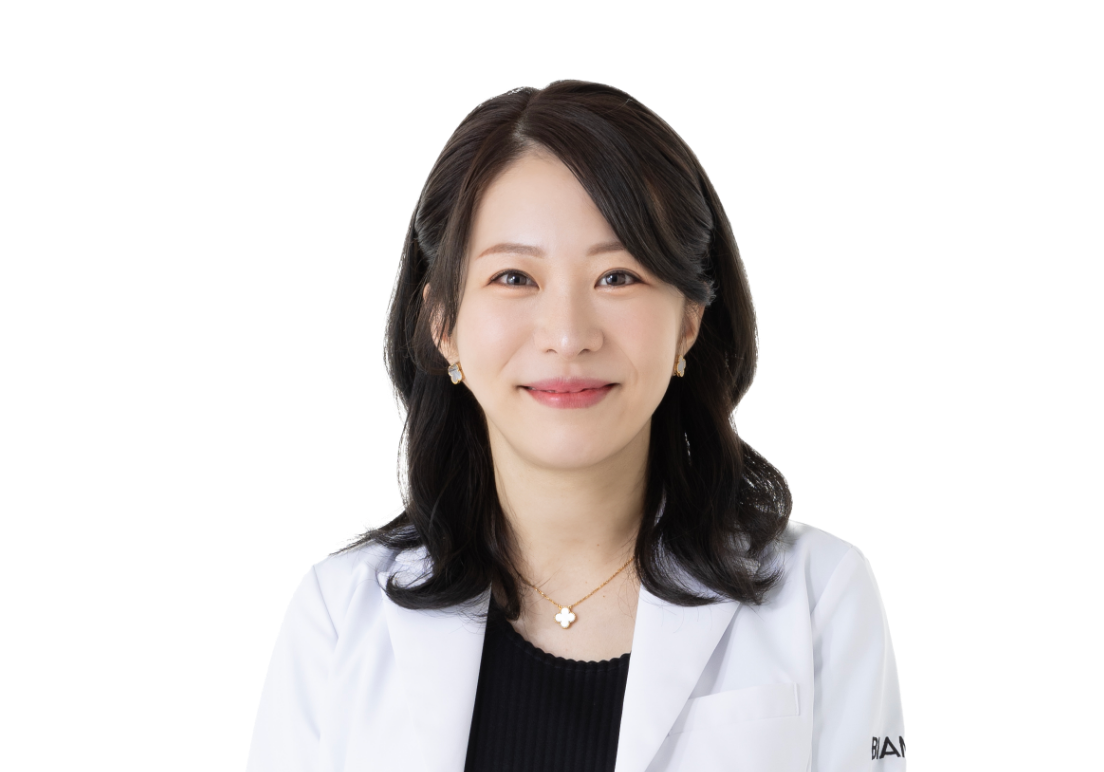
To maximize your beauty, care for both the inside and outside is essential. We aim to bring advanced anti-aging treatments, such as peptide therapy common overseas, to our Japanese patients. While aesthetic medical approaches may offer more gradual results, they are crucial for building the foundation that supports beauty and youth. We combine nutritional therapy and lifestyle improvements with hormone replacement, peptide therapy, and regenerative medicine to propose personalized treatment plans. We provide long-term support for health and beauty from within.
Hello, everyone.
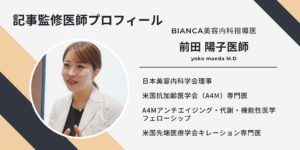
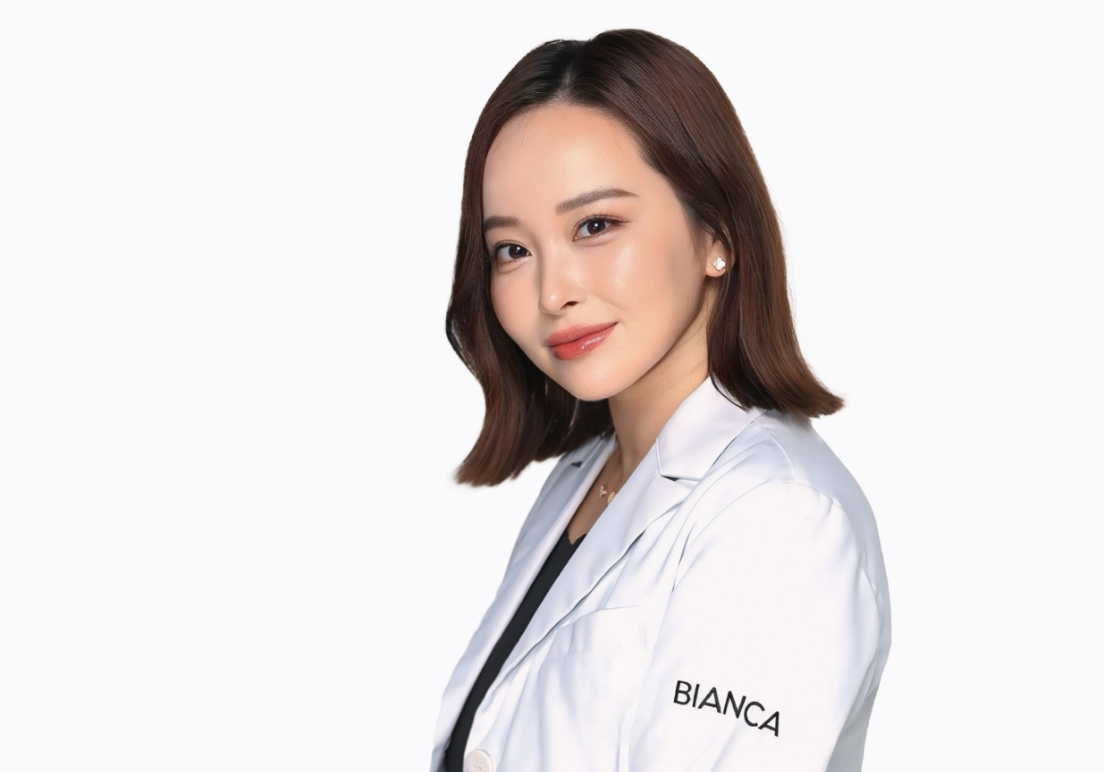
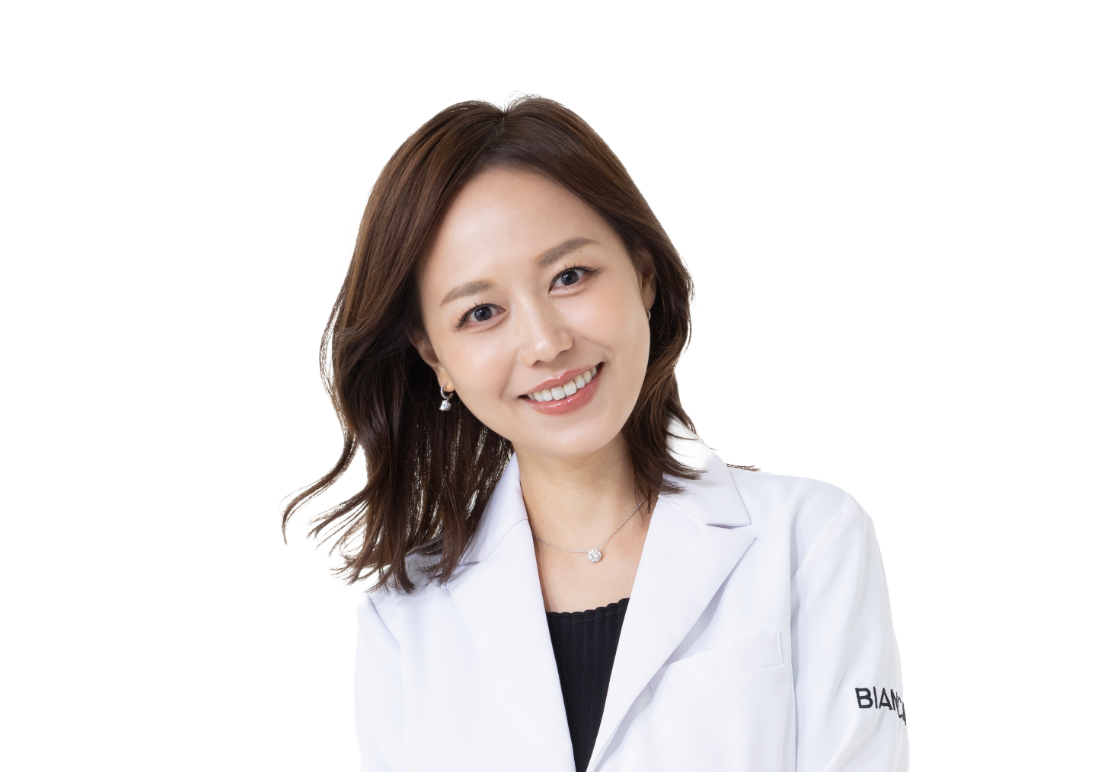
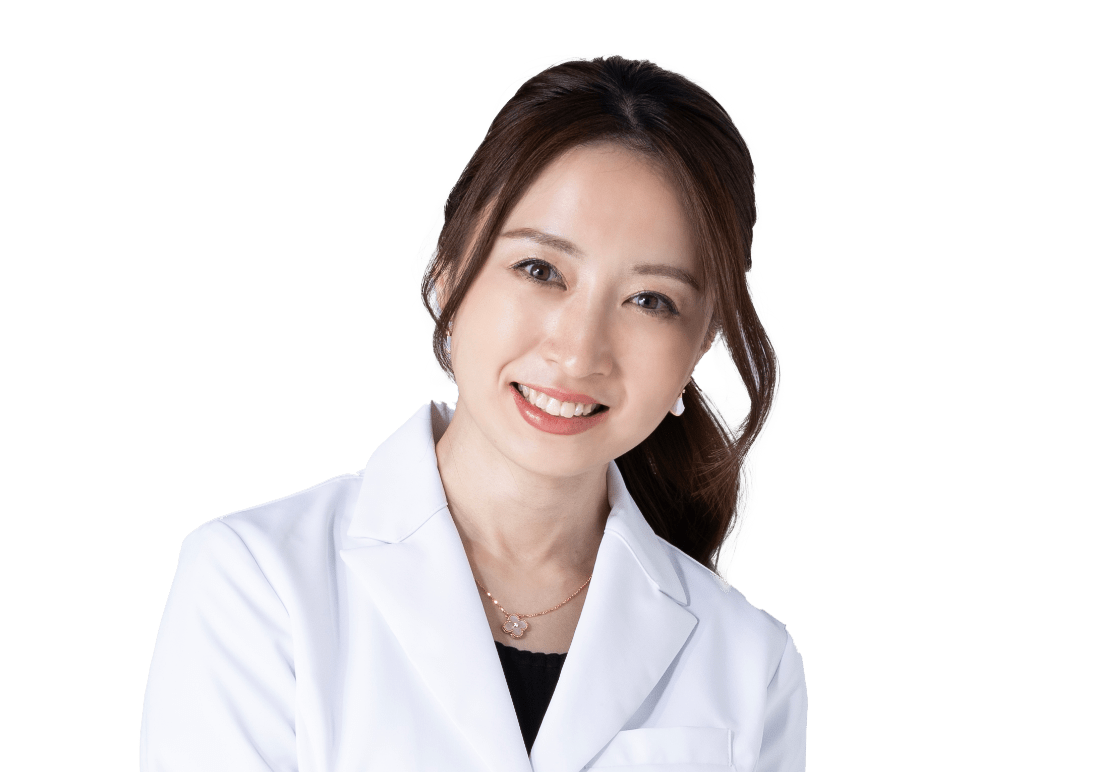
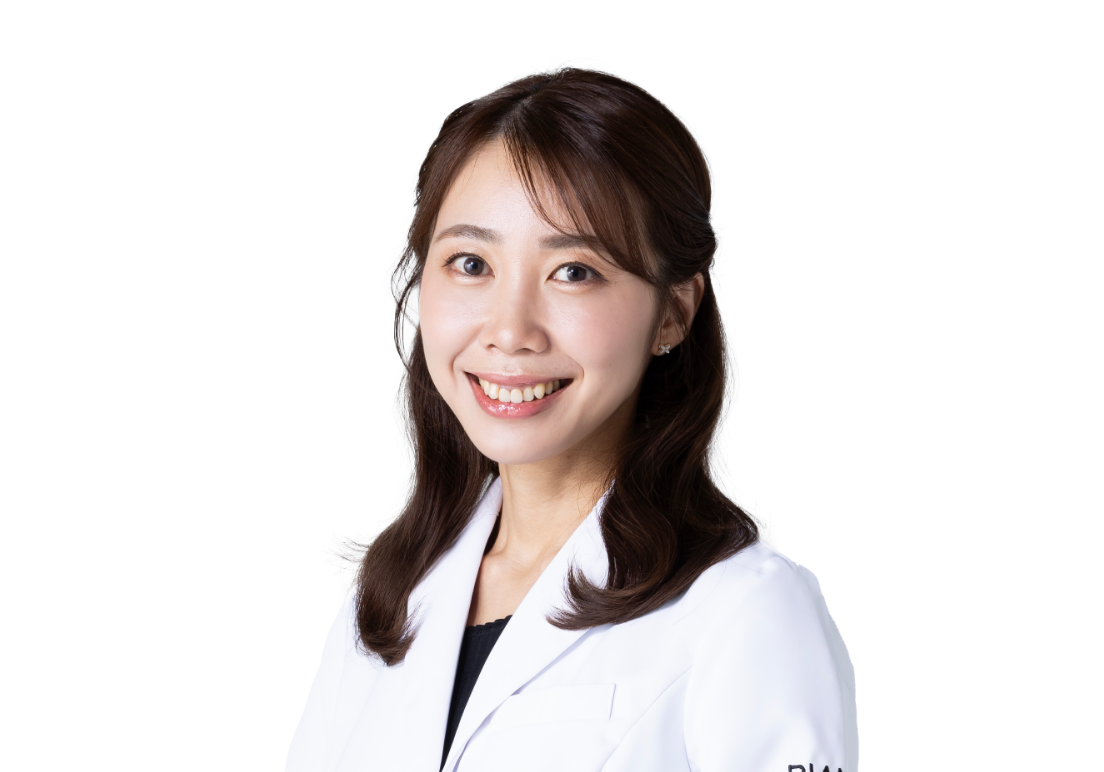
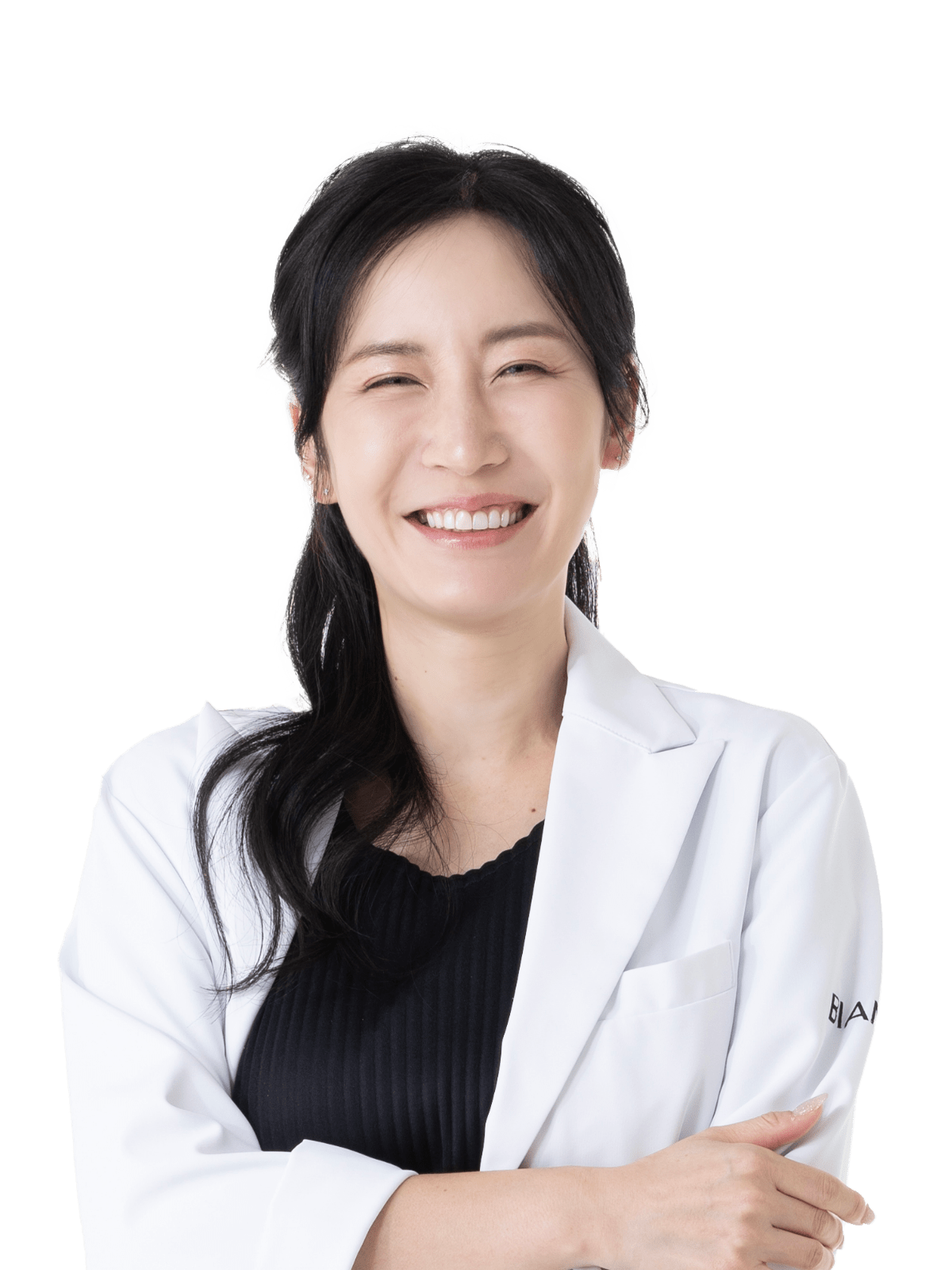
I am Yoko Maeda, the supervising physician at BIANCA Aesthetic Medicine.
Profile of Dr. Yoko Maeda, Director of Aesthetic Medicine
Completed initial training at Okinawa Prefectural Nanbu Medical Center and Children's Medical Center. Worked in the Department of Radiology at Kyoto Prefectural University of Medicine and at an aesthetic clinic. Encountered high-dose vitamin C intravenous therapy at a seminar by the Intravenous Therapy Research Society. Studied abroad as a Research Fellow at the Riordan Clinic in the United States. Achieved notable accomplishments, including passing the American Academy of Anti-Aging Medicine's specialist certification exam at the youngest age.
Currently serving as a Medical Director of Aesthetic Medicine at BIANCA. The role of a Medical Director of Aesthetic Medicine is to approach healthy beauty by caring for the body from within. As a professional in anti-aging care that treats aging from the inside out, I support patients in improving their constitution and maintaining a youthful appearance for years to come by proposing personalized treatments such as natural hormone replacement therapy, peptide therapy, and supplement therapy.
<Professional Affiliations and Qualifications>
・Director, Japanese Society of Aesthetic Medicine
・American Academy of Anti-Aging Medicine (A4M) Certified Specialist
・A4M Anti-Aging, Metabolism, and Functional Medicine Fellowship
・Certified Chelation Specialist, American Academy of Advanced Medical Sciences
<Check out more information about Dr. Yoko Maeda's aesthetic medicine practice here>
Dr. Yoko Maeda's Instagram account isHere
The official Instagram account for BIANCA isHere
The official YouTube account for BIANCA isHere
Did you know that when mycotoxins accumulate in the body, they can cause various health problems?
This time, we will explain the symptoms caused by mycotoxins.
What exactly is a mycotoxin?

Many people may not be familiar with the term "mycotoxin."
While mold itself is not necessarily harmful—it is used in the production of food and pharmaceuticals—mycotoxins refer to specific metabolites produced by mold that adversely affect humans and animals.
There are many different types of mold; some thrive in damp places, while others prefer dry environments.
This time, we'll introduce foods with the highest and lowest pesticide residues, as published annually by the U.S. Department of Agriculture and the Food and Drug Administration (FDA).
<Examples of Mold>
Black mold... It floats abundantly in the air and is prone to developing.
Blue mold... the first to appear on sweets and bread
White mold... Some are edible, but others are toxic, so caution is necessary.
Red mold... affects the human body
Green mold... Inhaling it may cause illness.
Yellow mold... Prefers dry conditions and can grow even on foods where blue mold does not develop.
There are many situations where exposure to mycotoxins is possible, such as unsanitary living environments and foods prone to mold growth.
Which foods are prone to mold growth?

The following ingredients should be used with caution:
<Foods Prone to Mold Growth>
◆Rice
◆Coffee
◆Nuts
◆Cashew nuts
◆Brazilian nuts
◆Walnut
◆Peanuts
◆Dried Fruit
As such, many of the foods we commonly consume are prone to mold growth.
Storing food at the right temperature and humidity and adhering to expiration dates are important, but mold can develop at any stage—before harvest, after harvest, or during storage.
Furthermore, once mold toxins have formed, they are difficult to remove even through cooking or processing.
Even if you're careful about safety on a daily basis, you might still unknowingly develop mold-related symptoms.
What symptoms does mold toxin cause?

<Symptoms Caused by Mycotoxins>
◆Memory Decline
◆Decreased Concentration
◆ADHD
◆Depressive symptoms
◆Chronic Fatigue
◆Muscle and Joint Pain
◆Diarrhea and Constipation
As such, symptoms of mycotoxins are diverse. Mycotoxins may also trigger other illnesses. Individuals with pre-existing respiratory conditions, allergic predispositions, or compromised immune systems should be especially cautious.
How to address health issues caused by mycotoxins accumulated in the body?

◆Activated Carbon
◆Chlorella
◆Silica
◆Bentonite Clay
It is expected to help adsorb mold in the digestive tract and expel it from the body.
Can mold toxins cause symptoms even in foods that use mold?

We received a question asking, "Can symptoms occur even with foods that use mold?" For example, many people might think of blue cheese, which is aged using blue mold.
There is no problem for healthy individuals with no health issues to consume it. However, those with pre-existing allergies or symptoms such as cognitive decline should exercise caution.
Anti-aging care also involves striving for a healthy body. If you're interested in medical anti-aging care, please come in for a consultation. From a cosmetic medicine perspective, we'll recommend the best treatment methods for you!