column (e.g. in newspaper)
2024.08.31
Is it true that 70% of vegetables contain pesticide residues? A cosmetic dermatologist explains why this causes aging.

To maximize your beauty, care for both the inside and outside is essential. We aim to bring advanced anti-aging treatments, such as peptide therapy common overseas, to our Japanese patients. While aesthetic medical approaches may offer more gradual results, they are crucial for building the foundation that supports beauty and youth. We combine nutritional therapy and lifestyle improvements with hormone replacement, peptide therapy, and regenerative medicine to propose personalized treatment plans. We provide long-term support for health and beauty from within.
Hello, everyone.
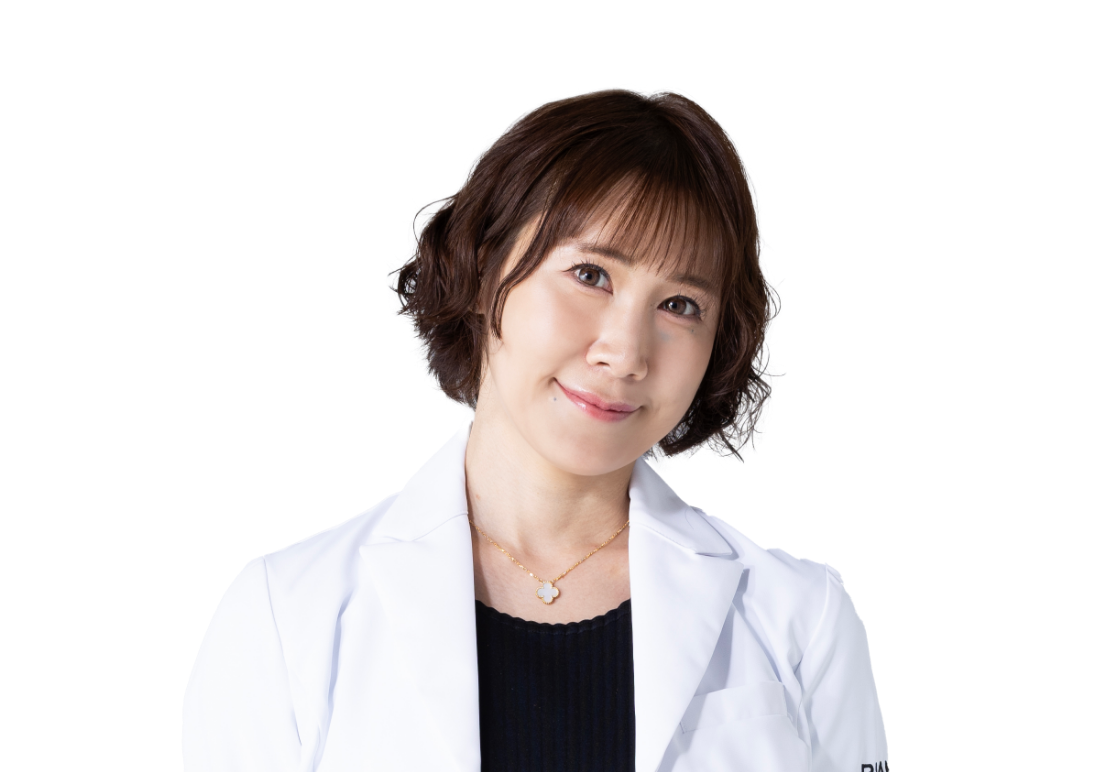
I am Yoko Maeda, the supervising physician at BIANCA Aesthetic Medicine.
Profile of Dr. Yoko Maeda, Director of Aesthetic Medicine
Completed initial training at Okinawa Prefectural Nanbu Medical Center and Children's Medical Center. Worked in the Department of Radiology at Kyoto Prefectural University of Medicine and at an aesthetic clinic. Encountered high-dose vitamin C intravenous therapy at a seminar by the Intravenous Therapy Research Society. Studied abroad as a Research Fellow at the Riordan Clinic in the United States. Achieved notable accomplishments, including passing the American Academy of Anti-Aging Medicine's specialist certification exam at the youngest age.
Currently serving as a Medical Director of Aesthetic Medicine at BIANCA. The role of a Medical Director of Aesthetic Medicine is to approach healthy beauty by caring for the body from within. As a professional in anti-aging care that treats aging from the inside out, I support patients in improving their constitution and maintaining a youthful appearance for years to come by proposing personalized treatments such as natural hormone replacement therapy, peptide therapy, and supplement therapy.
<Professional Affiliations and Qualifications>
・Director, Japanese Society of Aesthetic Medicine
・American Academy of Anti-Aging Medicine (A4M) Certified Specialist
・A4M Anti-Aging, Metabolism, and Functional Medicine Fellowship
・Certified Chelation Specialist, American Academy of Advanced Medical Sciences
<Check out more information about Dr. Yoko Maeda's aesthetic medicine practice here>
Dr. Yoko Maeda's Instagram account isHere
The official Instagram account for BIANCA isHere
The official YouTube account for BIANCA isHere
Did you know that pesticide residues are detected in 70% of non-organic vegetables?
Generally, agricultural products such as vegetables and fruits are grown using pesticides unless they are completely pesticide-free. Pesticide residues refer to the state where pesticides remain on the surface of vegetables and fruits.
While pesticides are reduced to some extent during shipping, it takes time for them to completely dissipate. Therefore, products are shipped and sold with residual pesticides still present.
The amount of pesticides used is strictly controlled, and residues exceeding regulatory standards are rarely detected. However, certain types of food are more prone to retaining pesticide residues.

This time, we'll introduce foods with the highest and lowest pesticide residues, as published annually by the U.S. Department of Agriculture and the Food and Drug Administration (FDA).
Foods with high levels of pesticide residues

Foods with High Pesticide Residues
◆Strawberry
◆Peach
◆Grapes
◆Apple
◆Celery
◆Potato
Leafy greens and fruits eaten raw tend to have higher levels of pesticide residues. It may be best to choose organic options for these foods whenever possible. Utilizing stores or home delivery services that carry reduced-pesticide, pesticide-free, or organic vegetables is also a good idea.
Foods with low levels of residual pesticides

Foods with Relatively Low Pesticide Residues
◆Avocado
◆Corn
◆Cauliflower
◆Broccoli
◆Snow Peas
◆Kiwi Fruit
◆Eggplant
◆Mushroom
Vegetables that are rarely eaten raw and fruits that are peeled before consumption tend to have lower pesticide residues. These foods are generally considered relatively safe, so organic may not be necessary. While this standard changes slightly each year, it generally follows this pattern.
What are the effects of pesticide residues on the human body?

You may be wondering what effects eating vegetables and fruits with residual pesticides might have.
Pesticides are one cause of inflammation within the body that leads to aging. Humans are composed of approximately 60 trillion cells, each made up of various molecules. Molecules have the property of becoming stable when they pair up, but molecules that do not form pairs are called free radicals.
An increase in free radicals disrupts the body's balance, accelerating the aging process. Since pesticides become oxidants that generate free radicals, it's best to avoid ingesting residual pesticides as much as possible.
How should I handle vegetables with pesticide residue?
To reduce pesticide intake even slightly, it's important to wash off residual pesticides before eating. While not all residual pesticides can be removed, many can be washed away.
Research has shown that tap water can wash vegetables just as effectively as expensive vegetable detergents, so tap water should suffice. Another method for removing pesticides involves soaking vegetables in water mixed with vinegar, salt, or baking soda to draw out bitterness, then rinsing them under running water.
Before eating or preparing vegetables and fruits, we recommend making a conscious effort to wash them thoroughly before use.
Paying attention to your diet is also part of anti-aging care. Be mindful of your daily eating habits to achieve a healthy body. If you're interested in internal anti-aging care, please come in for a consultation.