column (e.g. in newspaper)
2024.07.31
Does Sugar Consumption Reduce Nutrients? A Cosmetic Medicine Specialist Explains the Harm Beyond Weight Gain
To maximize your beauty, care for both the inside and outside is essential. We aim to bring advanced anti-aging treatments, such as peptide therapy common overseas, to our Japanese patients. While aesthetic medical approaches may offer more gradual results, they are crucial for building the foundation that supports beauty and youth. We combine nutritional therapy and lifestyle improvements with hormone replacement, peptide therapy, and regenerative medicine to propose personalized treatment plans. We provide long-term support for health and beauty from within.
Hello, everyone.
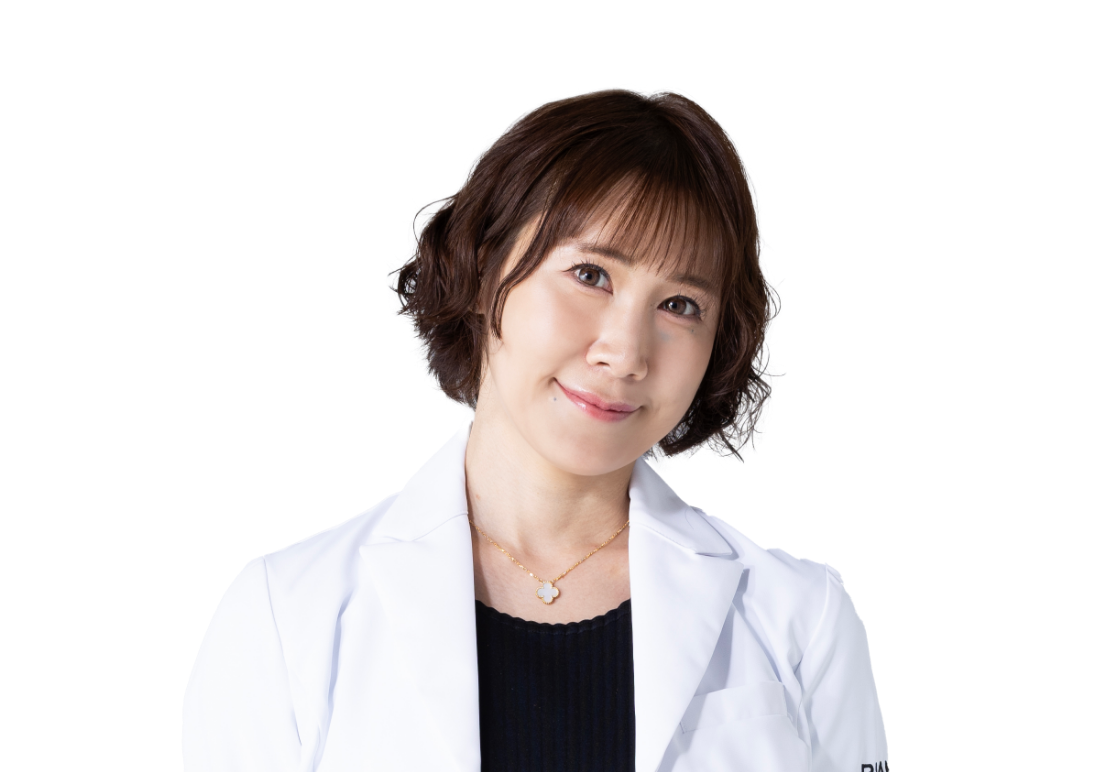
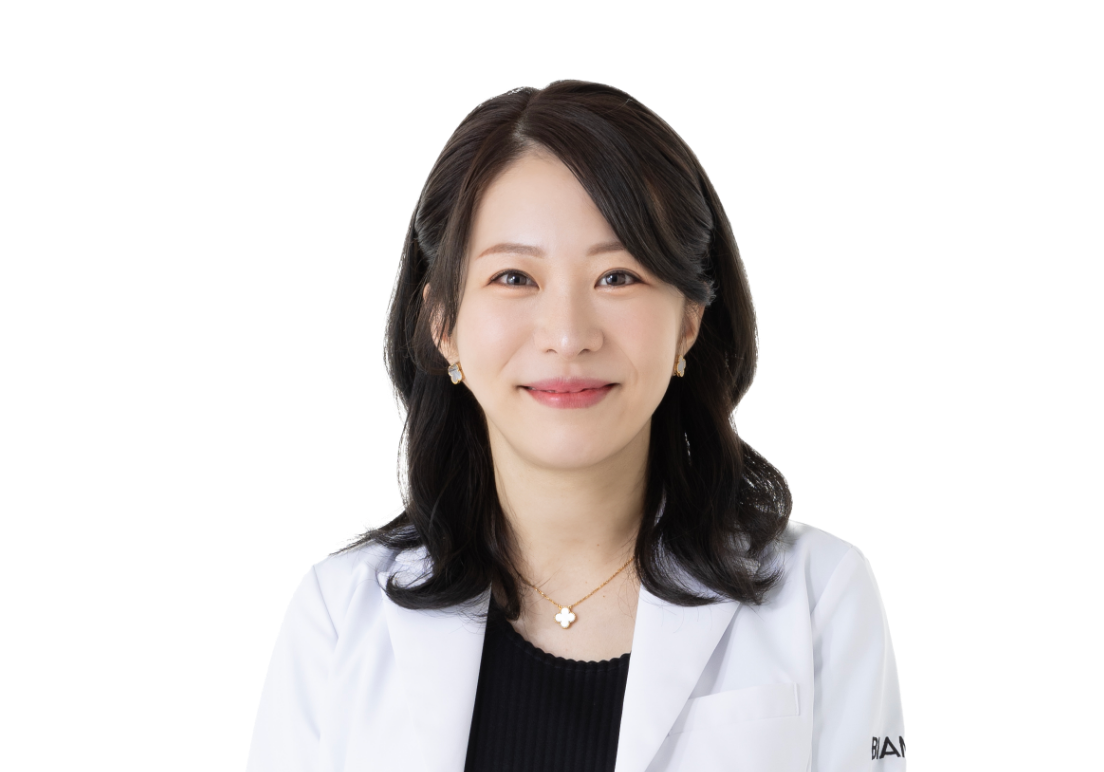
I am Yoko Maeda, a certified aesthetic medicine specialist at BIANCA.
Profile of Dr. Yoko Maeda, Director of Aesthetic Medicine
Completed initial training at Okinawa Prefectural Nanbu Medical Center and Children's Medical Center. Worked in the Department of Radiology at Kyoto Prefectural University of Medicine and at an aesthetic clinic. Encountered high-dose vitamin C intravenous therapy at a seminar by the Intravenous Therapy Research Society. Studied abroad as a Research Fellow at the Riordan Clinic in the United States. Achieved notable accomplishments, including passing the American Academy of Anti-Aging Medicine's specialist certification exam at the youngest age.
Currently serving as a Medical Director of Aesthetic Medicine at BIANCA. The role of a Medical Director of Aesthetic Medicine is to approach healthy beauty by caring for the body from within. As a professional in anti-aging care that treats aging from the inside out, I support patients in improving their constitution and maintaining a youthful appearance for years to come by proposing personalized treatments such as natural hormone replacement therapy, peptide therapy, and supplement therapy.
<Professional Affiliations and Qualifications>
・Director, Japanese Society of Aesthetic Medicine
・American Academy of Anti-Aging Medicine (A4M) Certified Specialist
・A4M Anti-Aging, Metabolism, and Functional Medicine Fellowship
・Certified Chelation Specialist, American Academy of Advanced Medical Sciences
<Check out more information about Dr. Yoko Maeda's aesthetic medicine practice here>
Dr. Yoko Maeda's Instagram account isHere
The official Instagram account for BIANCA isHere
The official YouTube account for BIANCA isHere
Sugar is a sweetener used in various dishes and desserts. Beyond being an energy source for the body, it also has mental effects like promoting relaxation. Some people might find themselves thinking, "I want to diet, but I just can't seem to give up sweets..."
However, the truth is that consuming large amounts of sugar not only leads to weight gain and elevated blood sugar levels, but also causes a reduction in certain nutrients.
Which nutrients are reduced by sugar intake?

Nutrients that are reduced by sugar are as follows:
・Magnesium
・Vitamin C
・Vitamin D
・B vitamins
・Potassium
・Calcium
・Copper
"Does sugar really reduce so many nutrients?" Some people might be surprised to hear this. There are several reasons why sugar reduces nutrients. For example, B vitamins and minerals like calcium and potassium are consumed during the process of breaking down sugar.
Additionally, sugar reduces the amount of nutrients available because it inhibits or breaks down the functions of other nutrients.
Consuming sugar naturally leads to weight gain, but there are two mechanisms at play: it's not just the intake of carbohydrates that causes weight gain, but also the depletion of various nutrients. This time, we'll explain the disadvantages of deficiencies in vitamin C, vitamin D, B vitamins, and magnesium caused by sugar consumption.
Vitamin C

Vitamin C found in bell peppers, broccoli, kiwi fruit, and other foods. Sugar interferes with vitamin C entering cells, preventing it from working effectively in the body.
<Disadvantages of Vitamin C Deficiency>
・Wounds heal slowly
・Dry skin and hair
・Feeling tired or fatigued
・Reduced cholesterol processing capacity
Many people actively consume vitamin C for its beneficial effects on the skin, such as improving dark spots and dullness and preventing acne. However, if you consume a lot of sugar, you may not be seeing the results you expect.
Vitamin D

Foods containing vitamin D include sardines, flounder, salmon, chicken thighs, and eggs. Sugar reduces the enzymes that produce vitamin D while increasing the enzymes that break it down. Therefore, consuming large amounts of sugar leads to lower vitamin D levels.
<Disadvantages of Vitamin D Deficiency>
・The incidence of osteomalacia is increasing
・Muscle strength decreases
・Feeling tired or fatigued
・Immune function declines
Vitamin D is said to be a nutrient that 98% of Japanese people are deficient in, so caution is necessary.
B vitamins

B vitamins are nutrients found in abundance in foods such as pork, liver, garlic, shellfish, and fish roe. Even if you consciously try to eat these foods, it has been found that high sugar intake can cause a relative decrease in B vitamins throughout the body.
<Disadvantages of Vitamin B Complex Deficiency>
・Causes skin problems
・Leading to weight gain
・Feeling tired or fatigued
・Decreased concentration
Since B vitamins are also used to break down alcohol, people who enjoy sweets and drink alcohol frequently may develop a deficiency unless they consciously consume foods containing B vitamins.
Magnesium

Magnesium, found abundantly in foods like natto, firm tofu, and sesame seeds. It's a nutrient that's not only consumed through sugar intake but also secreted and expended through sweat.
<Disadvantages of Magnesium Deficiency>
・At risk for lifestyle-related diseases
・Muscle spasms occur
・Feeling tired or fatigued
・Causes mental disorders
Not only those who frequently eat sweets, but also those who do strength training or exercise should be especially careful.
If you consume a lot of sugar, you may be nutritionally deficient even if you think you're getting adequate nutrients from your diet. It's a good idea to consciously supplement the nutrients that decrease, as introduced here, through food or supplements.
Aging care isn't just about external treatments—approaching it from within is equally important. Why not start by ensuring you get the nutrients you need and aim to build a healthy body? We'll support you with approaches tailored to your specific concerns and constitution, guided by our expertise as aesthetic medicine specialists.
If you're thinking, "I want to cut out sugar but still crave something sweet..." we can introduce you to sweeteners that are good for your body. Please come in for a consultation.