column (e.g. in newspaper)
2024.12.28
A New Approach to FAGA (Female Androgenetic Alopecia)! What Treatments Are Available at Cosmetic Internal Medicine Clinics? Bianca's Cosmetic Internal Medicine Specialist, Yoko Maeda, Explains!
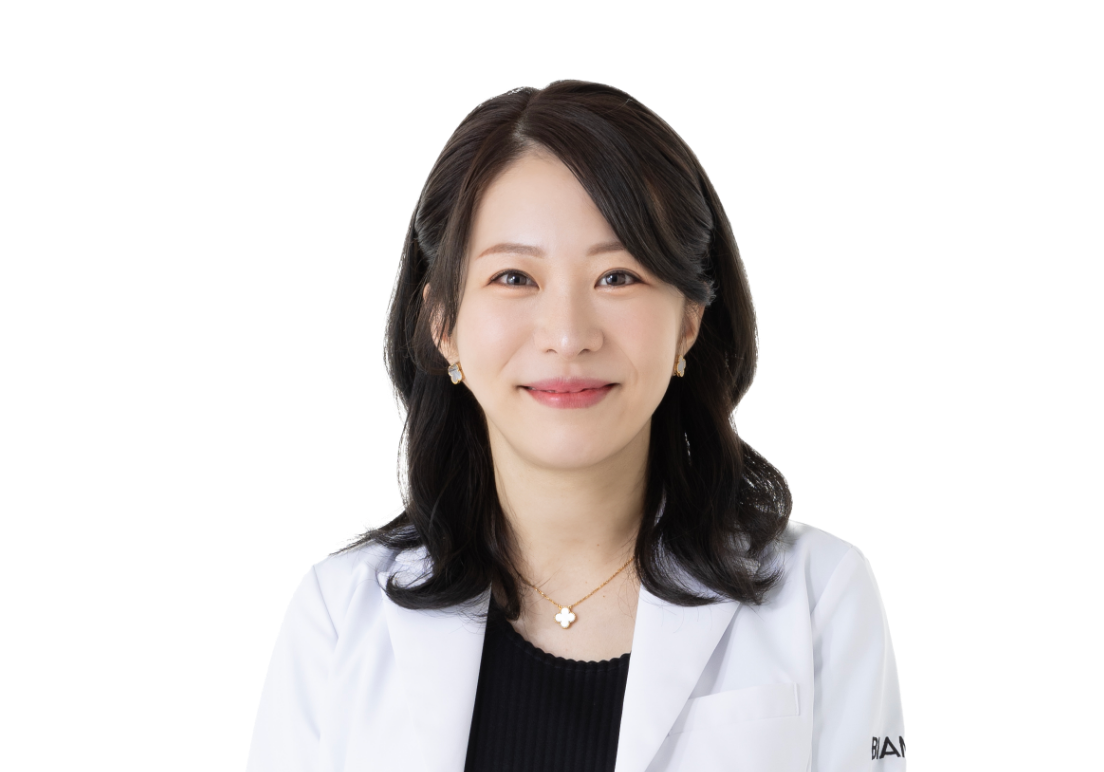
To maximize your beauty, care for both the inside and outside is essential. We aim to bring advanced anti-aging treatments, such as peptide therapy common overseas, to our Japanese patients. While aesthetic medical approaches may offer more gradual results, they are crucial for building the foundation that supports beauty and youth. We combine nutritional therapy and lifestyle improvements with hormone replacement, peptide therapy, and regenerative medicine to propose personalized treatment plans. We provide long-term support for health and beauty from within.

FAGA (Female Androgenetic Alopecia) is the general term for female hair thinning. In modern times, it's said that one in ten women suffer from FAGA, and the number of women troubled by thinning hair is on the rise. However, female hair loss often proves difficult to treat, and it's frequently claimed that “treatments for female hair thinning are ineffective.”
For female pattern hair loss (FAGA) treatment, many cosmetic clinics and dermatology departments prescribe topical medications containing minoxidil—a hair growth and hair loss progression inhibitor—along with oral medications containing zinc and B vitamins to enhance hair strength and elasticity.
This time, we'll introduce a new approach that differs from these conventional treatments. We'll clearly explain two therapies offered at Bianca Clinic: Hormone Replacement Therapy and Exosome Therapy.
What is the type of hair loss common in women?
Thinning hair is often thought to be more common in men, but many women also struggle with it. It tends to become more noticeable mainly after menopause, and many women find themselves concerned about it alongside the various discomforts of menopausal symptoms.
Female hair loss primarily falls into the following four categories.
◆Diffuse Androgenetic Alopecia (FAGA)
◆Alopecia Areata
◆Postpartum Hair Loss (Hair loss common in women after childbirth)
◆Traction alopecia (hair loss caused by hairstyles that pull the hair tightly)
Among these, diffuse hair loss (FAGA) is a type commonly seen in women. Unlike temporary hair loss, it is characterized by gradual thinning across the entire scalp, making the parting and scalp more noticeable. Some people attempt to treat diffuse hair loss on their own using hair loss shampoos or over-the-counter treatments, but this can actually make treatment more difficult, so caution is necessary.
The primary cause of diffuse alopecia (FAGA) is a decrease in female hormones. Consequently, it is most common in women around menopause, though cases in women in their 20s and 30s have also been reported recently. Lifestyle imbalances, stress, and extreme dieting are also considered causes of diffuse alopecia.
▽Regarding FAGA treatment methodsHere
【FAGA Treatment ①】Hormone Replacement Therapy
For women, especially those around menopause, the primary cause of hair loss is hormonal influence. Therefore, hormone replacement therapy, which aims to normalize hormonal balance by supplementing deficient hormones, is one effective treatment for FAGA.
▷Details and costs of hormone replacement therapyHere
A state of hormonal imbalance is not necessarily a "disease." However, ignoring it means you cannot be considered "healthy" and will likely suffer from some form of discomfort. In hair loss treatment, ignoring hormonal status is like treating symptoms without addressing the root cause. This can lead to poor treatment outcomes, making proper management essential.
Hormone replacement therapy for FAGA primarily supplements the following hormones:
Estrogen and progesterone
Did you know that estrogen, the primary female hormone, is deeply linked to FAGA? It is known that a decrease in estrogen affects the hair growth cycle and promotes hair loss.
In addition to estrogen, female hormones include progesterone, which supports estrogen's function. Normalizing the secretion levels of these hormones can promote healthy hair growth and is expected to slow the progression of hair loss.
Thyroid hormones (T3/T4)
There are two types of thyroid hormones secreted by the thyroid gland: T3 and T4. These hormones regulate functions such as protein synthesis and glucose metabolism. A decrease in thyroid hormone levels is also one cause of hair thinning in women. Therefore, hormone replacement therapy includes checking whether thyroid hormone levels are within the normal range.
Thyroid hormone reference ranges vary by age, so even if test results are deemed normal, there may actually be a deficiency. Hormone replacement therapy normalizes thyroid function and improves overall metabolism, positively impacting healthy hair growth.
【FAGA Treatment ②】Exosome Therapy
Recently, treatments that supplement "exosomes" essential for hair growth have also gained attention. Exosomes are small, sac-like substances (vesicles) secreted by cells. They contain various signaling molecules and play a role in facilitating smooth communication between cells.
Exosomes contain molecules such as growth factors and proteins that stimulate hair growth, making them a promising new treatment for alopecia. In exosome therapy, exosomes are injected directly into the scalp to act on hair follicles and promote healthy hair growth. Many patients report feeling the effects after just one treatment, often remarking, "My hair feels thicker!" Of course, if the root cause of thinning hair lies elsewhere, exosome therapy alone cannot provide a permanent cure. In such cases, it is essential to combine it with other fundamental treatments.
▷Details and pricing for exosome therapyHere
For FAGA treatment by a cosmetic physician, visit Bianca Clinic.
Female pattern hair loss (FAGA) is a major concern for many women. Some may have lost confidence due to thinning hair or become self-conscious about others' perceptions. While female hair loss treatment was once considered difficult, recent medical advances have led to an increase in effective treatment options.
Bianca Clinic pioneers world-standard aesthetic internal medicine treatments in Japan. We conduct detailed examinations to identify the causes of FAGA and propose tailored treatment plans. We support the creation of youthful, healthy, beautiful hair from an aesthetic internal medicine perspective. If you're concerned about sudden hair loss or struggling with thinning hair, please feel free to consult with us.
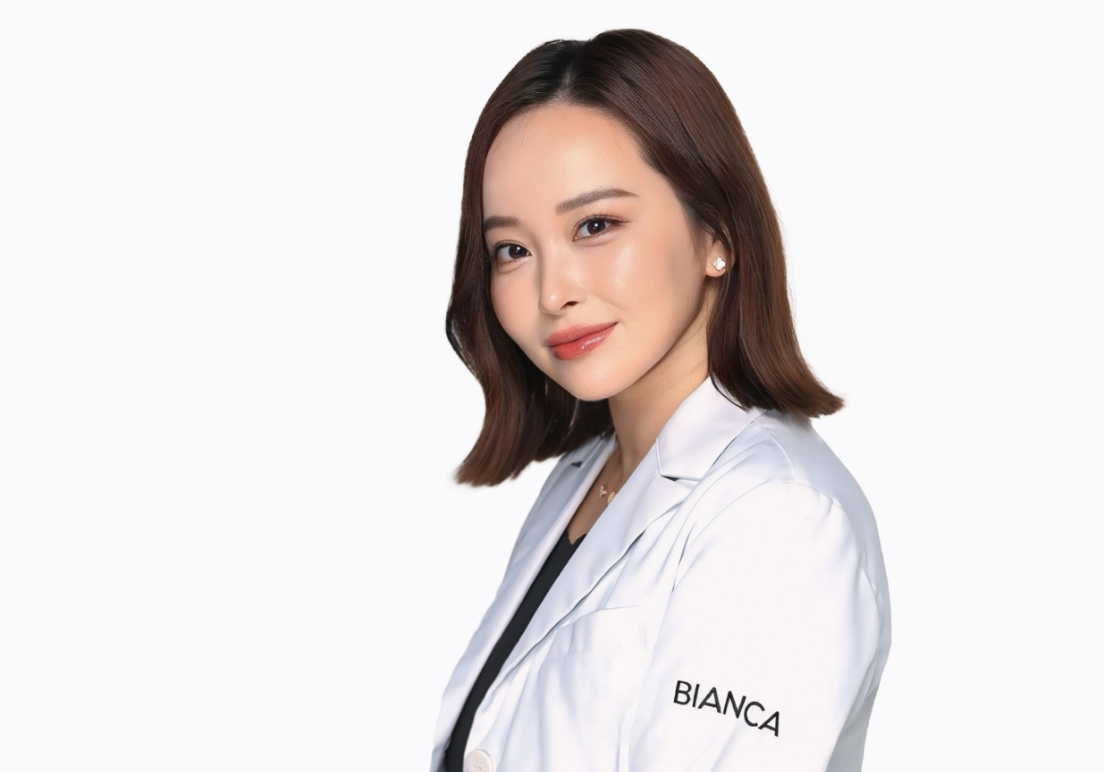
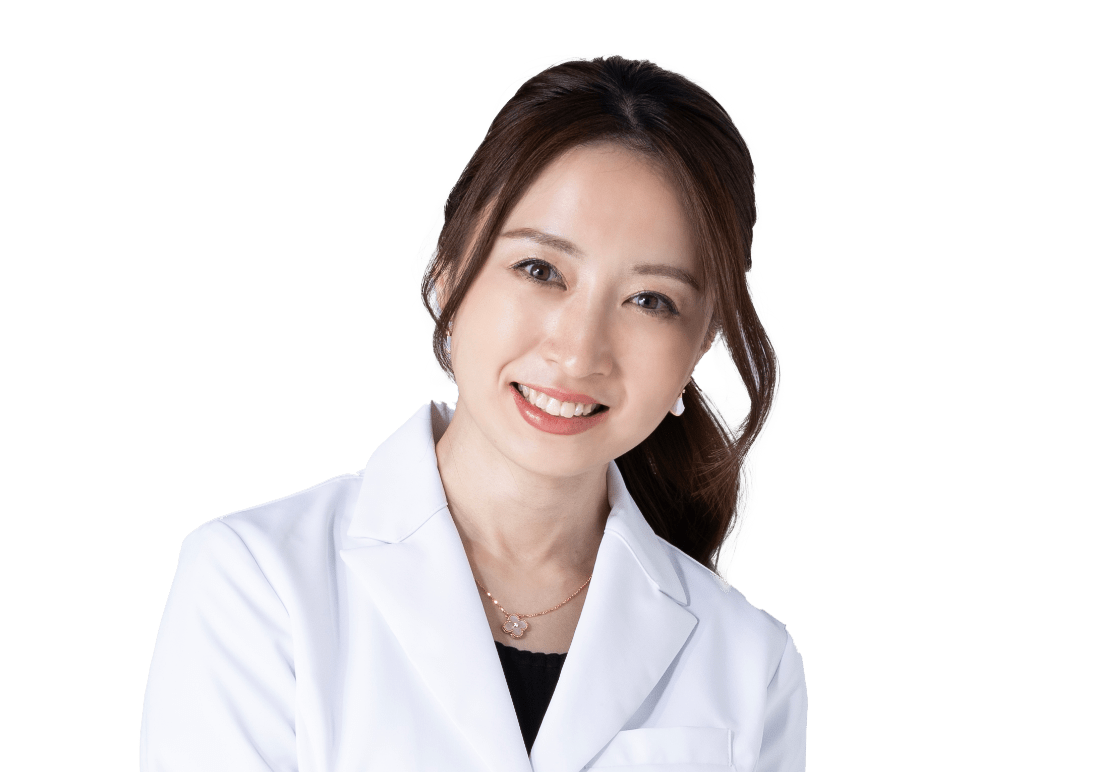
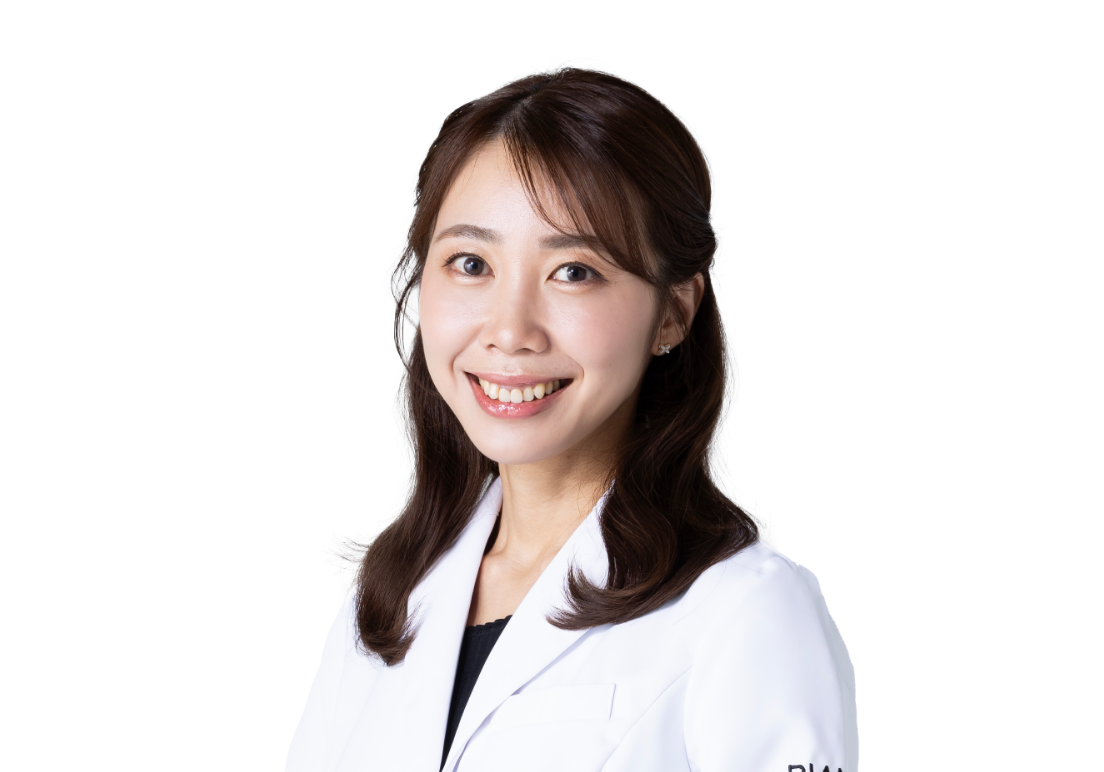
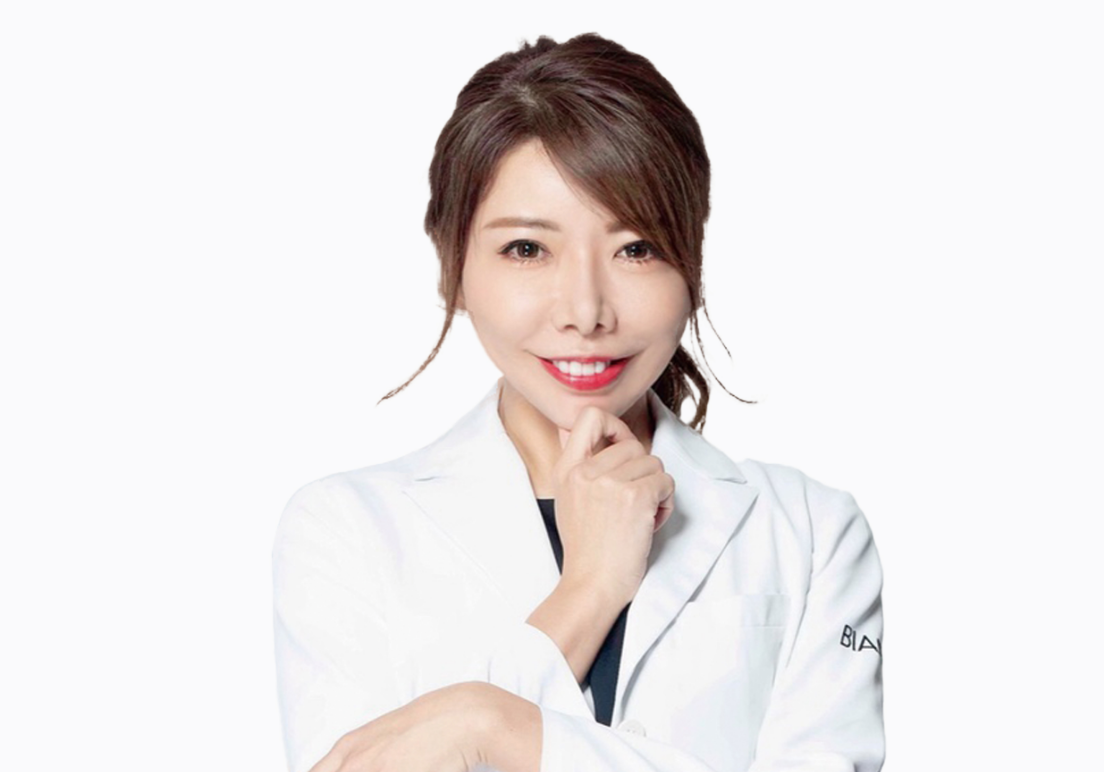
Bianca Clinic Aesthetic Medicine Director
Dr. Yoko Maeda Profile
https://biancaclinic.jp/doctor/maeda/
Completed initial training at Okinawa Prefectural Nanbu Medical Center and Children's Medical Center. Worked in the Department of Radiology at Kyoto Prefectural University of Medicine and at an aesthetic clinic. Encountered high-dose vitamin C intravenous therapy at a seminar by the Intravenous Therapy Research Society. Studied abroad as a Research Fellow at the L'Ordin Clinic in the United States. Achieved notable accomplishments, including passing the American Academy of Anti-Aging Medicine's specialist certification exam at the youngest age.
Currently serving as a Medical Director of Aesthetic Medicine at BIANCA CLINIC. The role of a Medical Director of Aesthetic Medicine is to propose methods for regulating the body from within, thereby approaching beauty through health. We address various physical discomforts and concerns, including female menopausal symptoms, male menopausal symptoms, fatigue recovery, FAGA (female pattern hair loss), ED (erectile dysfunction), and muscle enhancement. As a professional in anti-aging care that treats aging from within the body, I propose treatments tailored to each patient from among methods utilizing regenerative medicine and advanced medical technologies. Through an approach aimed at improving constitution and rejuvenating biological age, I provide support for Longevity—not merely extending lifespan, but achieving healthy longevity.
<Aesthetic Medicine Services>
◆Male Menopause
◆FAGA
◆Biological Age (Epigenetic Clock/Biological Age Test)
◆Muscle Building
◆Peptide Therapy
◆Hormone Replacement Therapy (HRT)
◆Orthomolecular Nutrition Therapy
◆Hydrogen Therapy
◆NMN Intravenous Therapy
◆Exosome Injection
◆Purified and Concentrated Stem Cell Culture Supernatant Infusion
◆High-Concentration Vitamin C IV Drip
◆Placenta injections, etc.
<Professional Affiliations and Qualifications>
◆Director, Japanese Society of Aesthetic Medicine
◆American Academy of Anti-Aging Medicine (A4M) Certified Specialist
◆A4M Anti-Aging, Metabolism, and Functional Medicine Fellowship
◆American Academy of Advanced Medical Sciences Chelation Specialist
<Check out more information about Dr. Yoko Maeda's aesthetic medicine practice here>
Dr. Yoko Maeda's Instagram account (@dr.yokomaeda) isHere
The official Instagram account for Bianca Clinic (@biancaclinic) isHere
The official YouTube account for Bianca Clinic isHere