Nasal rim descent (auricular cartilage graft)
Refining the size and shape of the nostrils, which is a concern, for a refined look
- Lowering the nostril rim to eliminate problems with the size and shape of the nostrils.
- Natural texture is achieved by transplanting autologous tissue
- Design formation with attention to detail to bring you closer to the ideal balance.
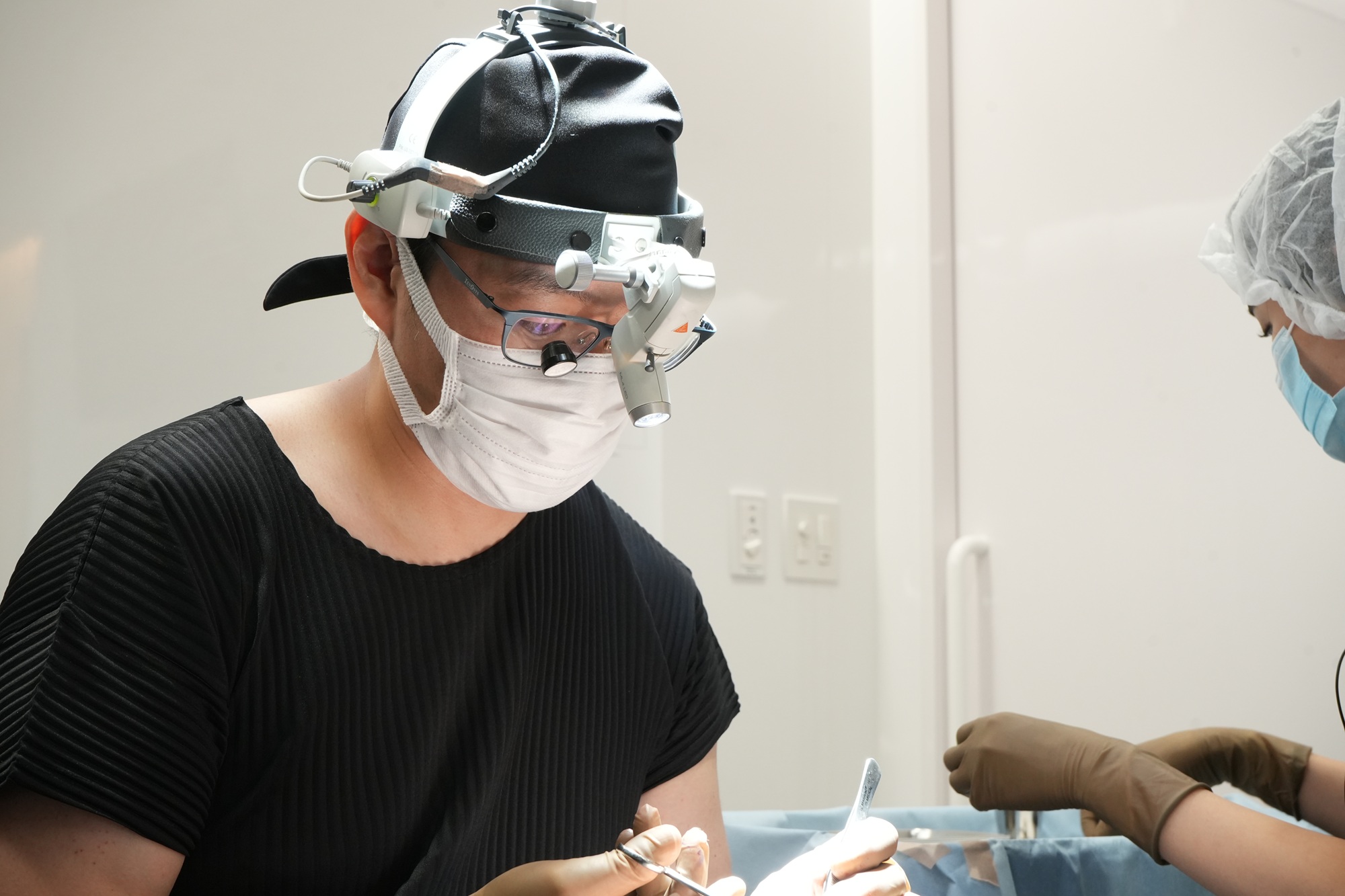
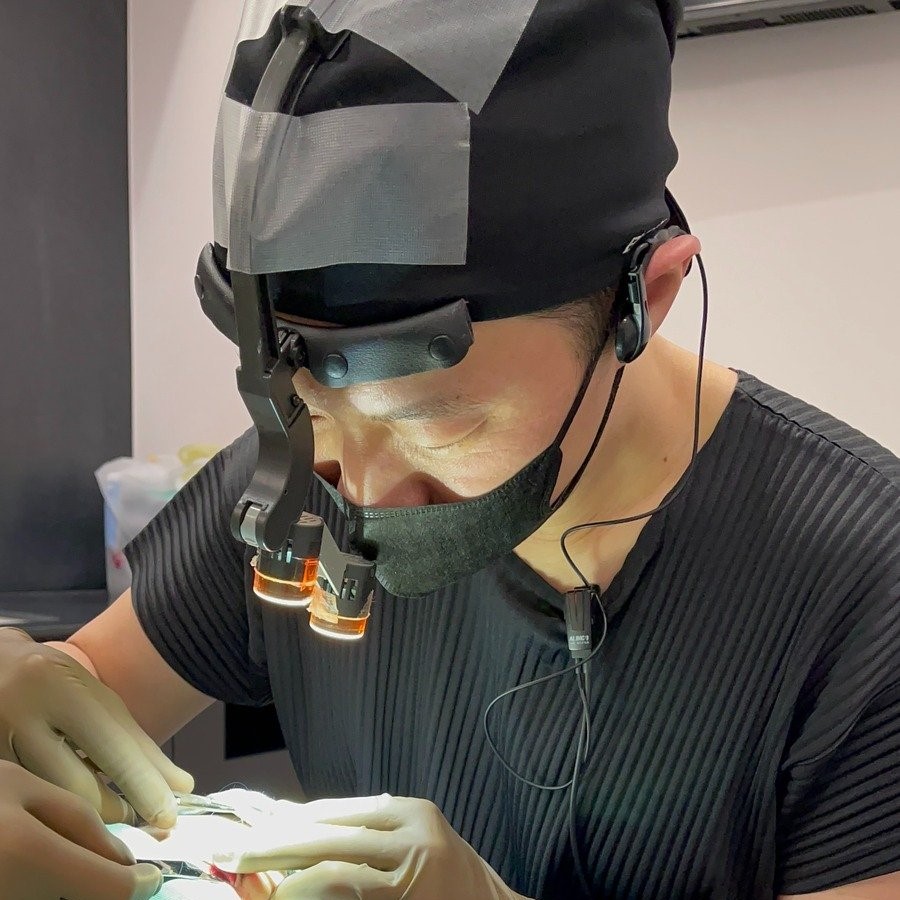
A specialist in rhinoplasty. Guided by the principle of “maximizing results with minimal intervention,” I offer multifaceted proposals for the truly optimal surgical approach and plan for each patient. His specialty lies in designing results that beautifully accentuate each individual's unique features while adhering to the golden ratio of the face. His fully custom-made prostheses are particularly notable: he combines CT and Vectra data to create life-size blueprints, then meticulously crafts each prosthesis from scratch using hand-sculpted clay models on a skull model. This fully bespoke process ensures the final result precisely replicates the presented simulation, allowing him to meet even the most detailed requests and deliver consistently reliable outcomes.
Natural and refined rhinoplasty under the supervision of an experienced specialist
The nose is an important part that greatly affects the impression of the face. That is why the procedure is never easy, and it is most important to have a preoperative consultation at a reliable clinic.
Bianca Clinic has several plastic surgeons certified by the Japanese Society of Plastic and Reconstructive Surgery who provide advanced techniques to achieve the ideal shape of the nose without destroying its structure. With their skilled techniques, a natural curve of the nostril margin and stable and lasting results can be expected, even with a nostril margin descent using auricular cartilage.
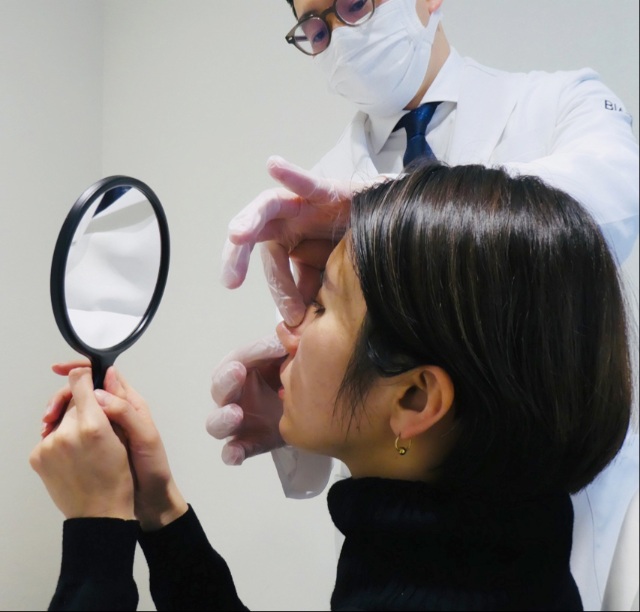
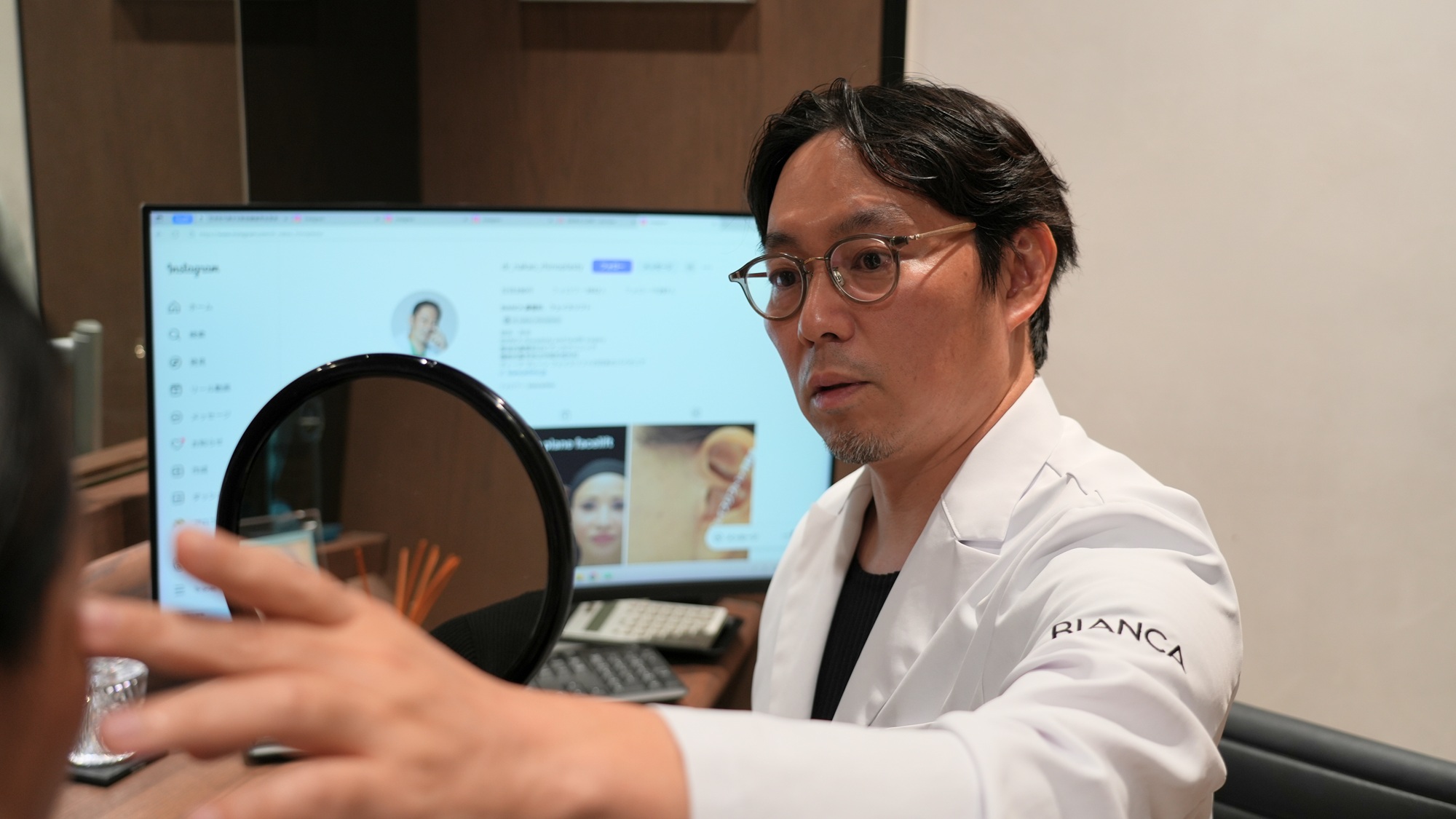
During the counseling, we will conduct a careful examination using palpation and visual inspection to confirm the structure and movement of the nose before proposing a suitable surgical technique. By bringing a picture of your desired image, we can share your ideal in more detail. Let's work together to create a beauty that you can be satisfied with.
Downtime
DOWNTIMERecommended for people like this
RECOMMENDED FOR:Features
CHARACTERISTICSWhat is nasal rim descent (auricular cartilage graft)?
Nasal rim descent (auricular cartilage grafting) is a procedure in which auricular cartilage or skin with auricular cartilage is grafted inside the nostrils to gently lower the curve of the nostril rim (the rim of the nose) in order to make the nostrils appear more natural. A cartilage taken from the ear and formed to fit the shape of the nose is used as a support to address the appearance of the nostrils. Auricular cartilage is not absorbed by the body and does not easily regress, so the effect is long-lasting.
In the procedure, an incision is made inside the nostril, the nostril rim is pulled down, and auricular cartilage or skin with auricular cartilage is transplanted to the area where there is insufficient skin. Since the auricular cartilage is extracted through an incision behind the ear, there will be redness for a period of time, but since your own tissue is used, there is little risk of foreign body reaction or allergy, and it blends easily with the tissue to which it is transplanted.
For those who are concerned about the nostrils when viewed from the front or side.
If your nostrils are prominent when viewed from the front or side, the curves of your nostrils are hung up and appear larger in length and width, or if you have such problems ...... that differ in shape from side to side, "nostril rim descent (auricular cartilage grafting)" may be indicated.
By lowering the nostril rims (the rims of the nose), the nostrils are less visible from the front, and a natural and elegant impression can be expected. It is also easy to deal with left-right differences where the nostrils are prominent on only one side, and it is possible to adjust the balance of the face as a whole. For those who feel that they do not have confidence in their frontal photographic appearance, or who want to improve the size of their nostrils to give them a more refined impression, nostril rim reduction surgery is an option.
Please contact Bianca Clinic for a consultation to bring out the natural beauty of your patients, while adhering to their ideals.
Sharing a realistic image of the finished product with a 3D simulation system
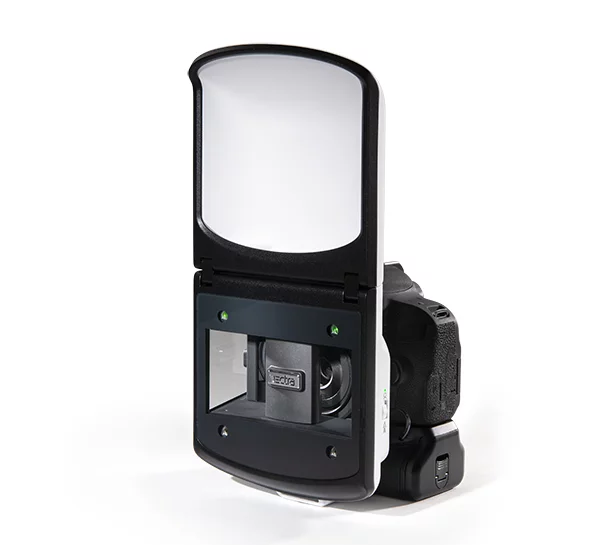
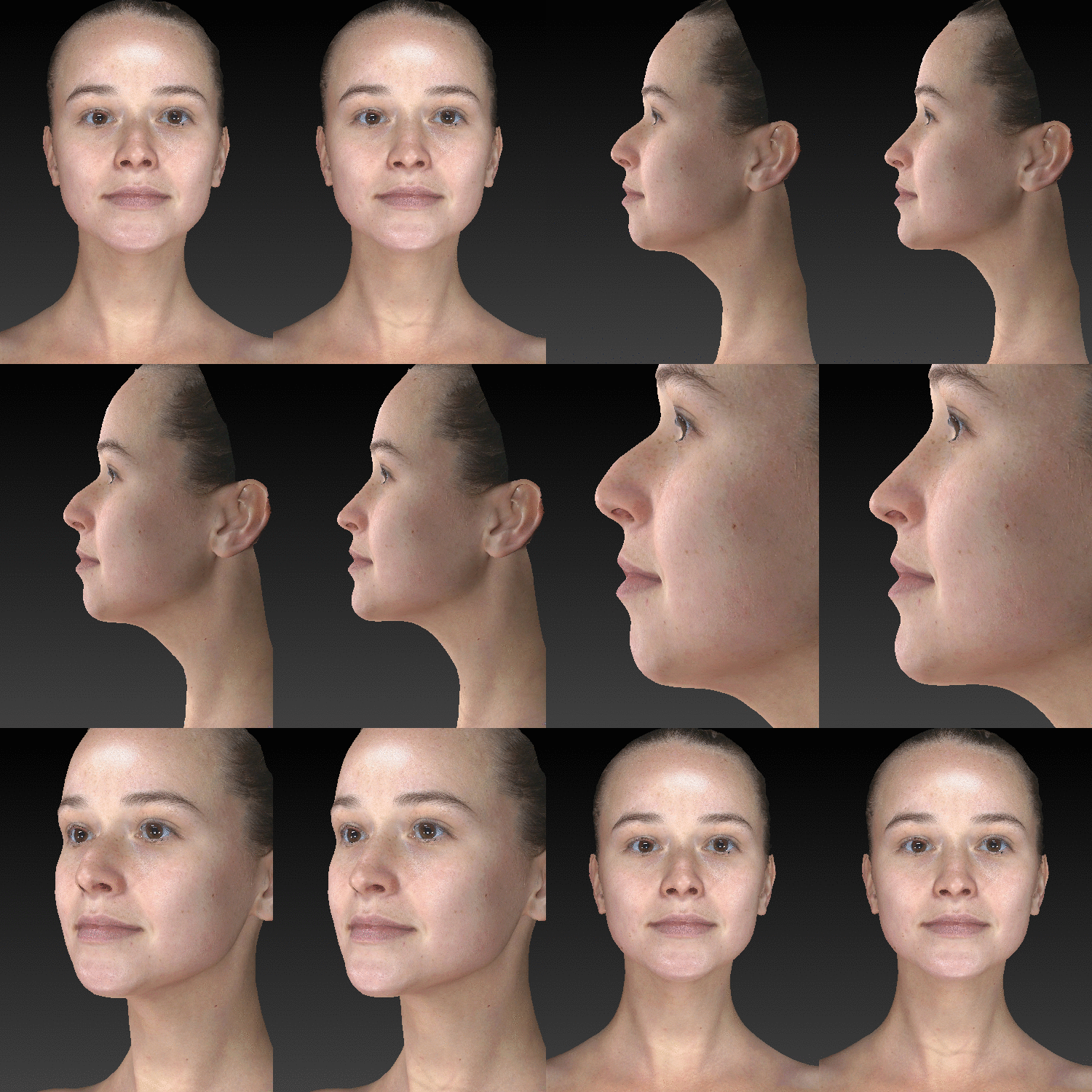
In order to avoid rhinoplasty failures, it is important to discuss the image of the finished product with the doctor. When designing the descent of the nostril rim, we utilize the 3D simulation system "VECTRA" to share the postoperative image with the patient in detail.
Vectra" is a system that takes a picture of the patient's face with a dedicated camera and displays a 3D image on a computer, which can be viewed from all angles, including front, side, and oblique angles. The ideal shape of the patient's nose is reflected on the screen down to the millimeter, and can be simulated while being fine-tuned with the doctor on the spot.
By visualizing the realistic finished product before treatment, it is easier to prevent image deviations and achieve a convincing design. Bianca's meticulous process like this leads to highly satisfactory results.
What is MRSA testing (nasal MRSA test)?
Bianca Clinic can also perform a MRSA test (nasal MRSA test) prior to performing nasal procedures.
The MRSA test is a test for bacteria present in the nasal cavity. In particular, it checks for the presence of methicillin-resistant Staphylococcus aureus (MRSA). The test is performed simply by lightly swabbing the mucous membrane of the nasal cavity with a special cotton swab and is virtually painless.
Surgery is normally performed under aseptic conditions to prevent the entry of pathogenic microorganisms and contact infection, but the nose is structurally a difficult site to clean and manipulate. The interior of the nose is composed of cartilage, which is susceptible to infection and requires more careful hygiene.
The nasal cavity contains a large number of commensal bacteria, which basically do not cause infection due to the barrier function of the human body. However, there are a certain number of people who harbor risky bacteria such as MRSA, which can cause postoperative infection.
Since postoperative infection risks adversely affecting the finished product and functional aspects of the surgery, MRSA testing in advance will help reduce the risk of infection.
Benefits
MERITAutologous tissue is used in the technique to achieve natural-looking results.
Since your own auricular cartilage is transplanted from the inside of the nose, it looks and feels natural. By using autologous tissue, a stable result can be expected in the future.
Precise design by plastic surgeons
An experienced plastic surgeon will design and perform the procedure to faithfully approximate the ideal shape of the nose without compromising its structure and function.
A beautiful balance of the entire face can be pursued.
By approaching the prominence of the nostrils, the overall balance of the face is improved. In some cases, it can be combined with other rhinoplasty procedures such as nostril rim elevation and nasal wing reduction.
Recommended Features
RECOMMENDED POINTS
Progress of nasal rim descent
After the nasal rim descent (auricular cartilage graft), the nose is immobilized with a cast for one week to allow the grafted tissue to grow in and out. Resting is recommended to achieve natural-looking results, so if you have important appointments, we recommend that you schedule them well in advance.
Since the graft is placed inside the nose, the scar is hardly noticeable, and the extraction of the auricular cartilage is done with great care so as not to change the shape of the ear. Swelling and internal bleeding will occur for about a week after the surgery, but will settle with time, and the scars on the inside of the nose and ears will gradually become less noticeable. Showering is allowed on the same day as long as the face does not get wet, and makeup can be applied after the cast is removed and the stitches are removed.
Bianca Clinic provides careful support to make you as comfortable as possible during the downtime period. We offer a combination menu that includes "peptide injections" and "post-operative infusion sets" to alleviate post-procedure symptoms such as swelling and redness, and to care for your body from the inside out.
After consultation with a doctor, we will introduce you to a menu suited to your constitution and goals, so even if you are worried about downtime, please consult us with confidence.
In some cases, combined with other rhinoplasty techniques.
Nasal rim descent (auricular cartilage grafting) can be performed alone or in combination with other rhinoplasty procedures such as "nasal rim elevation" and "nasal wing reduction (minor nose reduction)" to make the nose smaller, depending on the doctor's judgment of the indications. In some cases, the surgeon may add the procedure to the overall nose to achieve a more sophisticated look.
It may also be used to correct a rhinoplasty that has resulted in a pulled-up nostril from another clinic.
At Bianca, we offer a variety of options, including rhinoplasty with descent of the nostril rim, customized to achieve the ideal result. If you are interested in learning more about rhinoplasty that can bring out the best in you, please come in for a consultation.
The difference between descent of the nostril margin and elevation of the nostril margin
There are many different methods of rhinoplasty, and many consultants are unsure whether "nostril rim descent" or "nostril rim elevation" is right for them.
Nostril rim descent is a procedure that lowers the nostrils to create a natural curve, and approaches the appearance of the nostrils when viewed from the front. On the other hand, nasolabial rim elevation removes and sutures the nasolabial rim to adjust the thickness of the nose, and is the procedure of choice when you want to make the entire nose appear cleaner. In both cases, the ideal nose can be achieved by assessing the shape and balance of the nose and choosing a method that is structurally sound.
During the counseling, we will listen to the shape of the nose you want to have, the image of your face, and your concerns, and suggest a procedure that will suit your individual needs. Even if you are not sure of your own indications, the doctor will work with you to find a procedure that you will be satisfied with.
Treatment area
TREATMENT AREABehind nose and ears (to extract cartilage and skin)
Treatment Process
CONTENT OF TREATMENTPhysician's examination and counseling
The doctor will ask you about your concerns about the shape of your nose and your desired image. After palpation and visual examination, we will propose a suitable treatment method and explain in detail about risks and downtime.
Design
Using the 3D simulation system "VECTRA," the doctor and the patient will work together to design a postoperative image of the finished product.
treatment
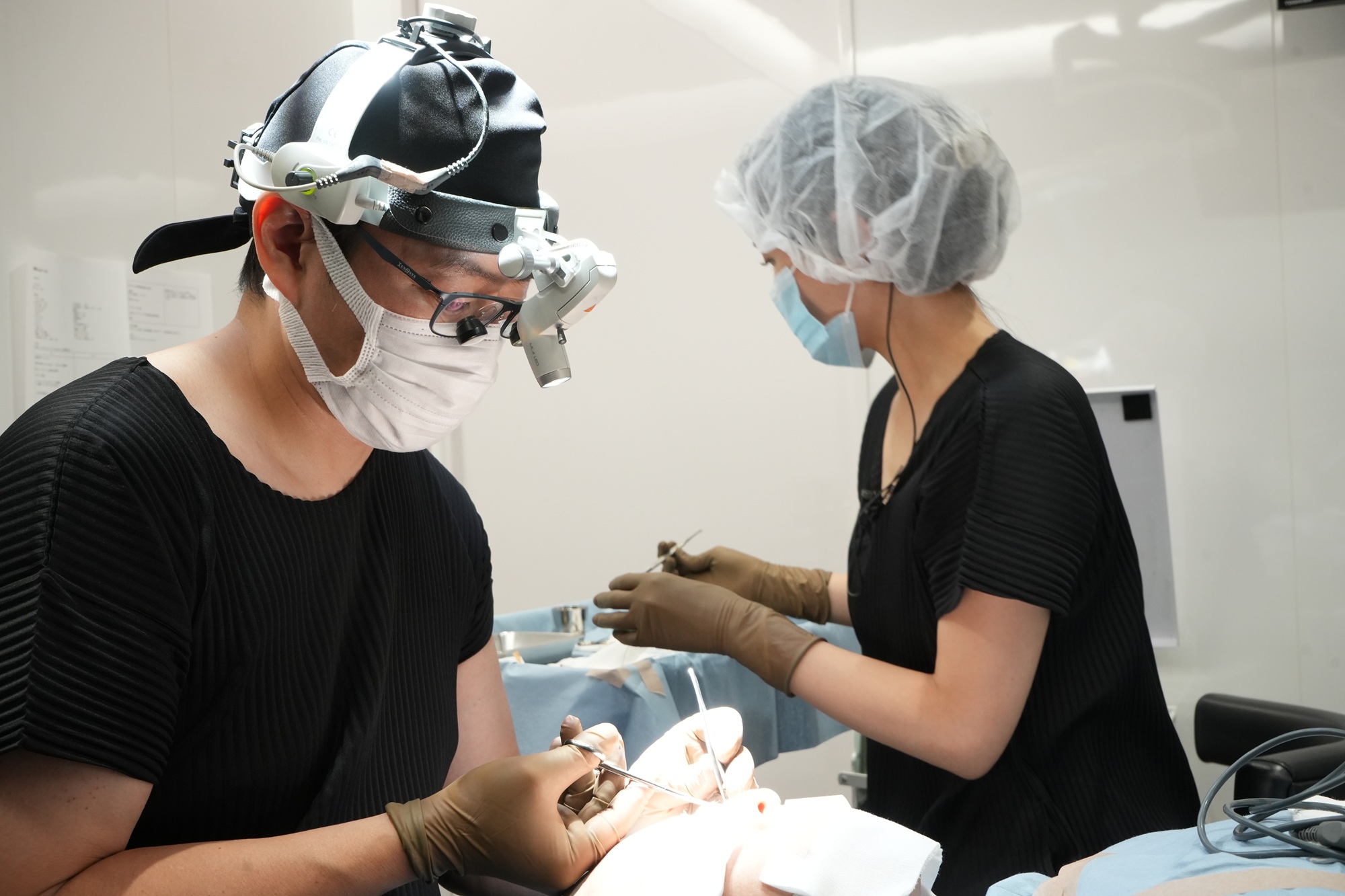
After making a small incision behind the ear, the auricular cartilage is extracted. The procedure is performed under local anesthesia. Intravenous anesthesia is also available upon request. The procedure is completed after suturing the area to be treated. The procedure takes about 60 minutes.
postoperative
If non-dissolvable threads are used, you will be asked to return to the clinic approximately one week later for removal of the threads. If you have any concerns about the postoperative course of the surgery, please contact us during office hours.
Schedule of Charges
PRICE LIST| Treatment Details | Standard rate |
|---|---|
| Nasal Alar Rim Lowering/Auricular Cartilage Grafting | ¥330,000 |
| Nasal Alar Rim Lowering/Skin + Auricular Cartilage Graft | ¥385,000 |
Lifestyle Beautyis
proposed.
Our goal is to move you beyond satisfaction.
Responding to the desire for greater beauty and health,
What can we do for the well-being of our patients?
Providing total beauty to make your life shine,
That is our policy.
Go to BIANCA and you'll find a smile.
That's the kind of place we're aiming for.
Frequently asked questions about nostril margin descent (auricular cartilage graft)
Q&A
Which is better for rhinoplasty, auricular cartilage graft or prosthesis?
If you are not comfortable with artificial insertions, an auricular cartilage graft may be suitable for you.
Artificial materials such as prostheses do not settle into the surrounding tissue and may lift or shift over time. On the other hand, auricular cartilage, which is autologous tissue, blends easily into the transplant site, looks and feels natural, and is expected to be safe in the future.
What is the difference between a nostril rim descent and hyaluronic acid injections?
The major difference is in the durability of the effect.
Nasal rim descent can be performed by transplanting auricular cartilage, which can have long-term effects and fundamentally change the shape of the nose. Hyaluronic acid injections, on the other hand, are easy to undergo, but the effect is limited to 6 months to 2 years and requires regular maintenance.
What is the downtime for nostril rim descent and auricular cartilage grafting?
Swelling and internal bleeding may occur for about a week after surgery, but will gradually subside. Scars on the inside of the nose and behind the ears will become less noticeable over time, and a natural look can be expected with a week of cast immobilization and rest.
What are the case photos of nostril margin descent and auricular cartilage grafting?
You can find them on Bianca Clinic's official website and official Instagram. Please take a look at our website to see the natural changes.
Does an auricular cartilage graft change the shape of the ear?
The auricular cartilage is harvested from an inconspicuous area behind the ear with great care, so the overall shape of the ear will not be significantly altered. The scar will not be noticeable and is unlikely to be noticed by others.
Are nostril margin descent and auricular cartilage grafting painful?
Local anesthesia is used during the procedure, so pain is rarely felt. Mild postoperative pain may occur, but will subside over the next few days. Painkillers will be prescribed as needed.
When can I start wearing earphones after an auricular cartilage graft?
After ear cartilage harvesting, it may be advisable to avoid the use of earphones, which can strain the ear, until the wound has settled. Please follow your doctor's instructions on how to spend the postoperative period as it will affect the healing of the scar and the finished product.
What is MRSA testing?
The MRSA test checks for the presence of methicillin-resistant Staphylococcus aureus (MRSA) in the nasal cavity. It is performed simply by swabbing the inside of the nose with a special cotton swab and is painless and easy to perform.
Description of procedure] Descent of the nostril margin (auricular cartilage graft)
【Estimated Treatment Period and Number of Sessions】Typically 1 session ※May vary depending on your condition.
Risks and side effects] Swelling, internal bleeding, infection, left-right difference in nose shape, retroversion, nasal obstruction, etc.