column (e.g. in newspaper)
2026.07.12
The Complete Guide to Forehead Lift Results: A Real-Time Account from Downtime to the Final Outcome

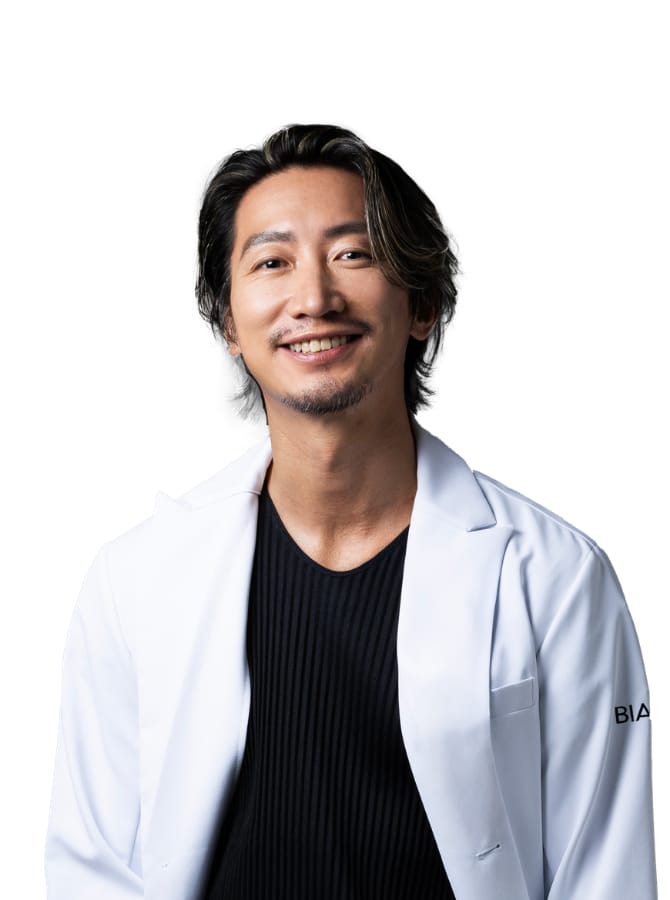
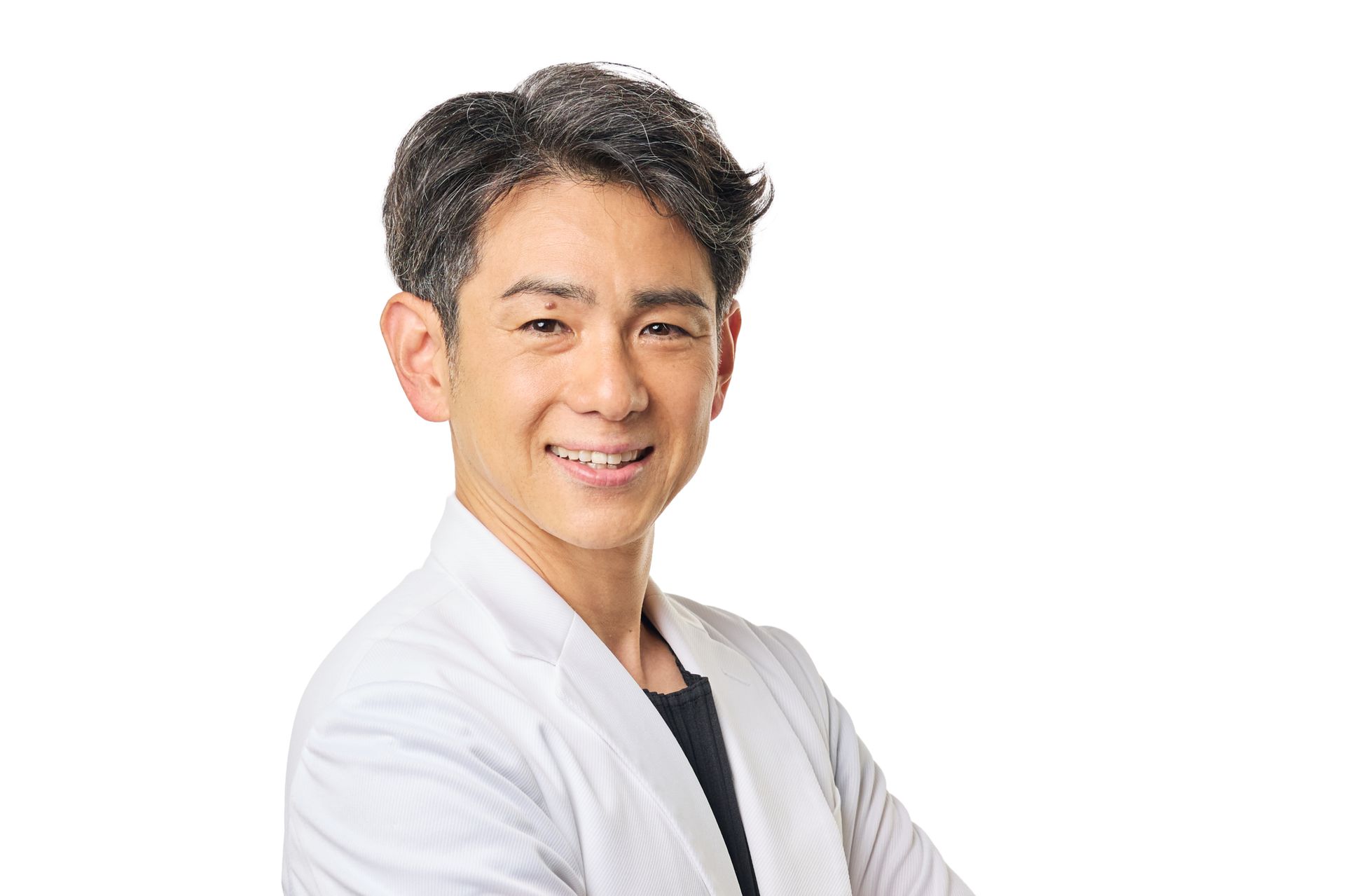
Engaged in both aspects of cosmetic dermatology and cosmetic surgery, he is an all-rounder doctor who pursues natural and elegant beauty with "the best interest of the patient" as his first priority. He is also a board-certified cosmetic surgeon by the Japanese Society of Aesthetic Plastic Surgery (JSAS). He specializes in hyaluronic acid injections, thread lifts, and facial surgery, and is a competent KOL (Key Opinion Leader) for ARTEMISLIFT and Hydro Rejuran. He is always sensitive to the latest trends and is always exploring knowledge and techniques.

The main concerns regarding a forehead lift are the “recovery process” and “how the results will settle over time.” First-time patients, in particular, will likely want specific guidelines on when the swelling will subside, how noticeable the scars will be, and when they can resume their daily activities and return to work.
In this article, we will clearly outline the standard procedure for a forehead lift performed in a cosmetic surgery clinic in a timeline format.
In addition, we provide a comprehensive explanation of key care considerations emphasized in the field of cosmetic surgery, signs of complications, and how to interpret “Before & After” photos. While acknowledging that individual differences exist, we have carefully selected practical knowledge to assist you in making informed decisions and preparing for your procedure.
[Doctor’s Point]
After a forehead lift, it’s not uncommon for patients to worry that “swelling means the procedure was a failure.”
However, in reality, it is common for the tissue to settle over the course of several weeks to several months after surgery, gradually resulting in a more natural appearance.
During consultations, I work with patients to determine what stage of the healing process they are currently in, while carefully assessing swelling, tightness, and changes in eyebrow position. After surgery, it’s important not to rush and to continue with the scheduled follow-up visits, as this leads to highly satisfactory results.
The Basics of a Forehead Lift: Purpose and Expected Results
A forehead lift is a surgical procedure that adjusts the position and shape of the entire forehead and eyebrows, comprehensively improving the appearance of horizontal forehead lines, frown lines, and the sensation of heavy eyelids.
We aim to achieve a natural, youthful appearance by appropriately repositioning the tension in the subcutaneous tissue, the frontalis muscle, and the supporting ligaments, while taking into account the arch of the eyebrows and any asymmetry, and avoiding excessive lifting.
The final appearance will settle over time, becoming softer and more harmonious a few months after the procedure than it is immediately afterward. Understanding this process is key to managing your expectations and gaining peace of mind.
Common Procedures Chosen at Cosmetic Surgery Clinics and Down Time Trends
Common surgical procedures include the endoscopic forehead lift (using an endoscope with a small incision), the coronal incision (a large incision at the crown of the head), and the hairline incision (an incision along the hairline).
While endoscopic surgery tends to result in relatively little swelling and bruising, a coronal incision allows for a broader area of access but generally involves a longer recovery period.
While a hairline incision offers advantages in terms of controlling the hairline, the proximity of the incision site may mean that it takes time for any redness or linear scarring to fade.
In cosmetic surgery, the optimal surgical procedure is selected based on a comprehensive evaluation of factors such as scalp thickness, hair density, hairline, eyebrow position, tissue firmness, and medical history, taking into account the balance between the patient’s goals and the associated risks.
Standard Timeline for a Forehead Lift
The following are general guidelines; actual results may vary depending on individual physiological responses, surgical procedures, physical constitution, and the level of care provided. The key is to understand the "range" and follow the process without getting impatient.
The day of surgery through 48 hours afterward
・The initial phase of swelling. Swelling peaks between 48 and 72 hours, with mild to moderate swelling spreading from the forehead to the upper eyelids and, in some cases, to the cheeks.
・Bruising may not be noticeable immediately after surgery but may become darker the next day or later.
・A sensation of discomfort or tightness in the scalp and mild headaches are common. These symptoms can be managed by applying ice and elevating the head (keeping it higher than the heart).
・The decision to use a drain is based on the surgical procedure and the risk of bleeding. The drain is typically removed within 24 to 48 hours.
3 to 7 days after surgery
・The swelling has subsided slightly. The bruising has turned yellow to green, indicating that it is beginning to resolve.
・Numbness and loss of sensation often occur from the hairline to the forehead; in most cases, these symptoms are temporary and gradually resolve.
・You can usually wash your hair 48 hours or more after the procedure, following the instructions (avoid vigorous rubbing; use lukewarm water).
・Sutures are typically removed around 5 to 10 days after surgery (this may vary depending on whether staples or absorbable sutures were used).
2 to 3 weeks after surgery
・This is a realistic time to return to work or go out. You can cover it up with a mask, bangs, and light makeup.
・Although a sense of discomfort or tightness may persist, it generally does not significantly interfere with daily activities.
・Resume exercise at a low intensity. Wait another 1 to 2 weeks before resuming high-intensity workouts, saunas, and long hot baths.
1 to 3 months after surgery
・Most of the swelling will have subsided, and the position and curve of your eyebrows will begin to stabilize.
・While numbness continues to improve, you may also experience a tingling sensation associated with reinnervation.
・Redness from the wound may remain in patches; protect the area from sunlight, keep it moisturized, and use tape or silicone treatments as needed.
・We will check whether facial expressions and the movement of the frontal muscles appear natural, and consider whether minor adjustments are necessary based on follow-up observations.
6 to 12 months after surgery (final results phase)
・Scars become whiter and flatter as they mature, blending in with the hair and hairline.
・The position of the eyebrows no longer looks overly corrected and now appears more natural.
・This period serves as the benchmark for the final "Before & After" evaluation. We’ll review the photos, ensuring that the photo management, poses, and facial expressions are consistent across all images.
A Cosmetic Surgery Perspective: Self-Care Tips to Minimize Downtime
・Elevating the head and intermittent cooling:The first 72 hours are critical for managing swelling. Adjust your bedding to keep the affected area elevated at an angle of 15 to 30 degrees.
・Quit smoking and cut back on alcohol:This directly affects hemodynamics and wound healing. Strictly adhere to this for at least two weeks before and after surgery.
・Controlling Salt and Carbohydrate Intake:Helps reduce fluid retention and promotes the subsiding of swelling.
・Wound Care:Cleanse, moisturize, and protect from sunlight as directed. UV rays can cause pigmentation and delay the healing of scars.
・Declaration of Supplements and Over-the-Counter Medications:Be sure to inform your cosmetic surgeon about any vitamin E, omega-3, or herbs with anticoagulant properties, as they may affect your risk of bleeding.
Complications and “Warning Signs That Require a Doctor’s Visit”
・Hematoma:Sudden swelling on one side, severe pain, and tight skin. Early treatment ensures the best possible outcome.
・Infection:Persistent redness, a sensation of heat, purulent discharge, and fever.
・Sensory Disorders:Although numbness in the forehead and scalp is often transient, there have been reports of worsening symptoms and an increase in asymmetry.
・Scarring・Hair Loss:Shock loss and linear scarring around the incision line take time to mature. They are expected to improve with proper care.
・Unnatural facial expressions:If you feel that the correction is excessive or there is a significant asymmetry between your eyebrows, please schedule an evaluation to discuss whether follow-up observation or a corrective procedure is appropriate.
In either case, contact the cosmetic surgery clinic as soon as possible so we can determine the best course of action based on the photos you share and your consultation.
How to Interpret "Before & After" Photos and Tips for Documenting Them
As a general rule, the evaluation of the final results is based on comparing photos taken from the same angle, with the same facial expression, and under the same lighting conditions to pre-operative photos.
In particular, we will eliminate factors such as the height of the inner and outer corners of the eyebrows, visual differences caused by reflections (shine) on the forehead, and the effects of bangs and makeup, and conduct a side-by-side comparison under identical conditions.
By taking fixed-point photographs at specific time points—such as 1 week, 1 month, 3 months, 6 months, and 12 months post-surgery—and visualizing the continuity between the "before" and "after" images, it becomes easier to identify even subtle changes.
Guidelines for Returning to Work, Exercise, and Makeup
・Office work:Most people resume their activities within 1 to 2 weeks.
・Light exercise (walking, stretching):As long as you don't feel any discomfort after one week.
・Moderate- to high-intensity exercise:Gradually over 2 to 4 weeks.
・Face washing, shampooing, and makeup:Wait at least 48 hours before washing your hair, and do not rub the incision site. Wait until after the stitches are removed to see how things go before applying makeup.
・Hair Color & Perms:To avoid irritation of the wound, this is typically considered after 4 to 6 weeks.
Follow-up and Fine-Tuning at a Cosmetic Surgery Clinic
During the postoperative follow-up visit, we objectively assess the resolution of swelling and bruising, scar maturation, restoration of sensation, and stability of the eyebrow position.
As needed, we will consider a phased approach to scar care (silicone, tape, laser), edema management, and facial muscle balance adjustment (such as minor corrections using botulinum-type agents).
Postoperative care in cosmetic surgery is a key factor in determining the quality of the results, and following instructions and seeking timely consultation lead to patient satisfaction.
Key Considerations When Choosing a Cosmetic Surgery Clinic
・Can you clearly explain the rationale for the choice of surgical procedure (alignment of anatomical findings with the treatment objective)?
・Can "Before & After" images be presented under standardized conditions?
・Protocols for responding to complications and communication procedures.
・Clear disclosure of the number of postoperative follow-up visits, the duration of follow-up, and the associated costs.
・A physician's experience (knowledge of the anatomy and nerve pathways of the frontal region).
In cosmetic surgery, a strong sense of accountability for results is essential, and having a comprehensive support system that spans from pre-operative to post-operative care serves as an indicator of trust.
Q&A on Forehead Lift Recovery
Q. My eyebrows seem a little too high. Will they settle down?
A. In the early stages, the implants may appear larger due to swelling and tissue tension. In most cases, they settle naturally within 1 to 3 months. If you experience severe discomfort, please have it evaluated by a plastic surgeon as soon as possible.
Q. I'm worried that my senses are getting dull.
A. Temporary changes in sensation are common and often resolve within a month. Worsening symptoms or a significant difference between the left and right sides are indications to see a doctor.
Q. Are the scars noticeable?
A. Results vary depending on the procedure, individual constitution, and aftercare. Protecting the eyes from light and consistent use of silicone-based eye care products help promote maturation.
Q. When should I start exercising?
A. Please refrain from doing so for one month. However, please follow any specific instructions you may have received.
Q. When will the final "Before & After" evaluation take place?
A. The standard is 6 to 12 months. Let's make an objective comparison using fixed-point photography.
The results of a forehead lift will settle into a natural and harmonious appearance over a period of several months, following the initial swelling and discomfort immediately after surgery. It is important to understand the standard timeline and to consistently practice self-care and follow-up.
If you feel uneasy or have any concerns, don't hesitate to consult a cosmetic surgeon and review the "Before & After" results using objective photographs.
The trinity of preparation, technique, and care enhances satisfaction, and the passage of time itself works in favor of the final result.
Using this article as a guide, please manage the recovery process from a forehead lift wisely by designing a manageable schedule and setting realistic expectations.
Summary
A forehead lift is not a procedure that yields immediate results; it takes several months for the results to settle into a natural appearance as swelling, discomfort, and scarring subside.
Although the recovery process varies from person to person, understanding the downtime process in advance and practicing proper self-care and attending regular follow-up appointments will help you feel more at ease during your recovery.
If you experience any concerning symptoms after surgery, it is important not to make your own judgment but to consult your doctor. Understanding the healing process correctly and monitoring your progress patiently will lead to a natural and satisfying result.