column (e.g. in newspaper)
2026.10.21
When Can You Start Exercising After Botox? A Cosmetic Surgeon Explains the Effects on Strength Training, Running, and Yoga, and What to Watch Out For
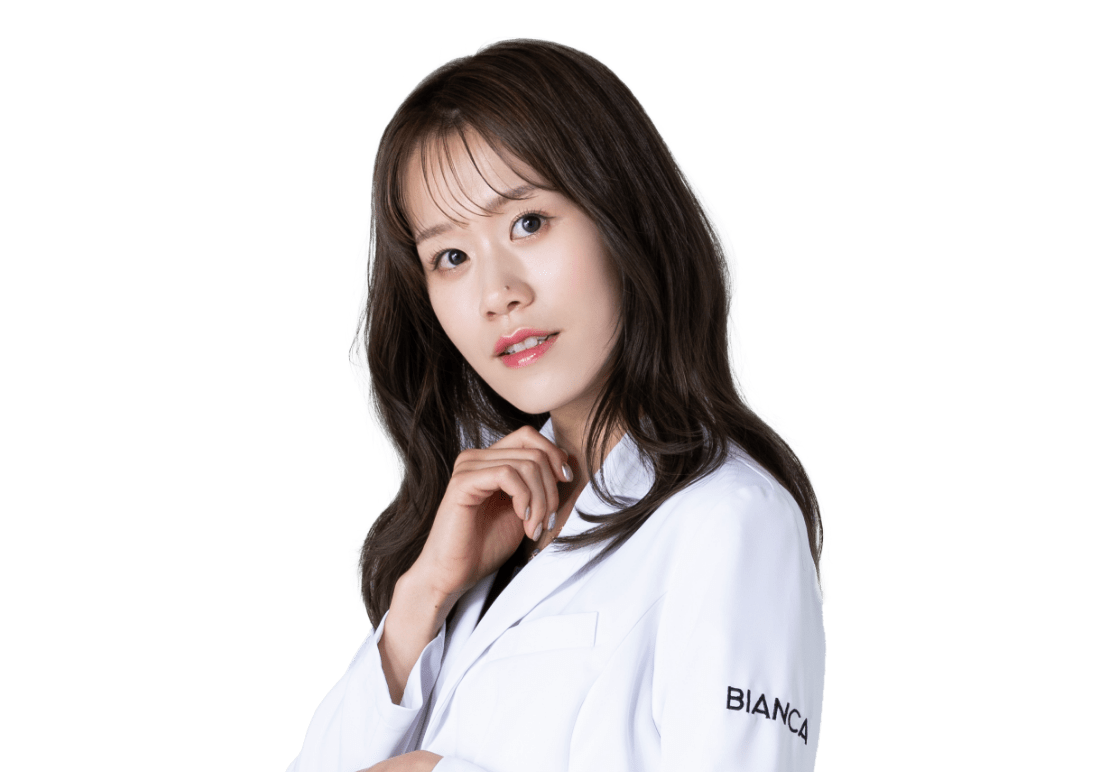
My journey into aesthetic medicine stems from a desire to help enrich and beautify lives beyond simply treating illness. My specialties include hyaluronic acid, Botox, and thread lifts. I provide treatments that enhance each individual's unique qualities and bring out an elegant, natural beauty. For concerns around the eyes that are difficult to improve with dermatology alone, I also perform surgical procedures. By integrating dermatology and surgery, I holistically balance the entire face. With three periods of overseas study, I am also able to provide consultations in English.
 Doctors' Point
“Is it okay to go to the gym on the day I get Botox?” “Can I work out the next day?” “Will exercising make the Botox less effective?” Many people probably have questions like these after getting Botox.
For those who exercise regularly, I imagine you’re wondering how long you should refrain from exercise after your treatment. When it comes to exercise after Botox, I believe it’s important to distinguish between how it affects the drug’s efficacy and how it impacts the downtime caused by the injections.
Botox is a treatment that uses botulinum toxin to suppress excessive muscle contractions. There is no sufficient medical evidence to suggest that exercise-induced increases in blood flow cause Botox to be washed away or lose its effectiveness.
On the other hand, when blood flow and body temperature rise due to strenuous exercise, redness, swelling, and bruising at the injection site may become more noticeable. For this reason, I recommend avoiding strenuous exercise on the day of the procedure and gradually resuming it the following day or later, while monitoring the condition of the injection site.
However, there is no need to restrict even everyday activities, such as light walking, more than necessary. Additionally, for treatments that regulate muscle function—such as jaw or shoulder Botox—it is important to consider the possibility that physical abilities and muscle usage may change after the procedure.
In this article, we’ll explore the topic of “Exercise After Botox” from a cosmetic surgeon’s perspective, providing a detailed explanation that covers guidelines for resuming exercise, precautions for activities such as strength training, running, yoga, and golf, the impact on results and duration, and what to do if you end up exercising.
When can I start exercising after Botox?
What's the safest thing to do on the day of the event?
On the day of your treatment, we recommend avoiding strenuous strength training or running that leaves you out of breath. While normal walking and light housework are usually fine, if you want to minimize any redness, swelling, or bruising on your face, it’s best to avoid exercises that make you sweat profusely or long baths on the day of your treatment.
Cosmetic surgery and dermatology clinics in Tokyo and Ginza also routinely advise patients to avoid high-intensity exercise on the day of their procedure.
Is it okay to resume the next day?
The next day, if the redness and soreness at the injection site have subsided, most people can resume light exercise. If you still feel discomfort, it’s best to reduce the intensity or wait another 24 hours or so.
Not only in cosmetic surgery but also in cosmetic medicine and cosmetic dermatology, we offer personalized recommendations tailored to specific areas and lifestyle habits.
The Meaning of the Estimated Time Frame of 24 to 48 Hours
The phrases “24 hours” and “48 hours” are guidelines used to help minimize downtime; they are not time periods that have been medically established as essential for maintaining the treatment’s effectiveness.
Don't just consider the time; take into account both the condition of the injection site and the intensity of your exercise.
Why Should You Avoid Exercise After Botox?
The possibility that redness may be accentuated
When exercise increases your heart rate and skin blood flow, it can accentuate any pre-existing temporary redness. Especially in prominent areas such as the forehead, between the eyebrows, and the outer corners of the eyes, it’s wise to avoid high-intensity exercise on days when you have a photo shoot or similar event scheduled.
Bruising may be noticeable
Even a fine needle can cause internal bleeding if it comes into contact with a capillary. Engaging in high-intensity exercise immediately afterward can cause significant fluctuations in blood pressure, which may make the internal bleeding more noticeable. However, the severity and rate of recovery vary from person to person.
Noticing swelling or discomfort
A rise in body temperature can sometimes cause temporary swelling or discomfort. It helps to be mindful of not rubbing too hard when wiping away sweat and not applying pressure with a towel for long periods of time.
Does Exercise Reduce the Effects of Botox?
At this time, there is no strong evidence to support the idea that exercise causes the medication to be excreted from the body or “washed away” by blood flow. Botox acts on nerve endings to inhibit the release of acetylcholine, thereby reducing muscle contraction. Therefore, increased blood flow does not mean the effect wears off.
International consensus and academic literature indicate that there is a lack of conclusive evidence supporting the traditional strict restrictions on physical activity. That said, since the injection site and volume may cause the solution to spread to unintended muscles, the specific design of each procedure is crucial.
Estimated Timelines for Resuming Activities by Sport and Precautions to Take
Walking
Light walking is usually fine on the day of the procedure. However, if the activity is strenuous—such as race walking—you should take it easy on the day of the procedure.
Running and Jogging
Skip your workout on that day, and resume training the next day or later after assessing your physical condition and the condition of the affected area. Gradually resume high-intensity activities, such as long-distance runs and interval training.
Strength Training & Weights
Avoid heavy weights on the day of the procedure, and start with light weights the next day. Be mindful that the way you use the muscles around your shoulders may change after shoulder Botox.
Yoga and Pilates
If you're focusing on light stretching, it may be possible to practice on the same day. Avoid hot yoga and high-intensity classes on the same day, and refrain from practicing if you experience severe congestion during inverted poses.
Golf
On the day of the procedure, avoid practicing your swing or playing long rounds; instead, start gradually the next day or later. After shoulder Botox, be mindful of any discomfort during your swing.
Swimming
Take the day off on the day of the procedure, and resume activities the next day or later. If goggles or a swim cap put pressure on the injection site on your face, start with short periods of time.
Saunas and Long Baths
Wait until the day of the procedure has passed; start the next day or later, once the redness has subsided. While warming your body won’t break down the medication, the goal is to minimize visible downtime.
Key Points by Injection Site
Forehead, between the eyebrows, and outer corners of the eyes
Please refrain from high-intensity exercise on the day of the procedure, as it can accentuate redness and bruising. Sagging of the eyebrows and eyelids is primarily due to anatomical factors and cannot be explained by exercise alone.
Jaw Botox
On the day of the procedure, avoid high-intensity exercise and wait to see how you feel. While changes in your biting strength may make eating feel more tiring, this does not mean that the effects of the procedure will be lost due to whole-body exercise.
Shoulder Botox
The shoulders and trapezius muscles help with arm elevation and scapular stability. Since your muscle balance may change after a few days, approach weight training, swimming, tennis, and golf gradually. Be sure to make minor adjustments to your form and take breaks as needed.
Underarm Botox
Avoid high-intensity exercise on the day of the event; wait until the following day or later. Even if you sweat less, that doesn’t mean exercise itself is contraindicated. In hot and humid conditions, be sure to carefully manage your fluid intake and body temperature.
Guidelines for Exercise After Botox Treatment in Ginza, Tokyo (From the Perspective of Cosmetic Surgery, Cosmetic Dermatology, and Cosmetic Internal Medicine)
In the urban lifestyle of Tokyo and Ginza, many people schedule workouts after work, so coordinating treatment appointments with their exercise schedules is key.
Whether you’ve undergone cosmetic surgery, cosmetic dermatology, or cosmetic internal medicine, it’s practical to avoid high-intensity activity on the day of the procedure, resume with light exercise the next day, and gradually increase the intensity on a weekly basis.
Athletes and those preparing for competitions can take advantage of the convenient location in Ginza, Tokyo, to make fine adjustments through multiple short consultations.
Exercise After Botox vs. Liposuction and Breast Augmentation
Even within the same field of cosmetic surgery, the approach to resuming exercise varies depending on the nature of the procedure. For Botox treatments, which primarily involve injections, it is generally easier to gradually resume exercise starting the day after the procedure, provided that high-intensity exercise is avoided on the day of the procedure.
On the other hand, since liposuction involves intervention in a wide area of tissue, we carefully guide patients back to exercise, taking into account compression, swelling, and pain. Similarly, for breast augmentation, we gradually resume exercise while monitoring the strain on the chest and the range of motion in the upper limbs, and in consultation with the patient’s postoperative condition.
Specifically, for liposuction, we monitor when to resume aerobic exercise, how to use compression garments, and the progression of swelling. For breast augmentation, it’s important to consider movements that engage the pectoral muscles, the range of arm elevation, and sleeping positions. At cosmetic surgery clinics in Tokyo and Ginza, we take into account the frequency of gym visits and travel time, and tailor our recommendations to fit your daily routine.
One advantage of facilities that house both cosmetic dermatology and cosmetic internal medicine departments is that they can comprehensively address issues ranging from swelling and bruising to overall recovery, including nutrition and sleep.
In summary, while Botox offers relatively high flexibility in resuming physical activity because it is an injectable treatment, liposuction and breast augmentation typically require a more conservative return-to-activity plan that takes the recovery process into account. Since individual differences are significant in all cases, it is recommended that plastic surgeons, cosmetic dermatologists, and cosmetic medicine specialists work together to develop a realistic schedule.
If you end up exercising on the day of the event
In the hectic pace of life in Tokyo, it’s easy to accidentally engage in physical activity. First, check the injection site for redness, swelling, or bruising; in most cases, if these symptoms aren’t getting worse, simply monitoring the area is sufficient.
Refrain from any further high-intensity exercise on that day, and readjust your routine starting the next day. It typically takes 1 to 2 weeks to assess the effectiveness, so there’s no need to judge success or failure based solely on that day’s workout.
Possible Side Effects and When to See a Doctor
Temporary redness, swelling, or bruising may occur, as well as muscle weakness in the area where the injection was administered and a feeling of discomfort in facial expressions. While these symptoms usually subside over time, if you experience symptoms that differ from normal fatigue—such as difficulty swallowing, breathing difficulties, or sudden generalized muscle weakness—please consider seeking medical attention promptly.
The severity of symptoms and the rate of recovery vary from person to person.
Behaviors to Be Mindful Of Besides Exercise
-
Alcohol: Avoiding alcohol on the day of the procedure will help minimize the appearance of redness and bruising.
-
Long baths and saunas: Avoid these on the day of the event, as they raise body temperature and increase blood flow.
-
Vigorous massage: It is best to avoid vigorous kneading or applying pressure to the injection site.
-
Other cosmetic procedures: Check with your doctor regarding the recommended intervals between treatments for procedures such as laser and radiofrequency.
How to Interpret "Before & After" Images and Important Notes
The impression a photo gives can vary depending on shooting conditions, facial expressions, and lighting. When evaluating the effectiveness of Botox, it’s important to consider not only still photos but also facial expressions during conversation and how it feels in everyday life.
When you go for counseling at a clinic in Ginza, Tokyo, sharing specific details about the movements that concern you in your daily life will make it easier to align your exercise plan with your needs.
Consultation Services and Approach in Ginza, Tokyo
For busy people, convenience and a coordinated care system are key. At facilities where cosmetic surgery, cosmetic dermatology, and cosmetic internal medicine departments work together on the same floor, it’s easy to make individualized adjustments to your exercise routine after Botox treatments. In Tokyo or the Ginza area, it’s also easy to schedule short check-ups on your way home from work to monitor your progress.
Rather than pressuring you to make an appointment, we prioritize creating an atmosphere where you can feel free to consult with us even if you’re just at the stage of “wondering if this is right for me.” At BIANCA CLINIC, we also strive to offer recommendations tailored to your lifestyle and exercise habits.
Frequently Asked Questions (FAQ)
Q. How many hours after a Botox treatment should I avoid exercising?
There are no set guidelines, so it’s best to avoid high-intensity exercise on the day of the event. Starting the next day, gradually resume your routine while monitoring how the affected area feels.
Q. Is it okay to go to a gym in Tokyo on the day of my Botox treatment?
Please avoid heavy weight training or strenuous exercise on the day of the procedure. Light walking or moving around is generally fine.
Q. Does running reduce the duration of the effects?
There is little clear evidence that exercise directly shortens the healing time. Please prioritize caring for any redness or bruising that may occur immediately after the procedure.
Q. When can I start playing golf again after shoulder Botox?
Start with light swings the next day or later. If you feel any discomfort, reduce the intensity and adjust your form over the course of a few days.
Q. Is the approach to resuming exercise different after liposuction versus breast augmentation?
That's not correct. Liposuction and breast augmentation involve extensive surgical procedures, so a more conservative recovery plan is generally more appropriate. Please consult with us individually.
Reference Information
This article summarizes the key points based on publicly available information from the American Academy of Dermatology and the Cleveland Clinic, the international consensus on botulinum toxin, and safety information from product package inserts. Please refer to the respective official websites for the links.
-
American Academy of Dermatology: Botulinum Toxin Therapy: FAQs (aad.org)
-
Cleveland Clinic Botox Aftercare: The Dos and Don’ts (health.clevelandclinic.org)
-
Global Aesthetics Consensus: Botulinum Toxin Type A (PMC)
-
DailyMed BOTOX Cosmetic Package Insert
Summary
After Botox treatment, it is best to avoid high-intensity exercise on the day of the procedure and gradually resume with light exercise starting the next day or later. While there is little clear evidence that exercise causes Botox to “dissipate,” strenuous exercise on the day of the procedure may make redness, swelling, and bruising more noticeable.
Since the best approach to recovery varies depending on the injection site, lifestyle, and athletic level, let’s take advantage of the convenient location in Ginza, Tokyo, and work with specialists in cosmetic surgery, cosmetic dermatology, and cosmetic medicine to create a realistic plan that works for you.
Since the recovery process differs from that of surgical procedures such as liposuction or breast augmentation, it’s reassuring to work together to find the approach that’s right for you. If you’re interested, please feel free to consult with us—even if you’re just at the stage of wondering, “Is this right for me?”