column (e.g. in newspaper)
2026.10.27
Can’t Donate Blood After Botox? How Many Days or Months Should You Wait? A Cosmetic Surgeon Explains the Differences Between Allergan and Korean Brands

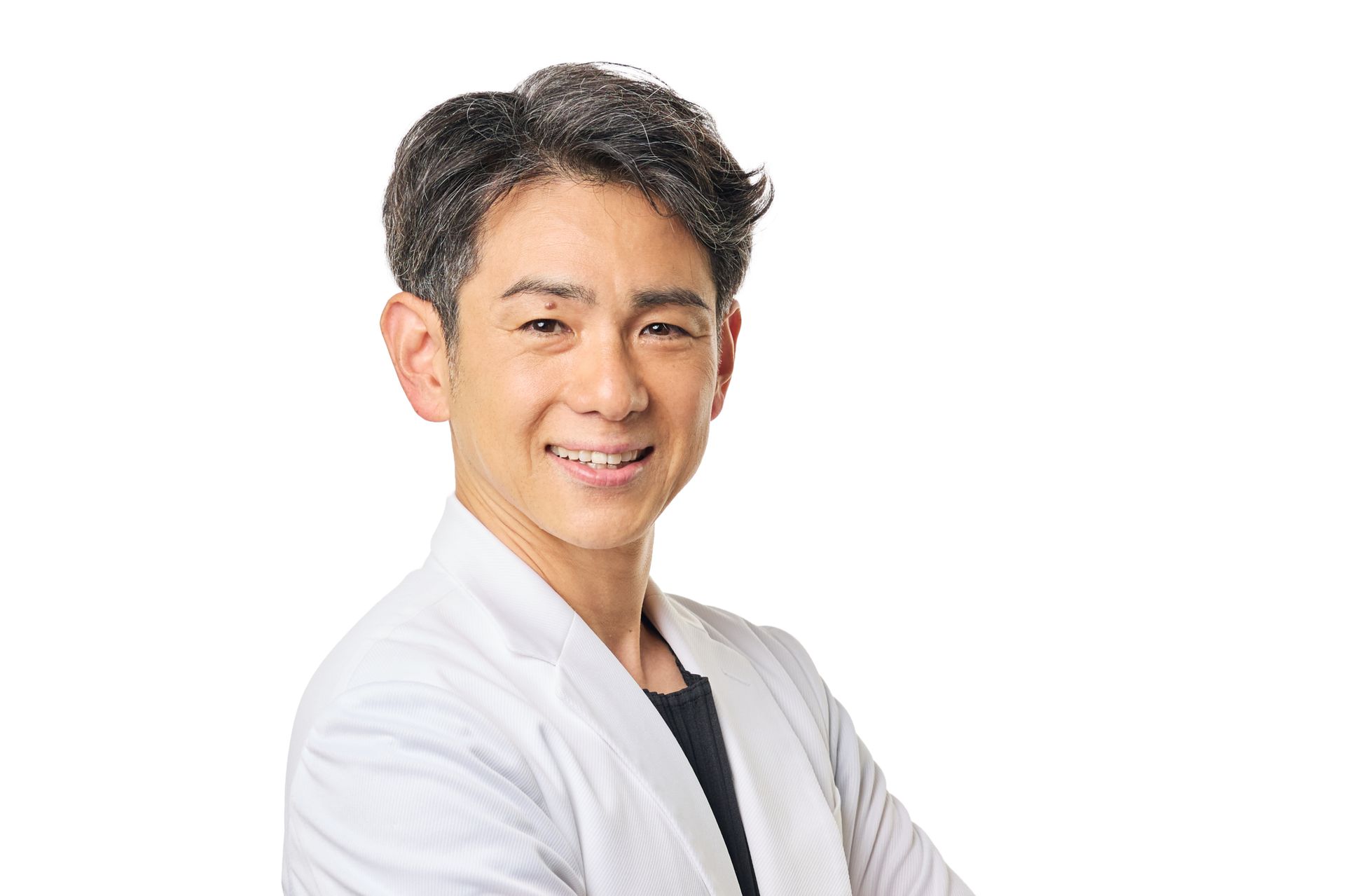
My journey into aesthetic medicine stems from a desire to help enrich and beautify lives beyond simply treating illness. My specialties include hyaluronic acid, Botox, and thread lifts. I provide treatments that enhance each individual's unique qualities and bring out an elegant, natural beauty. For concerns around the eyes that are difficult to improve with dermatology alone, I also perform surgical procedures. By integrating dermatology and surgery, I holistically balance the entire face. With three periods of overseas study, I am also able to provide consultations in English.
Doctors' Point
“Can’t I donate blood after getting Botox?” “Is it true that if you use Allergan’s Botox, you can donate blood three days later?” “Do you have to wait three months if you use Korean-made Botox?” Some people may be wondering whether they can donate blood after undergoing cosmetic procedures.
Botox is an injectable treatment used to address a variety of concerns, such as expression lines between the eyebrows, on the forehead, and at the corners of the eyes, as well as a square jawline and underarm sweating. Although the procedure takes relatively little time and allows for a quick return to daily life, special precautions regarding blood donation are necessary, as they differ from the typical downtime associated with this treatment.
To get straight to the point, after receiving Botox injections, it is important to check the specific product used and the date of the procedure, and then confirm with the Japanese Red Cross Society whether you are eligible to donate blood. In information regarding cosmetic medicine, it is sometimes recommended to refrain from donating blood for 72 hours after receiving Botox manufactured by Allergan, and for three months after receiving other botulinum toxin products.
In fact, such timeframes are explained during the public consultation sessions held by the Japan Association of Aesthetic Medicine, a public interest incorporated association.
However, we cannot confirm that these time periods can be uniformly applied as the latest standards of the Japanese Red Cross Society as of October 2026. At the Japanese Red Cross Society, the medical examiner at the blood donation site makes the final determination on whether a person is eligible to donate blood, based on factors such as medications taken, medical history, and current physical condition. (Japan Association of Aesthetic Medicine)
What I think is important regarding this topic is not to confuse the “duration of Botox’s effects” with the “period during which you should refrain from donating blood.” While Botox’s muscle-relaxing effects generally last for several months, the fact that the effects persist does not mean the drug remains circulating in the bloodstream for the entire duration.
In addition, blood donation serves the purpose of ensuring the safety of patients who receive blood transfusions. Therefore, even if you are feeling well after undergoing cosmetic medical procedures, you may need to refrain from donating blood depending on the medications used.
In this article, we’ll explore the topic of “Botox and Blood Donation.” From a cosmetic surgeon’s perspective, we’ll provide a detailed explanation covering post-treatment restrictions on blood donation, the differences between Allergan and Korean-made Botox, what to check before donating blood, Botox treatments after donating blood, and how Botox differs from placenta injections.
Basics and Decision-Making Process for Botox Blood Donation
Whether you can donate blood after Botox treatment isn’t determined simply by “where the injections were administered.” The key factors are the type of botulinum toxin product used (Allergan, Korean-made, or other), the date of your most recent treatment, and how you’re feeling on the day of donation.
At blood donation sites nationwide, including those in Ginza, Tokyo, a medical examiner will make the final determination based on the results of the medical interview and your current condition. Even if you found the information online, please avoid participating based on your own judgment and be sure to check with the Japanese Red Cross Society.
-
Common guidelines: There are recommendations stating that blood donation should be postponed for 72 hours after receiving Allergan products, and for 3 months after receiving other products, such as those made in South Korea.
-
The latest guidelines may not be uniform: Decisions may vary depending on the approval status of each drug, safety information, and the results of the medical interview.
-
Final Decision: The medical examiner will make the final decision based on a comprehensive assessment. The same procedure applies at large-scale testing sites in Tokyo.
The Difference Between Allagan and Korean-Made Products | How Should You Interpret the Recommended Waiting Period Before Donating Blood?
According to a widely recognized guideline in Japan, the recommended deferral period for blood donation is “72 hours” for products manufactured by Allergan and “3 months” for other botulinum toxin products, such as those made in South Korea. However, it is not appropriate to make a blanket assessment based solely on the country of manufacture. This is because, even among products manufactured in South Korea, there are multiple formulations, and their domestic approval status, safety information, and distribution channels vary.
If you have undergone a procedure at a cosmetic surgery clinic, cosmetic dermatology clinic, or cosmetic medicine clinic, make a note of the official name of the medication and contact the Japanese Red Cross Society before visiting the blood donation center in Ginza, Tokyo.
Why “Residual Effects” Does Not Mean “Ineligible to Donate Blood”
Botox inhibits the release of acetylcholine from nerve endings, temporarily weakening muscle contractions. The fact that the effects last for several months is because it takes time for the neuromuscular junction to recover its function; it does not mean that “the drug remains in the bloodstream for several months.”
Therefore, it is important not to equate the duration of the effect with the deferral period for blood donation.
For Those Planning to Donate Blood in Ginza, Tokyo | Practical Checklist
For readers planning to donate blood in Tokyo or Ginza, here is a summary of practical preparations. These guidelines apply regardless of whether you’ve undergone a procedure at a cosmetic surgery clinic, a cosmetic dermatology clinic, or a cosmetic medicine clinic.
-
① Official name of the product: Check with cosmetic surgery clinics or cosmetic dermatology clinics not only to determine whether the product is manufactured by Allergan or in South Korea, but also to confirm the specific product name.
-
② Date of Treatment: The date of your most recent Botox injection. If you received injections in multiple areas, please provide the date of the most recent treatment. This verification is also important at the blood donation center in Ginza, Tokyo.
-
③ Physical Condition: Check for fever, signs of infection, inflammation, etc. Also, review the patient’s history of concurrent treatments at the aesthetic medicine clinic.
-
④ Preliminary Inquiry: Contact the Japanese Red Cross Society by phone, in person, or via chatbot to confirm. If it is difficult to make a determination, the physician conducting the examination on the day of the checkup will make the final decision.
Questions by Body Part (Between the Eyebrows, Forehead, Outer Corners of the Eyes, Jawline, Shoulders, Underarms)
Whether it’s expression lines between the eyebrows, on the forehead, or at the corners of the eyes; the jaw (masseter muscle); the shoulders (trapezius muscle); or the armpits (hyperhidrosis)—the criteria for determining blood donation eligibility are based primarily on the “product used” and the “date of treatment,” rather than the “treatment site.” It cannot be said with certainty that you will have to wait longer simply because the jaw or shoulders require a higher dosage.
Please keep a record of the procedures you have undergone at cosmetic surgery clinics or cosmetic dermatology clinics, and be sure to report them accurately at the venues in Tokyo and Ginza.
Botox, Placenta Extract, and Hyaluronic Acid | Are the Blood Donation Rules the Same?
Botox, placenta injections, and hyaluronic acid injections differ in both their active ingredients and mechanisms of action. In particular, regarding placenta injections, the previous long-term restrictions have been revised, and as of October 2026, the policy has been changed to require a three-month deferral from blood donation following administration (please check with the Japanese Red Cross Society for the latest information).
On the other hand, blood donation following hyaluronic acid injections also requires verification based on factors such as the specific product used, the circumstances of the procedure, and the presence or absence of inflammation. If you have undergone multiple injection treatments at a cosmetic surgery, cosmetic dermatology, or cosmetic medicine clinic, please organize your records so that you can provide a complete list of these treatments before donating blood in Ginza, Tokyo.
Can I get a treatment on the same day as donating blood? How to decide the order
There are guidelines advising against donating blood on the same day you receive procedures such as injections or IV treatments. As a general rule, it is safest to avoid donating blood on the day of your Botox treatment and to reschedule it for another day. Conversely, if you plan to receive Botox immediately after donating blood, be mindful of possible changes in your physical condition (such as dizziness or fatigue) and make sure not to overexert yourself.
It’s best to schedule your visits to large venues in Tokyo or blood donation centers in Ginza well in advance of your appointments at cosmetic surgery, cosmetic dermatology, or cosmetic medicine clinics.
Key Points to Discuss During Consultations at Cosmetic Surgery, Cosmetic Dermatology, and Cosmetic Internal Medicine Clinics
Even though it’s the same Botox treatment, the focus of the consultation varies slightly depending on which medical department performs it. Please consider this a matter of compatibility rather than one of superiority or inferiority.
-
Cosmetic Surgery: We specialize in providing recommendations that take into account the overall balance of your face as well as potential future surgical procedures (including liposuction and breast augmentation). Let’s discuss the best timing for your procedures, including any plans for blood donation or other surgeries. There are many experienced cosmetic surgery clinics in Ginza, Tokyo.
-
Cosmetic Dermatology: These clinics place a strong emphasis on subtle facial expressions and skin type. They tend to make it easy to coordinate treatment plans with other skin care regimens and to schedule appointments around blood donations. At cosmetic dermatology clinics in Tokyo and Ginza, it’s not uncommon for patients to discuss both injectable treatments and skin care during the same consultation.
-
Cosmetic Internal Medicine: Emphasizes consistency with overall health management, oral medications, nutrition, and IV therapy. You may receive advice from a holistic perspective, including an assessment of your health status regarding eligibility for blood donation. The number of clinics offering cosmetic internal medicine consultations is growing in the Ginza area of Tokyo.
Scheduling Major Procedures, Such as Liposuction and Breast Augmentation
Compared to Botox, surgical procedures such as liposuction and breast augmentation require greater caution regarding downtime and blood donation eligibility criteria. If you are planning to undergo liposuction in Tokyo or are scheduled for a breast augmentation consultation in Ginza, be sure to plan your blood donation schedule well in advance.
-
Liposuction: The recovery period varies depending on the treatment area and extent of the procedure. The assessment of anemia risk before and after surgery, as well as your current medication regimen, are also taken into account. The period during which you should refrain from donating blood tends to be longer before and after liposuction, so when planning surgery in Ginza, Tokyo, be sure to work closely with your doctor to manage this.
-
Breast Augmentation: The recovery process varies depending on the surgical method, such as implant-based or fat grafting procedures. After breast augmentation, careful management of the incision site and attention to the risk of infection are necessary, and the timing for resuming blood donation is determined on a case-by-case basis. Cosmetic surgery clinics in Ginza and Tokyo generally provide thorough explanations regarding these matters.
-
Treatment Schedule: If you cram Botox, liposuction, and breast augmentation into a short period in that order, you’re more likely to face consecutive deferrals from donating blood. If you’re planning to undergo liposuction or breast augmentation, consult with a medical facility in Ginza, Tokyo, as soon as possible—for example, to move up your Botox appointment.
Please note that both liposuction and breast augmentation are surgical procedures, and results can vary significantly from person to person. When planning liposuction or breast augmentation, it is wise to carefully discuss whether you are eligible to donate blood, taking into account preoperative examinations, medications, and your follow-up appointment schedule.
To Readers in the Ginza Area of Tokyo | Make Counseling a Resource
Ginza, Tokyo, offers a wide range of options for cosmetic surgery, cosmetic dermatology, and cosmetic internal medicine, and blood donation centers are easily accessible. If you have a Botox appointment scheduled and would like to continue donating blood in Tokyo or Ginza, let’s work together to plan a schedule that allows you to do both without any hassle.
In cosmetic surgery, it’s easier to develop a treatment plan by leveraging each field’s strengths—such as ensuring consistency with surgical procedures, combining treatments with dermatological procedures in cosmetic dermatology, and ensuring consistency with overall health and medication in cosmetic internal medicine.
Frequently Asked Questions (FAQ)
Q1. If I use an Allergan product, can I definitely donate blood three days later?
Although the traditional guideline is “72 hours,” this is not a strict rule. Please inform the doctor of the medication you are taking, the date of the procedure, and your current physical condition, and follow the doctor’s instructions.
Q2. Is it definitely safe to use Korean-made Botox if I wait three months?
There are several formulations available for the South Korean product, and handling procedures may vary. Please note the official name and confirm with the Japanese Red Cross Society.
Q3. Does donating blood reduce the effectiveness of Botox?
There is no sufficient evidence to suggest that the effects are directly washed away by donating blood. The duration of the effects and blood donation criteria are two separate issues.
Q4. Is it okay to donate blood and get Botox on the same day?
Since you are advised to refrain from donating blood on the day of procedures such as injections, it is best to avoid donating on that day. We recommend scheduling your donation for a different day, including when it comes to your place in line.
Q5. If I’m planning to have liposuction or breast augmentation, when should I get Botox?
Since liposuction and breast augmentation often require careful consideration regarding recovery and eligibility criteria, be sure to plan ahead with plenty of time, including blood donations before and after the procedures. Please consult with a medical facility in Ginza, Tokyo, as soon as possible.
Summary
While it is not the case that you “can never” donate blood after receiving Botox, you may be asked to postpone donation for a certain period of time, depending on the specific product used, the date of the procedure, and your physical condition. Although the general guidelines—72 hours for Allergan products and 3 months for Korean products—are well known, the final decision at each donation site, including those in Ginza, Tokyo, is made by the medical staff conducting the pre-donation screening.
If you have undergone a procedure at a cosmetic surgery, cosmetic dermatology, or cosmetic medicine clinic, make a note of the official name of the product and the date of the procedure, and contact the Japanese Red Cross Society in advance. If you are planning other procedures, such as liposuction or breast augmentation, it will be easier to coordinate them with your Botox treatment by scheduling your blood donation well in advance.
If you're in Tokyo or Ginza and want to find the approach that's right for you, feel free to consult with a cosmetic surgery, cosmetic dermatology, or cosmetic medicine clinic that focuses on dialogue rather than high-pressure sales tactics.