Sumi Minami
2026.11.06
Why does my jawline look blurry?

Engaged in both aspects of cosmetic dermatology and cosmetic surgery, he is an all-rounder doctor who pursues natural and elegant beauty with "the best interest of the patient" as his first priority. He is also a board-certified cosmetic surgeon by the Japanese Society of Aesthetic Plastic Surgery (JSAS). He specializes in hyaluronic acid injections, thread lifts, and facial surgery, and is a competent KOL (Key Opinion Leader) for ARTEMISLIFT and Hydro Rejuran. He is always sensitive to the latest trends and is always exploring knowledge and techniques.
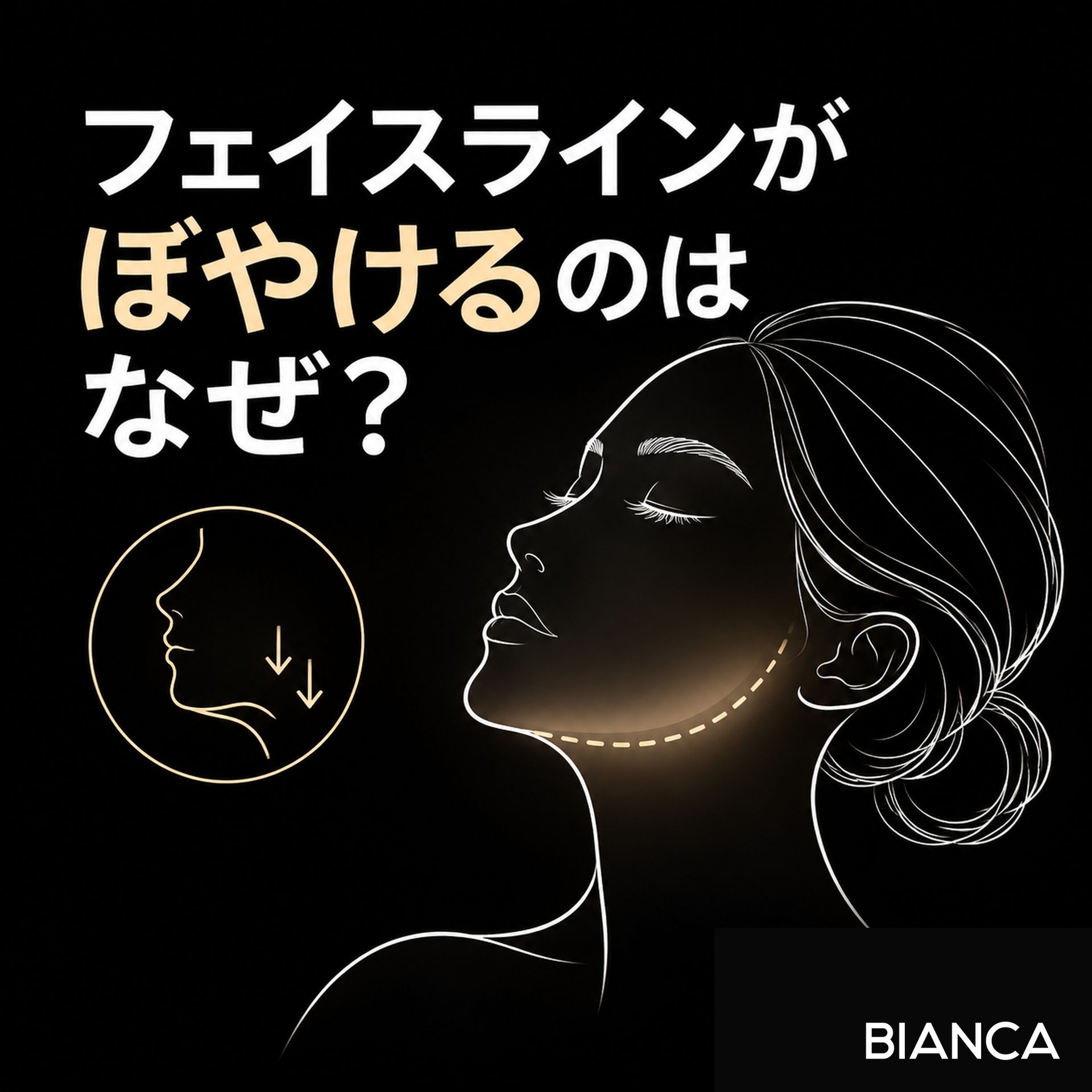
"Lately, the line between my face and neck isn't as defined as it used to be." "My face looks rounder than it used to." Even if you're concerned about changes like these, it can be hard to tell on your own whether they're caused by fat or sagging skin.
Changes in facial contours cannot be determined solely by age or weight. In this article, we’ll explain the four main causes of a blurred facial contour and the key points to help you identify them.
There isn't just one reason why the jawline becomes blurred
Several factors—including fat, sagging skin, muscles, and bone structure—influence the appearance of the jawline. For example, when sagging skin combines with fat on the cheeks or under the chin, the jawline appears even more blurred.
Also, even if the jawline appears blurred in the same way, the causes vary from person to person. It’s important not to judge based on appearance alone, but to assess the condition of the entire face.
4 Reasons Why Your Jawline Becomes Blurred
The contours of the face are shaped by tissues such as skin, fat, muscle, and bone. We’ll take a closer look at how each of these factors influences the appearance of facial contours, breaking them down into four categories.
Excess fat makes your face look round.
If there is a lot of subcutaneous fat on the lower cheeks or under the chin, the contour of the lower jaw may appear obscured. While this can sometimes change with weight gain, the way fat is distributed on the face varies from person to person. Even at the same weight, the impression can differ depending on the location of the fat and the condition of the surrounding tissues.
When the skin and fat sag, the facial contours become blurred.
As we age, changes in the skin’s elasticity and the condition of the tissues that support fat and other structures can cause volume to accumulate in the lower cheeks, resulting in an uneven facial contour. If the areas around the sides of your mouth or along the jawline appear less defined than before, this may be due not only to an increase in fat but also to sagging of the underlying tissues.
Muscle development can also make the lower part of the face appear wider
When the masseter muscle—which is used when clenching the back teeth—becomes more developed, it can make the lower face appear wider. Additionally, the platysma muscle, which extends from the lower face to the neck, is one of the muscles involved in shaping and moving the facial contours. Therefore, it is important to determine whether changes in facial contours are caused by muscle development or by sagging skin and fat.
The shape and position of the jaw also affect the jawline.
Skeletal features such as a small chin, a receding chin, or a gently sloping lower jawline can make the boundary between the face and neck appear less defined. The skeletal structure serves as the foundation for one’s natural facial contours. When combined with changes in fat and skin, these features may become more noticeable than before.
Identifying the Causes Based on the Appearance of the Jawline
If your jawline appears full, this may be due not only to the amount of fat but also to sagging skin and the position of the chin. If unevenness appears in the lower part of your cheeks, this is likely caused by the position of the fat or sagging subcutaneous tissue.
On the other hand, if you're concerned about the width of your lower face, it's important to consider muscle development and skeletal characteristics.
| How It Looks—Something to Think About | Factors to Verify |
|---|---|
| The boundary between the jaw and the neck is unclear | Fat under the chin, sagging skin, and the bone structure of the chin tip |
| There are irregularities on the lower part of the cheek | Fat Distribution and Tissue Sagging |
| The lower part of the face is wide from side to side | Development of the Masseter Muscle and the Mandibular Skeleton |
| My weight hasn't changed, but my face shape has. | Changes in the Position of Skin and Fat Due to Aging |
*Please note that the table is for reference only. The actual cause will be determined by a doctor after examining the condition of your fat, skin, muscles, and skeleton.
Key Points for Checking Changes in Your Facial Contours
If you're concerned about changes in your facial contours, start by taking stock of exactly which areas have changed and how they differ from before. Checking your face not only from the front but also from angles and the side will make it easier to notice changes in your contours. When comparing with past photos, be sure to choose ones where the angle of your face, facial expression, and lighting are similar.
However, it is difficult to determine—based on appearance alone—whether the cause is fat, sagging skin, muscle, or bone structure. During your examination, telling your doctor when you first noticed the changes, any fluctuations in your weight, and the specific areas of concern will provide clues to help identify the cause.
Please note that if you experience sudden swelling, pain, or a noticeable difference between the left and right sides, do not assume it is merely a cosmetic change; please consult a medical professional.
Choose a facial contouring treatment based on the underlying cause
When considering facial contouring treatments, it is important to identify the cause of the blurred facial contours. For example, the appropriate approach differs depending on whether you are concerned about excess fat or noticeable sagging of the skin and subcutaneous tissue. Additionally, reducing too much fat can make the cheeks appear sunken, so it is necessary to consider the overall balance of the face.
At Bianca Clinic, we offer a range of treatments tailored to address concerns regarding the facial contour, including liposuction, thread lifts, Embrace RF, and injectable treatments. However, not every treatment is suitable for everyone. During your consultation, we will assess the condition of your fat, skin, muscles, and bone structure to determine the treatment method best suited for you.
▶Learn More About Concerns and Treatments for the Face and Jawline
Frequently Asked Questions About the Causes of a Blurred Jawline
Here are answers to some frequently asked questions about what causes a blurred jawline.
Q. Is a loss of definition in the jawline due to aging?
A. This may be related to a loss of skin elasticity and sagging tissues that occur with aging. However, even in younger people, facial contours may appear less defined depending on fat distribution and bone structure, so age alone is not a reliable indicator.
Q. Why does my jawline look less defined even though my weight hasn't changed?
A. Changes in the distribution of fat or the condition of the skin and subcutaneous tissue can alter the appearance of your body contours, even if your weight remains the same. We will evaluate these changes by reviewing photographs and combining them with our findings from the physical examination.
Q. Can I tell on my own what’s causing my jawline to look blurry?
A. While you may notice areas of concern or changes, it is difficult to determine the cause based on appearance alone. Fat, sagging skin, muscles, and bone structure can all interact and influence the issue.
If you want to know what causes a blurred jawline, visit BIANCA CLINIC.
An undefined jawline isn’t caused solely by an increase in fat. It can also result from a combination of factors, such as sagging skin and subcutaneous tissue, muscle development, and skeletal structure. Even if two people have a similar appearance, the underlying causes can vary from person to person, so it’s important to first understand the current state of your own facial contours.
At Bianca Clinic, we address concerns about the facial contour by assessing the condition of your fat, skin, muscles, and bone structure to determine the treatment method best suited for each individual. If you’ve noticed any changes that concern you—such as “my facial contours have become less defined than before” or “my face looks rounder even though my weight hasn’t changed”—please feel free to discuss them with us during a consultation.