Sumi Minami
2026.11.07
How can I get rid of sagging skin around my mouth?

Engaged in both aspects of cosmetic dermatology and cosmetic surgery, he is an all-rounder doctor who pursues natural and elegant beauty with "the best interest of the patient" as his first priority. He is also a board-certified cosmetic surgeon by the Japanese Society of Aesthetic Plastic Surgery (JSAS). He specializes in hyaluronic acid injections, thread lifts, and facial surgery, and is a competent KOL (Key Opinion Leader) for ARTEMISLIFT and Hydro Rejuran. He is always sensitive to the latest trends and is always exploring knowledge and techniques.
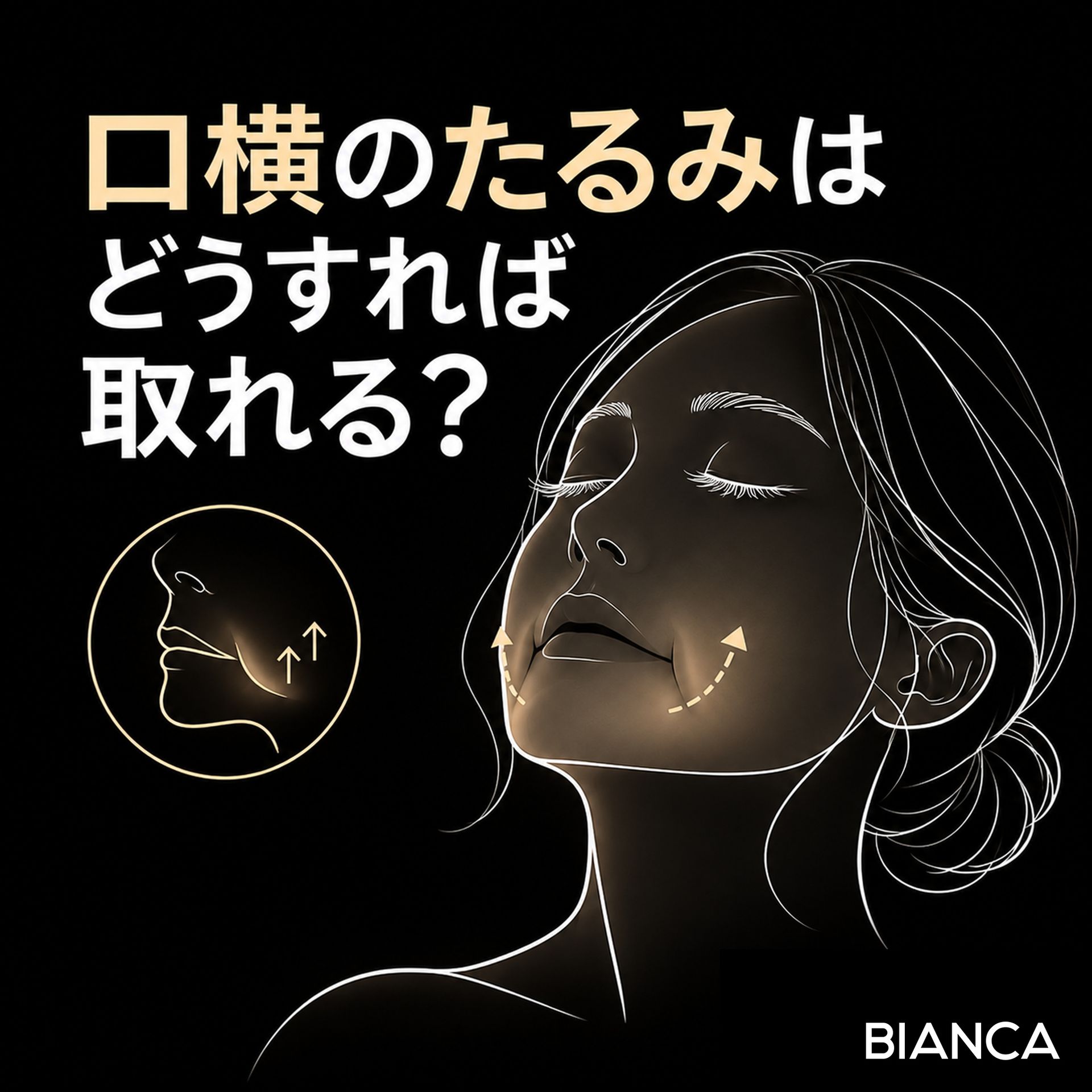
Sagging around the mouth can manifest in various ways, such as the area beside the corners of the mouth becoming fuller or sagging from the mouth to the jawline. Even if you feel that “the area around your mouth looks heavier than before” or that “your marionette lines have become more noticeable,” it can be difficult to pinpoint the cause on your own.
Sagging around the mouth isn’t necessarily resolved simply by losing fat. The most appropriate treatment depends on the position of the skin and fat, the volume of the cheeks, and the overall balance of the face. In this article, we’ll explain the mechanisms behind sagging around the mouth and how to choose the right treatment.
Why Does Sagging Occur Around the Mouth?
Sagging around the mouth is caused by factors such as the sagging of cheek fat and subcutaneous tissue, the amount of fat, and a loss of volume in the cheeks. Since multiple factors can often overlap, even similar appearances of sagging around the mouth can have different causes for each person. To choose the right treatment, it’s important to first understand the mechanisms behind sagging around the mouth.
The tissue in the cheeks sags, causing a bulge around the mouth
As we age, the skin’s elasticity and the ability of the underlying tissues to provide support decline, causing the fat and subcutaneous tissue in the cheeks to shift downward, which can result in bulges appearing on the outer corners of the mouth. This sagging in the lower face is called “jowls” and is one of the causes of a wavy-looking jawline.
If you feel that the area around your mouth has become fuller than before, or that the line from the corners of your mouth to your jaw has become less defined, this may be due not only to an increase in fat but also to sagging tissue. When considering treatment, it is important to determine which tissues have sagged and to what extent.
The amount and distribution of fat affect the appearance of the area around the mouth.
If there is a lot of subcutaneous fat around the sides of the mouth or on the lower cheeks, it can cause the mouth area to appear fuller, making the jawline look rounder. The distribution of fat varies from person to person, and even people of the same weight may have more noticeable volume around the sides of their mouths.
However, just because there is fullness does not necessarily mean there is a lot of fat. This is because, in some cases, fat may appear to accumulate around the mouth due to sagging tissue in the cheeks. To determine whether a fat-reduction procedure is appropriate, it is necessary to evaluate both the amount of fat and the position of the tissue.
A loss of volume in the cheeks can also make the area around the mouth stand out
When volume decreases in the upper cheeks and around the mouth, the overall three-dimensional appearance of the face changes, and the fullness or creases on either side of the mouth may become relatively more noticeable. In particular, if you feel that the upper part of your cheeks has become flatter than before, this may be due not only to sagging fat but also to a loss of volume.
In cases like this, reducing the fat around the mouth isn’t necessarily the best approach. Since this could accentuate the hollow appearance of the cheeks, it’s important to assess the balance not only around the mouth but also from the cheeks down to the jawline.
What treatments are available to improve sagging skin around the mouth?
Cosmetic treatments for sagging around the mouth include thread lifts, which lift the tissue; radiofrequency (RF) treatments, which aim to tighten the skin and subcutaneous tissue; liposuction, which adjusts fat volume; and injectable treatments, which help balance the overall facial appearance. Since the most suitable method varies depending on the cause and degree of sagging, it’s important to understand the characteristics of each.
Thread Lift | Lifts Sagging Tissue
A thread lift is a procedure in which medical-grade threads are inserted under the skin to lift the tissues of the cheeks and the areas around the mouth. It is one option to consider when sagging skin or fat causes bulging on the outer corners of the mouth.
On the other hand, if there is a significant amount of fat or severe skin laxity, a thread lift alone may not produce the desired results. The extent to which sagging around the mouth is improved depends on factors such as the condition of the tissue, the insertion points of the threads, and the direction of the lift. After the procedure, swelling, bruising, tightness, unevenness, and asymmetry may occur.
▶Learn more about BIANCA CLINIC's thread lift (BIANCA LIFT)
Treatments Using Equipment Such as Radiofrequency (RF) | Aimed at Skin Tightening
Radiofrequency (RF) treatment is a method that uses thermal energy to tighten the skin and subcutaneous tissue. It is an option to consider if you are concerned about sagging skin around the mouth or if you prefer a treatment that does not involve incisions.
However, high-frequency treatments do not physically lift the tissue in the same way as thread lifts. The effects vary depending on the device used and the depth of the treatment, and in some cases, the results may be limited depending on the degree of sagging. In addition to risks such as redness, swelling, and burns after the procedure, caution is also necessary regarding fat loss, depending on the device used.
▶ Learn more about "Volneuma," a radiofrequency (RF) treatment for sagging skin
Liposuction | Reducing Excess Fat Around the Mouth
If excess fat around the mouth or on the lower cheeks is causing puffiness, procedures such as liposuction may be considered. This method addresses the volume around the mouth and sagging along the jawline by reducing excess fat.
However, if the fullness around the mouth is caused by sagging tissue, simply reducing fat may not produce sufficient results. Furthermore, removing too much fat may result in sunken cheeks or noticeable unevenness in the skin. It is necessary to consider not only the amount and location of the fat but also the condition of the skin and the overall balance of the face. After the procedure, there are risks such as swelling, bruising, infection, and asymmetry.
▶Learn More About VASER Facial Contouring Liposuction
Injection Treatments | Restoring Balance with the Surrounding Area
If you notice a loss of volume in your cheeks or prominent lines around your mouth, injectable treatments such as hyaluronic acid are one option to consider. By adding volume to areas where it is lacking, these treatments aim to minimize the noticeable difference in height between the cheeks and the area around the mouth, thereby improving the overall balance of your face.
However, injection treatments do not directly lift sagging tissue or remove excess fat. Depending on the injection site and volume, they may actually make the mouth area appear heavier, so it is essential to carefully assess whether the treatment is appropriate. In addition to swelling and bruising, injection procedures may, in rare cases, lead to serious complications such as circulatory disorders caused by accidental injection into a blood vessel. Therefore, it is important to carefully determine the injection site and volume based on facial anatomy, including the course of blood vessels.
▶ Learn More About Hyaluronic Acid Injections at BIANCA CLINIC
Which treatment should I choose for sagging skin around the mouth?
To correct sagging around the mouth, it is important to identify the causes of the puffiness and sagging. The appropriate treatment varies depending on the condition of the skin and fat, as well as the degree of tissue sagging. The relationship between the main causes and the treatments to consider is summarized below.
- Tissue sagging is the main cause: Consider procedures designed to lift the skin, such as thread lifts
- Concerned about sagging skin: Consider treatments designed to tighten the skin, such as radiofrequency
- High body fat: Carefully assess whether treatment targeting fat is appropriate
- Noticeable loss of volume in the cheeks or prominent lines: Assess the overall balance of the face, including injection treatments
However, in reality, multiple factors may be at play. The information above is intended solely as a guideline for choosing a treatment; you cannot determine the most suitable method based on appearance alone. During the consultation, we will consider the condition of your skin and fat, the position of the tissues, and your desired results when determining the appropriate treatment.
What to Say When Consulting About Sagging Skin Around the Mouth
When it comes to sagging skin around the mouth, the choice of treatment depends not only on the cause but also on the desired outcome. During your consultation, it’s important to have the doctor assess your current condition and to clearly communicate any changes that concern you as well as your specific goals.
For example, try telling the doctor about the specific areas that concern you, such as “I want to reduce the fullness around my mouth” or “I want to make my marionette lines less noticeable.” If you have any old photos, they can serve as a reference to help explain when the changes began.
In addition, be sure to communicate not only the areas you’d like to improve but also any changes you’d prefer to avoid. For example, it’s important to specifically share any concerns you may have, such as “I’d like to avoid looking gaunt” or “I’d be concerned if only the corners of my mouth were unnaturally lifted.” It’s also important to discuss downtime and your budget so you can develop a treatment plan that’s realistic for you.
Frequently Asked Questions About Treatments for Sagging Skin Around the Mouth
Q. Can I reduce sagging around the mouth with self-care?
A. It is difficult to restore sagging subcutaneous tissue and fat to their original positions through self-care alone. While moisturizing and protecting your skin from UV rays help maintain skin health, they may not fundamentally improve the puffiness or sagging around the mouth. Avoid forcibly lifting the skin with vigorous massage, and if you have concerns, consult a doctor.
Q. Can sagging skin around the mouth be improved with a non-surgical procedure?
A. Depending on the degree and cause of sagging around the mouth, non-surgical procedures may be an option. For example, thread lifts may be considered for tissue sagging, and radiofrequency (RF) treatments for loose skin. However, in cases of severe sagging, the results may be limited, so a decision must be made based on the desired outcome.
Q. Will the sagging around my mouth go away after just one treatment?
A. The extent of improvement after a single treatment varies depending on the cause and severity of the sagging, as well as the treatment method. The way changes manifest and how long they last also differ depending on the treatment, and sagging around the mouth may not necessarily disappear completely. During the consultation, it is important to confirm the expected changes and the limitations of the treatment.
If you're concerned about sagging skin around your mouth, visit BIANCA CLINIC
To improve sagging around the mouth, it is important to identify the causes of the puffiness and sagging and choose a treatment that takes into account the overall balance of the face. Various approaches are possible, including not only reducing fat but also lifting the underlying tissues and tightening the skin.
At Bianca Clinic, we recommend the most suitable treatment—such as thread lifts, device-based procedures, liposuction, or injectable treatments—based on the causes of sagging around the mouth and your desired results. If you feel that “the area around your mouth looks heavy” or “you’re not sure which procedure is right for you,” please start by scheduling a consultation.
▶Schedule a consultation at BIANCA CLINIC
▶Learn More About Concerns Regarding the Face Line and Contours, and Related Treatments