column (e.g. in newspaper)
2026.09.02
What Is a Drooping Outer Corner Eyelid Incision? A Cosmetic Surgery Guide to Softening the Appearance of Your Eyes

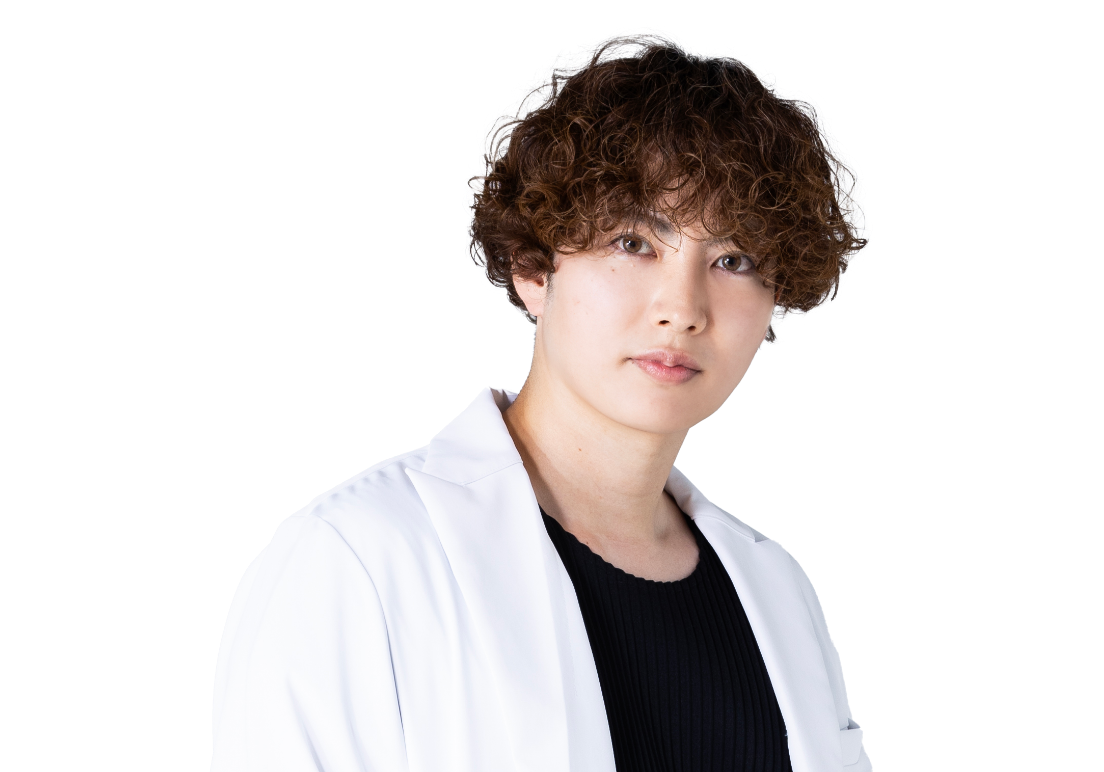
Engaged in both aspects of cosmetic dermatology and cosmetic surgery, he is an all-rounder doctor who pursues natural and elegant beauty with "the best interest of the patient" as his first priority. He is also a board-certified cosmetic surgeon by the Japanese Society of Aesthetic Plastic Surgery (JSAS). He specializes in hyaluronic acid injections, thread lifts, and facial surgery, and is a competent KOL (Key Opinion Leader) for ARTEMISLIFT and Hydro Rejuran. He is always sensitive to the latest trends and is always exploring knowledge and techniques.

[Doctor’s Point]
The outer canthoplasty is not intended to lower the outer corners of the eyes; rather, it is a procedure designed to create a natural appearance while taking into account the balance with the entire face. By reattaching the supporting tissues of the outer canthus to the appropriate position, we aim to achieve a gentle, soft-looking eye area. Since excessive correction can lead to risks such as ectropion or dry eye, it is crucial to carefully evaluate each patient’s facial structure and eye anatomy and to develop a treatment plan that prioritizes safety above all else.
For those who searched “What is a droopy outer corner eyelid surgery?” This article is a comprehensive guide designed for anyone who wants to soften the appearance of their eyes. It clearly explains everything from the basics of droopy outer corner eyelid surgery to the latest approaches. Structured to be easy to understand even for those considering cosmetic surgery for the first time, it provides a consistent set of criteria to help you make an informed decision, no matter which cosmetic surgery clinic you consult.
A lateral canthoplasty is a technique for reshaping the outer corner of the eye that combines the manipulation of tendons, skin, and conjunctiva at the outer corner to slightly lower and reattach the outer canthus, thereby softening a sharp-looking gaze. The key lies not merely in “cutting,” but in the anatomical reconstruction of the supporting structures.
While conventional outer canthus incisions focus heavily on horizontal expansion, the “drooping outer canthus” incision carefully designs a downward vector. The final result is determined by a series of meticulous details, such as reinforcing support to prevent ectropion and adjusting the balance between the mucosa and skin.
That is precisely why preoperative counseling is so important. We conduct a comprehensive evaluation—taking into account factors such as bone structure, the appearance of the whites and irises of the eyes, skin thickness, the degree of tear mound exposure, and even how the eyes change when you smile—and design the procedure in a way that preserves the overall harmony of your face. Understanding the criteria used by experienced plastic surgeons plays a major role in determining your satisfaction.
What Is a Lower Eyelid Corner Incision?—Definition and Mechanism
A drooping outer canthus incision is a plastic surgery procedure that involves treating the tendinous and soft tissues at the outer canthus (the outer corner of the eye) within a safe margin to fine-tune the position and angle of the outer canthus. By reattaching the lateral canthal tendon to an appropriate fixation point (strong tissue near the lateral orbital rim) and slightly reducing the horizontal palpebral fissure tilt (canthal tort), the procedure aims to create a gentle and serene impression around the eyes. Since excessive lowering can lead to ectropion or dryness, the procedure is typically designed with a subtle adjustment of approximately 1 to 2 mm.
Indications and Benefits of Cosmetic Surgery
This procedure is recommended for people who want to soften their appearance to others, those whose outer corners of the eyes are sharply lifted, making them appear harsh, and those whose outer corners lift even further when they smile. It is important to determine suitability based on the balance of exposed iris, the prominence of the cheekbones, and the support of the lower eyelids. The benefits are as follows:
-
Helps you project a gentle and approachable image
-
It helps your eyeliner and eyelashes look more polished, giving you more makeup options
-
It optimizes the balance of scleral exposure while preventing a mild tendency for the lower eyelid to evert.
-
By strategically placing the incision line, the postoperative scar becomes less noticeable.
Cosmetic Surgery Consultations and Treatment Planning
During a cosmetic surgery consultation, we evaluate photographs taken from the front, at an angle, and from the side—both neutral and smiling—to assess the ratio of the white to the black part of the eye, asymmetry between the left and right eyes, exposure of the lacrimal hillock, skin thickness, volume of the tear troughs, and cheek support. We perform positional simulations using a mirror and review trends in past “Before & After” results to reach a consensus on the angle and extent of the outer corner droop, the height of the fixation point, and the maximum incision length.
Key Items for the Preliminary Evaluation
-
Eyelid Support Test (Lower Eyelid Pull Test) and Risk Assessment for Ectropion
-
History of dry eye symptoms, contact lens use, hay fever, and other mucosal conditions
-
Prone to scarring, history of keloids, sebum production, and skin type
-
Work-related downtime restrictions, acceptable levels of makeup and masks
Treatment Process Flow
Anesthesia and Preparation
We primarily use local anesthesia, but for patients who are sensitive to pain, we also use nitrous oxide or intravenous sedation. We double-check the amount of skin to be removed, the incision line, and the fixation points using markings, prioritizing bilateral symmetry.
Incision Design and Fixation
The incision is generally made on the skin side of the outer lower eyelid. After treating the outer canthus, the eyelid is reattached to the firm tissue along the lateral orbital rim, and excess mucosa or skin is trimmed minimally as needed. This prevents overcorrection and ensures smooth movement during blinking.
Suturing Techniques and Scar Management
We select absorbable and non-absorbable sutures appropriately and use tension-distributing sutures to minimize unevenness. When making a skin incision, we align it with the wrinkles at the outer corners of the eyes to help camouflage the scar.
Downtime, Aftercare, and How to Interpret "Before & After" Photos
Swelling and bruising generally subside within 1 to 2 weeks, while puffiness typically subsides within 3 to 4 weeks. Manage any tendency toward dry eyes with eye drops, and follow your doctor’s instructions regarding when to resume washing your face and applying makeup. For “Before & After” comparisons, it is helpful to evaluate the results 1 to 3 months after the swelling has subsided and again at the 6-month mark, when the tissue has stabilized. Be sure to standardize the camera angle, lighting, and whether or not you are smiling when comparing photos.
-
48 hours: Focus on cooling. Avoid sudden spikes in heart rate and blood pressure.
-
Days 3–7: Around the time the stitches are removed. If there is any bruising, cover it with a yellow-toned concealer.
-
Weeks 2–4: Swelling reduction phase. Continue treating tightness and dryness around the outer corners of the eyes.
-
1–3 months: Shape stabilizes. This is the optimal time for the initial “Before & After” evaluation.
-
6 months: Estimated time for the final result. Any asymmetry in the details can be assessed at this point.
Safety and Risk Management in Cosmetic Surgery
While cosmetic surgery cannot eliminate all risks, we minimize them through careful planning. The most common risks are listed below, and prompt action is crucial in each case.
-
Overcorrection and Asymmetry: Unnatural appearance caused by excessive downward movement. Mild cases improve naturally; if symptoms persist, they can be corrected by adjusting the threads or reattaching them.
-
Tendency toward ectropion and conjunctival exposure: Caused by insufficient support. Treat with protective ointment and taping; if necessary, perform a procedure to strengthen support.
-
Scars and Hyperpigmentation: Can be reduced through UV protection and topical treatments. May persist for a long time depending on the individual’s constitution.
-
Dry eyes, irritation, and redness: Manage with eye drops and a humidifier. Resume contact lens use gradually.
-
Infection and Bleeding: Treat with early administration of antibiotics and pressure. In rare cases, an examination on the same day is necessary.
An Overview of Revision Surgery
Evaluate the results 3 to 6 months after the shape has stabilized, and make adjustments using minimally invasive techniques only when necessary. In cosmetic surgery, a conservative approach from the very first procedure ultimately reduces the revision rate. Be sure to clarify in advance whether revisions are possible, as well as the associated costs and the specific procedures involved.
Average Costs and How to Interpret Estimates
While prices vary depending on the region and surgical technique, lower eyelid canthoplasty tends to have significant price variations because it involves both aesthetic design and structural reconstruction. When reviewing quotes from plastic surgery clinics, be sure to check not only the “basic procedure fee” but also the costs for anesthesia, sutures, follow-up visits, medications, and the revision policy.
-
Basic Treatment Fee: Depends on the difficulty of the procedure and the time required
-
Anesthesia Fees: By Type (Local vs. Intravenous Sedation)
-
Postoperative Care: Fees for Medical Examinations, Medication, and Suture Removal
-
Scope of Coverage: Conditions for Addressing Left-Right Asymmetry and Overcorrection
Frequently Asked Questions (FAQ)
Q. When can I start wearing makeup and contact lenses?
A. Apply eye makeup gradually after the stitches have been removed and you’ve confirmed that the incision site has healed. As for contact lenses, it’s safest to try wearing them one eye at a time—after any dryness or irritation has subsided—and only with your doctor’s permission.
Q. How soon can I return to work?
A. For desk work, allow about a week; for face-to-face interactions or photo shoots, allow at least two weeks. It’s also helpful to plan on covering the area with a mask or glasses.
Q. Will the scar be noticeable?
A. Even if an incision is made in the skin, the design can be adjusted to follow the natural lines of the wrinkles at the outer corners of the eyes, making it less noticeable when viewed from the front. It can be made even less noticeable with UV protection and moisturizing.
Q. Can this treatment be combined with other treatments?
A. Combining these procedures can be effective for addressing issues such as mild lower eyelid sagging or adjusting the volume of the tear troughs. It is safest to have a cosmetic surgeon develop a comprehensive plan that integrates the overall design to avoid overcorrection.
Checklist for Choosing a Cosmetic Surgery Clinic
To choose a cosmetic surgery clinic you can trust, be sure to discuss the following points during your consultation.
-
Qualifications and Expertise: Can demonstrate experience in blepharoplasty and a track record of performing outer canthus fixation based on anatomical principles.
-
Design Presentation: Be able to articulate the rationale behind the design from the front, at an angle, and with a smile.
-
Before & After: This section presents multiple cases under standardized imaging conditions and explains their limitations.
-
Safety Management: Clear guidelines for support design to prevent hallux valgus and a system for same-day response in the event of an incident.
-
Aftercare: Frequency of visits, eye drop administration and wound care, and a framework for long-term follow-up.
-
Transparency in Estimates: Terms regarding follow-up visits, anesthesia, and warranties are provided in writing.
-
Communication: Allow sufficient time to reconcile expectations and limitations.
An outer canthus incision is a precise cosmetic procedure that aims to create a “gentle, soft appearance” through subtle reshaping of the outer corner of the eye. The key to success lies in accurately assessing suitability, designing the procedure to avoid overcorrection, safely reattaching the supporting structures, and providing meticulous post-operative care. Choose a reputable cosmetic surgery clinic, review multiple well-photographed “Before & After” photos, and make your decision only after fully understanding the risks and limitations. Information is on your side. Take your time to compare your options and make a choice that you’ll be satisfied with in the future.
Summary
An outer canthoplasty is a cosmetic surgical procedure that adjusts the position and angle of the outer corner of the eye to create a softer appearance around the eyes. Achieving a natural and beautiful result requires careful assessment of suitability, meticulous planning, surgical techniques based on anatomical principles, and proper postoperative care. When considering this procedure, it’s important to receive a thorough explanation—covering not only “Before & After” examples but also risks, downtime, and revision options—to ensure you choose a treatment that aligns with your eye shape and personal ideals, leading to a highly satisfying outcome.