column (e.g. in newspaper)
2026.08.27
Is Regenerative Medicine Used in Cosmetic Procedures? A Cosmetic Medicine Specialist Explains the Expected Benefits of Skin Rejuvenation, Stem Cell Therapy, PRP, and More

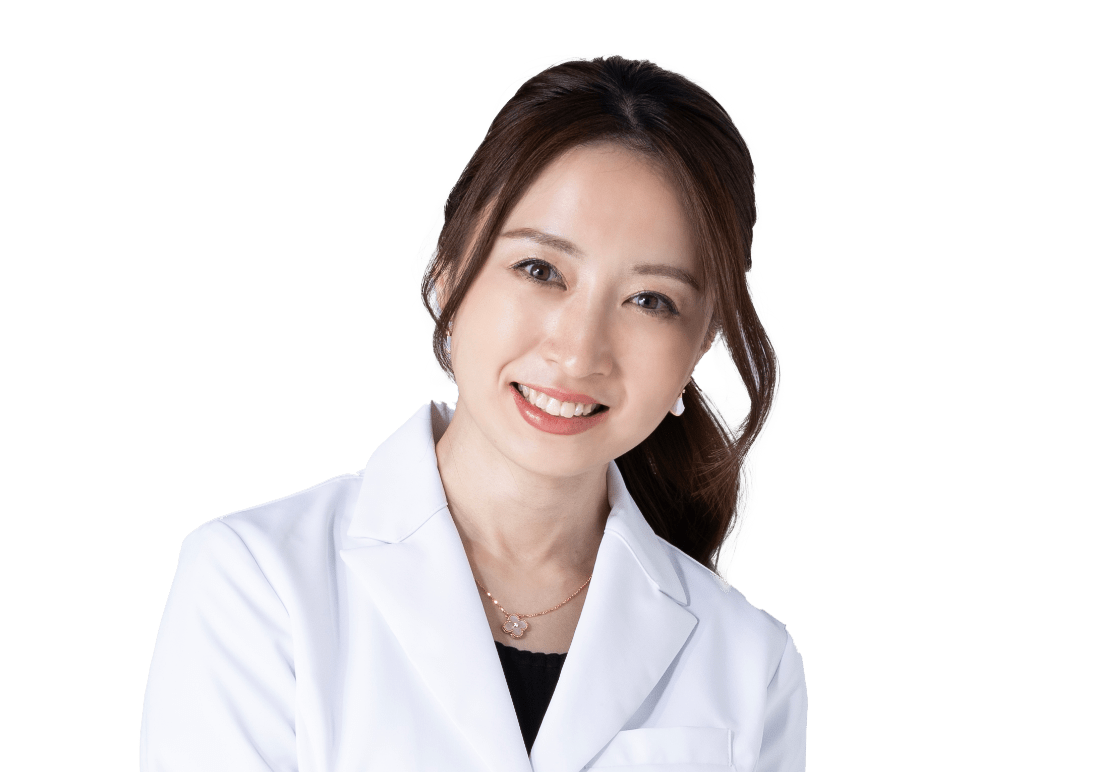
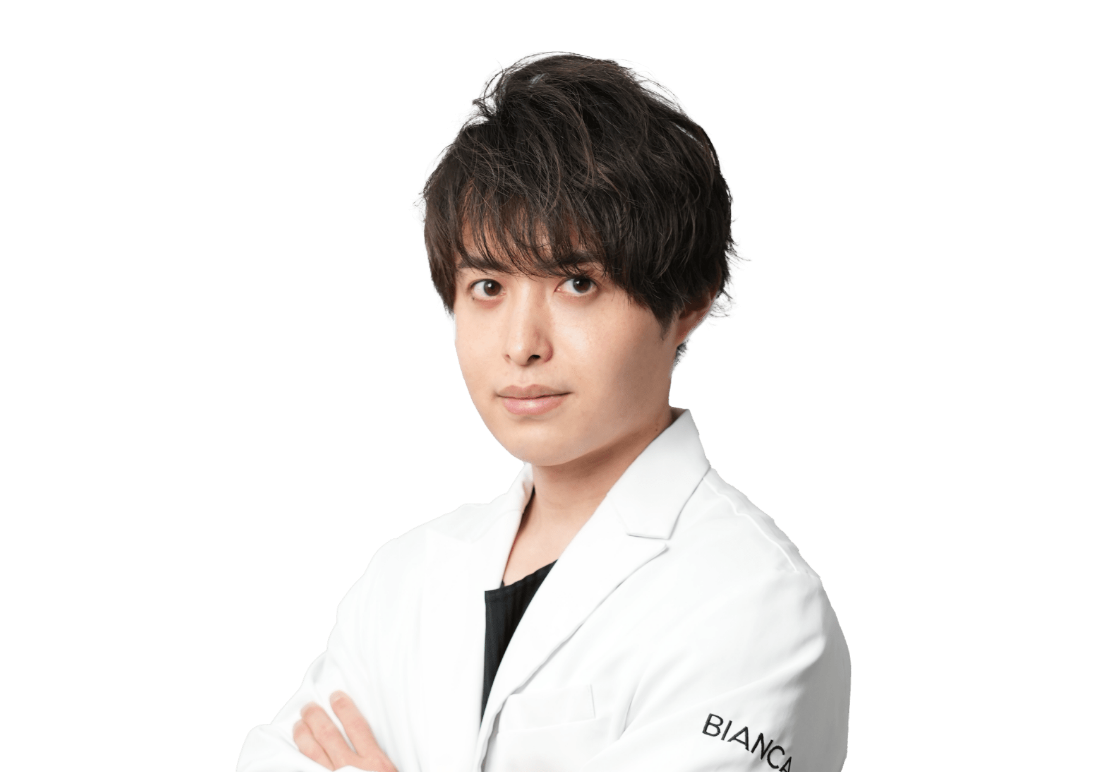
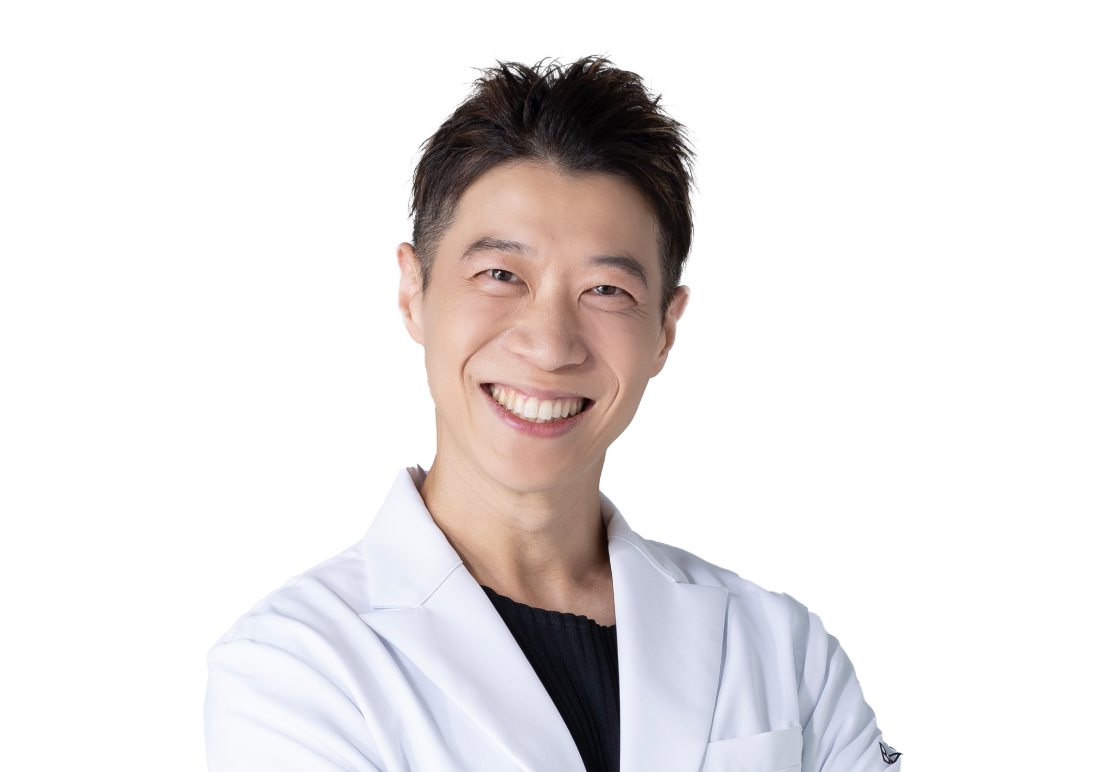
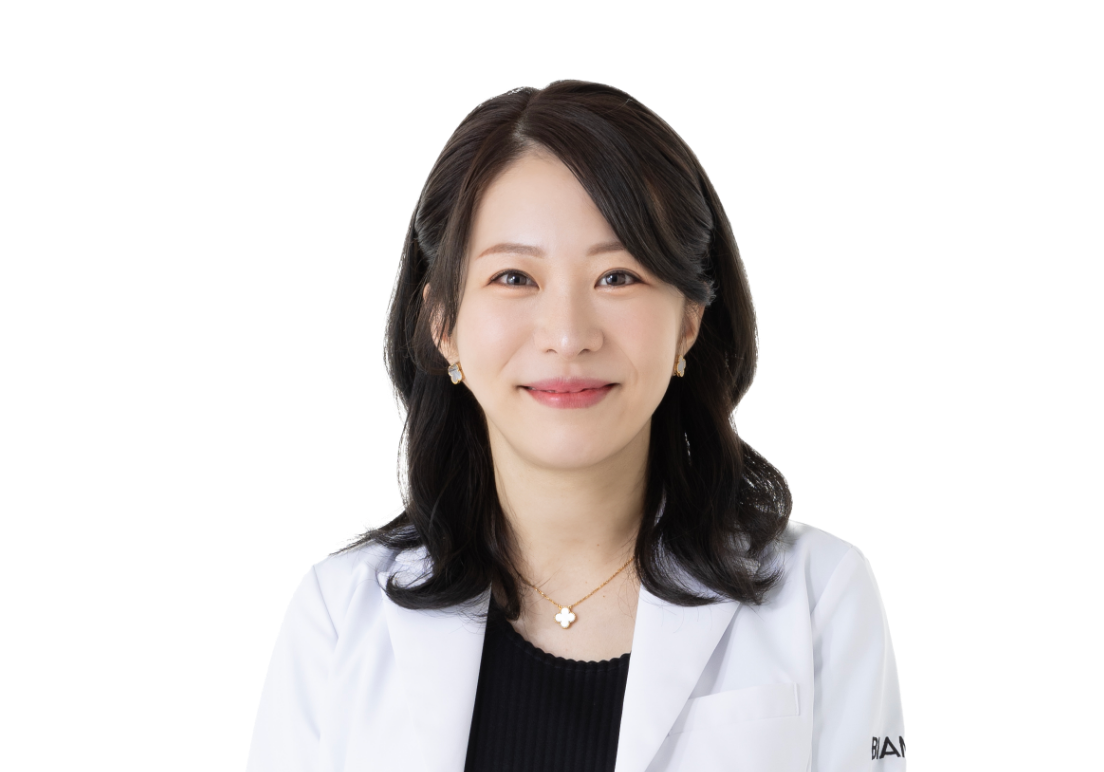
My journey into aesthetic medicine stems from a desire to help enrich and beautify lives beyond simply treating illness. My specialties include hyaluronic acid, Botox, and thread lifts. I provide treatments that enhance each individual's unique qualities and bring out an elegant, natural beauty. For concerns around the eyes that are difficult to improve with dermatology alone, I also perform surgical procedures. By integrating dermatology and surgery, I holistically balance the entire face. With three periods of overseas study, I am also able to provide consultations in English.

Doctors' Point
In recent years, we’ve been hearing the term “regenerative medicine” more and more often in the field of cosmetic medicine.
When people hear the term “regenerative medicine,” many may imagine cutting-edge medical treatments that restore lost tissue or function.
However, these days,Approaches that utilize the patient’s own blood and cells—such as PRP (platelet-rich plasma) and adipose-derived stem cells—are also being researched and applied in the fields of cosmetic medicine and anti-aging care.
In fact, documents from the Ministry of Health, Labor and Welfare confirm the existence of regenerative medicine provision plans involving mesenchymal stem cells (MSCs) for “cosmetic and anti-aging purposes,” among others.
What sets regenerative medicine in the field of beauty apart from conventional cosmetic medicine is that it does not merely add volume from the outside or apply thermal energy, but rather,The goal is to utilize biological responses involved in tissue repair and regeneration by employing cells and blood-derived components, among other things.is.
For example, in the case of adipose-derived stem cells (ADSCs), their mechanisms of action—mediated by various growth factors and cytokines—have been studied, and their potential applications in skin regeneration, wound healing, scar treatment, hair restoration, and facial rejuvenation have been explored.
However, it is not accurate to assume that “using one’s own cells = guaranteed safety” or that “regenerative medicine = rejuvenation.”
A 2025 systematic review on regenerative medicine in aesthetics also highlighted the potential for applying regenerative medicine to the field of aesthetics, while at the same time,There are differences in the scientific evidence and regulatory status of these treatments, and further verification is needed.It is said that.
As a cosmetic medicine physician, what I want to emphasize is that patients should not choose a treatment based solely on the novelty of the term “regenerative medicine,” but rather,What kind of treatment involves administering a specific substance? What effects is it intended to produce? To what extent is it supported by medical evidence?It's about understanding and making a choice.
In this article, we’ll explore the theme of “Regenerative Medicine and Beauty,” providing a detailed explanation of the types of regenerative medicine used in the beauty field, their applications for skin and anti-aging, how they differ from stem cell therapy and PRP, safety considerations, costs, and how to choose a clinic.
An Introduction to “Regenerative Medicine and Beauty” in Ginza, Tokyo
Regenerative medicine is a field of medicine that uses cells and blood-derived components to repair and reconstruct damaged tissue.
In the field of cosmetic medicine, PRP (platelet-rich plasma), adipose-derived stem cells (ADSCs), and SVF (stromal vascular fraction) are being researched and utilized.
While applications are being explored for conditions such as skin type, scars, and hair, treatment protocols and long-term data are still in the developmental stages.
When considering treatments in Tokyo or Ginza, let’s review the options from the perspective of the relevant specialty (aesthetic medicine, plastic surgery, or aesthetic dermatology) to determine what will be administered and what results you’re aiming for.
Leading Examples of Regenerative Medicine in Cosmetics: PRP, Stem Cells, and SVF
PRP is a treatment that involves extracting a platelet-rich component from a person’s own blood; it is used to improve skin texture and address fine lines and scars.
Adipose-derived stem cells and SVF are based on the concept of utilizing cell populations extracted from adipose tissue, and research related to their secreted factors and immunomodulatory effects is progressing.
Even with autologous treatments, there is a possibility of swelling or bruising associated with injections or collection, and results, downtime, and duration may vary from person to person.
With these points in mind, it’s a good idea to go over them during your consultation at a cosmetic medicine clinic, cosmetic dermatology clinic, or cosmetic surgery clinic in Ginza, Tokyo.
The Division of Roles Between Botox and Regenerative Medicine
Since expression lines are caused by muscle movement, Botox is often an appropriate treatment option.
The concept behind Botox is to soften facial movements and moderate the appearance of expression lines.
On the other hand, regenerative therapies such as PRP and stem cells are designed to improve skin texture and promote tissue regeneration.
For example, when it comes to wrinkles on the forehead or between the eyebrows, a realistic approach would be to first use Botox to address the stress caused by daily facial expressions, and then consider PRP as a supplementary treatment if the goal is to improve skin texture and pore appearance.
While Botox involves relatively little downtime, the degree of discomfort following injection varies from person to person, and similarly, results and duration can vary with regenerative medicine.
At medical facilities in Tokyo and Ginza, it is sometimes recommended to combine Botox with regenerative medicine and make minor adjustments based on the season or life events.
Please note that for volume loss or deep-set wrinkles that cannot be fully resolved with Botox, we will consider a comprehensive range of options, including hyaluronic acid, RF, HIFU, and, in some cases, surgical procedures.
Rather than starting with Botox or regenerative medicine, the surest way to avoid failure is to begin by asking, “What is the problem right now?”
The Differences Between Cosmetic Internal Medicine, Cosmetic Surgery, and Cosmetic Dermatology, and How to Find a Clinic (Tokyo’s Ginza Area)
When choosing a clinic in Tokyo or Ginza, one of the most common dilemmas is deciding which medical specialty to visit.
Cosmetic internal medicine specializes in evaluating changes in a person’s appearance from multiple perspectives, taking into account internal health, hormones, nutrition, and sleep.
Cosmetic dermatology draws on the latest findings in dermatology and specializes in direct treatments for the skin, such as laser therapy and injections.
Cosmetic surgery offers dynamic solutions for body contouring, including surgical options such as liposuction, breast augmentation, and treatments for sagging skin.
For example, if your main goal is to address mild fine lines or improve skin texture, you might want to consult a cosmetic dermatologist or cosmetic physician; if you’re seeking significant improvements in facial contours or volume, cosmetic surgery may be the better option. Choosing a provider based on the nature of your concerns and your tolerance for downtime will make the process go more smoothly.
Because Ginza, Tokyo, offers such a wide range of options in various fields, the key is to choose a clinic based on its area of expertise.
The Distinction Between Regenerative Medicine and Liposuction and Breast Augmentation
If you want to make significant changes to the contours of your face or body in a short period of time, cosmetic surgery procedures such as liposuction or breast augmentation may be appropriate.
Liposuction is a procedure used to reduce excess fat and refine the body’s contours, while breast augmentation is a surgical option for adjusting the body’s proportions.
On the other hand, regenerative medicine is an approach that utilizes the functions of cells to address skin quality and tissue condition, and its purpose differs from that of treatments—such as liposuction or breast augmentation—that aim for a clear change in volume.
For example, it’s realistic to combine these approaches in a complementary manner—such as “contouring the body with liposuction and improving skin texture with PRP” or “adjusting body volume with breast augmentation and then using regenerative medicine to enhance skin texture once the downtime has subsided.”
Liposuction and breast augmentation are, after all, core surgical procedures, and it is essential to thoroughly explain their indications, recovery time, and risks.
When consulting with a cosmetic surgery clinic in Tokyo or Ginza, it’s a good idea to discuss matters from a long-term perspective—not only whether liposuction or breast augmentation is appropriate, but also how to coordinate regenerative medicine and skincare with a cosmetic dermatology or cosmetic internal medicine clinic after the procedure.
It is difficult to lift significant sagging with regenerative medicine alone; in some cases, thread lifts or surgical procedures may be more appropriate. Conversely, there are situations where regenerative medicine can play a supportive role in achieving the “texture of the skin itself” and “smooth healing of the incision site”—results that are difficult to achieve with surgical procedures such as liposuction or breast augmentation.
Let’s understand the differences in their purposes and take an unbiased look at liposuction, breast augmentation, and regenerative medicine.
Safety and Regulations: Procedures, Applications, and Limitations
Just because the cells come from your own body doesn't mean they're completely safe.
Blood draws and fat extractions may cause swelling, bruising, or pain, and injections and IV infusions also carry their own risks.
In addition, certain regenerative medicine treatments in Japan are subject to legal procedures (the Act on Ensuring the Safety of Regenerative Medicine, etc.). Even at medical institutions in Tokyo or Ginza, it is important to confirm whether these procedures are in place.
Please also keep in mind that “filed” does not mean “the effectiveness has been guaranteed by the government.”
Estimated Downtime, Number of Sessions, and Cost
There is a significant difference in both downtime and cost between methods that primarily involve blood collection, such as PRP, and those that involve processing and administering cells derived from the patient’s own fat.
PRP treatments range from tens of thousands to hundreds of thousands of yen, while treatments involving cell separation, processing, or culture can cost anywhere from hundreds of thousands to millions of yen.
The frequency isn't set in stone, so be sure to ask, "Why that specific number?" and "What metrics will be used for evaluation?"
Please note that results, discomfort, and duration may vary from person to person, and your daily skincare routine and lifestyle habits (UV exposure, sleep, and nutrition) can also affect the final outcome.
How to Interpret "Before & After" Photos: Don't Rely Too Much on the Photos
The "Before & After" photos are helpful for reference, but the appearance can vary depending on shooting conditions, lighting, makeup, and the number of days that have passed.
Even at popular clinics in Ginza, Tokyo, it’s important not to base your decision solely on “before and after” photos, but to have a concrete discussion with your doctor about the changes that could occur in your own skin.
Let’s take a closer look at the “Before & After” results—especially those involving the combined use of Botox, hyaluronic acid, and regenerative medicine—to identify exactly which factors contributed to the changes and how they occurred.
Checklist for Choosing a Clinic in Ginza, Tokyo (Cosmetic Internal Medicine, Cosmetic Surgery, and Cosmetic Dermatology)
-
Form a hypothesis based on the nature of your concern and your tolerance for downtime to determine whether to consult a cosmetic medicine, cosmetic surgery, or cosmetic dermatology specialist.
-
What type of treatment is being administered or performed (is it autologous? Is collection necessary? Where is the processing performed?)
-
Expected Effects, Risks, Limitations, Number of Sessions, and Costs (whether total cost is shown, and whether storage or testing fees apply)
-
Is this subject to legal proceedings? Have the necessary filings and administrative procedures been completed?
-
Is there an explanation of how these treatments—such as Botox, liposuction, and breast augmentation—complement each other?
-
Are the "Before & After" comparisons, quantitative evaluation metrics, and evaluation timeframes clearly defined?
When evaluating a clinic, don’t rely solely on its location in Ginza, Tokyo; the sincerity of the attending physician’s explanations and how they address your questions are also important factors to consider. It’s also crucial that there is smooth collaboration between the cosmetic medicine, cosmetic surgery, and cosmetic dermatology departments.
Frequently Asked Questions (FAQ)
Q. Can regenerative medicine rejuvenate the skin?
A. While research suggests certain effects on skin texture and tissue response, we cannot make definitive claims such as “how many years younger you will look.” We will evaluate this based on assessment metrics, the number of treatments, and any adjunctive therapies (such as Botox).
Q. Which should be done first: Botox or PRP?
A. If expression lines are the primary cause, starting with Botox can sometimes be the most straightforward approach. If the goal is to improve skin texture, a treatment plan that combines Botox with PRP may be considered. The order of treatments varies depending on individual circumstances.
Q. Can liposuction or breast augmentation be performed at the same time as regenerative medicine treatments?
A. It depends on the procedure and your physical condition. First, consult a plastic surgeon to determine your eligibility for liposuction or breast augmentation and to discuss the expected recovery time. Then, coordinate with a cosmetic dermatologist or cosmetic physician to plan your post-operative skincare routine and the timing of regenerative medicine treatments.
Q. Can I receive high-quality treatment outside of Ginza, Tokyo?
A. Yes, you can. While Tokyo and Ginza offer the advantage of many options, what’s important is transparency in explanations and post-operative follow-up. Regardless of location, prioritize thorough communication.
Q. Can I assume that the greater the difference between the "Before" and "After," the stronger the effect?
A. Since the results can vary depending on the photographic conditions and any concurrent treatments, it is safer not to make a judgment based on photographs alone. Please also check whether numerical evaluations, touch-up plans, and lifestyle guidance are provided.
Why You Should Seek Counseling
The first step in finding out “if it’s right for you” is an honest consultation.
Aesthetic medicine, plastic surgery, and cosmetic dermatology clinics in Ginza, Tokyo, offer a wide range of options, from Botox and hyaluronic acid to liposuction, breast augmentation, and regenerative therapies such as PRP and stem cells.
If you can find a healthcare professional who offers suggestions tailored to your concerns and lifestyle—rather than pushing treatments on you—your treatment will be a much gentler experience.
You don't have to make a decision right away. If you're wondering if this is right for you, please feel free to contact us for a consultation.
Summary
Regenerative medicine holds promising potential in the field of cosmetic medicine, but its design differs from treatments like Botox, which have clearly defined sites of action.
Regenerative medicine is often a viable option for treating fine lines, improving skin texture, and caring for wounds and scars, while significant sagging and changes in facial contours are areas where cosmetic surgery—such as liposuction and breast augmentation—excels.
In Tokyo and Ginza, where collaboration among aesthetic medicine, plastic surgery, and cosmetic dermatology practices is common, it is crucial to share your goals, expected downtime, costs, and evaluation criteria, and to base your decisions on factors beyond just “before and after” photos.
By paying attention to safety and legal procedures while simultaneously working to improve lifestyle habits, the prospects for successful treatment become more realistic.
Rather than focusing on whether something is the latest trend, let’s take our time in Ginza, Tokyo, to carefully select the option that best suits “your concerns and lifestyle.”