column (e.g. in newspaper)
2026.10.16
The Ultimate Guide to Downtime After Septum Extension Surgery | A Plastic Surgeon Explains the Peak of Swelling, Postoperative Progress, Time to Final Results, and the Differences Between Full Rhinoplasty and Tip Rhinoplasty
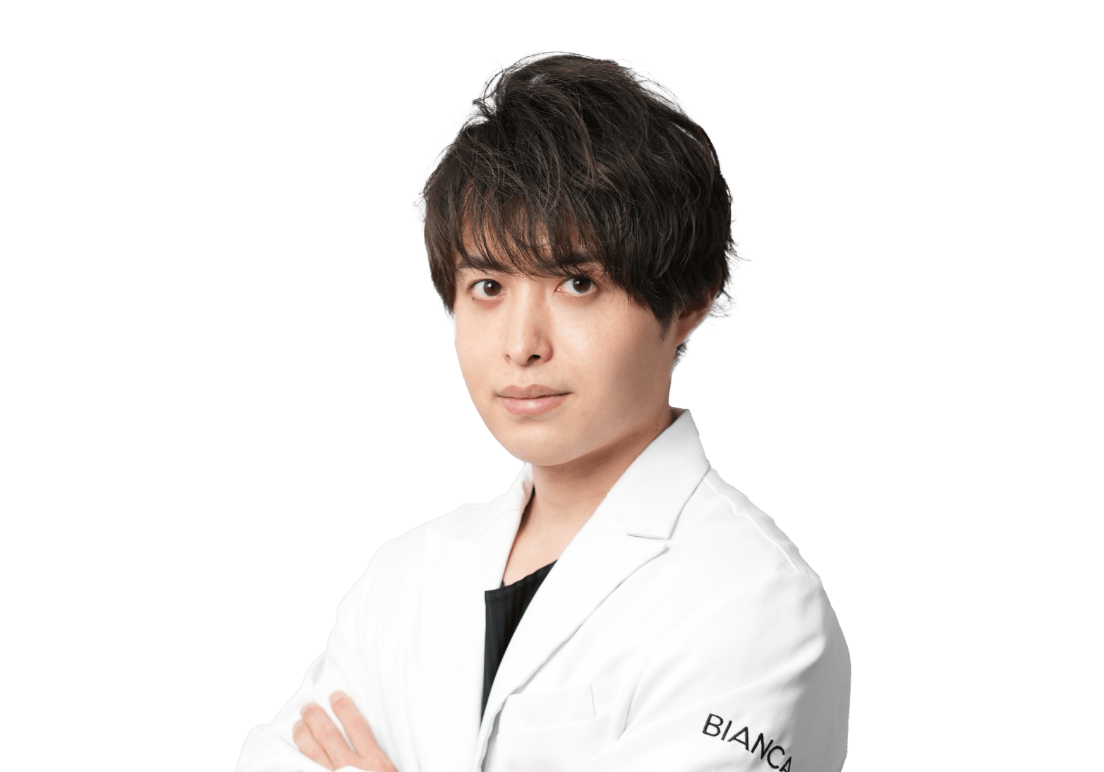
As a plastic surgeon certified by the Japanese Society of Plastic and Reconstructive Surgery, I have been involved in many cases of trauma, reconstruction, and congenital diseases, and have cultivated precise techniques and a deep understanding of anatomy. He entered the field of cosmetic surgery out of a desire to bring the power of cosmetics to his patients, as a change in one's appearance can also make one's mind more positive. Her specialties include general treatment of the eye area, injections, and sagging skin. I provide treatments that focus on beauty with the medical stance of "sincerely addressing the ideals of the patient.

Introduction | A plastic surgeon explains in simple terms the “downtime” associated with nasal septum extension—a procedure that often causes anxiety.
Whether you want to raise the tip of your nose, correct its alignment, or make a short nose appear more refined—septal extension is an effective option for these goals.
Of course, it’s only natural to have endless questions, such as “How many days is the downtime for a septum extension?”, “When does the swelling peak?”, “When can I return to work?”, and “How many months until the final results are visible?”
I get the impression that even at cosmetic surgery clinics in Tokyo, many patients are asked about these four points during their initial consultation.
Generally speaking, noticeable swelling and bruising subside within 1 to 2 weeks, while slight swelling and stiffness at the tip of the nose may take 6 months to over a year to fully resolve.
The time when you can return to your daily routine and the time when the work is fully completed are different—keeping this in mind will help ease your concerns.
To help those looking for a cosmetic surgery clinic in the Tokyo area, we’ve compiled information on the recovery process at 1 week, 1 month, 3 months, and 6 months post-surgery, including details on casts, suture removal, returning to work, and precautions to take in daily life.
Doctors' Point
-
Septal extension is a common rhinoplasty procedure that allows for adjustments to the height, angle, and position of the tip of the nose. In some cases, it can achieve results that are difficult to obtain through tip plasty alone.
-
Swelling typically peaks 2 to 3 days after surgery, and the most severe swelling subsides within 1 to 2 weeks. After that, minor swelling and stiffness gradually subside over a period of 6 months to more than a year.
-
Since septal extension reinforces the nasal structure, the tip of the nose may feel stiffer than before; the outcome varies depending on individual differences and the combination of procedures performed.
-
Even at cosmetic surgery clinics in Tokyo, we place great importance on clearly distinguishing between the time it takes to resume daily activities and the time it takes for the results to fully develop. When evaluating “Before & After” photos, be sure to assess them based on the “time when the results are fully developed.”
What Is Nasal Septum Extension? When Is It Recommended? (A Common Topic of Consultation at Cosmetic Surgery Clinics in Tokyo)
Septal extension is a rhinoplasty procedure in which the patient’s own cartilage is attached to the nasal septal cartilage—located in the center of the nose—to adjust the position, orientation, and height of the tip of the nose.
It may be possible to achieve changes that are difficult to achieve through tip plasty alone, such as extending the tip of the nose to make it appear higher, shaping it to point slightly downward, or improving the appearance of a short nose.
The scope of the surgery varies depending on the type of cartilage used (nasal septum, auricle, or ribs), the fixation method, and the extent of lengthening, and this also affects the duration of recovery.
At cosmetic surgery clinics in Tokyo, this procedure is routinely explained as one of the types of rhinoplasty. We’ll explain how to make your nose taller, how the nose becomes taller, and what the nose will look like in the long term after the procedure.
Differences Compared to Tip Rhinoplasty Alone
The primary purpose of a tip rhinoplasty alone is to refine the roundness and width of the tip of the nose.
On the other hand, since septal extension reinforces and reconstructs the “supporting structure” itself, it offers greater flexibility in terms of the resulting vectors (height, direction, and position), but tends to result in longer downtime.
However, the recovery process can vary significantly depending on the combination of procedures and the patient’s physical constitution. Even at cosmetic surgery clinics in Tokyo, “downtime for alar plasty” and “downtime for septal extension” are explained separately, and we discuss the options based on your preferences and daily schedule.
The Big Picture of Downtime After Septum Extension | Estimated Timelines: 1 Week, 1 Month, 3 Months, and 6–12 Months
-
On the day of surgery through 3 days afterward: Swelling, nasal congestion, and minor bleeding. Swelling tends to peak 2 to 3 days after surgery.
-
Days 4–7: The swelling gradually subsides. With the open method, sutures are typically removed on days 5–7.
-
1–2 weeks: Noticeable swelling and bruising subside. It’s easy to resume daily activities, but the tip of the nose may still be slightly swollen.
-
1 month: The height and angle of the tip of the nose become more visible. Firmness and minor swelling tend to persist.
-
3 months: The contours become more defined. Swelling is further reduced.
-
6–12 months: Minor swelling and scarring continue to subside as the area nears its final appearance.
It’s not as simple as “it’s finished once the cast comes off.” Because nasal septum extension involves structural changes, the final shape of the tip of the nose develops gradually over time.
Even at cosmetic surgery clinics in Tokyo, we provide separate information regarding “recovery of appearance” and “time to full recovery.”
When Does the Swelling Peak? Why the Tip of the Nose Looks Larger
For most patients, swelling peaks on the second or third day after surgery. Swelling may extend beyond the tip of the nose to the bridge of the nose, the columella, the cheeks, and the area around the eyes.
Due to swelling, the tip of your nose may temporarily appear larger or more upturned than before surgery; however, you cannot judge the success of the procedure based on this alone. If you experience a fever, severe pain, or persistent bleeding, please contact us as soon as possible.
Guidelines for Cast Immobilization, Taping, and Suture Removal
A general guideline is to leave the sutures in for 5 to 7 days, but this varies depending on the surgical technique and the condition of the incision site. With the open method, sutures are typically removed after 5 to 7 days, and the timeframe for removing sutures after a full rhinoplasty is similar.
Since swelling may still be present immediately after the removal of the splint, we avoid evaluating the final result at that time and instead monitor changes over a period of several months.
Things to Keep in Mind When Returning to Work and in Your Daily Life (Frequently Asked Questions at a Tokyo Cosmetic Surgery Clinic)
Many people can return to desk work within a few days to a week, while those in customer service roles should plan to take about one to two weeks off for peace of mind. Since heavy labor and strenuous exercise can easily cause bleeding or swelling, you should resume these activities only as directed by your doctor.
Masks are helpful, but be careful not to apply too much pressure to the tip of your nose. Avoid alcohol, saunas, and long baths during the early stages. When sleeping, keep your head slightly elevated and avoid sleeping on your stomach. It’s also important not to blow your nose too hard.
Even at cosmetic surgery clinics in Tokyo, we explain that these lifestyle guidelines are the key to reducing downtime.
Pain, Anesthesia, and Discomfort at the Site of Collection
For a few days after surgery, you may experience pain or a feeling of pressure at the tip of your nose, but these symptoms will gradually subside.
When rib cartilage is used, discomfort is likely to occur in the chest area, and when auricular cartilage is used, it is likely to occur behind the ear; this discomfort may intensify with deep breathing or body movement. Please note that the perception of pain varies greatly from person to person.
Please note that the method of nasal anesthesia varies depending on the facility and the combination of procedures, so be sure to get a detailed explanation beforehand.
What You Can Do to Keep Downtime to a Minimum
-
Rest and Relaxation: Avoid overexertion, especially during the first few days after surgery.
-
Do not touch the tip of your nose: Avoid pressing, rubbing, or doing your own massage.
-
Smoking Cessation: Recommended from the perspective of blood flow and wound healing. Consult your doctor regarding the duration.
-
Nutrition and Sleep: Eat meals that include protein and get enough sleep.
These are basic principles that apply not only to the downtime associated with septal extension but also to the overall downtime associated with rhinoplasty.
Looking Ahead to "10 Years Later" After Septum Extension | Long-Term Stability and Precautions
The appearance of a nasal septum extension 10 years later is influenced by factors such as the source of the harvested cartilage, skin thickness, lifestyle habits, and age-related changes.
Since slight changes in position and angle may occur over time, we recommend regular follow-up visits. Scar contraction (rhinoplasty contracture) may affect the firmness or shape of the scar, so proper care and follow-up are important.
At cosmetic surgery clinics in Tokyo, we provide explanations based on the premise of long-term follow-up and agree with patients on the timing for evaluating "before and after" results.
For Those Considering a Nose Job | Market Rates, Prices, and How to Approach the Concept of “Cheap”
"Nose Full" often refers to a comprehensive procedure that combines septal extension, tip plasty, and dorsal contouring; because the scope of the procedure is so broad, there is a wide range in the market rates and prices for "Nose Full."
The cost varies depending on factors such as “which areas are being altered and to what extent,” “whether cartilage is harvested,” “the type of anesthesia used,” “the method of immobilization,” and “the number of follow-up visits.”
Cost is an important factor to consider when comparing rhinoplasty options, but if you choose a clinic solely because it offers the cheapest full rhinoplasty, you may overlook factors that could lead to regret, such as insufficient explanations about downtime or lax infection control measures (risk of infection from full rhinoplasty).
When consulting with a cosmetic surgery clinic in Tokyo about rhinoplasty, be sure to prioritize not only the price but also the consistency of the explanation, safety measures, and the quality of post-operative care.
Can "Hyal" Make Your Nose Taller? A Comparison with Surgery
"Nose Full Hyal" (hyaluronic acid injections) is an option for raising the bridge of the nose or temporarily creating the appearance of a higher nose while minimizing downtime.
However, if you wish to structurally alter the direction or position of the tip of your nose, a septal extension may be the appropriate procedure.
The choice isn't about which one is better, but rather about the purpose, durability, downtime, and ease of correction.
At cosmetic surgery clinics in Tokyo, we compare injectable treatments and surgical procedures on an equal footing and offer recommendations that fit your lifestyle and schedule.
Criteria for Choosing a Top Surgeon (Before You Start Looking for a Top Rhinoplasty Surgeon or a Top Surgeon for a Full Nose Job)
-
A background specializing in plastic surgery and consistent expertise in various types of rhinoplasty.
-
Explanation of complications (infection, bleeding, contractures, etc.) and management protocols.
-
Present "Before & After" images that reflect the completion date. Clearly state the shooting conditions and timing.
-
The Design Philosophy of “Discreetness.” Precautions to Avoid an Obvious Nose Job.
To avoid rhinoplasty complications or regrets, it is important to have a thorough consultation, a clear explanation of the risks, and a supportive post-operative care plan. We recommend choosing a cosmetic surgery clinic in Tokyo that carefully addresses these three points.
When Can I Have Revision Surgery? (Rhinoplasty: Considerations for Revision Surgery)
The appropriate timing for revision surgery varies depending on the purpose, but it is generally considered 6 to 12 months or more after swelling and scarring have subsided. If changes are needed sooner—such as in cases of infection or severe deformity—please consult your doctor as soon as possible.
The choice isn't about which one is better, but rather about the purpose, durability, downtime, and ease of correction.
At cosmetic surgery clinics in Tokyo, we compare injectable treatments and surgical procedures on an equal footing to offer recommendations that fit your lifestyle and schedule. Compared to the downtime associated with tip rhinoplasty, the downtime for septal extension tends to be longer, so it’s crucial to time your evaluation correctly.
Frequently Asked Questions (FAQ)
After a septal extension, when can I expect the final results?
While noticeable swelling tends to subside within 1 to 2 weeks, swelling and stiffness at the tip of the nose may take 6 months to over a year to subside. The final results should be evaluated over the long term.
At the one-month mark, the tip of the nose is round. Is this a failure?
One month is still only a midway point. Swelling may make the area appear round, so you can’t judge the success or failure based solely on how it looks at this stage. If you have any concerns, please consult your doctor for a checkup.
Can I apply pressure once the cast is removed?
Avoid doing your own massages or applying strong pressure. Even after the cast is removed, the structure will still be in the process of stabilizing for a while, so please follow your doctor’s instructions regarding how to handle the area.
When can I go back to work?
You can usually return to desk work within a few days to a week, while it’s best to take 1 to 2 weeks off from customer-facing work. For heavy physical labor or strenuous exercise, please consult your doctor about when to resume these activities.
How long does it take for a bruise to go away?
In most cases, the swelling subsides within 1 to 2 weeks. If the procedure involves extensive bone work, the swelling may extend to the area around the eyes, and the recovery process varies from person to person.
For Those Looking for a Cosmetic Surgery Clinic in Tokyo | Creating a Welcoming Environment for Consultations
There are many cosmetic surgery clinics in Tokyo, offering a wide range of options. Be sure to compare them comprehensively based on price, distance to the clinic, the thoroughness of the consultation, and the long-term follow-up support system.
During your initial consultation, it’s a good idea to confirm the expected downtime for a nasal septum extension, the recovery process for a full rhinoplasty (including how to share updates on your progress), infection prevention measures, and when you’ll be shown the “before and after” photos.
Another important factor is whether the atmosphere makes it easy to ask questions without feeling pressured into a sale.
Conclusion: If you think of the return to daily life and the completion of the project as separate phases, your anxiety will ease.
For nasal septum extension, noticeable swelling and bruising subside within 1 to 2 weeks, while minor swelling and stiffness at the tip of the nose gradually resolve over a period of 6 months to more than a year.
While the procedure may take a bit longer than a tip rhinoplasty alone due to the broader scope of the procedure, it also offers a wider range of possible outcomes.
Satisfaction comes from working with a doctor who prioritizes not only price and market rates but also safety protocols and long-term follow-up, and who is willing to discuss the timing of “before and after” evaluations with you.
If you're looking for a cosmetic surgery clinic in Tokyo, we recommend consulting with a clinic that will work closely with you to ensure the treatment fits your schedule and preferences.
There’s more than one way to get a higher nose. Let’s work together to find the option that’s right for you at a cosmetic surgery clinic in Tokyo.
▷Nasal Septum Extension Procedure Page
▷Counseling Appointment Page