column (e.g. in newspaper)
2026.10.16
How Long Is the Downtime for Rhinoplasty? A Plastic Surgeon Explains the Peak of Swelling, Postoperative Recovery, and Time Until Final Results | Differences from Full Nose Surgery [Cosmetic Surgery Clinic in Tokyo]
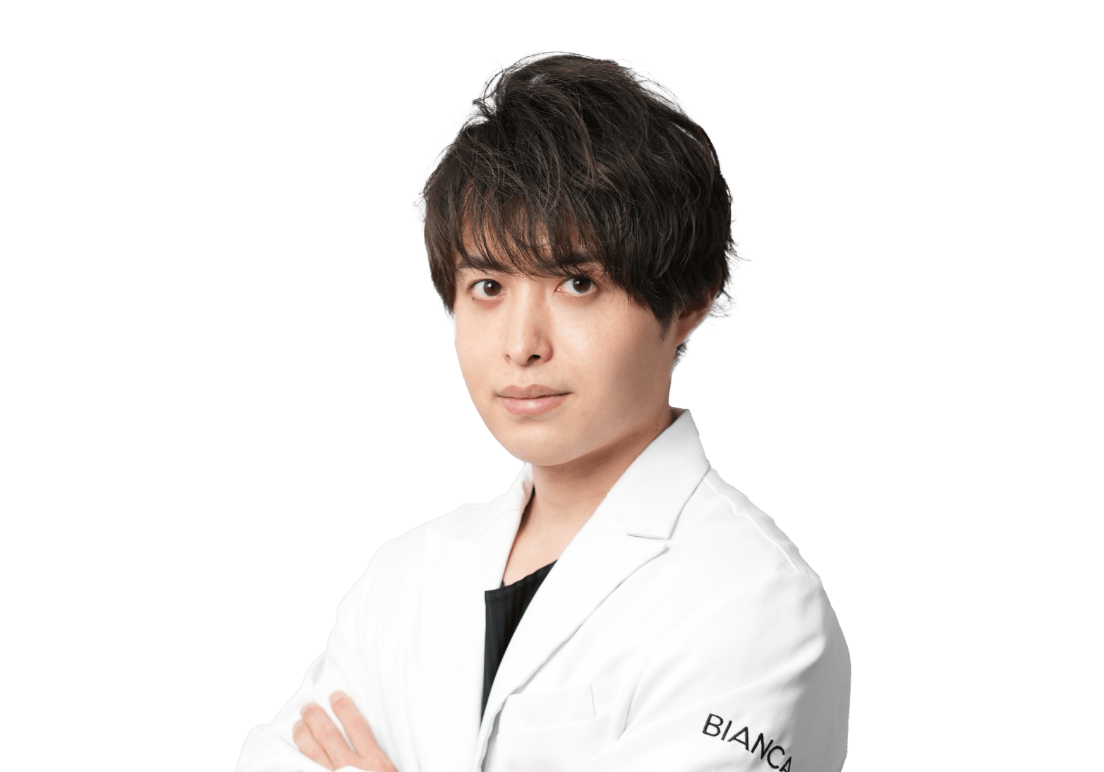
As a plastic surgeon certified by the Japanese Society of Plastic and Reconstructive Surgery, I have been involved in many cases of trauma, reconstruction, and congenital diseases, and have cultivated precise techniques and a deep understanding of anatomy. He entered the field of cosmetic surgery out of a desire to bring the power of cosmetics to his patients, as a change in one's appearance can also make one's mind more positive. Her specialties include general treatment of the eye area, injections, and sagging skin. I provide treatments that focus on beauty with the medical stance of "sincerely addressing the ideals of the patient.

Introduction | For Those Concerned About When Swelling Peaks and When Results Are Final (From a Cosmetic Surgery Clinic in Tokyo)
Rhinoplasty is a cosmetic procedure that aims to create a sleeker appearance by refining the roundness and width of the tip of the nose. However, concerns such as “How many days of downtime will there be?”, “When will the swelling peak?”, and “When can I return to work?” are common.
Especially for those living and working in Tokyo, where the pace of life is fast, you’re probably wondering exactly when you’ll be able to return to work.
In this article, from a plastic surgery perspective, we’ll clearly explain the downtime for rhinoplasty, the progression of swelling and bruising, the process of immobilization and suture removal, and the time it takes to achieve the final result—including how these differ from a “full nose procedure” (a combination of multiple surgeries).
Please use this as a way to “prepare” before visiting a cosmetic surgery clinic in Tokyo.
What Is Nasal Tip Surgery? What Can and Cannot Be Achieved with Nasal Tip Surgery Alone
A tip plasty is a surgical procedure that involves working on the alar cartilage and surrounding tissues that form the tip of the nose to refine its roundness and width.
This is an option for those who want to soften the appearance of a bulbous nose or a nose tip that is wide across the sides.
If the procedure involves only tip rhinoplasty, the surgical area is generally limited to the tip of the nose; therefore, compared to surgeries involving extensive bone work, the downtime is relatively easier to predict.
On the other hand, significant increases in vertical volume—such as “making the nose larger and higher” or “dramatically raising the bridge of the nose”—or major changes in the nose’s orientation are not the primary objectives of tip rhinoplasty alone.
If you need to significantly raise the bridge of your nose or want to “truly feel” that your nose is higher, we may consider a combination of procedures, such as septal extension, cartilage grafting, or rhinoplasty (often referred to as a “full nose job”).
It is important to consult with a cosmetic surgery clinic in Tokyo and carefully discuss which method best suits your bone structure, skin thickness, and lifestyle.
How Many Days Is the Downtime for Rhinoplasty? Peak Swelling and Postoperative Recovery
If we use a return to daily life as a guideline, the downtime for rhinoplasty is generally 1 to 2 weeks.
Swelling typically peaks 2 to 3 days after surgery and then gradually subsides.
The final results will be visible after 3 to 6 months; however, for people with thicker skin or those undergoing treatment over a large area, it may take about a year (results vary by individual).
Postoperative Guidelines by Timeline
-
On the day of the procedure: Swelling and discomfort may occur due to the effects of anesthesia or the procedure itself. There may be slight bleeding.
-
Days 1–3: Peak swelling. The tip of the nose may appear slightly larger, and you may have difficulty breathing through your nose at times.
-
Days 4–7: Swelling gradually subsides. Depending on the procedure, sutures may be removed during this period.
-
1–2 weeks: Significant swelling and bruising subside; this is a general guideline for returning to work (desk work).
-
1 month: While the shape becomes easier to discern, swelling and firmness tend to persist during this period.
-
3 months: Swelling and firmness have improved even further. The contours are more defined.
-
6 months to 1 year: The stage when the results become more consistent.
Please note that the information above is merely a general guideline. Results may vary depending on your physical condition, the specifics of your surgery, and your lifestyle (such as how often you commute in Tokyo and your work schedule).
At cosmetic surgery clinics in Tokyo, it is common to adjust the schedule for wearing a brace and follow-up visits based on a specific projected timeline for returning to work.
About Cast and Tape Immobilization, Suture Removal, and Anesthesia
In rhinoplasty, the tip of the nose may be temporarily immobilized with tape or a cast after surgery. Whether immobilization is required and, if so, for how long depends on the surgical technique and the extent of swelling; in some cases, it may not be necessary at all.
With the open rhinoplasty technique, sutures on the columella are typically removed after about 5 to 7 days, though this may vary depending on the condition of the incision site.
Anesthesia is selected with safety and comfort in mind, and a preoperative explanation and informed consent are always provided (anesthesia responses vary from person to person and are adjusted based on the patient’s physical condition and medical history).
The Difference Between Tip Rhinoplasty and Full Rhinoplasty | Downtime, Cost, and What to Expect (Choosing a Cosmetic Surgery Clinic in Tokyo)
While tip rhinoplasty focuses solely on the tip of the nose, a “full nose procedure”—which combines septal extension, osteotomy, rhinoplasty, and cartilage grafting—is a comprehensive approach that addresses multiple areas simultaneously.
The larger the treatment area, the more likely swelling and bruising are to occur, and downtime tends to be relatively longer.
In terms of cost, the total amount (rhinoplasty cost) tends to increase as the number of rhinoplasty procedures performed rises, and the average cost and price for a full rhinoplasty vary depending on the clinic and the combination of procedures.
Be sure to check the details and after-sales support for extremely low-cost plans.
In addition, if you are considering a “Nose Full Hyal” procedure (such as using hyaluronic acid injections as part of a rhinoplasty), it is important to understand the differences in benefits, limitations, and duration of results before making your decision.
The risk of infection cannot be completely eliminated in any surgical procedure; not only for nasal septum infections but also for rhinoplasty, maintaining good hygiene and seeking medical attention early on are crucial.
At cosmetic surgery clinics in Tokyo, you can consult with them about a step-by-step plan tailored to your daily schedule and desired timeline (such as for events or starting a new job).
Points to Keep in Mind When Returning to Work and in Daily Life
While many people can return to desk jobs within a few days to a week, it’s best to allow about one to two weeks for jobs that involve customer service or working in front of the public.
Heavy labor and strenuous exercise can easily lead to bleeding and swelling, so we recommend resuming activities gradually, following your doctor’s instructions.
A mask can help conceal the appearance of downtime, but be sure to choose one that doesn't put excessive pressure on the tip of your nose.
Things to Keep in Mind in Your Daily Life
-
Alcohol consumption: Avoid alcohol in the early stages, as it may increase swelling and bleeding.
-
Exercise: Start with light walks. Be cautious with strength training and running for a few weeks.
-
Bathing and Saunas: Heat may cause swelling to worsen, so refrain from these activities until you receive your doctor’s approval.
-
Sleep: Keep your head slightly elevated. Avoid sleeping on your stomach or putting pressure on the tip of your nose.
-
Do not blow your nose too hard: This helps avoid putting strain on the wound and reduces the risk of bleeding.
Tips for Making Downtime More Bearable
While there is no way to completely prevent it from shortening, it is important to rest as much as possible in the early postoperative period and avoid touching the tip of your nose carelessly.
Quitting smoking (including nicotine-containing products) has a positive effect on wound healing. Make sure to get adequate nutrition and sleep, and take your prescription medications as directed. Avoid self-administered massage or compression.
Reasons for Persistent Swelling and When to See a Doctor
The tip of the nose is an area where swelling and stiffness tend to persist due to factors such as thick skin and a high degree of fibrous tissue.
Procedures involving a large treatment area, revision surgery, or patients with thick skin tend to have a longer recovery period.
Since infection, hematoma, and—in rare cases—contracture may be involved, you should seek medical attention promptly if the swelling recurs after initially subsiding, if redness, warmth, or pain increases, or if symptoms suddenly worsen on one side only.
If you choose a cosmetic surgery clinic in Tokyo, you can expect convenient access and prompt service.
Who is this for? People who want to consider their options carefully
People Who Are Good Candidates for Nasal Tip Surgery
-
People who primarily wish to improve the roundness and width of the tip of their nose (within the scope that can be addressed by tip rhinoplasty alone).
-
People who understand that there will be 1 to 2 weeks of downtime and that it will take several months to complete the process, and who are willing to wait.
-
Someone who prioritizes natural changes and can view "Before & After" images in a timeline.
People who want to consider this carefully
-
People who strongly desire a significant increase in the height of their nose or a major change in its shape within a short period of time (combination with other surgeries—including a full rhinoplasty—will be considered).
-
For people who can't take time off from work or events (schedule an appointment at a cosmetic surgery clinic in Tokyo).
-
People who are likely to require a longer recovery time, such as those with a history of multiple surgeries or thick skin.
Frequently Asked Questions (FAQ)
Q1. When will the tip of my nose start to look slimmer? (Nose Tip Reshaping: Downtime)
Significant swelling will subside within 1 to 2 weeks, and the shape will become more apparent within 1 month. Final stabilization occurs after 3 to 6 months, though it may take up to a year depending on your body type and the extent of the procedure.
Q2. The tip of my nose has become rounded after one month. Is this a failure? (Ruled as a rhinoplasty failure)
At one month, swelling may still be present, which can make the area appear rounder. We cannot conclusively determine that this is a complication; instead, we will evaluate the situation based on both the passage of time and clinical findings.
Q3. I'm worried people will notice (that I've had a nose job).
While changes may be noticeable while the swelling is present, once it subsides, some people find that others are less likely to notice it.
In some cases, it’s best to choose subtle changes that align with your desired style, career, and lifestyle.
Q4. When can I have revision surgery? (Rhinoplasty Revision)
Generally, we wait for the swelling and scarring to subside and often consider treatment options 6 months to 1 year later.
If you suspect a complication that requires prompt treatment, please seek medical attention immediately.
Q5. How do I choose a top surgeon? (Top surgeons for rhinoplasty / Top surgeons for full rhinoplasty)
Be sure to thoroughly evaluate the clinic’s approach, including the thoroughness of explanations during the consultation, how risks and limitations are communicated, how “before and after” results are presented, and the post-operative follow-up system.
Since there are so many cosmetic surgery clinics in Tokyo, it’s a good idea to visit several to see which one is the best fit for you.
Key Points to Keep in Mind When Consulting at a Cosmetic Surgery Clinic in Tokyo
While Tokyo offers a wealth of information and options, it is also an area where prices for nose jobs—including market rates, prices, and costs—vary widely.
. In addition to price, be sure to check the convenience of post-operative follow-up visits, how “Before & After” photos are presented, how the clinic handles infections and swelling, and the flexibility of the schedule for suture removal and wearing a support bandage.
In particular, when patients have a strong desire to “make their nose taller” or “have a taller nose,” we determine—based on their lifestyle—whether this can be achieved through tip rhinoplasty alone or whether a full rhinoplasty performed in stages is necessary.
At cosmetic surgery clinics in Tokyo, you should be able to easily receive recommendations that take into account everything from your design preferences to when you plan to return to work.
Points to Consider When Considering a Nasal Filler (Recovery, Infection, Anesthesia)
The recovery process after a full rhinoplasty is multifaceted due to the complex nature of the surgery, and swelling tends to subside at different rates in different areas.
To reduce the risk of infection following a nasal filler procedure, postoperative hygiene and prompt medical follow-up are crucial. The choice of anesthesia for a nasal filler procedure is determined based on safety, medical history, and the duration of the procedure.
When it comes to price, don’t be tempted by ads for “cheap” rhinoplasty—be sure to compare the total cost, including post-operative follow-ups, follow-up visit fees, and treatment for unexpected swelling.
How to Interpret “Before & After” Photos and Perspectives to Avoid Regrets
When looking at "Before & After" images, be sure to check not only the final results but also information over time—such as after one week, one month, or three months.
When the swelling is at its peak, the nose may appear to be higher, but as the swelling subsides, the appearance changes.
If you focus solely on “getting a higher nose,” you may lose balance in your life, which can lead to regret.
At a cosmetic surgery clinic in Tokyo, exploring a “realistic ideal of beauty” that balances your work, studies, and family commitments is the quickest way to minimize regret after rhinoplasty.
Conclusion | The downtime for rhinoplasty is typically 1 to 2 weeks, and you should expect to wait several months for the final results (with support from a cosmetic surgery clinic in Tokyo)
The downtime for rhinoplasty is typically 1 to 2 weeks, which serves as a general guideline for returning to daily activities.
Swelling typically peaks on the 2nd or 3rd day; the shape becomes more apparent after one month, and stabilizes after 3 to 6 months.
When deciding between a tip rhinoplasty and a full rhinoplasty, consider the desired extent of change, downtime, the cost of the procedure, and how it will fit into your daily life.
The risk of complications such as infection or contractures varies from person to person, so proper follow-up care is essential.
There are many cosmetic surgery clinics in Tokyo to choose from, and you can compare them based on factors such as convenience, the thoroughness of their explanations, the availability of "before and after" photos, and their post-operative care.
If you'd like to find out if this is right for you, feel free to contact us for a consultation.
Let’s work together to find the best solution tailored to the Tokyo environment and your daily rhythm.
▷Nose Tip Reshaping Procedure Page
▷Counseling Appointment Page