column (e.g. in newspaper)
2026.09.29
How to Properly Interpret Before-and-After Photos of Foreskin Removal and How to Choose a Doctor | What You Should Know Before Consulting a Doctor

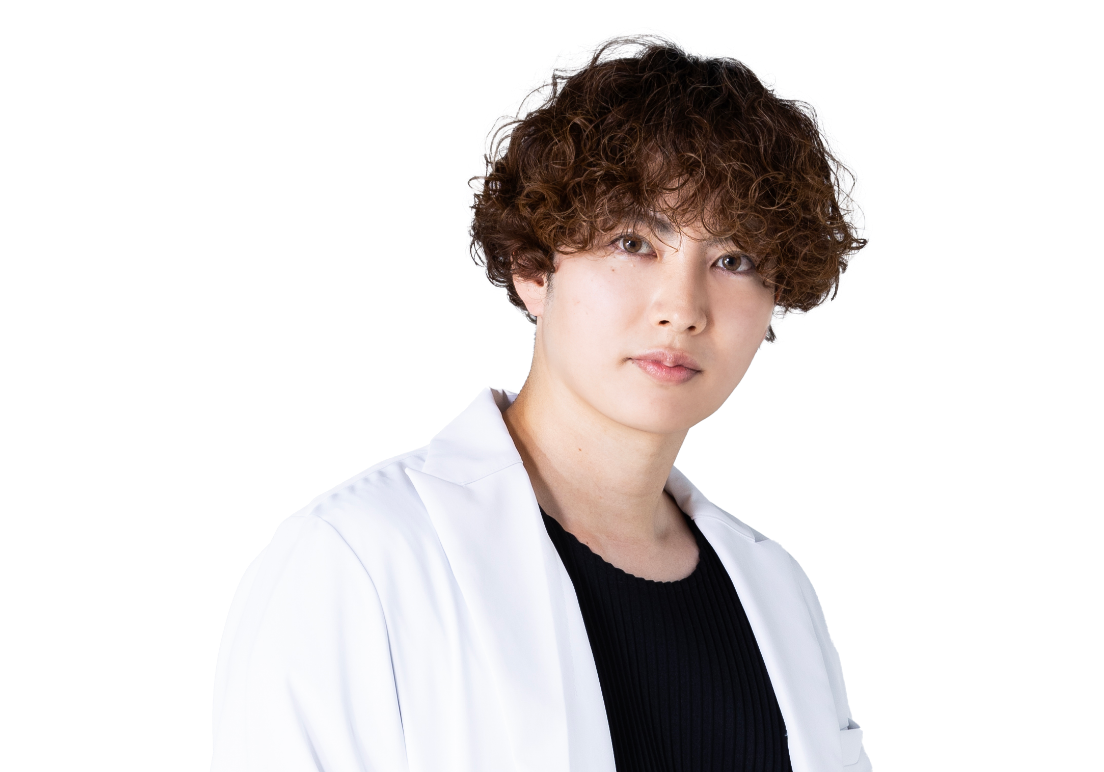
After engaging in general obstetrics and gynecology practice, including infertility treatment, perinatal care, and other insured treatments, I decided to shift my career to free practice and gynecological aesthetics, with the hope of “supporting women to enjoy their life as a woman” after my own experience fighting against illness. Today, while still being involved in insured medical care as an obstetrician/gynecologist, I am facing women's health issues based on medical evidence through "real femtec" such as gynecologic plastic surgery, Vaginal Growth® injections, and vaginal hyaluronic acid injections, based on my deep anatomical knowledge and skills. We are a leading provider of gynecological services in Japan.
She is also committed to social activities related to the dissemination of sex education, HPV vaccine awareness, and the improvement of women's quality of life. He is also actively involved in educating the public about medical knowledge, such as writing Chapter 7, "Vaginal Hyaluronic Acid Injection," in his specialty book, "The Basics of Cosmetic Surgery," which is the first book he reads when he becomes a cosmetic surgeon.

"Even when I look at before-and-after photos of excess skin removal, I'm not sure if they apply to me." "I'm worried about how much skin should actually be removed." There are quite a few people who feel this way as they compare the websites of clinics in Tokyo and Ginza.
First and foremost, I want to emphasize that you shouldn’t judge the quality of a procedure based solely on photographs. It is crucial to determine who is a suitable candidate for a particular surgery and to rely on the surgeon’s understanding of anatomy.
In this article, we’ll provide an easy-to-understand explanation—even for first-timers—covering the basics of excess skin removal, how to correctly interpret before-and-after photos, how to choose a clinic in Ginza, Tokyo, as well as the risks and downtime involved.
The impression conveyed by a photograph can vary greatly depending on the lighting and angle. That is why, while we view case photos (Before & After) objectively as “reference material,” we make our final judgment based on a comprehensive evaluation that includes physical examination and assessment of movement during the consultation.
For those who feel overwhelmed by the sheer volume of information about Tokyo and Ginza, we’ll present the essential insights in a step-by-step manner so you can take that first step with confidence.
[Doctor’s Point]
Since it’s quite difficult to find photos of gynecological cases on social media and the like, one good option is to go to a consultation and ask to see them.
What Is Parenchyma Removal? Let’s Start with a Simple Overview of the Basics
"Prepuce" refers to the skin folds (excess skin) found around the clitoris and labia minora, which vary greatly from person to person.
Removal of excess skin is a procedure to trim part of this excess fold. While it is sometimes considered in conjunction with labia minora reduction, the goal is not necessarily to “make them thinner or shorter.” Rather, the principle is to limit the procedure to the “absolute minimum necessary,” taking into account both functional and aesthetic considerations—such as reducing friction, making hygiene easier, and correcting asymmetry.
The vagina and vulva have a “structural role” in providing protection.
The labia minora protect the vagina and vulva from dryness and irritation, and also help prevent future pain during sexual intercourse.
When removing excess skin, it is not simply a matter of “cutting it off because it’s extra”; rather, the design and extent of the excision must be carefully determined based on an understanding of “how that skin serves a purpose in the patient’s current and future life.”
Common Concerns We Hear in Ginza, Tokyo
-
I'm concerned about chafing and odor from underwear and exercise
-
It's hard to keep clean, and the loose fabric feels like it's catching on things.
-
There's a significant difference between the left and right sides, and I'm concerned about how it looks.
-
I'd like to know if it's better to have this done at the same time as labia minora reduction.
Even at clinics in Tokyo or Ginza, the necessary treatment varies from person to person, even for the same concern. The decision is based not only on appearance but also on findings from the physical examination, such as “areas that are painful to the touch,” “lines that appear when moving,” and “tendency for sweat or secretions to accumulate.”
How to Interpret Case Photos (Before & After): Criteria for Reliable Photos
Before-and-after photos can be helpful, but it’s also true that the impression they give can vary depending on editing and shooting conditions.
In particular, in fields that deal with minute details—such as subcutaneous tissue removal—factors like “the position and angle from which the image was taken,” “the timing (immediately after surgery to several months later),” and “whether lighting or image correction was applied” significantly influence the final appearance of the image.
Even when looking at photos on websites for Tokyo or Ginza, you can make more accurate judgments simply by keeping a few key points in mind.
Key Points to Look for in Before-and-After Case Photos on the Ginza, Tokyo Website
-
Is my posture correct?: In the lithotomy position (a position where the patient lies on the examination table with legs spread apart), is the surgical site clearly visible? If the site is difficult to see, it may be hard to assess.
-
Are the shooting conditions in place?: Are the lighting, angle, zoom, and whether body hair has been removed consistent in the "Before & After" photos? If the light intensity or angle differs, the subject may appear to have "shrunk" or "lost color."
-
Notation of Time Periods: It often takes several weeks for the swelling to subside, so follow-up photos taken over several months can be helpful.
-
Cropping and Mosaic Areas: Has the image been cropped more than necessary? It is difficult to evaluate photos where the surgical site is obscured.
-
Whether or Not Processed: Check for any signs of color correction or skin texture adjustments. Be wary of extremely uniform colors or unnatural shading.
-
Specificity of Descriptions: Does it concisely describe which issues the design addresses, the scope of the design, and how it was designed?
Furthermore, there are cases—though not all—where case photos are embellished or altered to make them appear like “case fraud.”
Take a moment to calmly check whether there are photos taken from multiple angles—such as straight-on, slightly angled, and from the side—as well as close-ups, and whether the descriptions are consistent.
Criteria for Deciding Whether to Take It: People Who Are Suited for It vs. People Who Should Consider It Carefully
People Who May Be Suitable for Subcutaneous Tissue Removal
-
The folds often become sore from intense friction caused by exercise, biking, or walking for long periods of time.
-
I find that discharge tends to build up, making it difficult to stay clean
-
I frequently feel my clothes catching on things, which continues to cause inconvenience in my daily life.
-
I'm planning to have labia minora reduction surgery, and I'd like to improve the balance without compromising function.
For those who want to consider this carefully (please consult your doctor thoroughly)
-
Women who naturally experience severe dryness in the vulva and vaginal area, or who tend to experience dryness around the time of menopause
-
A history of vulvar pain, with pain commonly occurring in the vaginal vestibule or perineum
-
People whose original size isn't very large
-
When there is a strong desire to make changes solely to the appearance, but there are few functional issues
Results, satisfaction, pain, and downtime vary greatly from person to person. Take your time and consider your lifestyle as well as future changes (such as pregnancy, childbirth, and menopause).
The general rule is that clitoral hood removal is “generally unnecessary”: Be wary of upselling
The clitoris is normally covered by skin; it is mobile, and as long as it retracts naturally when necessary, there is no cause for concern.
Excessively reducing the clitoral hood may interfere with sexual function, leading to dryness, chafing, or changes in sensation.
In fact, not many people actually need a clitoral hoodectomy. If you’ve simply asked about having the accessory skin removed but are automatically recommended to have a clitoral hoodectomy as well, it’s a good idea to suspect that you may be facing an upsell (a suggestion to add an unnecessary procedure).
Furthermore, caution is warranted in cases where a doctor describes the parenchyma as “abundant” even though it is actually absent or not a problem, and recommends its removal.
In areas with a high volume of medical information, such as Tokyo and Ginza, there is a tendency for patients to be presented with an excessive number of treatment options. If you are not convinced, be sure to seek a second opinion from another doctor.
Understanding the Role of the Labia Minora and the “Risk of Over-Removal”
The labia minora play an important role in protecting the vagina and vulva from dryness and friction.
During menopause, declining estrogen levels cause the inside of the vagina to atrophy and become dry, and the labia minora also become thinner and atrophy.
If too much tissue is removed when you are young, you may be more prone to dryness, pain during intercourse, and pain from stimulation in the future.
That is precisely why, when performing labial skin excision or labia minora reduction, it is important to design the procedure so that “there is a little extra room rather than too little.” During the procedure, it is essential to carefully assess skin mobility and blood flow and take steps to minimize suture tension.
Choosing a Doctor or Clinic (Tips for Avoiding Mistakes in Ginza, Tokyo)
When it comes to the vulva and the area around the vagina, it is essential to understand the pelvic floor, pelvic floor muscles, nerves, and blood flow.
We recommend doctors who have specialized in women’s health—such as obstetricians and gynecologists or female urologists—and have thoroughly trained in this field.
In some cases, there are doctors who used to work in obstetrics and gynecology but have since switched to cosmetic surgery, yet still present themselves as if they were still obstetricians and gynecologists; there are also doctors who have never worked in obstetrics and gynecology or female urology but portray themselves as specialists in women’s health.
Even some urologists may lack sufficient experience in women’s urology, which may indicate that they have not received adequate training in women’s healthcare.
Unlike when searching in Tokyo or Ginza, don’t let “job titles” mislead you—instead, make sure to verify the doctor’s actual clinical experience, technical skills, and understanding of anatomy.
7 Things to Keep in Mind in Ginza, Tokyo
-
Is the physician a board-certified obstetrician-gynecologist, or do they have specialized training in female urology (including the ability to examine the pelvic floor and pelvic floor muscles)?
-
During the examination, will the doctor assess my range of motion and perform a physical exam, and then explain the findings in terms of both function and appearance?
-
Is it possible to propose “selecting between prepuce removal and labia minora reduction based on symptoms”?
-
Do they recommend clitoral hood removal too readily? (Do they explain that it is truly necessary for only a small number of people?)
-
Does the site clearly state the shooting conditions, timing, and whether any editing was done for the case photos (Before & After) (are there photos showing the crushed stone stage)?
-
Will they explain complications, downtime, and individual differences in detail?
-
Are the costs significantly different from market rates? (Can you clearly explain why they are too low or too high?)
Tokyo and Ginza offer a wealth of information and options. By visiting several clinics, listening to what they have to say, and comparing the consistency of their explanations and whether they offer design proposals that are “right for you,” you’ll be able to make a choice you’re less likely to regret.
How to Think About Costs: Be Wary If Prices Are Too High or Too Low Compared to Market Rates
Costs vary depending on the type of anesthesia, surgery duration, the precision of suturing and design, and the follow-up and aftercare system.
While rents and labor costs tend to be relatively high in central Tokyo and Ginza, it’s not necessarily true that “expensive = good” and “cheap = bad.”
If the price is significantly higher than the market average, carefully check for the possibility of excessive advertising costs or bundled treatments that aren’t necessary; conversely, if the price is too low, check carefully to see if there are risks such as the provider not being able to devote enough time to you, inadequate aftercare, or a lack of experience.
The key to comparing quotes is to look at them as a package—including "where the procedure will be performed, how it will be performed, what type of anesthesia will be used, and what risk information will be provided."
Surgery Process, Pain, and Downtime (Results May Vary)
Generally, the process goes as follows: consultation and design decision → anesthesia (local anesthesia plus intravenous sedation as needed) → incision, hemostasis, and suturing → rest and discharge.
While pain varies from person to person, you may experience a slight prick when the local anesthetic is administered, followed by a stinging sensation that can last from a few days to about a week.
Swelling and bruising typically last 1 to 2 weeks; follow your doctor’s instructions regarding when to resume sitting, walking, exercising, and bathing.
Wait until the wound has healed (usually 2 to 4 weeks or more) before engaging in sexual activity or strenuous exercise. It takes several months for the final results to stabilize.
Potential Risks and Complications
-
Bleeding, Hematoma, Infection
-
Pain, a stinging sensation, or discomfort (mostly temporary, though this varies from person to person)
-
Scars, stiffness, and tightness
-
Asymmetry, excessive or insufficient removal (removing too much or not enough)
-
Worsening dryness or increased chafing (in cases of excessive excision)
-
Changes in Sensation (Caution is advised, especially when combined with clitoral hood removal)
The frequency and severity of these symptoms vary from person to person. Even if you’re receiving treatment at a clinic in Tokyo or Ginza, it’s reassuring to confirm the risks and treatment plan with your doctor before the procedure.
How to Avoid Being Misled by Before-and-After Photos
I’d like to emphasize once again that the before-and-after photos do not guarantee that the same results will be achieved on your body.
In particular, you should exercise caution with photos taken from specific angles, as well as those showing the subject only standing or from only one side.
Please refer primarily to photographs in which the surgical site is visible through the gravel bed, the imaging conditions are appropriate, and the date is clearly indicated.
When browsing information sites about Ginza, Tokyo, prioritizing “ease of evaluation” over “how good it looks” will help you make a more objective judgment.
Privacy and How Consultations Are Conducted (So You Can Speak Freely in Ginza, Tokyo)
Consultations regarding the vulva are a very sensitive matter. Some clinics in Tokyo and Ginza have designated hours during which female staff members handle these consultations.
If you confirm in advance whether you can request a female doctor or female staff, the policy regarding photography (anonymization, storage, and scope of permission for use), and how to be contacted after surgery (emergency contact information via LINE or phone), you’ll feel more at ease and find it easier to discuss these matters.
If you encounter aggressive solicitation or if the conversation jumps straight to discussing costs before any explanation is given, it’s important to have the courage to take some time to think it over.
Using Second Opinions in Ginza, Tokyo
If you're unsure, visit two or three clinics in Tokyo or Ginza to get advice and compare them.
Even for the same condition, the range of treatment options, the extent of excision, the suturing technique, and the anesthesia approach may vary.
Factors such as each clinic’s transparency regarding before-and-after photos and whether they recommend unnecessary treatments are also taken into account in the evaluation.
We recommend finding an OB-GYN or female urologist who specializes in the pelvic floor and pelvic floor muscles, and choosing a doctor who will carefully tailor treatment based on your symptoms.
Summary
Removing the subcutaneous tissue is a delicate surgical procedure in which finding the right balance is crucial—not only for appearance but also to preserve function.
Evaluate case photos (Before & After) in the lithotomy position, under the same conditions, and at multiple time points; take care to avoid photo manipulation or digital enhancement.
Only a small number of people require clitoral hood removal, and casually suggesting it may be an attempt at upselling. The labia minora are vital tissues that protect the vagina and vulva, and removing too much of them can contribute to future dryness and pain during intercourse.
That is why, when seeking consultation in Tokyo or Ginza, you should choose a doctor who specializes in women’s health—such as an obstetrician-gynecologist or a female urologist—and who can examine the pelvic floor and pelvic floor muscles, and make sure they tailor treatment to your specific symptoms.
Advice
If the price is significantly higher or lower than the market rate, be sure to ask for an explanation, and if you’re not satisfied with the answer, seek a second opinion. If you’d like to find out if this is right for you, feel free to contact us for a consultation.
We hope you’ll be able to make thoughtful choices in Tokyo and Ginza that take your lifestyle and future into account.