column (e.g. in newspaper)
2026.08.24
What Are the Early Signs of Hair Loss? A Doctor Explains the Signs of Thinning Hair, Early Symptoms of AGA, and How to Tell the Difference

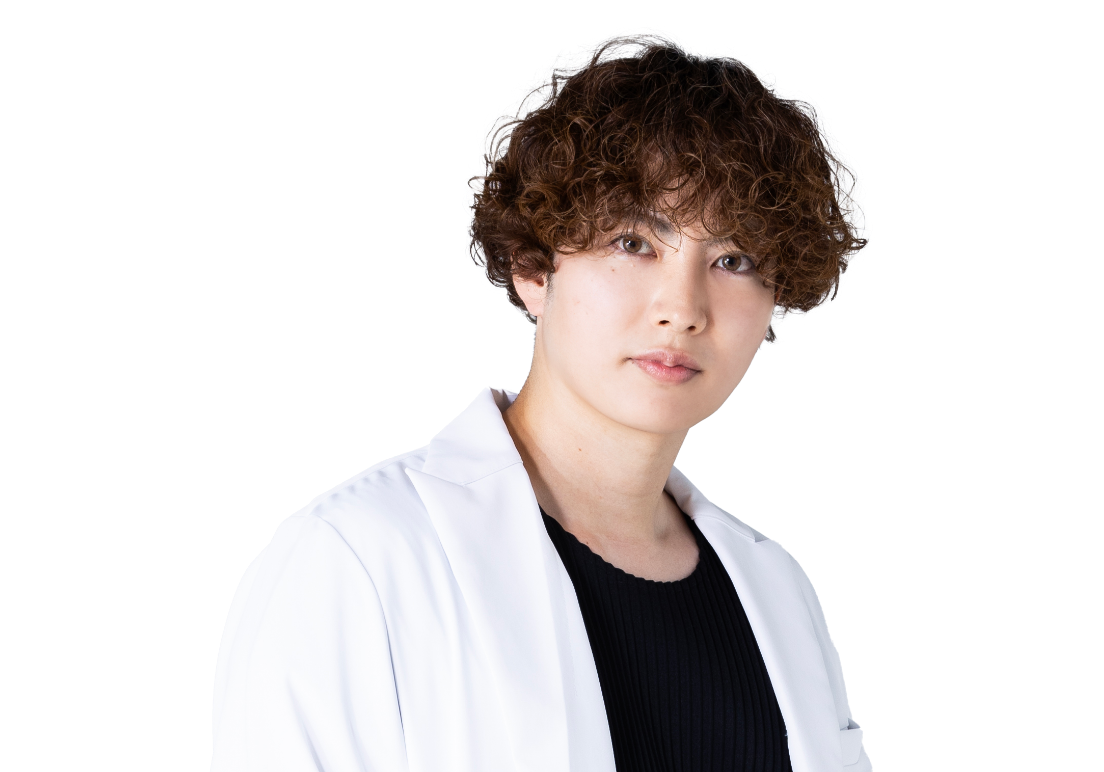
My journey into aesthetic medicine stems from a desire to help enrich and beautify lives beyond simply treating illness. My specialties include hyaluronic acid, Botox, and thread lifts. I provide treatments that enhance each individual's unique qualities and bring out an elegant, natural beauty. For concerns around the eyes that are difficult to improve with dermatology alone, I also perform surgical procedures. By integrating dermatology and surgery, I holistically balance the entire face. With three periods of overseas study, I am also able to provide consultations in English.

"I feel like I've been losing more hair lately," or "My forehead might be getting wider than before." It's not uncommon for patients to come in for a consultation with these kinds of concerns.
Even at cosmetic dermatology, internal medicine, and plastic surgery clinics in Tokyo and Ginza, it has become increasingly common for patients who typically come in for consultations about Botox, liposuction, or breast augmentation to ask about the early signs of hair thinning at the same consultation desk.
Hair thinning—especially AGA—doesn’t happen overnight; instead, the hair gradually becomes finer (miniaturization), and the condition becomes noticeable only after a stage where thick and thin hairs coexist.
In this article, we’ll provide a clear, easy-to-understand overview from a doctor’s perspective—covering everything from how to recognize the early signs of hair loss to self-checks, guidelines for when to see a doctor, and how to choose a clinic in the Ginza area of Tokyo.
Doctors' Point
- One of the most important "early signs of hair loss" is,Not just the number of hairs falling out, but whether your hair is becoming thinner and shorter than beforeIn AGA (androgenetic alopecia), the hair follicles gradually miniaturize, resulting in a mix of thick and thin hairs.
- Male pattern hair loss is generallyHairline, M-shaped area, and crownIt gradually becomes more noticeable due to factors such as these. According to the guidelines of the Japanese Dermatological Association, male-pattern hair loss is defined as a form of hair loss that begins after puberty and progresses gradually.
- You cannot diagnose AGA based solely on the fact that “you’re losing more hair when you shampoo.” In cases of sudden hair loss, it is necessary to rule out conditions other than AGA, such as telogen effluvium, alopecia areata, nutritional deficiencies, and systemic diseases.
- For women, rather than having a significantly receding hairline,The part in my hair is getting wider, my scalp is showing through at the crown, and my hair has lost volume overallThese are some of the changes you might notice.
- If you take photos regularly with your smartphone from the same location, under the same lighting, and at the same angle, it will be easier to compare the gradual changes over time.
AGA is a progressive form of hair loss. Rather than waiting until you’re completely bald to seek treatment,Making an accurate diagnosis during the early stages of changes, such as hair thinningis important.
Are There Really “Early Signs of Balding”?—Focus on “Changes in the Hair Itself” Rather Than the Number of Strands Lost
With certain types of hair loss, such as AGA, there are changes that can be detected even before the thinning becomes visibly apparent.
The key factor is the thinning (miniaturization) of hair. As the growth phase shortens, hair that should grow thick and long falls out while still thin and short, resulting in a mix of thick and thin strands.
Rather than meticulously counting the number of hairs you lose each day, pay attention to changes such as “my hair feels thinner than before,” “I have more short hairs,” or “my scalp shows through when my hair is wet.” These can serve as early warning signs.
Common Signs of Impending Hair Loss
-
My hair has become thinner than it used to be.—A loss of body and thickness is an early sign. Variation in hair diameter (a mix of thick and thin hairs) is commonly observed.
-
There are more short and fine hairs.—If more hair starts falling out before it has fully grown out, you'll notice short strands of hair on your pillow and in the sink.
-
Receding hairline or M-shaped hairline—Changes such as the hairline receding further on both sides and the hair becoming thinner only in the M-shaped area.
-
You can see the scalp on the top of your head—Bright light and wet hair make it easier to notice changes, and comparing photos taken several months apart makes it easier to track those changes.
-
Widening part; loss of volume—These are changes that women in particular tend to notice. A decrease in overall volume—such as a thinner ponytail—is also a clue.
Common Misconceptions: Don't Judge Based on Number Alone; Don't Make Conclusions Based Solely on the Appearance of the Hair Follicles
You can’t make a judgment based on a simple rule like “losing X hairs a day is dangerous.” It varies depending on the season and how often you wash your hair. Also, even if you examine the roots of the shed hairs with the naked eye, you can’t definitively determine whether it’s AGA.
We conduct a comprehensive evaluation of multiple factors, including the pattern of hair loss, hair density, the distribution of hair thickness, and signs of scalp inflammation.
Are dandruff, itchiness, a tight scalp, and a wide forehead early warning signs?
Dandruff and itching are not symptoms specific to AGA. They may also be signs of other skin conditions, such as seborrheic dermatitis.
Neither a stiff scalp nor a naturally wide forehead, on their own, are predictors of AGA. What matters is “how things have changed compared to the past.”
The Relationship Between Age, Stress, Dieting, and Postpartum Symptoms
-
Age: AGA can begin at any time after puberty. Some people notice changes in their hairline or the crown of their head as early as their early 20s.
-
stress: "Telogen effluvium," in which overall hair loss increases several months after a period of severe stress, follows a different course than AGA.
-
diet: Sudden weight loss or nutritional deficiencies can sometimes cause temporary hair loss. In some cases, the condition improves once the underlying cause is addressed.
-
Postpartum: Changes in hormonal levels can sometimes cause temporary hair loss, but in most cases, this subsides over time.
What if the hair loss forms a circular pattern? — A possibility other than AGA
If you notice hair falling out in circular or oval patches, don’t assume it’s AGA on your own—see a doctor. There are other conditions that require different treatments, such as alopecia areata, which involves an autoimmune response.
Tips for Self-Checks: Taking Photos at the Same Location Under the Same Conditions and Comparing "Before" and "After"
-
We take regular photos of the front, hairline, and crown of the head under the same lighting, at the same distance, and from the same angle, and compare them in a "Before & After" format.
-
Factors such as hair wax, wet hair, and strong lighting from directly above can significantly alter how the hair looks. The key is to standardize these conditions.
-
If you look at the gradual changes in the “Photo of the Day” series through “Before & After” comparisons spanning several months, you’ll find it easier to avoid being swayed by your own subjective views.
Evaluation at Medical Facilities: Visualizing “Hard-to-See Differences” Through Magnified Observation (Trichoscopy)
At medical facilities, in addition to visual inspection, magnified examination using trichoscopy and other methods is performed to assess variations in hair diameter, an increase in fine, soft hairs, and changes in the number of hairs per follicle unit.
Even if the hair doesn't appear noticeably thin, close inspection may reveal that it has become increasingly fine.
Consider treatment as soon as possible after confirming whether it is truly AGA.
First and foremost, it is important to identify the cause. Since AGA is a progressive condition, it is worth considering medically recommended treatments as soon as early signs—such as thinning hair—are detected.
On the other hand, if the cause is telogen effluvium, scalp inflammation, or nutritional deficiencies, the treatment approach will differ. Since effectiveness, downtime, risks, and individual experiences vary from person to person, be sure to discuss your options with your doctor before proceeding.
Factors to Consider When Choosing a Clinic in Ginza, Tokyo: The Roles of Cosmetic Dermatology, Cosmetic Internal Medicine, and Cosmetic Surgery, and Their Use of Treatments Such as Botox
There are many cosmetic dermatology clinics, cosmetic internal medicine clinics, and cosmetic surgery clinics in Tokyo and Ginza.
For an initial consultation regarding thinning hair, people tend to feel more comfortable seeking advice from cosmetic dermatology or cosmetic internal medicine clinics with experience in treating skin and hair conditions.
While these clinics may offer a wide range of procedures—such as Botox, liposuction, and breast augmentation—all under one roof, the assessment and treatment of hair loss require a different level of expertise.
-
Cosmetic Dermatology Clinic (Ginza, Tokyo): We specialize in a dermatological approach that includes evaluations of the scalp and hair. We are well-equipped to provide early diagnosis of AGA and consultations on topical medications and lifestyle guidance. Depending on the clinic, we also offer Botox and skin treatments.
-
Cosmetic Internal Medicine (Ginza, Tokyo): This approach allows for a comprehensive evaluation that takes into account nutrition, endocrinology, and lifestyle factors. It’s easy to incorporate internal medicine checkups—such as those for iron deficiency or thyroid issues—and some clinics even offer consultations for Botox injections on the same floor.
-
Cosmetic Surgery (Ginza, Tokyo): While many clinics are well-equipped to perform surgical procedures and injectable treatments—and pride themselves on their track record with procedures such as Botox, liposuction, and breast augmentation—hair loss is generally assessed and treated within the framework of cosmetic dermatology and cosmetic internal medicine.
The key is not to fall for the simplistic assumption that “a clinic offering Botox, liposuction, and breast augmentation is also ideal for treating hair loss,” but rather to choose based on criteria that suit you personally—such as the clinic’s hair treatment system, the thoroughness of its consultations, and its convenience (e.g., easy access in Ginza, Tokyo).
Whether you're visiting a cosmetic dermatology clinic, a cosmetic internal medicine clinic, or a comprehensive clinic with a cosmetic surgery department in Tokyo, it's a good idea to check the details of the consultation options in advance for peace of mind.
The Process for an Initial Consultation at a Cosmetic Dermatology or Cosmetic Internal Medicine Clinic in Tokyo (General Overview)
At cosmetic dermatology and cosmetic internal medicine clinics in urban areas, including Ginza, Tokyo, the first visit typically involves identifying the patient’s concerns, reviewing their medical and family history, assessing their lifestyle habits, examining the scalp and hair (using magnification as needed), and explaining treatment options.
It’s quite common for patients receiving Botox at the same clinic to discuss their thinning hair at the same time.
At comprehensive clinics that also offer cosmetic surgery, even though the reception desk is the same as the one used for consultations on liposuction and breast augmentation, hair loss is carefully evaluated within the framework of cosmetic dermatology and cosmetic internal medicine.
Signs to Consider Carefully and Guidelines for Seeking Medical Attention
-
I started losing large amounts of hair in a short period of time, and the bald patches were round or oval in shape.
-
Severe signs of inflammation, such as redness, pain, and pus on the scalp
-
Hair loss, including eyebrows and body hair, accompanied by severe fatigue and weight changes
-
I noticed significant hair loss after starting the new medication.
These symptoms suggest causes other than AGA. You should have the cause evaluated at a cosmetic dermatology or cosmetic internal medicine clinic in Ginza, Tokyo, or at a general dermatology clinic if necessary. Even clinics that specialize solely in cosmetic surgery may collaborate with cosmetic dermatology and cosmetic internal medicine departments within the same facility.
What You Can and Can't Do Through Lifestyle Changes
Getting enough sleep, eating a balanced diet, avoiding extreme dieting, and managing stress can all be beneficial for your hair.
However, this alone may not be enough to stop the progression of AGA. A realistic approach is to consult with your doctor and strike a balance between adjusting your lifestyle and undergoing medical treatment.
FAQ (Frequently Asked Questions)
Q1. I've been losing more hair. Should I start AGA treatment right away?
First, identify the cause. Hair loss can also increase due to telogen effluvium or scalp inflammation. Get an evaluation at a cosmetic dermatology or cosmetic internal medicine clinic in Ginza, Tokyo, and choose the appropriate treatment.
Q2. How often should I take photos with my smartphone?
We recommend taking photos from the same spot once every 1 to 2 months, using the same lighting, distance, and angle. Comparing "Before" and "After" photos over a period of several months makes it easier to assess changes objectively, without being influenced by personal bias.
Q3. Can I consult about hair loss at a cosmetic surgery clinic in Ginza, Tokyo, that offers Botox, liposuction, and breast augmentation?
Comprehensive clinics often offer a wide range of services. However, actual evaluations and treatments are generally provided within the scope of cosmetic dermatology or cosmetic internal medicine. Be sure to check with the front desk in advance.
Q4. There is a strong family history of this condition. Should I see a doctor even if I don’t have any warning signs?
Although family history is one risk factor, it does not necessarily mean you will develop the condition. If you notice any concerning changes, please consult a cosmetic dermatology or cosmetic medicine clinic in Tokyo or Ginza.
Q5. Can I prevent hair loss just by using a hair growth shampoo?
While it can help maintain a healthy scalp environment, there is no guarantee that it will suppress the underlying pathology of AGA itself. Consult with your doctor to discuss a treatment plan as needed.
Tips for Choosing a Clinic in Ginza, Tokyo (By Keyword)
-
Cosmetic Dermatology: A top choice for an initial consultation regarding hair loss. Ginza, Tokyo offers a wide range of options, and many clinics there also provide skin treatments such as Botox.
-
aesthetic medicine: It’s easy to consult with them on issues related to nutrition and endocrinology. At our general clinic in Tokyo, we collaborate with the cosmetic surgery department; while we share the same reception area as the liposuction and breast augmentation departments, we handle hair-related issues through a dedicated specialist service.
-
cosmetic surgery: Many clinics offer comprehensive services for Botox injections, liposuction, and breast augmentation. Patients with thinning hair are typically referred to cosmetic dermatology or cosmetic internal medicine clinics. One advantage of Ginza is its excellent accessibility, making it easy to visit the clinics.
In each case, the key factors to consider are the clarity of the explanation, the transparency of costs, the burden of clinic visits, and whether the proposal fits your lifestyle.
Taking advantage of their location in Ginza, Tokyo, some cosmetic dermatology, internal medicine, and plastic surgery clinics also offer evening appointments on weekdays and online consultations.
Summary
The most important sign of impending hair loss is not the actual number of hairs you lose, but calmly observing whether your hair has become thinner or shorter than before, and whether the appearance of your hairline, M-shaped receding hairline, or crown has changed over the course of several months.
For self-assessment, taking regular photos under the same conditions and comparing "before" and "after" images can be helpful. In cases of sudden, extensive hair loss, circular bald patches, or severe inflammation, an evaluation is necessary to rule out causes other than AGA.
When it comes to where to seek treatment, cosmetic dermatology and cosmetic internal medicine clinics in Ginza, Tokyo, are generally easy to consult with, and even at comprehensive clinics that also have cosmetic surgery departments, it is common for hair loss to be handled with care through dedicated consultation slots.
While some clinics offer a wide range of procedures, such as Botox, liposuction, and breast augmentation, the diagnosis and treatment of hair loss require a different level of expertise.
Since results, recovery time, and risks vary from person to person, let's take our time, discuss the options, and decide on a plan together.
If you'd like to find out if this is right for you, please feel free to schedule a consultation (available at any of our locations in Ginza, Tokyo—cosmetic dermatology, cosmetic internal medicine, or cosmetic surgery).