column (e.g. in newspaper)
2026.10.24
Is Botox Sensitive to Heat? How Long Should You Avoid Heat? A Cosmetic Surgeon Explains How Heat Affects Its Effectiveness and Post-Treatment Precautions
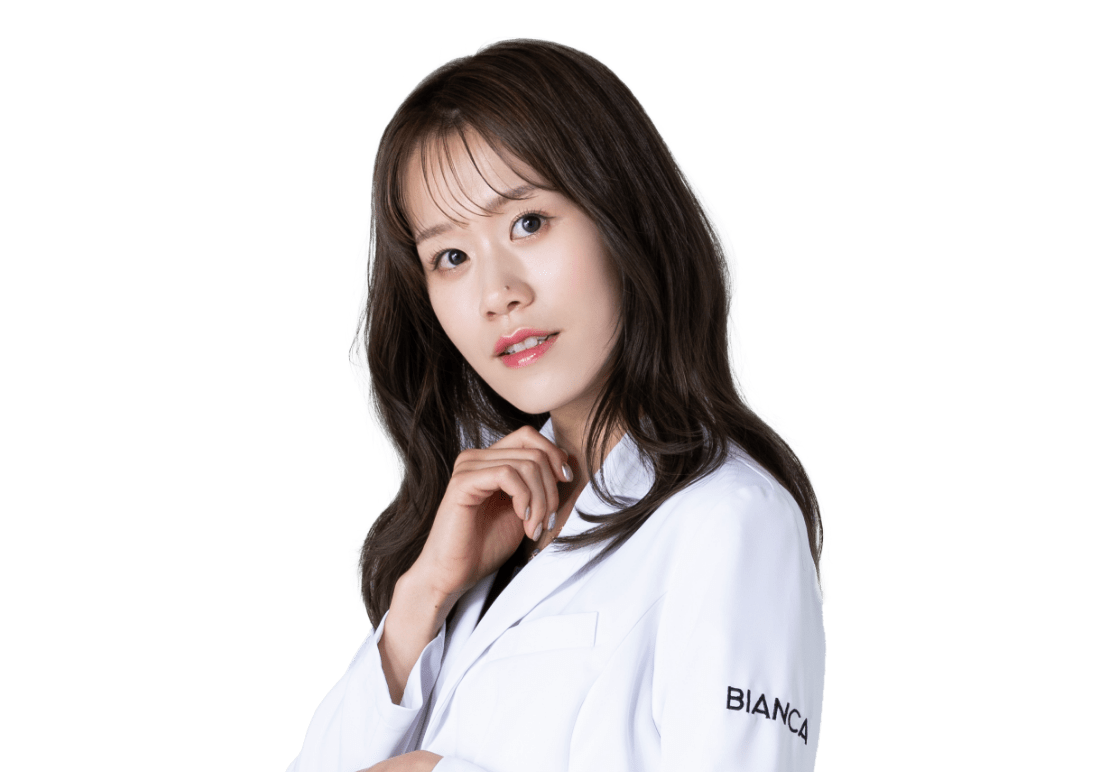
My journey into aesthetic medicine stems from a desire to help enrich and beautify lives beyond simply treating illness. My specialties include hyaluronic acid, Botox, and thread lifts. I provide treatments that enhance each individual's unique qualities and bring out an elegant, natural beauty. For concerns around the eyes that are difficult to improve with dermatology alone, I also perform surgical procedures. By integrating dermatology and surgery, I holistically balance the entire face. With three periods of overseas study, I am also able to provide consultations in English.
 Doctors' Point
“I’ve heard that Botox is sensitive to heat—how long do I need to be careful?” “Will going to the sauna make the Botox lose its effectiveness?” “I accidentally warmed my face after the procedure—is that okay?” We sometimes receive questions like these from patients who have undergone Botox treatment.
It is common for cosmetic clinics to advise patients to avoid saunas, long baths, and strenuous exercise after a procedure. As a result, some people may believe that “Botox is sensitive to heat, so warming up your body will cause it to lose its effectiveness.”
However, the fact that Botox preparations are sensitive to heat and that warming the body after an injection can negate their effects are, from a medical standpoint, separate issues. Botulinum toxin, which is used in Botox, is a type of protein, and proper temperature control is necessary for the storage and preparation of the product.
On the other hand, botulinum toxin injected into the body works by acting on nerve endings to inhibit muscle contraction. There is no clear medical evidence to suggest that the effects of Botox are lost simply because body temperature temporarily rises during a regular sauna session or bath.
In my post-treatment care instructions, I believe it’s important to clearly distinguish between the effects of medications and the impact of the injection on recovery time. Increased blood flow caused by saunas or long baths may make redness, swelling, and bruising more noticeable immediately after the procedure.
For this reason, we recommend that you avoid activities that cause your body to overheat on the day of the procedure and resume such activities the following day or later, while monitoring the condition of the injection site.
In this article, we’ll explore the topic “Botox: Sensitivity to Heat—How Long Does It Last?” from a cosmetic surgeon’s perspective. We’ll explain in detail why Botox is said to be sensitive to heat, how many days you need to be cautious, how saunas, baths, and exercise can affect its results, and what to do if your body gets too warm.
Is Botox Sensitive to Heat? How Long Should You Be Careful? (Botox: Sensitive to Heat—How Long?)
As a pharmaceutical product, Botox is a protein-based biological agent that requires temperature control, such as storage in a cool place. However, once injected into the body, it is taken up by nerve endings and exerts its effects. Even if body temperature temporarily rises due to a sauna or a bath, there is limited scientific evidence to conclusively state that the injected Botox will suddenly break down and lose its effectiveness.
Even at cosmetic surgery, cosmetic dermatology, and cosmetic internal medicine clinics in Tokyo and Ginza, it is common practice to advise patients to avoid excessive heat exposure on the day of the procedure and to resume their normal routine the following day or later, depending on how they feel.
The meaning of “sensitive to heat” differs before and after the injection
・Before injection (drug handling): Proper temperature control is required. Inadequate temperature control may compromise the quality of the product.
・After the injection (inside the body): Even if the temperature inside the sauna is high, your body temperature does not necessarily reach that level. There is little strong evidence to suggest that regular bathing or sauna use directly reduces the effectiveness of Botox.
In other words, this cannot be explained by the simple equation: “Medications stored in the refrigerator = must not be warmed even after injection.” Even in areas like Ginza, Tokyo, where sauna culture is commonplace, you can continue receiving Botox treatments without significantly restricting your lifestyle—as long as you determine the appropriate timing.
How Long Should You Avoid Reheating? Guidelines for 24, 48, and 72 Hours—and What to Keep in Mind
Many people search for “How long does the sensitivity to Botox last?”, but there is no strictly established “correct timeframe.” The reason clinics generally recommend a range of 24 to 72 hours is primarily to allow for a smoother recovery period, rather than due to the medication itself.
Even at cosmetic surgery, cosmetic dermatology, and cosmetic internal medicine clinics in Tokyo and Ginza, it is standard practice to avoid saunas, hot stone baths, long baths, and strenuous exercise on the day of the procedure, and to gradually resume these activities starting the next day if there is no redness, swelling, or pain.
When Should I Start Using the Sauna, Taking a Bath, and Exercising? (Based on Tokyo’s Daily Rhythm)
-
Shower: You can usually shower on the same day. Avoid rubbing the injection site vigorously or exposing it to hot water for long periods of time.
-
A short, lukewarm bath: This may be possible even on the day of the procedure. If there is redness or swelling, refrain from taking a bath.
-
Long baths, saunas, and hot stone baths: As a general rule, consider resuming these activities the next day or later. If symptoms persist, do not push yourself.
-
Intense exercise (running, strength training): Aim to gradually return to your usual intensity starting the next day or later.
-
Alcohol: It's best to wait until the next day or later. If you have redness or bruising, drink in moderation.
The information above is merely a general guideline. Since results vary from person to person, please follow any specific instructions you receive from a cosmetic surgery, cosmetic dermatology, or cosmetic medicine clinic in Tokyo or Ginza.
Why Avoid Heating? — To Minimize Downtime
・Redness may become more noticeable due to vasodilation
・Increased blood flow may accentuate bruising
・Exacerbation of temporary swelling and puffiness
Since these symptoms “may be more likely to occur” during sauna sessions or long baths, it’s practical to avoid them just for that day and see how you feel. The idea that Botox’s effects are washed away by sweat or disappear simply due to heat is an oversimplification.
How Many Heats Will Ruin It? Misconceptions About Temperature and Effectiveness
We often receive the question, “Does it lose its effectiveness at 40°C?” However, there is no established clinical standard regarding the temperature at which the vaccine becomes inactive inside the body after injection.
Bath temperature does not equal body temperature; core body temperature remains constant. Even for those who enjoy hot spring facilities in Ginza, Tokyo, it is perfectly realistic to avoid visiting on the day of the event and instead resume visits the next day or later, while monitoring how you feel.
Approaches by Body Part (Forehead, Jawline, Shoulders, Underarms)
・Forehead, between the eyebrows, and outer corners of the eyes: Since redness tends to show up easily on the face, it’s best to avoid high temperatures on the day of the event.
・Jaw (masseter muscle): Changes in volume occur on a weekly to monthly basis. There is little evidence to suggest that the effects disappear immediately from regular sauna use or bathing.
・Shoulder: Be aware of any discomfort at the injection site or changes in muscle strength. Be more mindful of overuse than of high temperatures.
・Underarms: The sweat-inhibiting agent does not mix directly with the sweat itself. Avoid irritation on the day of application, and resume use the next day or later after monitoring the area.
Factors That Affect the Duration of Botox
The duration of the effects depends on the dosage, muscle condition, body part, and individual differences. It is not determined solely by the number of sauna sessions. Rather, proper planning—delivering the necessary amount to the right muscles in a balanced way—is key.
Consult with trusted cosmetic surgery, cosmetic dermatology, and cosmetic internal medicine clinics in Ginza, Tokyo, to develop a treatment plan that’s just right for you. When evaluating “Before & After” photos, it’s important not to simply “strongly discourage” certain procedures, but to assess them based on natural results and the quality of facial expressions.
Where Should You Go for Consultations in Ginza, Tokyo? How to Choose Between Cosmetic Surgery, Cosmetic Dermatology, and Cosmetic Internal Medicine
・Cosmetic Surgery: We offer consultations on a wide range of procedures, from planning injection treatments to surgical procedures (including liposuction and breast augmentation).
・Cosmetic Dermatology: Specializes in designing treatment plans that combine injections and skincare from a dermatological perspective.
・Cosmetic Internal Medicine: This may be suitable for those who wish to undergo injection treatments in conjunction with general health management and internal medical evaluations.
Even among Tokyo’s wide range of options, the Ginza area is home to a concentration of cosmetic surgery clinics, cosmetic dermatology clinics, and cosmetic medicine clinics, making it an ideal place to seek advice on Botox. We recommend scheduling consultations at several clinics to assess which one is the best fit for you—consider factors such as how they present “before and after” results, the level of detail in their explanations, and their consideration for your daily life.
Comparing the “Recovery Process” for Liposuction and Breast Augmentation
Even within the same field of cosmetic surgery, the lifestyle precautions differ between Botox and procedures such as liposuction and breast augmentation. Liposuction often requires precautions beyond simply avoiding heat, such as compression and a period of rest, while breast augmentation requires attention to swelling and range of motion. Botox is generally considered to have relatively minimal downtime, but the results, as well as the extent of swelling and bruising, vary from person to person.
When choosing between Botox, liposuction, or breast augmentation at a cosmetic surgery clinic in Ginza, Tokyo, it’s practical to consider not only your desired results but also how the procedure fits into your daily routine—including work, household chores, and exercise habits.
It’s worth noting that while some cosmetic dermatology and internal medicine clinics in Tokyo may not offer liposuction or breast augmentation, Botox treatments are widely available. In areas like Ginza, where there are many options, carefully assessing each clinic’s areas of expertise is key to ensuring your satisfaction.
If you end up reheating it on the day itself
Even if you use a sauna or take a long bath on the day of your treatment, you shouldn’t automatically assume that the effects of Botox will wear off immediately. First, check the injection sites for redness, swelling, pain, or bruising. If you notice any concerning symptoms, please consult the cosmetic surgery, cosmetic dermatology, or cosmetic internal medicine clinic in Ginza, Tokyo, where you received your treatment.
Cooling can help relieve discomfort, but avoid applying strong pressure or overcooling the area.
How to Properly Interpret "Before & After" Images
When looking at “Before & After” photos, focus not only on the extent of the change but also on the naturalness of facial expressions, the balance between different facial features, and how the photos are affected by lighting and angles. When viewing multiple “Before & After” photos at clinics in Tokyo or Ginza, use whether the results blend in with your everyday facial expressions and lifestyle as your criteria.
Since the impression can vary depending on camera settings, it is wise to make a comprehensive judgment based on the doctor’s explanation as well.
Frequently Asked Questions (FAQ)
Q1. How long does Botox remain sensitive to heat?
There is no set number of days. The main purpose is to minimize downtime; please refrain from applying heat on the day of the procedure, and consider resuming the activity the following day or later, depending on how you feel.
Q2. When can I start using the sauna?
In most cases, you can start the next day or later. If there is no redness, swelling, or pain, you can start with a short session. If you’re using a sauna facility in Ginza, Tokyo, start off gently at first and see how you feel.
Q3. Does sweat wash away Botox?
The idea that active ingredients are excreted along with sweat is an oversimplification. It cannot be said that the effects disappear solely because of sweating.
Q4. What about hair dryers and hot towels?
There is limited evidence that the product's effectiveness wears off with normal use. However, on the day of application, avoid exposing the area to high temperatures for extended periods or subjecting it to vigorous friction.
Q5. What are some tips for making Botox last longer?
The key lies in determining the appropriate dosage, assessing muscle condition, establishing treatment intervals, and designing a holistic balance. Please consult with a cosmetic surgery, cosmetic dermatology, or cosmetic internal medicine clinic in Ginza, Tokyo, to discuss a plan that fits your lifestyle.
About Consultations in Ginza, Tokyo (A Gentle Guide)
Even with the busy pace of life in Tokyo, Botox treatments can be easily incorporated into your daily routine. The Ginza area is home to a concentration of cosmetic surgery, cosmetic dermatology, and cosmetic internal medicine clinics, allowing you to compare and consider a wide range of options—including not only Botox but also liposuction and breast augmentation.
We don't pressure you into making an appointment. If you're wondering whether this is right for you, feel free to reach out for a consultation—think of it as looking for a doctor who's a good fit for you.
Summary
While Botox requires temperature control as a pharmaceutical product, there isn’t much strong evidence to suggest that its effects are directly diminished by a regular sauna or bath after the injection. In practice, it’s best to avoid excessive heat on the day of the treatment and gradually resume your normal routine starting the next day, while monitoring for any redness, swelling, bruising, or pain.
Such preventive guidance is also common at cosmetic surgery, cosmetic dermatology, and cosmetic internal medicine clinics in Ginza, Tokyo. Since the precautions differ from those for other cosmetic surgical procedures, such as liposuction and breast augmentation, it’s recommended that you choose a clinic that fits your lifestyle when comparing your options.
Keep in mind that results, pain, downtime, duration of effects, and risks vary from person to person. Be sure to proceed only after receiving a thorough explanation—including how to interpret “Before & After” photos—that leaves you fully satisfied. If you’re interested in trying Botox in Tokyo or Ginza, don’t be overly afraid of the “hype”; just follow the medically necessary precautions and approach cosmetic procedures in a way that’s comfortable for you.