column (e.g. in newspaper)
2026.07.10
Achieve an Elegant, Youthful Look with a Mini Forehead Lift: A Comprehensive Guide Covering Incision Sites, Fixation Methods, and Downtime

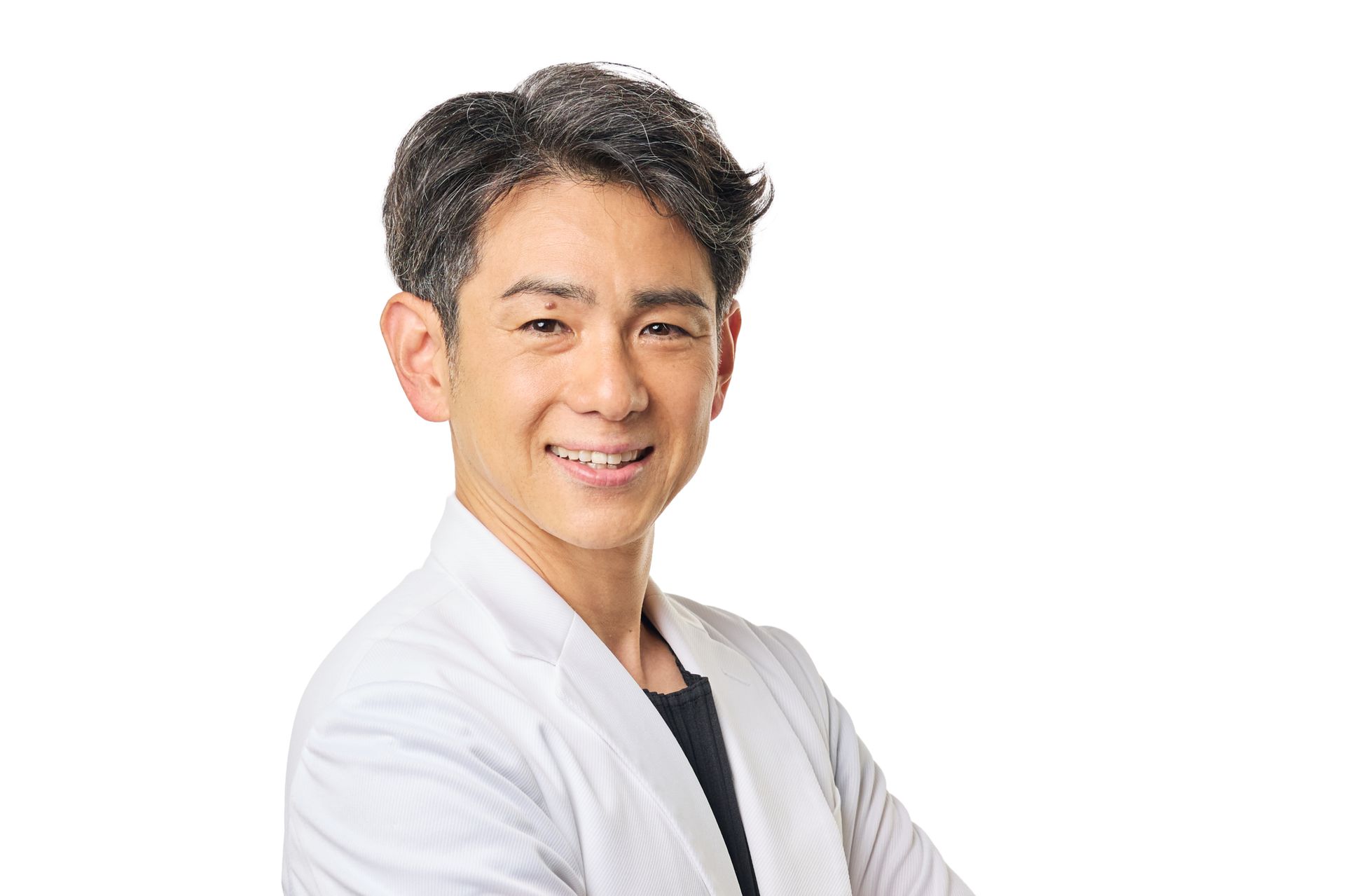
Engaged in both aspects of cosmetic dermatology and cosmetic surgery, he is an all-rounder doctor who pursues natural and elegant beauty with "the best interest of the patient" as his first priority. He is also a board-certified cosmetic surgeon by the Japanese Society of Aesthetic Plastic Surgery (JSAS). He specializes in hyaluronic acid injections, thread lifts, and facial surgery, and is a competent KOL (Key Opinion Leader) for ARTEMISLIFT and Hydro Rejuran. He is always sensitive to the latest trends and is always exploring knowledge and techniques.

A forehead mini-lift is a cosmetic procedure that uses minimal incisions to correct mild to moderate sagging and wrinkles from the forehead to the brow area, as well as brows that appear too low, lifting them into a more upward position. It is characterized by being less invasive than a full facelift while achieving a natural rejuvenation that preserves the subtleties of facial expressions.
Thanks to advances in cosmetic surgery, techniques for incision lines and fixation methods have become more refined, and greater consideration is now given to facial muscles, making it easier to predict the recovery process. To ensure even first-time readers can easily understand the subject, this article provides a detailed explanation—covering standard approaches in cosmetic surgery—of indications, surgical procedures, complications, aftercare, and estimated costs.
The Role of the Forehead Mini-Lift in Cosmetic Surgery
A mini forehead lift is a minimally invasive procedure designed to refine the contours and texture of the “upper face” (the upper third, according to the three-part division).
Compared to a full forehead lift or an endoscopic brow lift, this procedure makes it easier to minimize the length of the incision and the extent of dissection. It is suitable for individuals with mild to moderate eyebrow ptosis who are concerned about horizontal wrinkles or a stiff appearance between the eyebrows.
This is an option when non-surgical approaches, such as Botox treatments or hyaluronic acid injections, do not produce sufficient results, or when you want to achieve a more natural-looking lift of the upper eyelid.
In cosmetic surgery, we conduct a comprehensive evaluation of the skeletal structure, facial muscles, skin elasticity, and hair density (particularly at the hairline), and design the procedure either as a standalone treatment or in combination with procedures such as a temporal lift or upper blepharoplasty.
Guidelines for Eligibility and Key Points for Counseling
When determining eligibility, we place emphasis on the following factors in accordance with the framework for cosmetic surgery consultations.
-
As we age, the position of the eyebrows drops slightly, causing the upper eyelids to appear heavy and the field of vision to feel narrower.
-
Horizontal wrinkles on the forehead and vertical wrinkles between the eyebrows have become permanent, making one’s expression appear stern.
-
There is sufficient hair density at the hairline, making it easier to conceal the incision line
-
I’d like to keep downtime to a minimum, but I’m looking for results that non-surgical procedures alone can’t achieve.
During the consultation, we’ll use a mirror to perform a lift test, conduct a simple simulation, and review “Before & After” examples to help us agree on the desired outcome.
We will carefully assess any asymmetry, tendency to form keloids, medical history, current medications, and the effects of smoking, and work with you to establish realistic expectations.
Surgical Design and Variations in Surgical Techniques (From a Cosmetic Surgery Perspective)
When planning a mini forehead lift, it is essential to strike the right balance between “where and how much to lift, and where to leave untouched.” Generally, a short incision is made at or just behind the hairline, and a soft lift is performed with minimal subcutaneous dissection.
Anesthesia typically consists of local anesthesia combined with intravenous sedation, and the procedure generally takes about 60 to 120 minutes. In cosmetic surgery, we ensure a natural appearance by designing the procedure to “avoid excessive lifting,” taking into account the patient’s medical history and skin elasticity.
Incision Sites and Scar Management
The incision can be made either at the hairline or within the hair. An incision at the hairline can make the forehead appear shorter, while an incision within the hair tends to make the scar less visible but does not change the height of the forehead.
Scars are less noticeable when made with fine, jagged (zigzag) incisions that mimic hair growth. After surgery, we use taping, UV protection, moisturizing the wound area, and early scar care to improve the texture of the scar.
Adjusting the Balance Between Facial Muscles and Eyebrows
If necessary, we’ll perform a partial release of the corrugator supercilii muscle (which causes vertical wrinkles between the eyebrows) and the procerus muscle to soften the harsh shadows between the eyebrows.
On the other hand, since excessive treatment of the frontalis muscle can result in a lack of facial expression in the forehead, we keep it to a minimum.
Preservation of the sensory nerves (superior orbital nerve and supraorbital nerve) and blood supply is essential, and the surgeon’s experience is reflected in the selection of the direction of traction and fixation points during surgery.
Downtime, Recovery, and Aftercare (Cosmetic Surgery Standards)
Swelling and bruising generally peak 2 to 3 days after surgery and become less noticeable within 2 to 3 weeks. Sutures are typically removed after about 7 days, and you may resume washing your hair 48 to 72 hours after surgery, with your doctor’s approval.
It is safest to wait about a week before returning to light activities and 2 to 3 weeks before engaging in strenuous exercise. Keep your head elevated (while sleeping), apply ice, and take your prescribed pain medication to minimize discomfort.
Our postoperative protocol for cosmetic surgery provides step-by-step guidance on keeping the incision site clean, refraining from smoking, limiting alcohol consumption, protecting the skin from the sun, and when to resume wearing makeup (typically after 7 days).
-
Sample Follow-up Schedule: The day after surgery (wound check) → 7 days (suture removal) → 2 weeks (check for asymmetry and swelling) → 1–3 months (assessment of final results)
-
Signs that require immediate medical attention: sudden swelling or bleeding, persistent severe pain, fever, purulent discharge from the wound, or significant deformity on one side only
Complications and Risks, Informed Consent
Major risks include hematoma, infection, hypertrophic scarring, temporary hair loss along the hairline, numbness (decreased sensation), asymmetry, overcorrection or undercorrection, and recurrence of ptosis.
While most cases improve over time or with appropriate treatment, in rare cases, corrective measures may be necessary.
Safety management in cosmetic surgery involves comprehensive oversight of all aspects, from screening for cardiovascular and coagulation disorders, taking a smoking history, ensuring thorough hemostasis during surgery, maintaining aseptic technique, and proper immobilization, to the postoperative follow-up system.
Longevity of the Finish and Maintenance
Although the duration varies from person to person, reports generally indicate that mild lifts last 3 to 5 years and moderate lifts last 5 to 7 years.
Protection from UV rays, adequate moisturizing, quality sleep and nutrition, and correcting facial habits all contribute to maintaining your results.
As part of a maintenance regimen, systematically combining Botox treatments for expression lines between the eyebrows and on the forehead with laser toning and RF treatments to improve skin texture can help maintain skin quality without resorting to excessive repeat surgeries.
Typical Before & After Examples and the Treatment Process
In terms of "Before & After" results, for patients in their late 30s to 40s whose main concern is a slight drooping of the entire eyebrow, the heaviness of the upper eyelid is reduced, giving the eye area a fresher appearance.
For people in their 40s and 50s with noticeable horizontal forehead wrinkles, the tension between the eyebrows is relieved, resulting in a gentler facial expression.
In both cases, the key to achieving a natural look is a design that avoids "overdoing it."
Please note that “Before & After” results vary depending on individual skeletal structure, skin elasticity, and lifestyle habits, and we cannot guarantee the same results for everyone.
-
Appointment to Initial Visit: Clarifying your goals and concerns, reviewing medical history and current medications, and taking photos (for standardized “Before & After” comparisons)
-
Consultation: Using a mirror to agree on the direction of elevation, proposing incision sites, explaining downtime and risks, and completing the consent process
-
Preoperative Preparations: Blood tests, imaging, smoking cessation and medication adjustments, and instructions regarding meals and items to bring on the day of surgery
-
Day of Surgery: Marking → Anesthesia → Incision and Dissection → Fixation → Suturing → Compression and Cooling
-
Postoperative Care: Pain and swelling management, wound care, suture removal, and rehabilitation to re-learn facial balance
Estimated Fees and Cost Breakdown (Transparency in Cosmetic Surgery)
Fees vary depending on the clinic’s structure and the complexity of the procedure, but the costs are generally broken down into the following categories: “basic surgical fee (planning and procedure),” “anesthesia and sedation,” “facility and materials,” “medications,” and “postoperative follow-up.”
Additional charges apply if you choose to add endoscopic assistance, device fixation, or enhanced intravenous sedation as optional services.
In cosmetic surgery, it is recommended that clinics clearly present a breakdown of the estimate and explain in advance their policies regarding follow-up visits and revisions, cancellation policies, and whether installment payments or medical loans are available. Some clinics offer the initial consultation for free or at a low cost.
Key Considerations for Choosing a Clinic Based on Cosmetic Surgery Standards
When choosing a clinic, be sure to check the attending physician’s area of expertise, standardized “before and after” photos, consistency in explanations of incision lines and fixation methods, safety measures (emergency response procedures and equipment), the aftercare system, and the transparency of the estimate.
Membership in professional societies, training history, presentation history, and the number of “before and after” cases can also serve as useful reference information.
A cosmetic surgery facility with a system that facilitates collaboration across multiple medical specialties (such as dermatology and anesthesiology) has a distinct advantage when it comes to the initial response to complications.
Frequently Asked Questions (FAQ)
How much pain are you experiencing?
Although symptoms vary from person to person, the main symptoms for the first few days after surgery are a feeling of tightness and dull pain, which can be managed with the prescribed pain medication. Please contact us immediately if you experience persistent severe pain.
How long will it take for it to look natural?
Swelling peaks within 2 to 3 days and generally subsides within 1 to 2 weeks. The final texture typically takes about 3 months to fully develop.
Is the scar noticeable?
With careful design of the hairline, proper suturing techniques, and scar care, most scars become less noticeable. If you are prone to scarring, please let us know before surgery so we can discuss the specific risks and countermeasures in detail.
What is the difference between a mini lift and a blow lift?
Both procedures adjust the position of the eyebrows, but the forehead mini-lift allows for easier fine-tuning of the overall texture and vertical width of the forehead and offers greater flexibility in the incision site. The brow lift is best suited for fine adjustments directly above the eyebrows.
Can I receive this treatment at the same time as other treatments?
These procedures may be performed on the same day as upper eyelid surgery, a temporal lift, or Botox treatment for expression lines. We design a comprehensive plan that balances safety and downtime.
What types of people are ineligible?
Careful consideration is required for patients with severe skin laxity requiring extensive skin grafting, those with poorly controlled underlying medical conditions, those who are unable to quit smoking, and those with a strong tendency to develop keloids. Each case will be evaluated individually during a consultation at our cosmetic surgery clinic.
Summary
A mini forehead lift is an effective option for elegantly refining the appearance of the brow area and forehead, while minimizing incisions and sutures. When carefully evaluated, designed, performed, and followed up on according to cosmetic surgery standards, it can deliver natural and long-lasting rejuvenation.
First, schedule a consultation at a reputable cosmetic surgery clinic, and use “Before & After” photos as a reference to develop a plan that suits your facial structure and lifestyle.
If you provide us with your clinic’s specific data (number of “Before & After” cases, physicians’ areas of expertise, facilities, and pricing structure), we can customize the general guidance provided in this article into specific content for your official website.