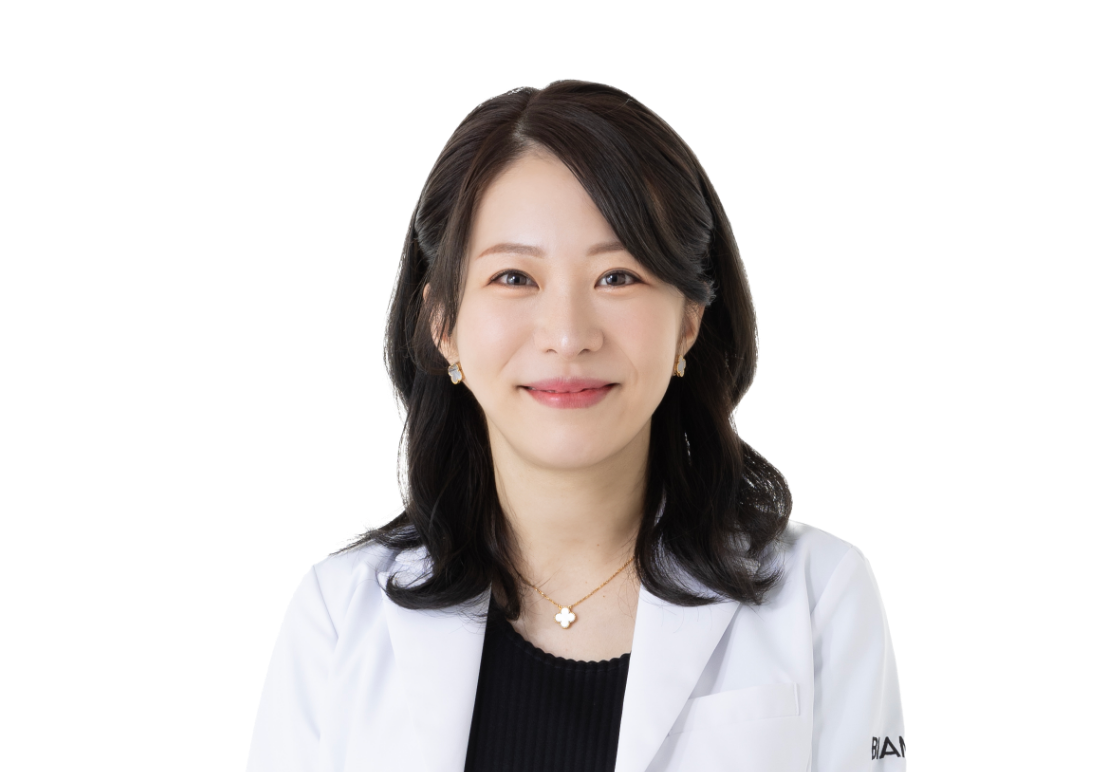
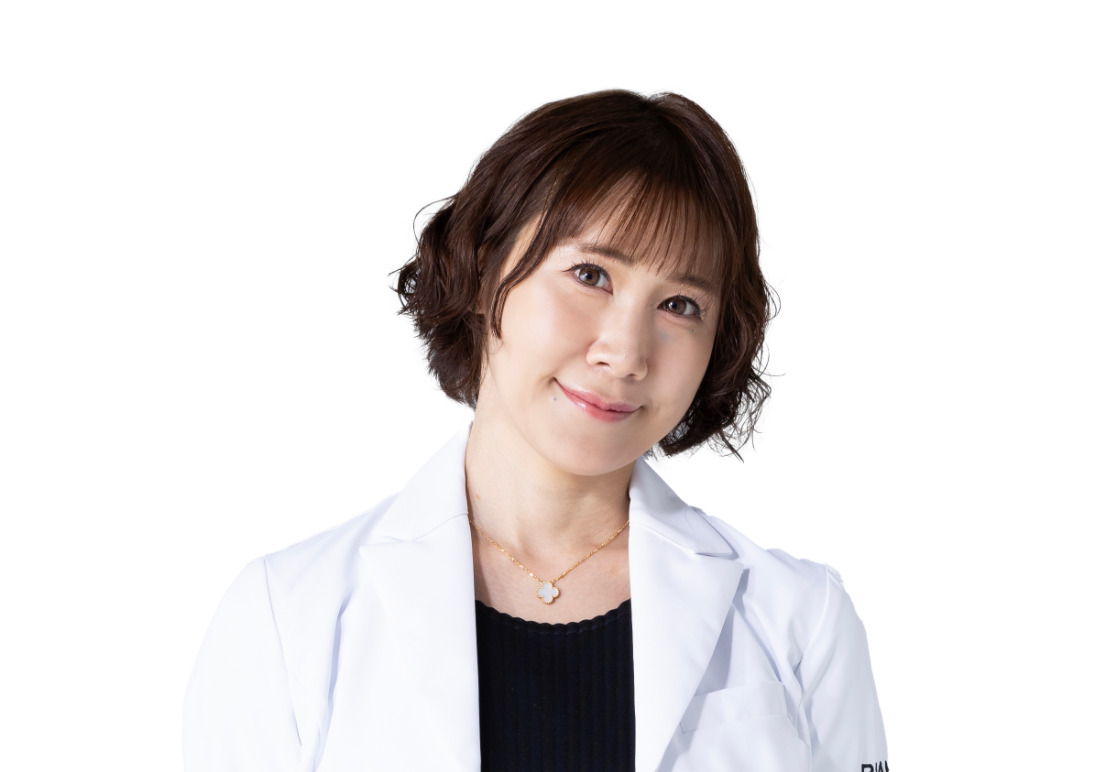
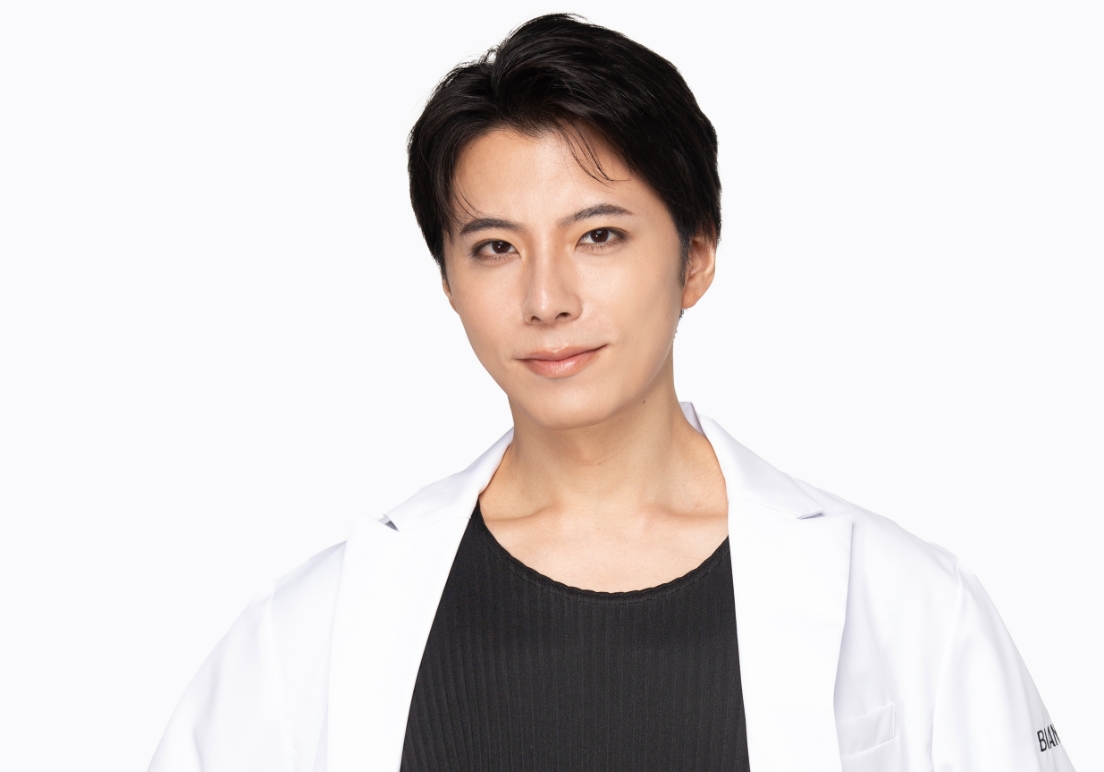
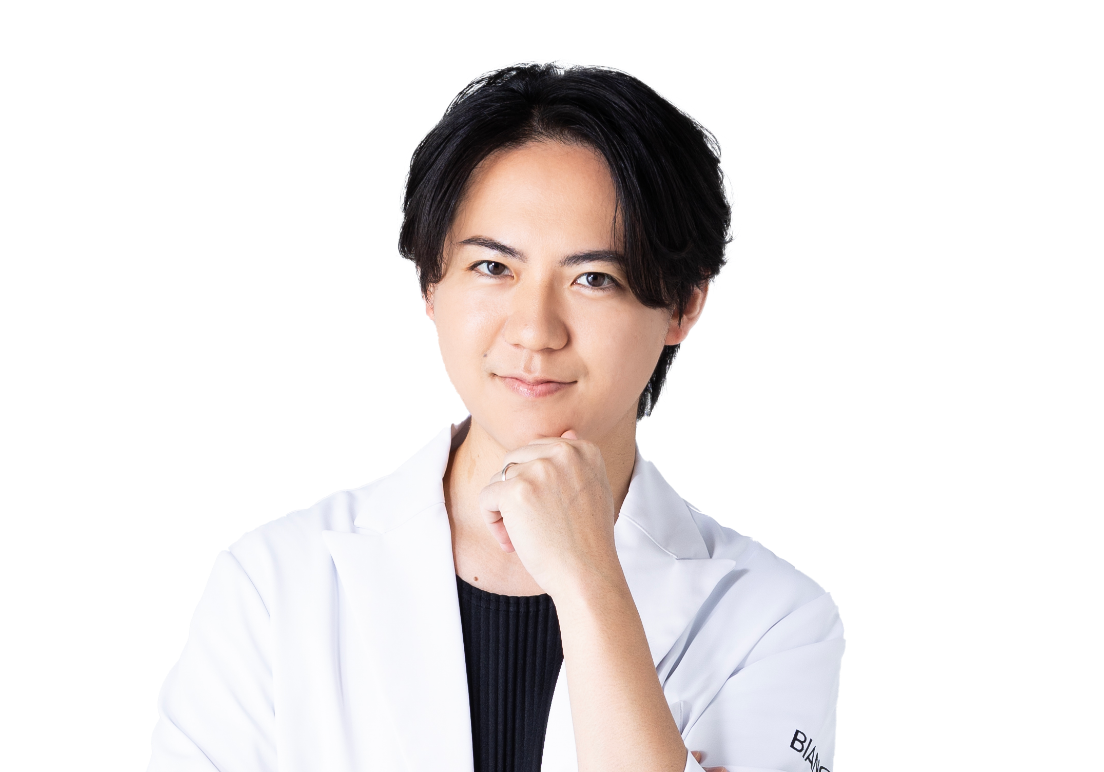
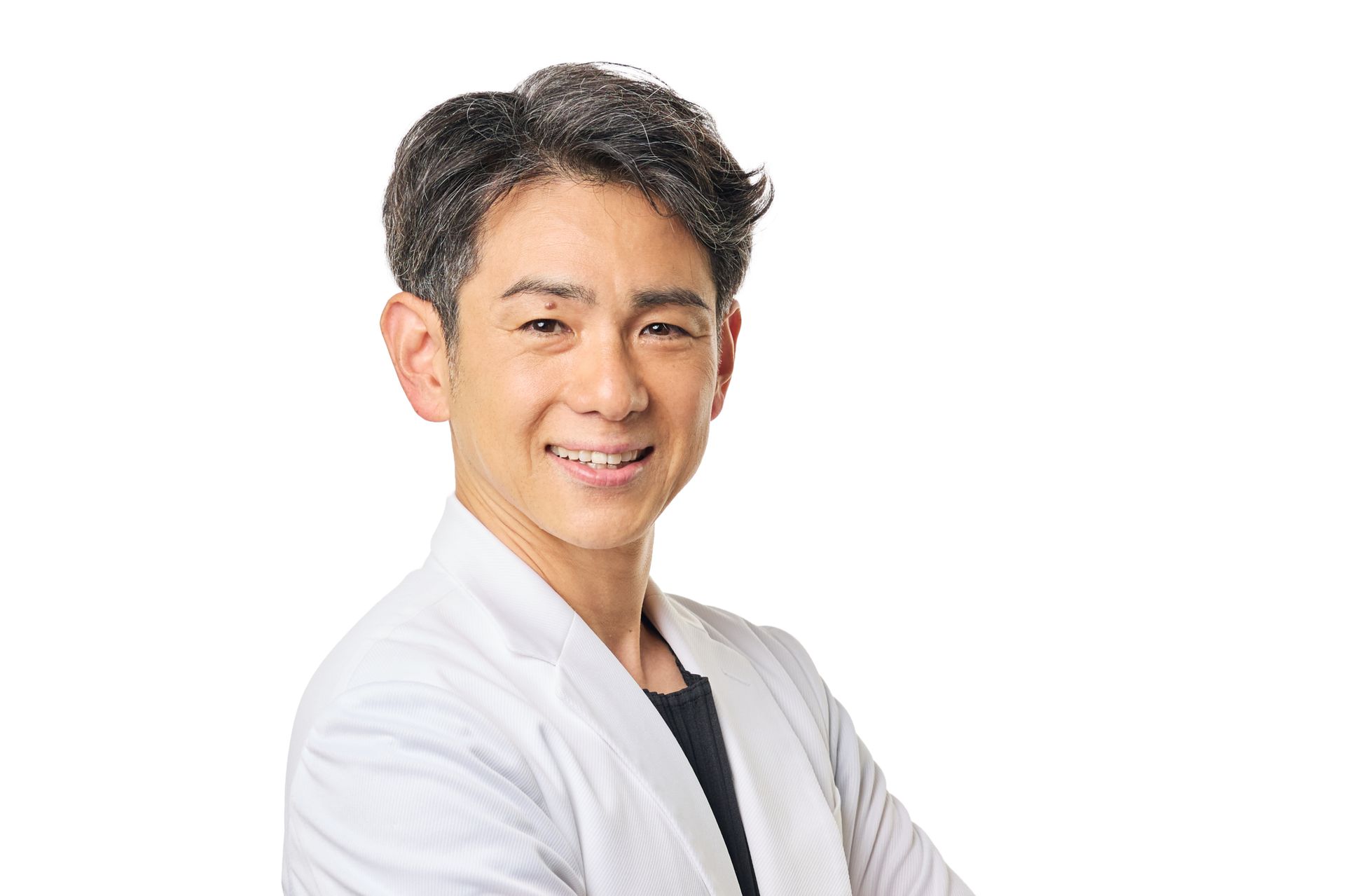
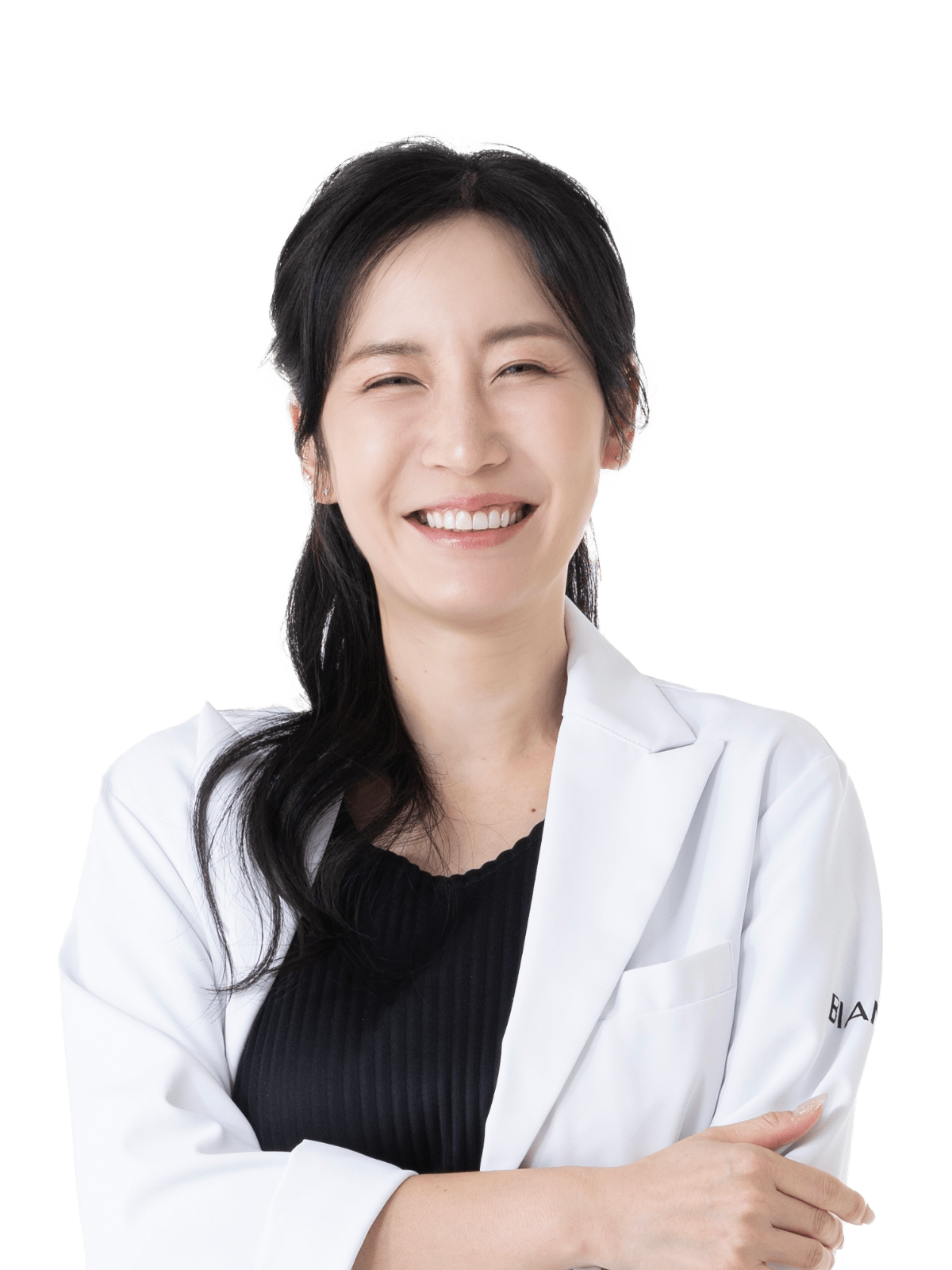
Hatate, Ariko
2026.11.04
If I want to consult a cosmetic doctor about sagging skin on my face, what should I have them look at first?

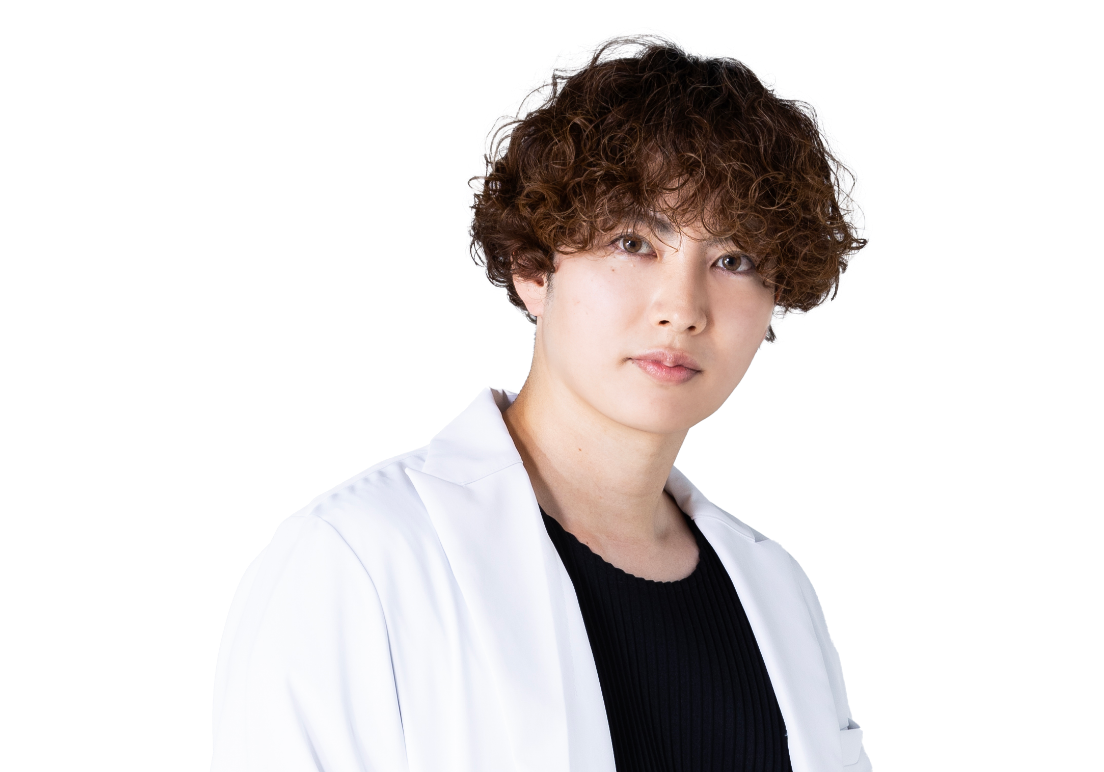
As a plastic surgeon, he has experienced many cases and has developed precise techniques and a deep anatomical understanding. Currently, combining his knowledge of plastic surgery with the latest technology, he provides a wide range of cosmetic treatments for skin, contouring, sagging, and other concerns of aging. He has also shared the responsibility of writing Japan's first textbook on gynecological cosmetic surgery, "Basic Techniques of Gynecological Cosmetic and Plastic Surgery. From her experience as an idol during medical school, she realized that "natural beauty" goes beyond the will to choose how you want to be, and she focuses on supporting her patients to "love yourself more every day". We are English-speaking and value counseling that is easy to talk to.

"My jawline has been looking less defined lately," or "I feel like my cheeks have sagged." If you're concerned about sagging skin and have looked into cosmetic procedures, you may have found that there are so many different treatments available that you're not sure which one is right for you.
During a consultation, we examine not only the areas of concern but also the surrounding contours—such as bulges and hollows—as well as the overall balance of the face. In this article, we’ll explain four key points to keep in mind when discussing sagging skin for the first time, as well as what we’d like you to share during your consultation.
4 Key Points to Check During an Examination for Facial Sagging
Even if the cheeks and mouth area appear saggy in the same way, the treatment approach will differ depending on whether the issue is primarily due to loose skin or is also related to changes in the fullness of the cheeks. First, let’s look at the main points we examine during a consultation.
1. Skin laxity and firmness
We’ll determine whether your skin’s elasticity has decreased or if your skin has become loose and saggy. It’s important to distinguish between fine lines and a lack of firmness on the skin’s surface and sagging that alters the shape of your cheeks and jawline.
Is improving skin firmness enough to meet your expectations, or do you also need to address excess skin? We’ll compare your desired results with the changes that can be achieved through treatment.
2. Sagging of the tissues in the cheeks and around the mouth
We examine the position of the cheeks, sagging around the mouth, and changes in the jawline to determine whether tissues such as fat beneath the skin have sagged.
However, even if certain areas appear saggy, this isn’t necessarily due solely to the position of the tissue. We also examine any surrounding hollows and the thickness of the fat layer to determine whether the issue can be addressed by tightening the skin or whether a lifting procedure is necessary.
3. Reduction in Fat Thickness and Cheek Fullness
When the fullness in the upper cheeks diminishes or hollows form in the cheeks or temples, the resulting shadows and unevenness compared to the surrounding areas can emphasize sagging around the mouth. On the other hand, the thickness of fat in areas such as under the chin can also affect the appearance of facial contours.
During the consultation, we’ll focus on areas where you’re concerned about thickness and areas where volume has decreased. Rather than simply slimming down the entire face uniformly, we’ll also consider which areas to preserve and which areas need to be enhanced.
4. Balance Between the Skeletal Structure and the Face as a Whole
The shape of the cheekbones, the shape of the jaw, and any natural asymmetry can all affect the contours of the face and how shadows fall. It’s important to consider not only the front view but also the impression from oblique and side angles during the examination.
For example, if you're concerned about nasolabial folds, we examine not only the depth of the lines but also the position of your cheeks and the hollows beside your nostrils. By looking at how the area of concern relates to the surrounding areas, we determine where treatment is needed.
Aesthetic Medical Options for Treating Facial Sagging
There are various approaches to treating facial sagging, including thermal tightening, thread lifts or surgical lifts, and volume restoration through injections. The following are some of the representative treatments offered at BIANCA CLINIC.
-
RF (Radiofrequency) Therapy:A method that uses high-frequency current to generate heat in the skin and subcutaneous tissue, with the goal of tightening the skin. Volnuma is one of the treatment devices that uses RF.
-
HIFU (High-Intensity Focused Ultrasound):Ultrasound waves are focused at a specific depth to generate heat, with the goal of tightening sagging skin. Our clinic uses the UltraCell Zi HIFU device.
▶View Treatment Details, Costs, and Risks for HIFU/UltraCell Zi
-
Thread Lift:This procedure involves inserting medical-grade sutures under the skin to lift the tissue in the cheeks and around the mouth. It is not a treatment that removes excess skin.
-
Hyaluronic Acid Injections:A method for restoring lost volume in areas such as the cheeks and enhancing the facial contours and three-dimensional appearance. This option is considered in cases where a lack of volume contributes to the appearance of sagging.
-
Surgical Facelift:This is a surgical procedure that lifts the skin and underlying tissues and removes excess skin as needed. It is an option for cases such as severe sagging of the cheeks.
The best approach depends on the condition of your face and the changes you’d like to see. While it’s sometimes possible to combine multiple treatments, you don’t necessarily need to undergo all of them. Depending on the results of your consultation and your preferences, choosing to monitor the situation without undergoing treatment is also an option.
Information regarding the expected results, challenges, costs, and risks associated with each treatment is also available on the treatment pages linked below.
Three Things We’d Like to Hear from You During Your Initial Consultation
When you come in for your first consultation, there’s no need to research the causes of sagging on your own or decide on a specific procedure beforehand. Your concerns about changes you’ve noticed, your desired results, and your lifestyle considerations will serve as the basis for developing a treatment plan.
Areas of concern and when I first noticed the changes
Please tell us what specific aspects of your appearance concern you—such as “the area around my mouth looks saggy” or “I’m concerned about the area under my chin when viewed from the side.” Feel free to point to the areas that concern you while looking in the mirror.
Comments such as “I noticed a difference when comparing this to a photo from six months ago” or “My cheeks look sunken since I lost weight” are also helpful. If you bring in past photos, they can serve as a basis for comparing them to your current appearance.
The parts I want to change and the facial features I want to keep
Please let us know your specific preferences for the final look, such as “I want a more defined jawline,” “I want to keep the fullness of my cheeks,” or “I want to refine my features without drastically changing my appearance.”
We’ll explain the extent to which treatment can address your concerns, while also taking into account any changes you’d like to avoid. Aligning expectations between the doctor and the patient regarding the final result is an important step before treatment begins.
Past Procedures and Concerns About Pain and Downtime
If you have ever undergone cosmetic medical procedures, please let us know the name of the procedure, the treatment area, and the date, to the best of your knowledge. Information about your past procedures may help us determine the appropriate treatment method and timing for your current situation.
Please feel free to discuss any concerns you may have about pain, as well as your work schedule or other plans. We’ll explain how the treatment will affect your daily life, taking into account your preferences—such as avoiding incisions or minimizing swelling and bruising as much as possible.
At BIANCA CLINIC, we recommend treatments based on the overall condition of your face and your goals.
At BIANCA CLINIC, in addition to non-invasive treatments such as Volnuma and HIFU, we also offer thread lifts, hyaluronic acid injections, and facelifts. During your consultation, we will assess the condition of your face and discuss your goals to determine the necessity of treatment and the most suitable method for you.
Check for changes not only in the areas you're concerned about but also across your entire face
During an examination for sagging skin, we assess not only the laxity of the skin but also the amount and position of fat in the cheeks, as well as the underlying bone structure. Rather than focusing solely on the areas of concern, we also examine how surrounding hollows and bulges affect the appearance of sagging skin.
Based on that, we’ll ask you what you’d like to change and what kind of impression you’d like to make, and then we’ll consider treatment options while taking into account the overall balance of your face.
▶ View the list of treatments for sagging skin and facial lifting
Sharing both the expected changes and the limitations of treatment
Based on your preferences, we’ll explain what kind of results you can expect from the proposed treatment and what challenges may arise. This is so you can make an informed decision that takes into account not only the benefits but also the risks, downtime, and cost.
If you still have any concerns, you don’t have to decide on the treatment right then and there. You can listen to the explanation and make your decision once you’re fully satisfied.
Frequently Asked Questions About Initial Consultations for Facial Sagging
If you haven't decided on a specific treatment or are unsure whether to undergo treatment, we're here to answer any questions you may have about your first consultation.
Q. Can I schedule a consultation even if I haven't decided on a specific treatment yet?
A. Yes. If you are concerned about facial sagging, you are welcome to consult with us even if you haven’t decided on a specific treatment yet. During the consultation, we will assess the condition of your face and discuss your desired results, then explain whether treatment is necessary and what options are available.
Q. If I'm concerned about my nasolabial folds, do you examine my entire face?
A. Yes. The appearance of nasolabial folds can be influenced not only by the depth of the lines but also by the position and fullness of the cheeks, the hollows beside the nostrils, and facial bone structure. We will examine both the lines you’re concerned about and the surrounding area to determine the best course of action.
Q. Can I consult with you if I'm concerned about sagging on only one side of my face?
A. Yes. Even if you are concerned about sagging on one side, we will assess any pre-existing asymmetry, the thickness of the fat layer, and the position of the tissues. However, if one side of your face has suddenly drooped, you are having difficulty moving your mouth, or you are experiencing numbness, please seek immediate medical attention at a healthcare facility before consulting us about cosmetic procedures.
Q. Can I consult with you even if I don’t want to undergo surgery?
A. Yes. Please feel free to consult with us even if you’d like to avoid surgery. During your consultation, we’ll determine whether non-surgical options—such as laser treatments, thread lifts, or hyaluronic acid injections—are suitable for you. However, depending on the degree of sagging, non-surgical methods alone may not fully meet your expectations. We’ll explain the expected results and limitations before treatment begins.
Q. If I have a consultation, do I have to receive treatment on the same day?
A. No. You do not need to decide on a treatment on the day of your consultation. Please review the necessity of treatment, the risks involved, the costs, and how it will affect your daily life, and make your decision only after you are fully satisfied with the information. If you have any questions, please feel free to ask during your consultation.
When it comes to facial sagging, it all starts with discussing your current condition and your goals
During an examination for facial sagging, we assess skin laxity, the drooping of tissues in the cheeks and around the mouth, a reduction in fat thickness and fullness, and the balance between the skeletal structure and the face as a whole. Even if sagging appears similar, the underlying factors and appropriate treatments vary from person to person.
Even if you’re still unsure which treatment is right for you, please start by telling us what changes you’re hoping to see. Based on the condition of your face and your goals, we’ll explain the potential results of the treatment, as well as any risks and how it might affect your daily life.
▶Inquire about consultations at BIANCA CLINIC
Precautions Regarding Treatments (Private Medical Care)
The following treatments are private (not covered by insurance). The prices listed are typical examples, including tax, and may vary depending on the scope of treatment, number of sessions, additional fees, and other factors. The duration and number of sessions are approximate, and results and progress may vary from person to person.
- Borneuma (RF):High-frequency treatment. Full face: 104,000 yen per session / 280,800 yen for 3 sessions. Recommended once every 3 to 6 months. Risks: Redness, swelling, burns, numbness, etc.
- UltraCell Zi (HIFU):Ultrasound treatment. Full face: 138,600 yen per session / 249,500 yen for two sessions. Depending on the treatment, sessions are generally recommended once every 1 to 6 months. Risks: Redness, swelling, burns, nerve damage, etc.
- BIANCA LIFT (Thread Lift):Medical-grade threads are inserted under the skin. 4 to 10 threads: 207,900 to 346,500 yen. Recommended frequency: 1 to 2 times every 6 months to 1 year. Risks: swelling, bruising, tightness, unevenness, infection, etc.
- Hyaluronic Acid Injections:A solution is injected to restore volume. 1 cc per area: 117,100 yen (example: 89,000 yen for the solution, 25,500 yen for the procedure, and 2,600 yen for the cannula). The recommended frequency is 1 to 2 times every 6 months to 2 years. Risks: Swelling, bruising, infection, skin necrosis due to impaired blood flow, vision impairment, etc.
- SMAS Facelift:A surgical procedure that involves making an incision in the skin and lifting the SMAS and other tissues. The cost is 1,386,000 yen per procedure. Stitches are removed approximately one week later, and follow-up examinations are conducted thereafter. Risks include swelling, bruising, infection, hematoma, scarring, and nerve damage.
Unapproved Drugs, Medical Devices, and Other Products:Borneuma is not approved in Japan (manufactured by CLASSYS in South Korea; imported privately by physicians; no domestically approved device with equivalent performance). UltraCell Zi may involve the use of devices not approved in Japan, which physicians import privately from Jeisys Medical. Thread lifts and hyaluronic acid injections may also involve the use of unapproved products or off-label use. The availability of domestically approved products and safety information from overseas vary depending on the specific product used, and there may be no known serious risks. The use of unapproved products is not covered by the Pharmaceutical Side Effect Victim Relief System or similar programs.
Ministry of Health, Labor and Welfare Guidelines on Personal Imports